What the Haleon Shift Means for Consumers
The Haleon shift represents the strategic restructuring and portfolio optimization of Haleon plc, a major global consumer healthcare entity. For everyday shoppers, this corporate evolution directly impacts product availability, brand c...
The Haleon shift represents the strategic restructuring and portfolio optimization of Haleon plc, a major global consumer healthcare entity. For everyday shoppers, this corporate evolution directly impacts product availability, brand consistency, and pricing strategies across familiar over-the-counter medicines, oral health products, and wellness supplies found in local pharmacies.
Contents
Understanding the Haleon Separation and Evolution
To comprehend what the Haleon shift means for consumers, it is necessary to examine the origins of the company. Haleon officially operated as an independent entity following its demerger from GSK (GlaxoSmithKline) in July 2022, a strategic move designed to separate consumer healthcare from pharmaceutical research and prescription drug development. Since that initial corporate separation, the enterprise has continuously refined its operational framework, supply chains, and brand portfolio to function as a standalone consumer-focused powerhouse.
For shoppers, this transition means that everyday household brands—such as Sensodyne, Panadol, Advil, Centrum, and Polident—are managed by an organization singularly dedicated to fast-moving consumer health goods. Unlike pharmaceutical giants balancing high-risk drug trials, Haleon focuses its capital expenditure on retail shelf placement, product innovation, direct-to-consumer marketing, and sustainable packaging. This specialized corporate focus changes how products reach store shelves, how marketing campaigns target everyday ailments, and how customer feedback influences product iterations.
Impact on Product Availability and Shelf Presence
One of the most immediate practical effects of major corporate shifts in the consumer goods sector is supply chain restructuring. When a massive healthcare conglomerate divides its operations, manufacturing plants, distribution networks, and logistical partnerships undergo rigorous evaluation. For the consumer, this operational realignment manifests in several tangible ways across retail environments:
- Regional Distribution Adjustments: Shoppers may notice temporary shifts in how certain specialized formulations are stocked, as logistics networks are optimized for efficiency.
- Packaging Updates: Rebranding initiatives frequently accompany corporate independence. Consumers often encounter updated logos, clearer dosage indicators, or revised environmental claims on familiar boxes and bottles.
- Formula Refinements: With dedicated research and development budgets, the company frequently reformulates legacy products to meet modern clean-label demands, reduce allergen risks, or improve taste profiles in chewable and liquid medicines.
Retailers coordinate closely with manufacturing partners during these transitions to minimize out-of-stock scenarios. However, consumers who rely on niche variations of specific healthcare products should anticipate minor adjustments in local retail inventory as distribution channels stabilize under the standalone corporate structure.
Pricing Dynamics and Value Considerations
Corporate restructuring inevitably involves cost-structure reviews, which directly influence retail pricing for end-users. As an independent entity, Haleon must absorb raw material inflation, supply chain pressures, and competitive retail dynamics without the financial cushion of a prescription drug division. Consequently, consumers experience distinct economic impacts:
- Tiered Pricing Strategies: The company often utilizes value-pack sizing and tiered pricing models to cater to budget-conscious shoppers while maintaining premium pricing for advanced clinical formulations (e.g., specialized enamel-repair toothpaste versus standard family toothpaste).
- Promotional Alignment: Retail partnerships and promotional discounts may shift as the manufacturer renegotiates terms with major pharmacy chains, big-box retailers, and online e-commerce platforms.
- Generic Competition Pressures: Many of Haleon’s flagship brands face intense competition from store-brand equivalents. The corporate shift forces the company to heavily emphasize product differentiation, clinical validation, and consumer trust to justify brand-name pricing.
| Brand Category | Typical Consumer Impact | Primary Market Challenge |
|---|---|---|
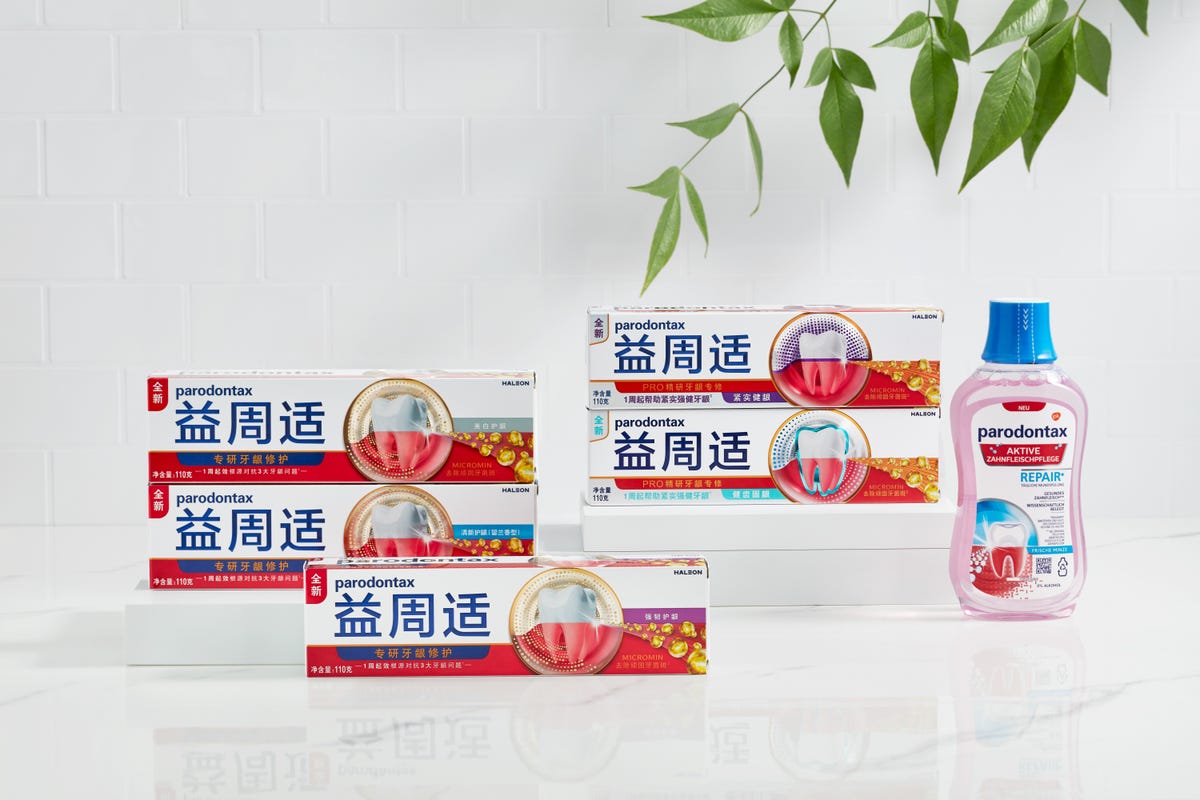
| Oral Health (Sensodyne, Parodontax) | Focus on premium formulations and clinical endorsements. | Competition from private-label alternatives. |
| Pain Relief (Advil, Panadol) | Supply chain stabilization and varied dose packaging. | Price sensitivity among everyday shoppers. |
| VMS (Centrum, Caltrate) | Clean-label transitions and sustainable packaging updates. | Saturated supplement market and shifting consumer trends. |
Consumer Safety, Regulatory Compliance, and Quality Assurance
A critical aspect of any healthcare-related corporate transition is the maintenance of strict regulatory standards. Consumer trust relies heavily on the safety, efficacy, and quality control of ingestible and topical health products. Under its independent operating model, Haleon remains subject to rigorous oversight by health authorities such as the U.S. Food and Drug Administration (FDA), the UK Medicines and Healthcare products Regulatory Agency (MHRA), and other international regulatory bodies.
For consumers, this continuity means that safety protocols, adverse event reporting systems, and quality assurance benchmarks remain strictly enforced. When manufacturing sites are updated or supply chains are rerouted, regulatory compliance mandates that product efficacy and safety profiles remain uncompromised. Shoppers can continue to utilize batch numbers, expiration dates, and consumer helpline services provided on product packaging to verify authenticity and report any unexpected reactions.
Navigating Product Changes and Making Informed Choices
For the average household, adapting to corporate shifts in the consumer healthcare market requires a balanced approach to purchasing and product selection. Consumers should remain proactive by verifying product labels, comparing active ingredients, and exploring alternative formulations if their preferred brand undergoes packaging or availability updates.
Practical Steps for Everyday Shoppers
- Check Active Ingredients: If a preferred brand experiences a temporary shortage or a packaging redesign, examine the active ingredient list to identify identical generic or alternative brand-name equivalents.
- Monitor Retail Loyalty Programs: Utilize pharmacy and grocery reward programs to offset potential price adjustments on essential wellness items and daily-use health products.
- Consult Healthcare Professionals: When encountering new product formulations or specialized variants, consult a pharmacist or primary care physician to ensure the product remains appropriate for specific health needs or dietary restrictions.
Disclaimer: The information provided in this article is for educational and informational purposes only and does not constitute medical, financial, or legal advice. Consumers should consult qualified professionals regarding personal health decisions or financial commitments.
Frequently Asked Questions
What is Haleon, and which brands do they own?
Haleon is an independent global consumer healthcare company that separated from GSK. It owns numerous household brands across oral health, pain relief, and vitamins, minerals, and supplements (VMS), including Sensodyne, Advil, Panadol, Centrum, and Polident.
How does the Haleon shift affect product prices in stores?
Corporate restructuring and independent operations expose the company to inflation and supply chain costs, which can influence retail prices. While competitive pressures encourage tiered pricing and promotional deals, brand-name products often reflect investments in clinical research, marketing, and premium packaging.
Are legacy products changing their formulas due to this shift?
While many core formulas remain stable to maintain consumer trust, dedicated research and development teams periodically update product lines to improve taste, remove allergens, enhance packaging sustainability, or align with modern regulatory guidelines.
Where can consumers report adverse reactions or quality issues with these products?
Consumers can report quality concerns or adverse reactions directly through the contact information listed on the product packaging, via the official Haleon consumer support portal, or through national regulatory reporting systems such as the FDA’s MedWatch program.
Will my preferred over-the-counter medication disappear from store shelves?
Major product lines generally remain widely available, though regional supply chain adjustments and distribution realignments can cause temporary localized inventory fluctuations. Checking active ingredients helps consumers find reliable alternatives during transitional periods.
Image Gallery