Navigating the Dynamics of China Barbie in the Global Toy Market
China plays a foundational role in the production, supply chain orchestration, and evolving consumer landscape of Barbie dolls within the global toy market. As the manufacturing powerhouse behind the iconic Mattel brand, mainland facto...
China plays a foundational role in the production, supply chain orchestration, and evolving consumer landscape of Barbie dolls within the global toy market. As the manufacturing powerhouse behind the iconic Mattel brand, mainland factories and logistics networks shape everything from raw material sourcing to final export logistics, making the intersection of Chinese manufacturing and global toy distribution a critical study in modern international trade.
Contents
The Industrial Foundation: Manufacturing Barbie in China
The relationship between iconic global toy brands and Chinese manufacturing infrastructure spans decades. For products like Barbie, manufacturing in China involves an intricate ecosystem of specialized factories, meticulous quality control protocols, and vast supply chain networks primarily centered in Guangdong, Zhejiang, and Jiangsu provinces.
Sourcing and Material Specifications
Producing a globally compliant toy requires strict adherence to international safety standards, such as the European Union’s EN71 and the United States ASTM F963 regulations. Factories in China process specialized polymers, synthetic fibers for hair rooting, and non-toxic paints that must withstand rigorous durability testing. Raw material suppliers work in tandem with toy molders to ensure that every plastic component—from the high-heeled shoes to the articulated joints of modern Collector Edition dolls—meets exact dimensional tolerances.
Labor, Technology, and Automation
Over the past two decades, Chinese manufacturing facilities dedicated to toys have transitioned from purely labor-intensive assembly lines to highly automated environments. While intricate tasks like facial screening, hair styling, and high-end fashion stitching still require skilled human dexterity, automated injection molding machines and robotic conveyance systems handle mass-volume production stages. This integration helps maintain cost efficiency while upholding the precise aesthetic standards required by Mattel for its diverse product lines, from the classic Fashionistas to themed collaboration dolls.
Supply Chain Logistics and Export Channels
Once manufactured, Barbie dolls and their vast array of accessories must navigate a complex web of logistics before reaching store shelves in North America, Europe, Asia, and beyond. China's sophisticated port infrastructure acts as the primary gateway for this distribution.
Freight and Shipping Dynamics
Major shipping hubs such as Shenzhen, Ningbo, and Shanghai handle the bulk of toy exports. Seasonal spikes—particularly the lead-up to the winter holiday shopping season—require precise synchronization between factory output schedules and container vessel bookings. Exporters must carefully manage ocean freight rates, customs documentation, and container optimization to prevent supply chain bottlenecks.
Regulatory Compliance and Customs Clearance
Exporting toys from China to Western markets involves stringent compliance checks. Before products leave Chinese ports, they often undergo third-party laboratory testing to verify compliance with heavy metal limits, phthalate restrictions, and choking hazard regulations. Customs authorities in destination countries rely on these verified certificates of conformity to expedite clearance, minimizing delays in the global retail pipeline.
Evolving Consumer Markets and Domestic Demand in China
While China has long been recognized primarily as a manufacturing hub, its role as a consumer market for Barbie has undergone a significant transformation. Domestic demand within mainland China reflects shifting cultural paradigms regarding play, gender roles, and collectibility.
Cultural Adaptation and Marketing Strategies
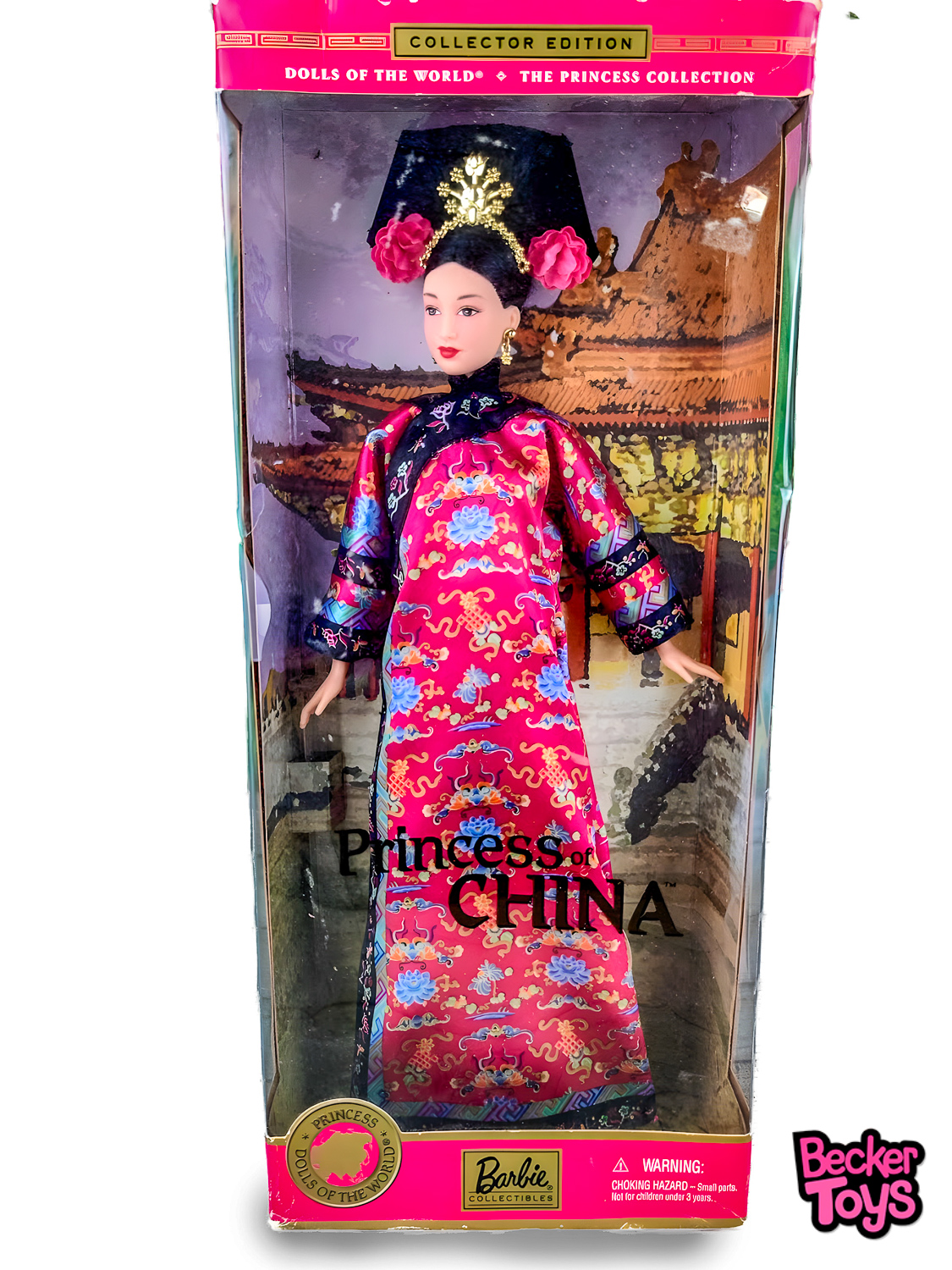
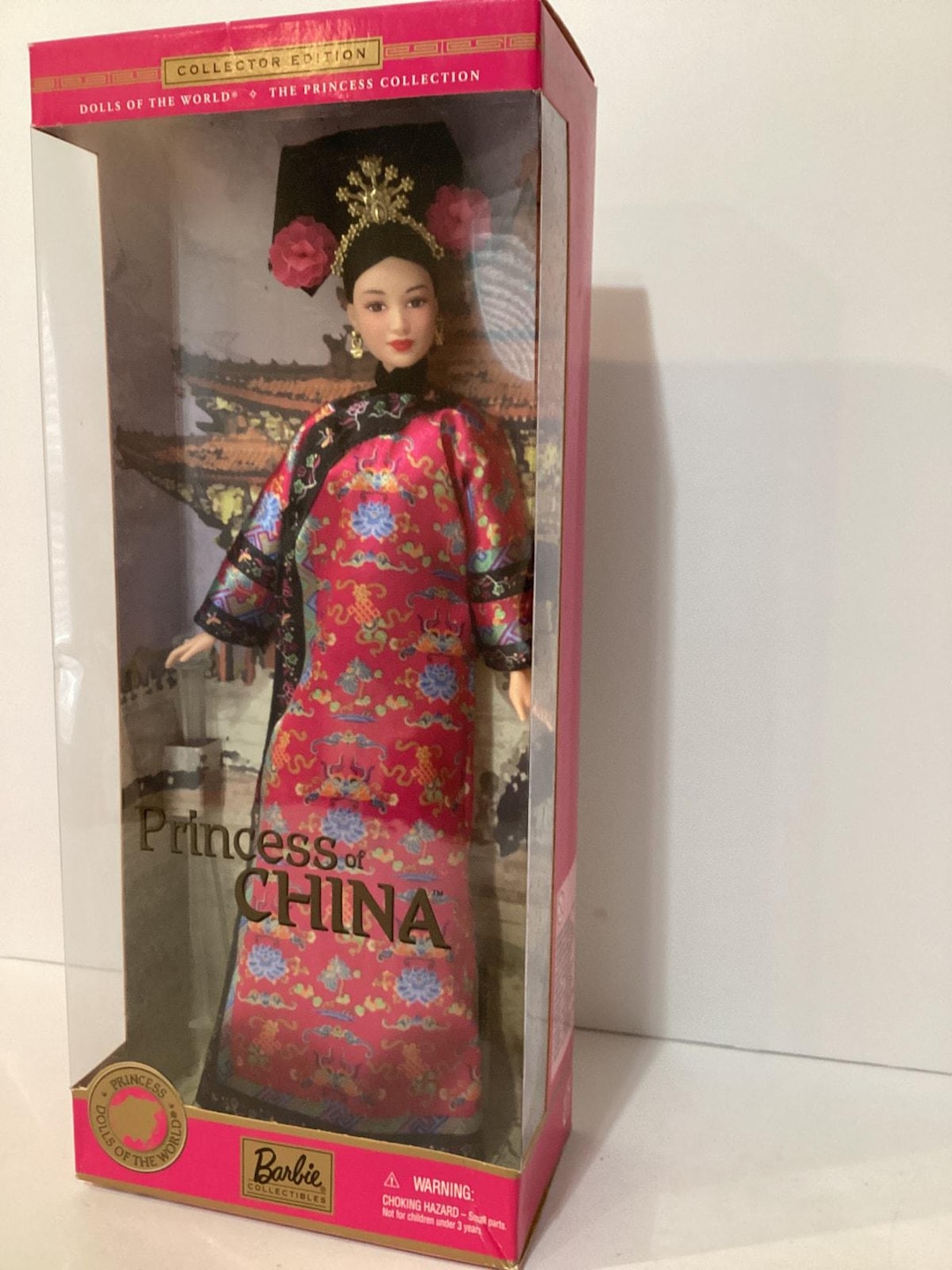
Historically, traditional play patterns in China favored educational and developmental toys over fashion dolls. To resonate with Chinese consumers, Mattel has strategically adapted its marketing and product design. This includes launching specialized commemorative lines, such as Lunar New Year Barbie editions featuring traditional attire, and collaborating with prominent Chinese designers, athletes, and cultural figures. These initiatives help bridge Western brand heritage with local cultural pride.
Retail Evolution: From Department Stores to E-Commerce
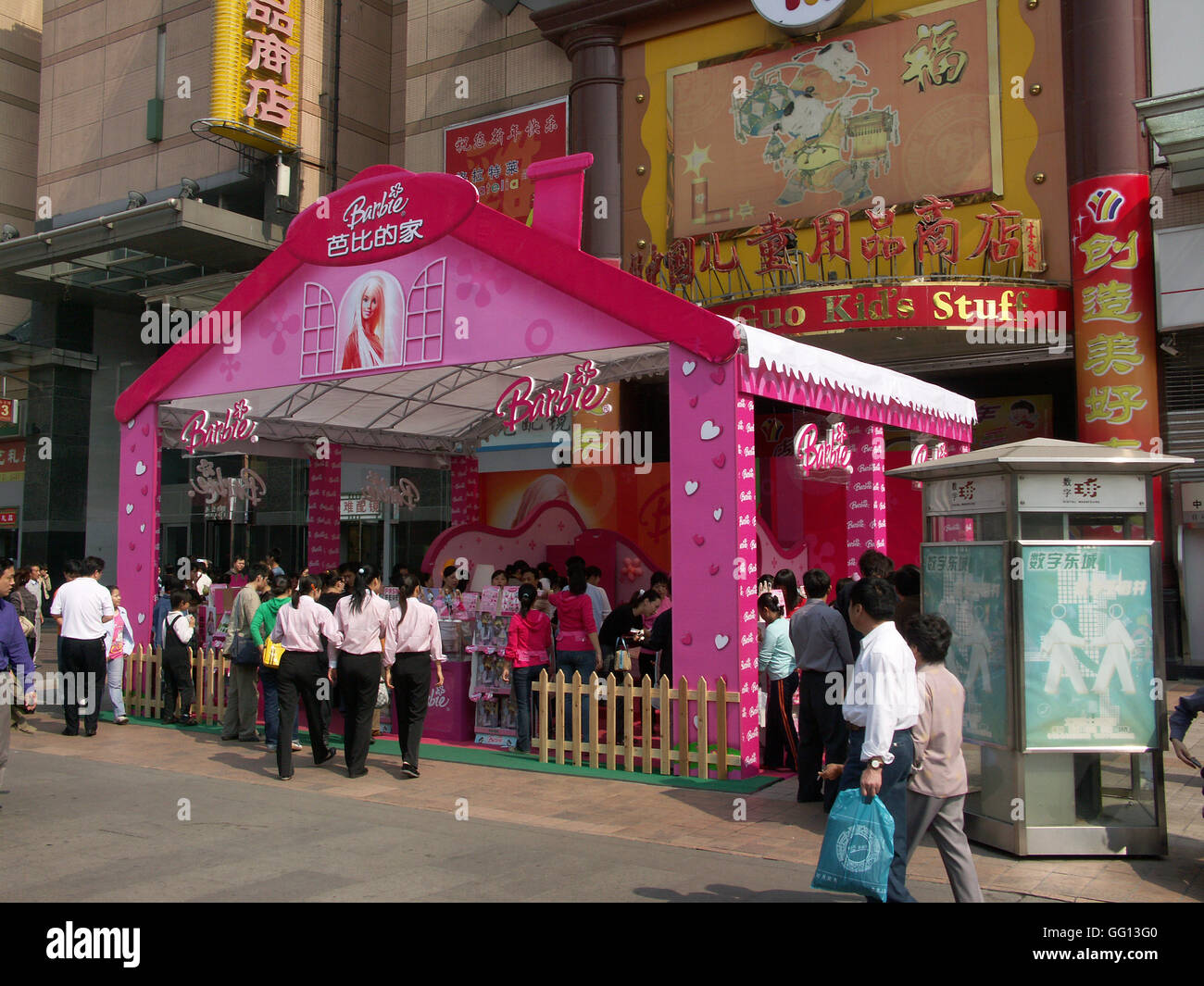
The retail landscape for Barbie in China has shifted decisively toward digital platforms. While traditional brick-and-mortar flagship stores in major metropolitan areas like Shanghai provide immersive brand experiences, e-commerce giants such as Tmall, JD.com, and livestreaming platforms drive the majority of sales. Digital marketing campaigns leverage key opinion leaders (KOLs) and interactive social commerce to engage tech-savvy parents and adult collectors alike.
Comparative Overview: Manufacturing Versus Domestic Retail
To understand the dual nature of China's engagement with the Barbie brand, it is helpful to examine the operational differences between its export-driven manufacturing sector and its domestic retail market.
| Operational Dimension | Manufacturing & Export Sector | Domestic Retail & Consumer Market |
|---|---|---|
| Primary Focus | Mass production, safety compliance, and cost optimization. | Brand localization, cultural relevance, and digital engagement. |
| Key Geographic Hubs | Guangdong, Zhejiang, Jiangsu provinces. | Tier 1 and Tier 2 cities, alongside nationwide e-commerce. |
| Regulatory Framework | International standards (ASTM, EN71) and export customs rules. | China Compulsory Certification (CCC) and domestic consumer protection laws. |
| Distribution Channels | Containerized ocean freight and global logistics networks. | Cross-border e-commerce, domestic platforms (Tmall), and flagship stores. |
Challenges and Strategic Adjustments in Modern Trade
Operating within the intersection of Chinese manufacturing and global toy distribution presents distinct challenges. Manufacturers and brand owners must continuously adapt to shifting macroeconomic conditions.
Cost Pressures and Diversification
Fluctuations in labor costs, raw material prices, and currency exchange rates have prompted some supply chain diversification. While China remains the dominant manufacturing base due to its unmatched industrial ecosystem and skilled workforce, brand owners frequently evaluate risk-mitigation strategies that balance production across multiple Asian markets.
Intellectual Property Protection
Protecting proprietary designs, molds, and packaging artwork remains a critical priority. China’s legal framework for intellectual property has evolved, offering enhanced avenues for enforcement against counterfeit products, though constant vigilance by brand protection teams is still required to safeguard the Barbie trademark across both physical and digital marketplaces.
Frequently Asked Questions
Where are most Barbie dolls manufactured?
The vast majority of Barbie dolls and their accessories are manufactured in specialized factories located in mainland China, particularly within provinces known for light industrial manufacturing like Guangdong and Zhejiang.
How do toys manufactured in China meet international safety standards?
Factories utilize certified raw materials, adhere to strict quality management systems, and subject their products to third-party laboratory testing to ensure compliance with global regulations such as ASTM F963 in the United States and EN71 in the European Union.
Is Barbie popular as a consumer product within mainland China?
Yes, while historically viewed primarily through a manufacturing lens, the domestic Chinese market for Barbie has grown significantly. Mattel achieves this through localized marketing, cultural collaborations like Lunar New Year editions, and strong integration with e-commerce platforms.
What logistics channels are used to export Barbie dolls from China?
Exported dolls are primarily transported via container ships from major Chinese ports such as Shenzhen, Ningbo, and Shanghai, utilizing global freight networks to reach distributors in North America, Europe, and other international regions.
What are the main challenges facing toy manufacturing in China?
Key challenges include managing rising labor and raw material costs, navigating complex international regulatory requirements, and protecting intellectual property against unauthorized replication.
Next Steps for Industry Participants
For stakeholders engaging with the toy sector, success requires continuous monitoring of supply chain efficiencies, adherence to rigorous international safety standards, and a nuanced understanding of digital-first consumer trends in emerging markets. Brand managers and supply chain operators should prioritize diversified logistics planning and robust compliance frameworks to maintain resilience in a competitive global environment.
Image Gallery