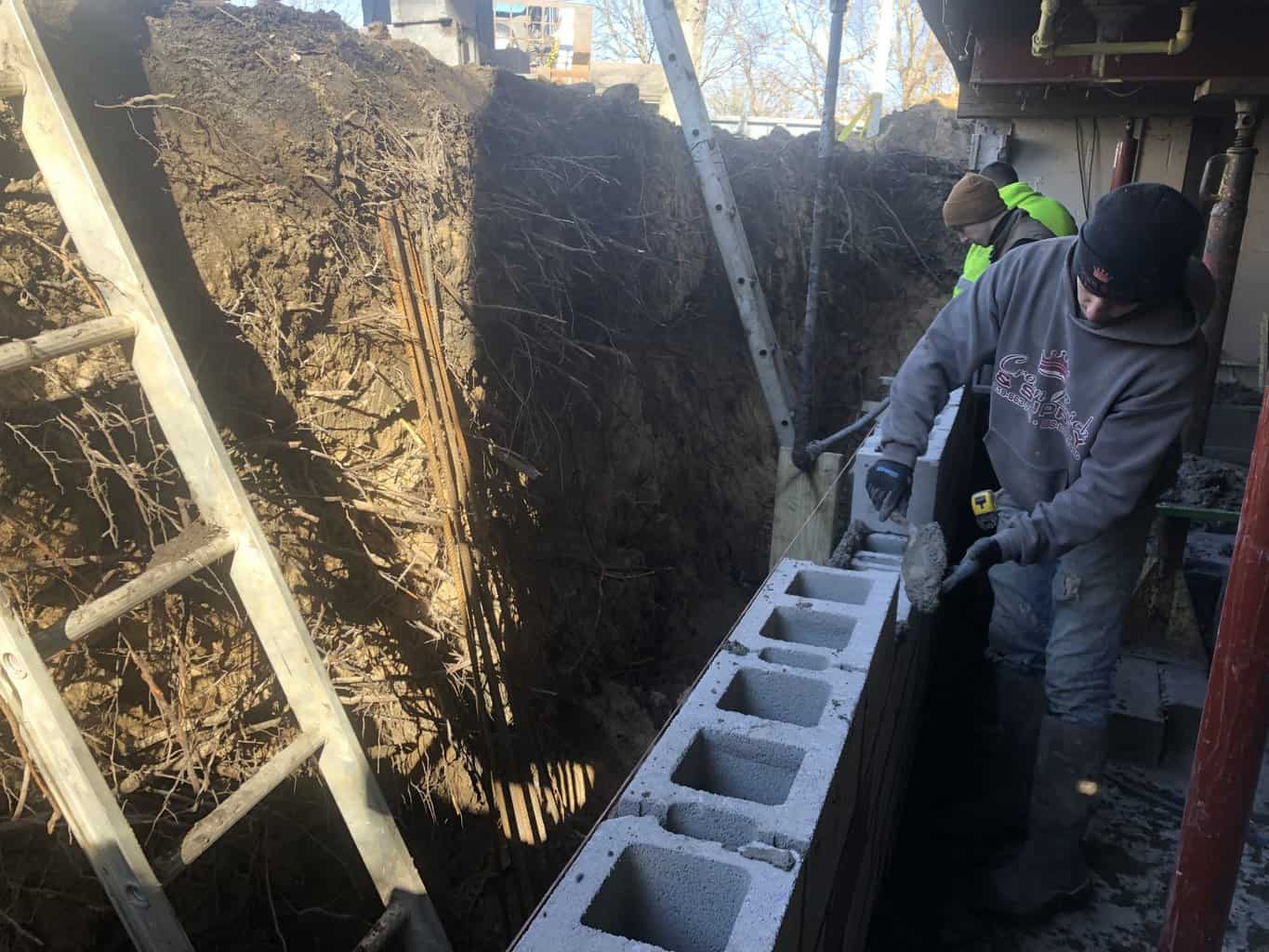
Why the Right Boston Basement Foundation Repair Saves More Than Money
Investing in the right Boston basement foundation repair safeguards your property against structural collapse, dampness, and mold while stabilizing long-term real estate value in a punishing climate. Subsurface restoration in New Engla...
Investing in the right Boston basement foundation repair safeguards your property against structural collapse, dampness, and mold while stabilizing long-term real estate value in a punishing climate. Subsurface restoration in New England requires an approach tailored to historic foundations, expansive clay soils, and high water tables, meaning that opting for a cheap, temporary patch often leads to exponential financial and emotional costs over time.
Contents
Understanding Boston’s Unique Subsurface and Foundation Challenges
Boston is a city defined as much by its complex geology and historical infrastructure as by its architecture. Property owners across the metropolitan area, from Victorian homes in Dorchester to brownstones in the South End and colonials in the suburbs, face environmental pressures that do not exist in other parts of the country. Understanding these underlying conditions is the first step toward appreciating why specialized foundation work is vital.
Soil Composition, Water Tables, and Coastal Weather
The local geography features a mix of glacial till, marine clays, and filled land along the harbor and river basins. Clay soils are notorious for their high shrink-swell capacity; they expand significantly when saturated with heavy spring rains or melting winter snow, and they contract and crack during dry summer months. This constant shifting exerts immense lateral pressure on basement walls.
Compounding this is a high water table throughout much of eastern Massachusetts. Groundwater exerts hydrostatic pressure from beneath the floor slab and against exterior foundation walls. When combined with noreasters, freeze-thaw cycles that crack masonry, and aging infrastructure, Boston basements endure severe environmental stress. A generic, one-size-fits-all repair approach cannot withstand these compounding geological forces.
Common Foundation Materials in Greater Boston Housing
The age of Boston's housing stock means foundation repairs must address obsolete or deteriorated construction materials:
- Rubble Stone Foundations: Common in homes built before the 20th century, these walls consist of fieldstones bound together by weak, lime-based mortar. They are highly susceptible to shifting, water infiltration, and stone displacement.
- Clay Brick Masonry: Older brick foundations can spall, crumble, and lose structural integrity as moisture penetrates and freezes within the pores.
- Poured Concrete: Found in mid-to-late 20th-century construction, these walls are generally stronger but still prone to vertical or horizontal cracking due to soil settlement and hydrostatic pressure.
- Concrete Block (CMU): Hollow concrete masonry units often bow inward under lateral soil loads if unreinforced or improperly drained.
The True Cost of Inadequate or Delayed Foundation Repairs
When a homeowner notices a crack in the basement wall or a damp patch on the floor, the natural inclination is to look for the most affordable, rapid fix. However, delaying professional structural intervention or selecting a contractor based solely on the lowest bid carries profound financial and personal risks.
Financial Escalation and Multiplied Expenses
A minor hairline crack that allows a trickle of water into the basement during heavy storms might seem manageable with a simple DIY hydraulic cement patch or an interior splash guard. However, treating the symptom rather than the root cause allows the underlying structural failure to progress unchecked.
If lateral soil pressure continues to push a concrete block or stone wall inward, a simple patch will fail. Over two to three years, minor wall deflection can escalate into major structural displacement, requiring steel I-beams, wall anchors, or complete wall rebuilding. What could have been a localized drainage adjustment or minor epoxy injection transforms into a five-figure structural overhaul. Furthermore, repeated water intrusion destroys finished basement spaces, ruining drywall, flooring, electrical wiring, and personal belongings.
Health Hazards from Mold, Mildew, and Poor Indoor Air Quality
Moisture in the basement does not stay in the basement. Due to the "stack effect," air entering the lower levels of a home warms up and rises, carrying up to 50% of the air from the crawlspace or basement into the living areas above.
When damp foundation walls encourage the growth of mold and mildew, microscopic spores and mycotoxins circulate through the HVAC system. Prolonged exposure to indoor mold is linked to chronic respiratory issues, allergic reactions, asthma exacerbations, and neurological symptoms. Protecting structural integrity is inextricably linked to safeguarding the health of everyone inside the home.
Psychological Stress and Disruptions to Daily Life
Living in a home with an unstable or continuously flooding foundation takes a heavy psychological toll. Homeowners report chronic anxiety during heavy rainstorms, constant worry about property resale value, and the exhaustion of managing recurring cleanup operations. Comprehensive foundation repair eliminates this background stress, restoring peace of mind and making the lower level of the home a functional, usable space again.
Core Methods of Professional Boston Basement Foundation Repair
Professional structural engineers and foundation contractors utilize distinct, engineered methods to address specific failure modes. Selecting the right method depends entirely on a rigorous diagnostic assessment of the damage.
| Repair Method | Primary Indication | Mechanism of Action | Typical Application |
|---|---|---|---|
| Steel I-Beam Bracing | Bowed or buckling foundation walls | Bolted to floor joists and floor slabs to stabilize walls against inward soil pressure | Poured concrete and concrete block walls |
| Helical / Push Piers | Foundation settling or sinking | Driven deep into load-bearing strata to transfer structural weight off unstable soil | Homes experiencing vertical settlement |
| Carbon Fiber Straps | Minor to moderate wall cracking and bowing | High-tensile strips epoxy-bonded to the wall surface to prevent further movement | Poured concrete walls with minor deflection |
| Interior Drainage & Sump Pump | Chronic water seepage and hydrostatic pressure | Channeling water from the footing perimeter to a sealed sump basin for discharge | Rubble stone, brick, and concrete foundations |
Structural Stabilization vs. Cosmetic Patching
It is vital to distinguish between structural stabilization and cosmetic waterproofing. Cosmetic repair involves filling cracks with surface sealants, painting walls with waterproof coatings, or installing minor surface gutters. While these steps manage minor moisture, they do nothing to stop moving walls or sinking footings.
Structural stabilization addresses the physics of the failure. For example, if a rubble stone foundation in a historic Boston home is bulging outward because the soil behind it is saturated and freezing, workers must relieve hydrostatic pressure through exterior excavation, French drain installation, and wall reinforcement before any cosmetic repointing can safely occur.
The Importance of Comprehensive Subsurface Water Management
In Boston, water management is the cornerstone of foundation longevity. Because exterior soil saturation drives most foundation failures, a proper repair plan almost always incorporates an integrated water management system. This includes cleaning and extending roof downspouts away from the foundation perimeter, grading exterior soil to slope away from the house, repairing faulty municipal sewer connections, and installing robust interior or exterior weeping tile systems connected to primary and battery-backup sump pumps.
Evaluating Foundation Repair Contractors in Greater Boston
Because foundation repair is a highly specialized engineering discipline, choosing the right contractor is just as important as choosing the right repair technique. Unqualified contractors may offer attractive pricing by skipping critical engineering reviews or failing to secure mandatory municipal permits.
Red Flags to Avoid
- High-Pressure, Same-Day Sales Tactics: Contractors who demand immediate contract signatures by offering "today-only" discounts often rely on inflated baseline pricing and substandard workmanship.
- Lack of Engineering Oversight: Complex structural issues—especially in historic Boston properties—require calculations and sign-offs from licensed structural engineers.
- Vague Warranties: Reputable companies offer clear, transferable warranties that cover both materials and labor. Avoid vague verbal promises or companies with a history of rebranding to avoid past claims.
- Absence of Proper Licensing and Insurance: Ensure the contractor holds a valid Massachusetts Home Improvement Contractor (HIC) registration and Construction Supervisor License (CSL), alongside comprehensive general liability and workers' compensation insurance.
Questions Every Homeowner Should Ask
- Do you perform structural engineering assessments or partner with independent licensed engineers for complex cases?
- What specific permits are required by my local municipality for this scope of work, and do you pull them?
- Can you provide references from local Boston-area homeowners with similar foundation types?
- What does the warranty cover, and is it transferable if I sell the home?
Protecting Long-Term Real Estate Value
Boston’s real estate market is notoriously demanding. Prospective buyers, home inspectors, and real estate attorneys look closely at foundation conditions during transactions. Disclosing past foundation issues is legally required in Massachusetts, but having a documented, engineered repair completed by a reputable specialist often turns a potential red flag into a selling point.
The Impact on Home Appraisals and Resale Transactions
When an unaddressed foundation issue is uncovered during a pre-purchase home inspection, buyers frequently demand steep price reductions, demand escrow holdbacks, or walk away from the deal entirely. Conversely, presenting an official engineering report alongside a transferable warranty for professional basement foundation repair reassures buyers. It demonstrates that the home has been proactively fortified against New England’s harsh climate, protecting equity and ensuring a smoother closing process.
Frequently Asked Questions
How do I know if my basement crack is a major structural problem or just normal settling?
Hairline cracks under 1/8 inch wide that are vertical and uniform are often standard shrinkage cracks common in curing concrete. However, cracks that are wider at the top than the bottom, diagonal stair-step cracks in masonry, or any crack accompanied by inward wall bowing, sticking doors on upper floors, or water infiltration require immediate professional evaluation.
Can foundation repairs be performed during Boston's winter months?
Yes. While certain exterior excavation and masonry tasks are constrained by frozen ground and low temperatures, many interior structural stabilization methods—such as carbon fiber strapping, steel I-beam installation, and interior perimeter drainage systems—can be performed year-round by experienced local contractors.
Will foundation repair disrupt my entire house?
Most modern foundation repair techniques are designed to minimize interior disruption. While interior excavation for perimeter drainage or pier installation requires clearing localized areas of the basement, structural wall stabilization can usually be completed with minimal disturbance to the finished living spaces above.
Are Boston historic homes subject to special regulations for foundation work?
If your property is located within a local historic district or listed on the National Register of Historic Places, exterior foundation alterations may require review and approval from local historical commissions. A knowledgeable local contractor will be familiar with these municipal guidelines and can assist with compliance.
How much does professional basement foundation repair typically cost in the Boston area?
Costs vary widely based on the severity of the damage, the repair method required, and the accessibility of the site. Minor localized crack injections may cost a few hundred dollars, while comprehensive structural stabilization, piering, and drainage systems for a failing foundation can range from $10,000 to over $40,000. Investing in the correct comprehensive fix upfront prevents escalating emergency expenditures down the road.
Summary and Next Actions
Investing in the right Boston basement foundation repair protects far more than just concrete and mortar; it safeguards your physical health, eliminates chronic stress, preserves your financial investment, and secures your home's structural future against New England's demanding climate. If you suspect foundation movement or persistent water intrusion, do not rely on temporary cosmetic patches. Schedule an assessment with a licensed structural engineer or a reputable, certified foundation specialist to evaluate your property's unique subsurface conditions and execute an engineered, permanent solution.
Image Gallery