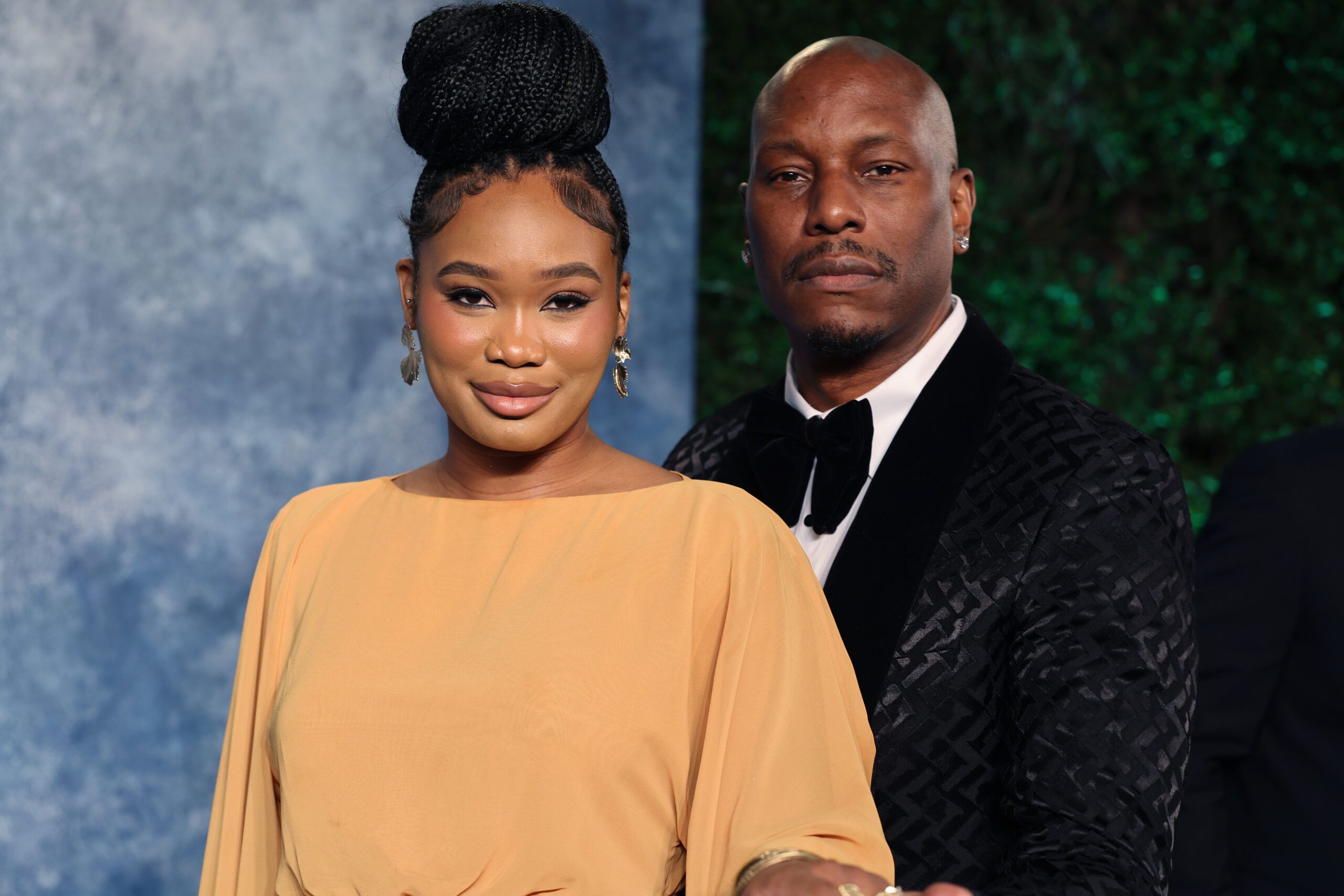
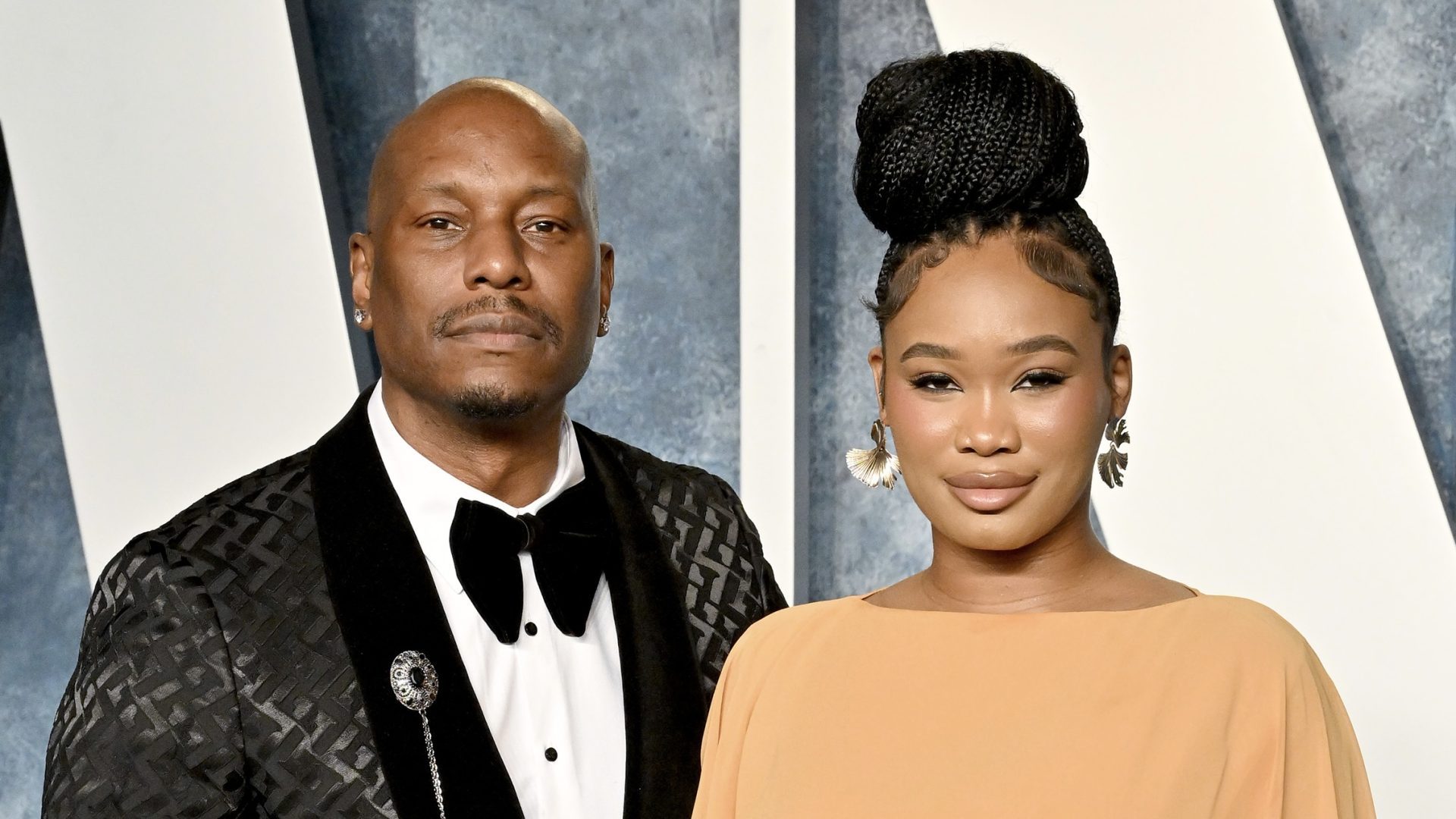
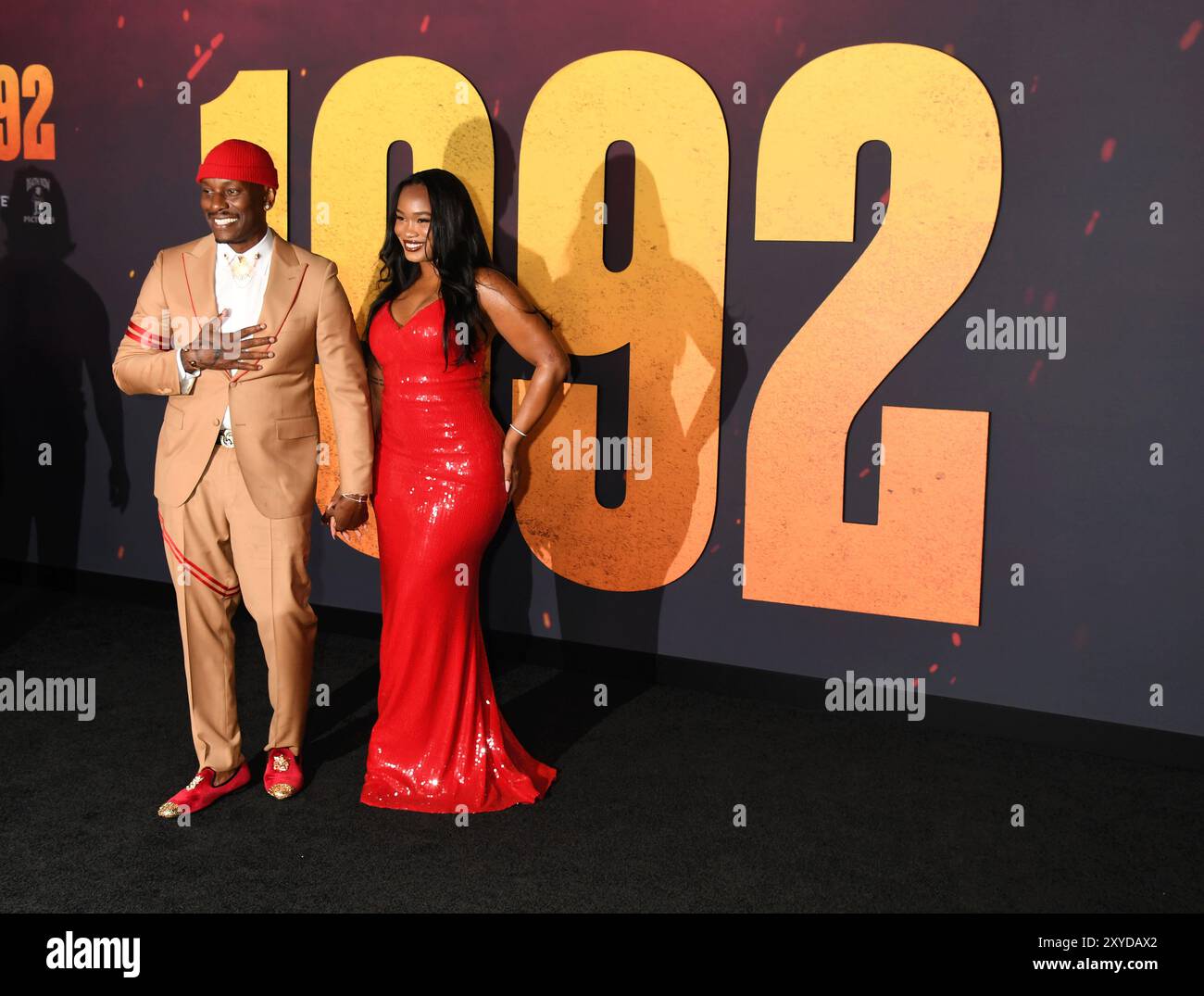
Navigating the Intersection of Tyrese and Zelie in the Music Industry
Tyrese Gibson’s career in R&B and the broader entertainment industry intersects with public interest regarding his personal life and partnerships, particularly concerning Zelie Timothy, providing a window into how modern celebrity rela...
Tyrese Gibson’s career in R&B and the broader entertainment industry intersects with public interest regarding his personal life and partnerships, particularly concerning Zelie Timothy, providing a window into how modern celebrity relationships navigate the business of music, media scrutiny, and brand management.
Contents
Introduction to Tyrese Gibson and Zelie Timothy in the Entertainment Sphere
The relationship between R&B artist and actor Tyrese Gibson and entrepreneur and influencer Zelie Timothy has frequently captured the attention of entertainment media. While Tyrese is widely recognized for his decades-long career as a multi-platinum recording artist, Grammy nominee, and star of major cinematic franchises like Fast & Furious, Zelie Timothy operates primarily within the digital space as an entrepreneur, model, and social media personality.
When examining "tyrese and zelie in the music industry," observers are typically looking at how high-profile personal relationships intersect with the rigorous demands, promotional cycles, and public relations strategies of the contemporary music business. Celebrity partnerships often function as dual-branding exercises, influencing social media engagement, public perception, and the rollout of artistic projects. Understanding this dynamic requires looking beyond the headlines to examine the structural realities of modern R&B promotion, independent music distribution, and the role of digital visibility in sustaining a legacy career.
The Evolution of Tyrese Gibson's Music Career
To understand the context surrounding Tyrese's ongoing presence in the music industry, it is essential to trace his trajectory from a 1990s R&B vocalist to an independent legacy artist. Discovered after appearing in a 1994 Coca-Cola commercial, Tyrese released his self-titled debut album in 1998 through RCA Records, yielding the hit single "Sweet Lady."
Over the next two decades, Tyrese established himself as a prominent figure in traditional R&B and soul music, releasing successful albums such as 2000 Watts, I Wanna Go There, Alter Ego, and Open Invitation, which debuted at the top of the Billboard R&B/Hip-Hop albums chart. His later work, including Black Rose (2015), was released independently under his own label imprint, Voltron Recordz, marking a strategic shift in how he manages his musical output, intellectual property, and financial returns.
The Shift Toward Independent Distribution
For legacy artists like Tyrese, transitioning from major labels to independent structures offers distinct operational advantages and challenges:
- Master Rights Ownership: Retaining ownership of master recordings allows artists to capture a significantly higher percentage of streaming revenue and licensing fees.
- Creative Control: Independent distribution eliminates corporate gatekeeping, enabling artists to release material aligned with their creative vision without label pressure for crossover pop hits.
- Marketing and Distribution Overhead: Without a major label's dedicated marketing budget, independent artists must rely on self-funded promotion, strategic partnerships, and personal media visibility.
The Role of Media Visibility and Public Partnerships
In the modern music industry, an artist's personal life often serves as an informal yet potent promotional channel. High-profile relationships, public appearances, and social media engagement generate earned media coverage that can eclipse traditional radio promotion and press tours.
Zelie Timothy’s established presence in digital media provides a modern framework for audience engagement. As an entrepreneur and influencer, Timothy navigates public scrutiny across platforms like Instagram and YouTube. When public figures form romantic partnerships, their combined digital footprint creates a synergistic effect, driving traffic to respective business ventures, music releases, and social channels.
Media Dynamics in Modern R&B
| Element | Traditional Music Promotion | Modern Digital & Relationship Synergy |
|---|---|---|
| Primary Channel | Radio airplay, physical press, and music videos | Social media platforms, lifestyle vlogs, and viral coverage |
| Audience Reach | Geographically restricted and gatekept by programmers | Global, instantaneous, and algorithmically driven |
| Monetization | Physical sales, licensing, and tour ticket sales | Streaming revenue, brand sponsorships, and digital merchandise |
| Public Narrative | Controlled by label publicists and press releases | Co-managed by the individuals via direct-to-consumer channels |
Navigating Scrutiny in the Public Eye
Operating within the music and entertainment industries exposes personal relationships to intense public scrutiny. Fans, gossip platforms, and digital commentators frequently analyze the dynamics of high-profile couples, impacting both personal well-being and professional branding.
For artists like Tyrese, balancing a decades-long public career with a visible personal life requires careful reputation management. Negative media narratives can occasionally overshadow artistic endeavors, necessitating proactive communication strategies. Conversely, maintaining transparency and sharing aspects of daily life can foster a loyal, highly engaged fan base that supports both musical releases and entrepreneurial ventures.
Business Ventures Beyond Music
Neither Tyrese nor Zelie Timothy relies solely on traditional music sales. The modern entertainment landscape demands diversified revenue streams to maintain financial stability and career longevity.
Tyrese has successfully bridged the gap between music and acting, commanding significant roles in major Hollywood franchises while continuing to fund his musical projects. Meanwhile, Zelie Timothy focuses on digital entrepreneurship, beauty, and lifestyle branding. This dual-entrepreneur approach is increasingly common among modern entertainment figures, mitigating the financial volatility inherent in the recorded music sector.
Frequently Asked Questions
What is Tyrese Gibson's primary background in the entertainment industry?
Tyrese Gibson rose to prominence in the late 1990s as an R&B singer before establishing a successful acting career in major film franchises like Fast & Furious and Transformers. He has released multiple certified platinum and gold albums.
Who is Zelie Timothy?
Zelie Timothy is an entrepreneur, model, and digital influencer known for her strong presence on social media platforms and her business ventures within the lifestyle and beauty sectors.
How do celebrity relationships impact music careers?
High-profile relationships generate significant digital visibility and earned media coverage. This attention can be leveraged during album rollouts, single releases, and promotional campaigns to drive streaming numbers and direct-to-consumer sales.
What record label does Tyrese currently use for his music?
Tyrese releases his music independently through his own label imprint, Voltron Recordz, allowing him to retain ownership of his master recordings and maintain complete creative control over his catalog.
Why do legacy artists choose independent distribution?
Independent distribution allows legacy artists to bypass major label overhead, retain higher percentages of streaming royalties, and release music on schedules that suit their personal and professional lives.
Practical Next Actions for Following Independent Music Releases
For fans and industry observers looking to follow Tyrese's ongoing musical output and related entrepreneurial ventures, direct engagement requires monitoring specific digital channels rather than relying solely on traditional radio or media outlets.
- Follow Official Channels: Subscribe to verified YouTube channels, streaming profile pages (such as Spotify and Apple Music), and official social media handles for real-time announcements regarding new singles and album release dates.
- Support Independent Platforms: Purchase music and merchandise directly from artist-owned web stores or independent digital distributors to ensure maximum financial support goes directly to the creators.
- Monitor Primary Sources: Rely on direct statements from the artists regarding personal and professional updates rather than unverified third-party gossip blogs.
Image Gallery