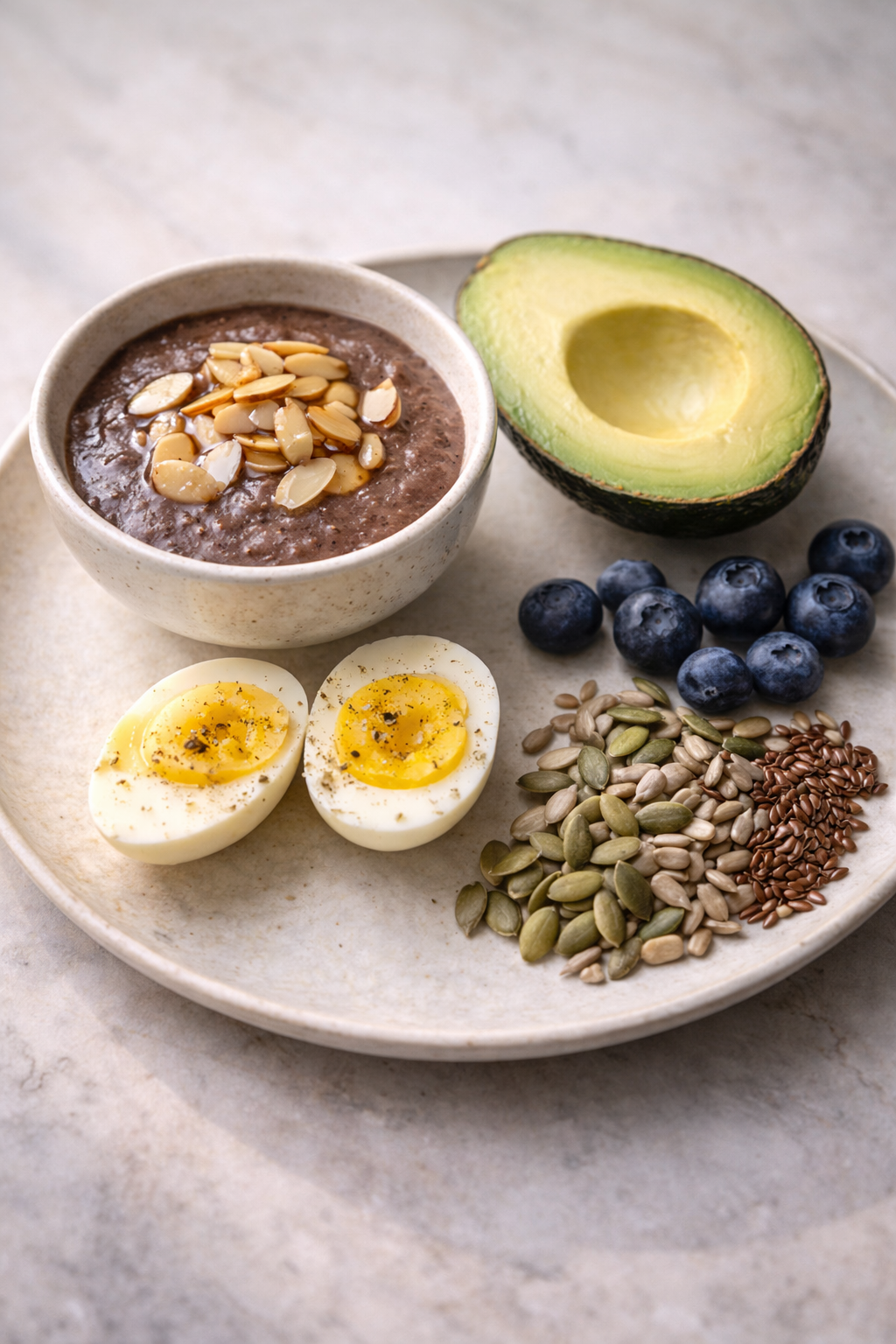
Tom Brady’s Breakfast: What He Eats Every Morning to Sustain Peak Performance
Tom Brady’s breakfast is a cornerstone of the nutritional regimen he popularized throughout his professional career, centering on high hydration, anti-inflammatory whole foods, and a structured, alkaline-focused approach to fueling the...
Tom Brady’s breakfast is a cornerstone of the nutritional regimen he popularized throughout his professional career, centering on high hydration, anti-inflammatory whole foods, and a structured, alkaline-focused approach to fueling the body. Rather than a traditional meal, his morning routine begins with 20 ounces of water infused with electrolytes, followed by a nutrient-dense protein smoothie designed for recovery and sustained energy.
Contents
The Foundation of the TB12 Nutritional Philosophy
To understand Tom Brady’s breakfast, one must first understand the methodology behind it. Brady’s nutritional approach is heavily influenced by the TB12 Method, which emphasizes an 80/20 balance—where 80% of dietary intake consists of alkaline-forming foods (such as vegetables and whole grains) and 20% consists of acidic-forming foods (such as lean proteins).
This strategy is intended to reduce systemic inflammation, promote faster muscle recovery, and maintain optimal pH levels in the blood. For Brady, breakfast is not merely about calories; it is a strategic logistical operation designed to prepare his body for high-intensity physical output while minimizing metabolic stress.
The Morning Hydration Protocol
Before consuming any solid food, Brady adheres to a strict hydration ritual. Upon waking, his first action is to drink approximately 20 ounces of water supplemented with electrolytes. The goal here is to rehydrate the body after the natural fluid loss occurring during sleep.
The electrolytes added to this water are typically a proprietary blend of minerals—primarily sodium, potassium, and magnesium—intended to assist in cellular hydration. By ensuring the body is properly hydrated before the first intake of nutrients, the digestive system can process the subsequent smoothie more efficiently.
The Signature Morning Smoothie
After hydration, the centerpiece of his morning is a high-protein, nutrient-dense smoothie. This is not a standard fruit-and-yogurt beverage; it is a calculated concoction meant to provide a macro-nutrient profile suited for a professional athlete. While the exact contents may shift based on seasonal availability and specific training demands, the foundational components consistently include:
- Protein Source: Often a plant-based protein powder (such as pea or hemp protein) to provide essential amino acids without the inflammatory potential sometimes associated with heavy dairy consumption.
- Healthy Fats: Additions like almond butter, walnuts, or chia seeds provide sustained energy and support hormonal health.
- Fruit and Vegetables: Blueberries are a frequent inclusion due to their high antioxidant profile. Leafy greens, such as spinach or kale, are often blended in to provide micronutrients, vitamins, and minerals.
- Electrolytes and Supplements: Additional electrolyte powders may be added to ensure the drink supports fluid retention and muscle function throughout the morning.
This liquid breakfast is preferred by Brady because it is rapidly digested, providing the body with immediate fuel without the "heavy" feeling that often follows a plate of traditional breakfast foods like eggs, bacon, or heavy grains.
Nutritional Comparison: Traditional Breakfast vs. The TB12 Approach
The following table contrasts the general nutritional intent of a standard Western breakfast with the specific principles governing Brady’s morning intake.
| Feature | Traditional Breakfast | TB12 Morning Protocol |
|---|---|---|
| Primary Goal | Caloric satiation | Cellular recovery/Hydration |
| Protein Source | Processed meats/Dairy | Plant-based protein powder |
| Hydration | Coffee/Tea/None | Electrolyte-enhanced water |
| Inflammatory Profile | High (Sugar/Saturated fats) | Low (Anti-inflammatory/Alkaline) |
| Digestion Speed | Moderate to Slow | Rapid |
The Role of Whole Foods and Avoiding Inflammation
A core tenet of what Brady eats is the avoidance of pro-inflammatory foods. In the context of his morning routine, this means eliminating refined sugars, excessive caffeine, and dairy products that can trigger inflammation in some individuals.
Inflammation is considered the enemy of longevity in professional sports, as it slows recovery times between games and training sessions. By consuming a breakfast focused on whole, unprocessed ingredients—even in a liquid format—Brady minimizes the workload on his digestive tract. This allows the body to prioritize the delivery of nutrients to the muscles rather than expending energy on breaking down complex, inflammatory compounds.
Consistency and Discipline
Beyond the ingredients themselves, the most critical aspect of Tom Brady’s breakfast is the consistency of the routine. The diet is not treated as a temporary "fix" but as a permanent lifestyle requirement. Brady has spoken extensively about the need for discipline, noting that the benefits of the TB12 Method are cumulative.
This level of adherence is what allows the body to maintain homeostasis. By repeating this precise nutritional input every morning, he removes the element of "decision fatigue" from his day, ensuring his metabolism is primed for performance regardless of external variables.
Frequently Asked Questions
Does Tom Brady eat solid food for breakfast? While the smoothie is his primary staple, he may occasionally incorporate solid food if his training schedule demands a higher caloric intake. However, even these choices remain within the anti-inflammatory, whole-food parameters of his established diet.
Why does he avoid dairy in his morning routine? The TB12 approach characterizes dairy as a potentially pro-inflammatory food. By using plant-based proteins, he seeks to avoid digestive stress and inflammation, which he believes aids in faster physical recovery.
Is this breakfast routine suitable for non-athletes? The principles of high hydration and nutrient-dense, anti-inflammatory whole foods are generally considered healthy for the average person. However, professional athletes have different caloric and electrolyte needs than sedentary individuals. It is advisable to consult with a nutritionist before drastically altering a daily diet to match an athlete’s specific intake.
What is the "alkaline" theory in his diet? The diet focuses on maintaining a balanced internal pH. Proponents of this theory argue that consuming "alkaline" foods (like vegetables and fruits) helps counteract the acidic environment created by strenuous exercise and certain processed foods, thereby reducing muscle soreness.
Can I modify the smoothie to fit my budget? Yes. While the specific brand-name supplements or organic superfoods often mentioned in TB12 marketing are premium products, the fundamental concept—a balanced smoothie with greens, berries, healthy fats, and a quality protein source—can be replicated using standard whole-food ingredients found in most grocery stores.
Practical Next Steps for Implementation
If you are looking to adopt elements of this morning routine, begin by focusing on the hydration aspect. Adding 20 ounces of water with a high-quality electrolyte supplement immediately upon waking is the most accessible and scientifically supported step toward improved morning recovery. Once you have established a consistent hydration habit, experiment with a morning smoothie that emphasizes whole-food sources of protein and fiber rather than processed powders or sugary additives. Always monitor how your body responds over a two-week period, adjusting quantities based on your personal energy levels and daily physical activity.
Image Gallery