Exploring the Age and History of the Warrior Cats Book Series
The Warrior Cats book series is 23 years old, having officially begun with the publication of the very first novel, Into the Wild, in January 2003. Created by publisher Victoria Holmes and written by a collaborative team of authors und...
The Warrior Cats book series is 23 years old, having officially begun with the publication of the very first novel, Into the Wild, in January 2003. Created by publisher Victoria Holmes and written by a collaborative team of authors under the pseudonym Erin Hunter, the expansive feline fantasy franchise has grown across multiple sub-series, guidebooks, and graphic novels over more than two decades.
Contents
Understanding the chronological age of a long-running literary property requires examining its publishing milestones, its evolution from a single arc into a multi-generational epic, and the cultural footprint it has established since its inception. For longtime fans and curious readers alike, tracing the timeline of the clans reveals how a conceptual pitch about wild cats fighting for survival transformed into an international publishing phenomenon.
Origins and the 2003 Launch of Into the Wild
The genesis of the Warrior Cats franchise dates back to the late collaborative sessions between Victoria Holmes, publisher Kate Cary, Cherith Baldry, and later contributors who adopted the pen name Erin Hunter. Commissioned by Working Partners—a UK-based pack packaging company—the initial concept was to write an epic fantasy adventure featuring feral cats organized into distinct clans, operating under their own laws, spiritual beliefs, and territorial boundaries.
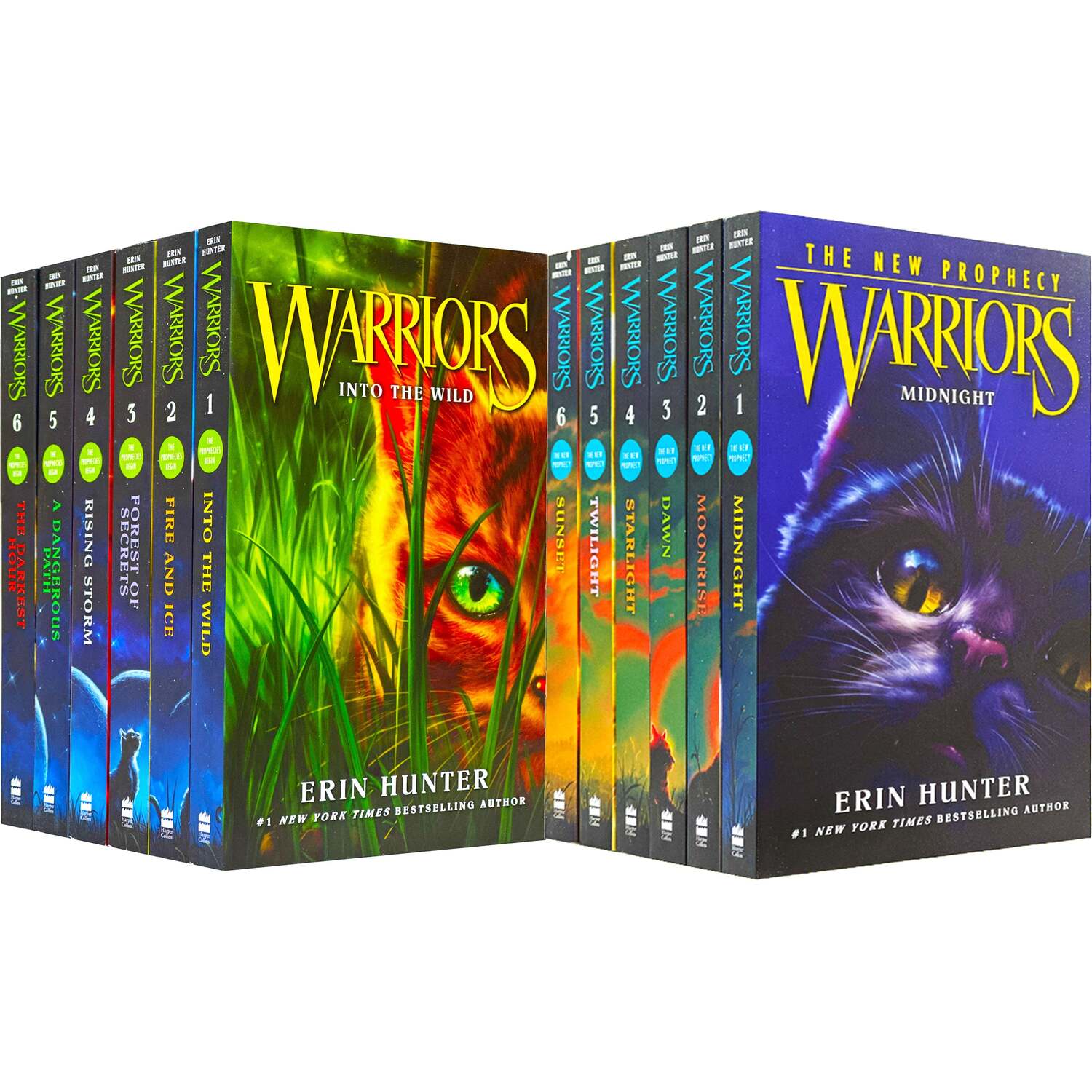
In January 2003, HarperChildrens published the inaugural title, Into the Wild, introducing readers to Rusty, a house cat (or "kittypet") who leaves his comfortable domestic life to join ThunderClan, earning the name Firepaw and eventually Fireheart. The book established the core setting of the forest territories, populated by ThunderClan, RiverClan, WindClan, and ShadowClan.
When looking at how old the Warrior Cats series is, 2003 serves as the absolute baseline. The initial arc, later retroactively titled The Prophecies Begin, consisted of six core books published between 2003 and 2004. This foundational tetralogy and hexalogy laid the groundwork for complex themes regarding loyalty, betrayal, tribal politics, and mortality that would define the subsequent decades of publishing.
Chronological Breakdown of Sub-Series Arcs
To maintain momentum and expand the lore, the creators structured the franchise into distinct narrative arcs, each focusing on different generations of clan cats, external threats, and changing geographical landscapes. Below is a comprehensive breakdown of the primary arcs that define the timeline of the series:
| Arc Title | Original Publication Period | Core Focus and Major Themes |
|---|---|---|
| The Prophecies Begin | 2003 – 2004 | Introduces Rusty/Firepaw; establishes clan dynamics and the threat of Tigerclaw. |
| The New Prophecy | 2005 – 2006 | Focuses on a quest to save the forest from destruction; migration to the lake territory. |
| Power of Three | 2007 – 2009 | Centers on Firestar's grandchildren and a prophecy regarding supernatural powers. |
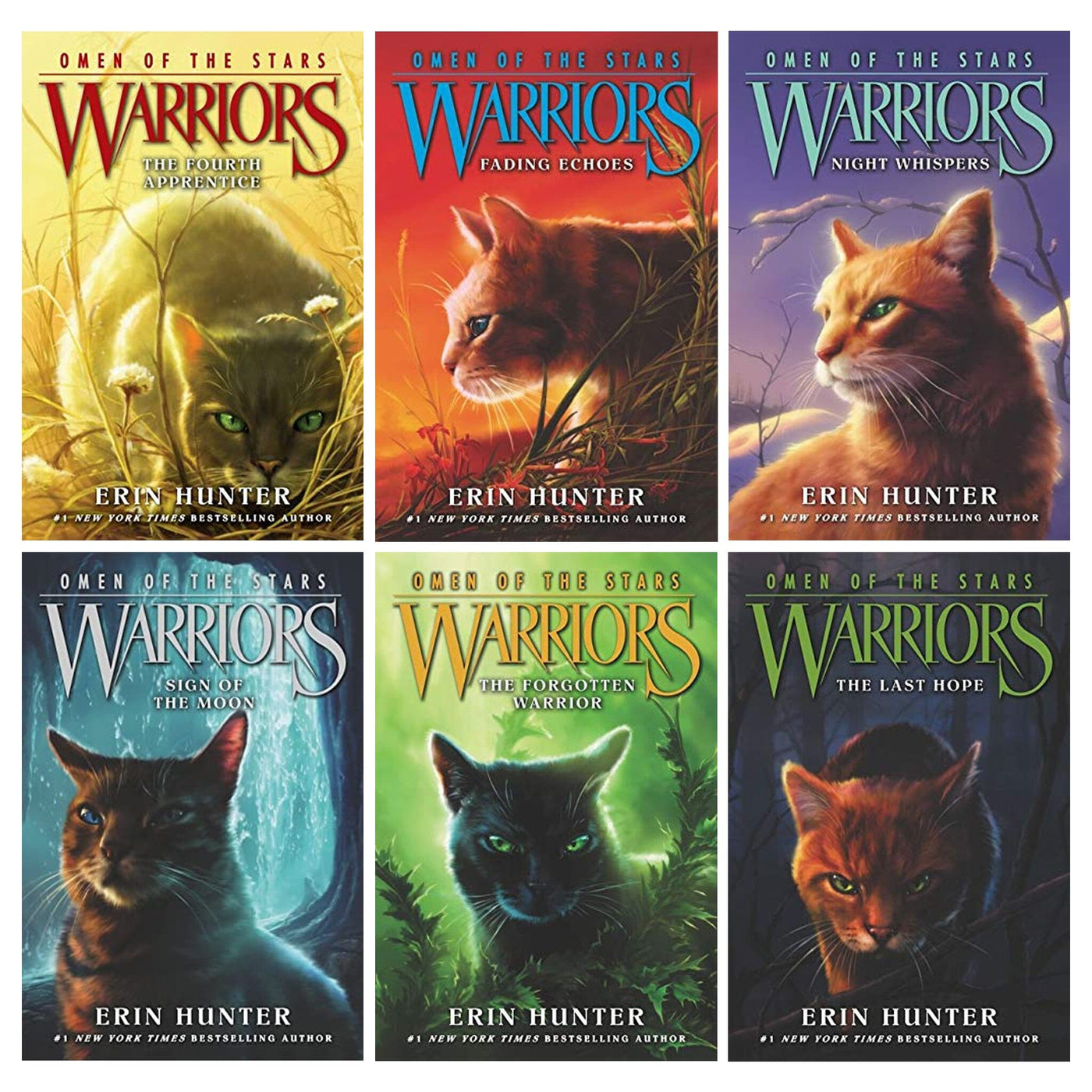
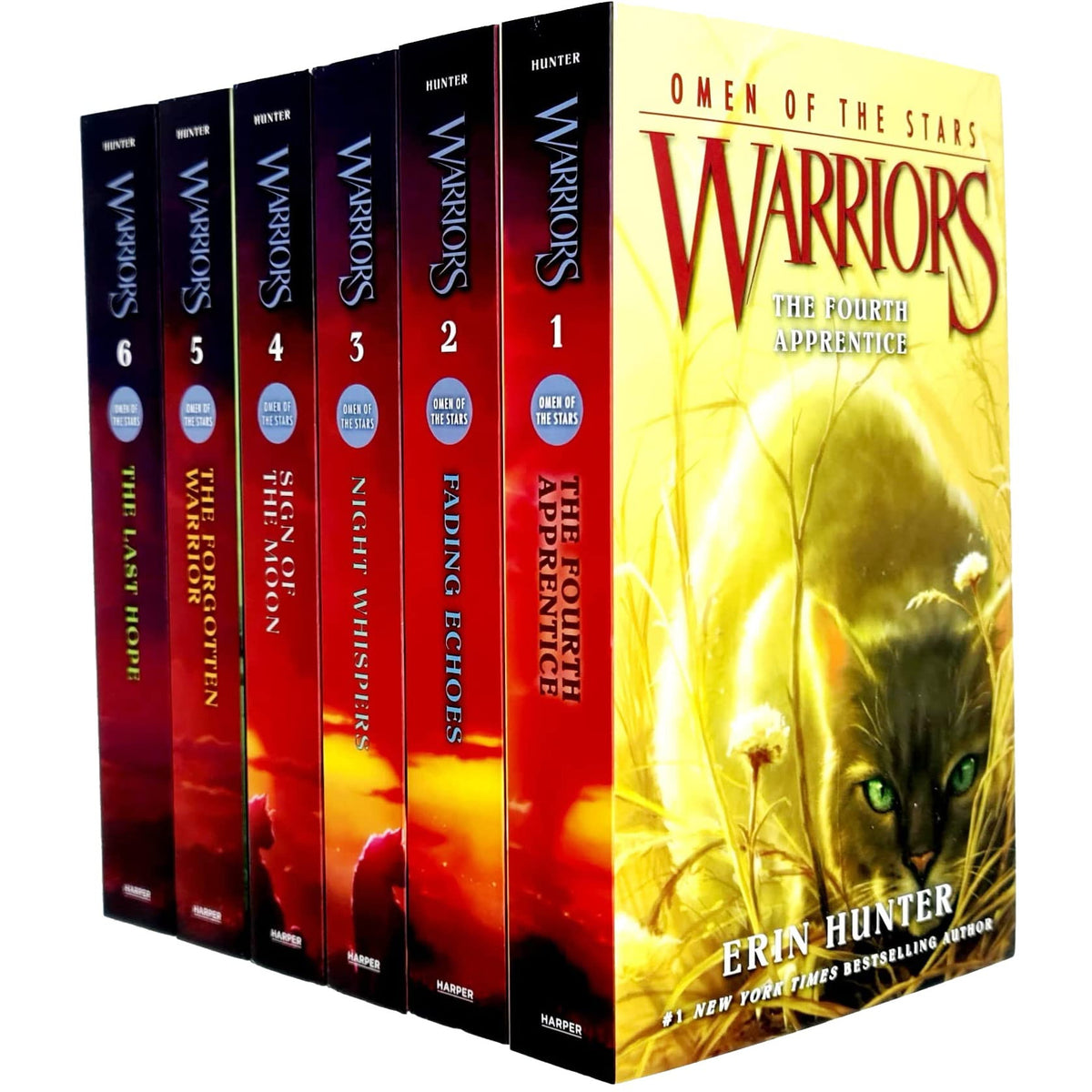
| Omen of the Stars | 2009 – 2012 | Concludes the Dark Forest conflict; resolves the prophecies of the three chosen cats. |
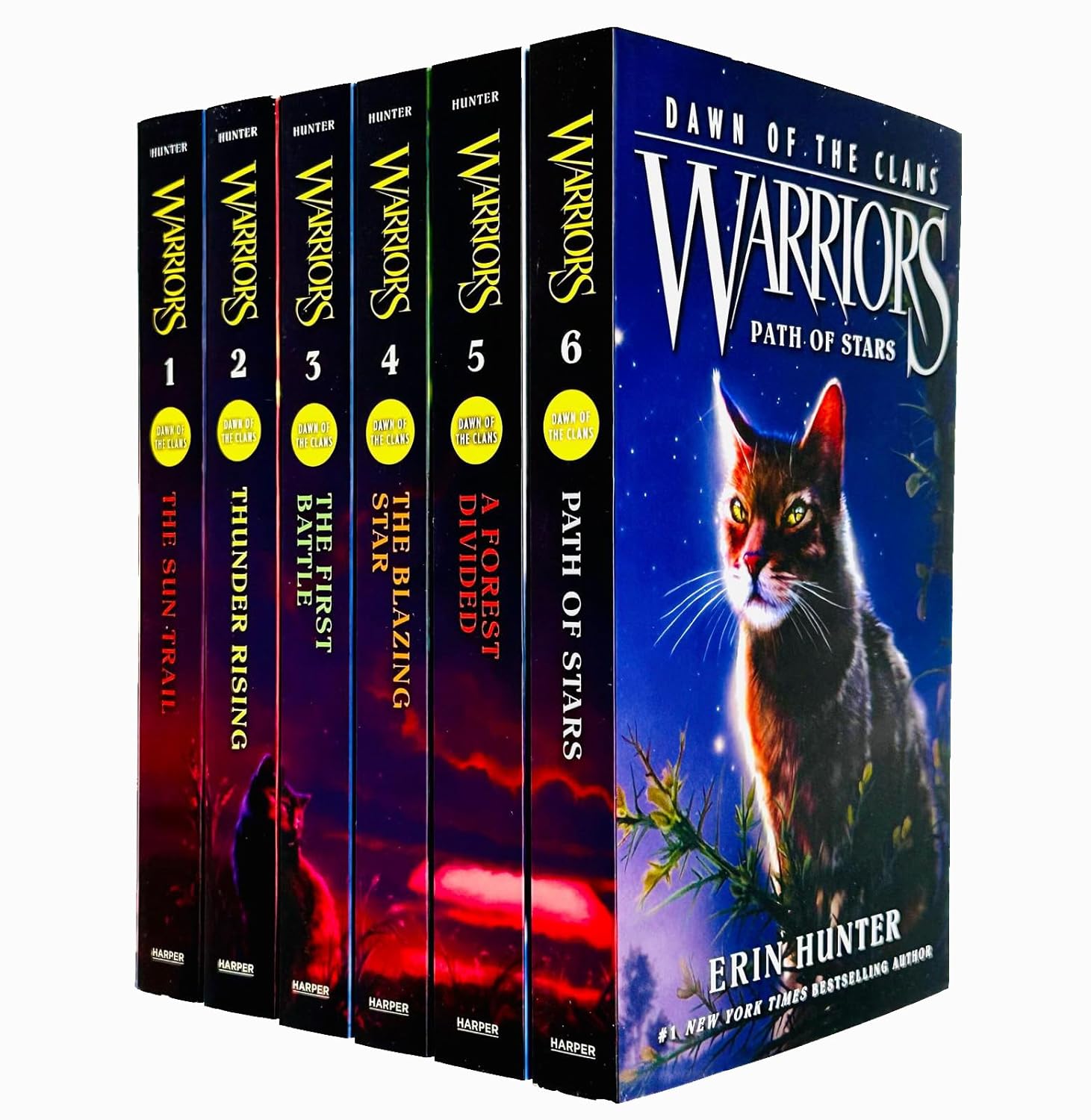
| Dawn of the Clans | 2013 – 2015 | A prequel arc exploring the origins of the original five clans and their journey from the mountains. |
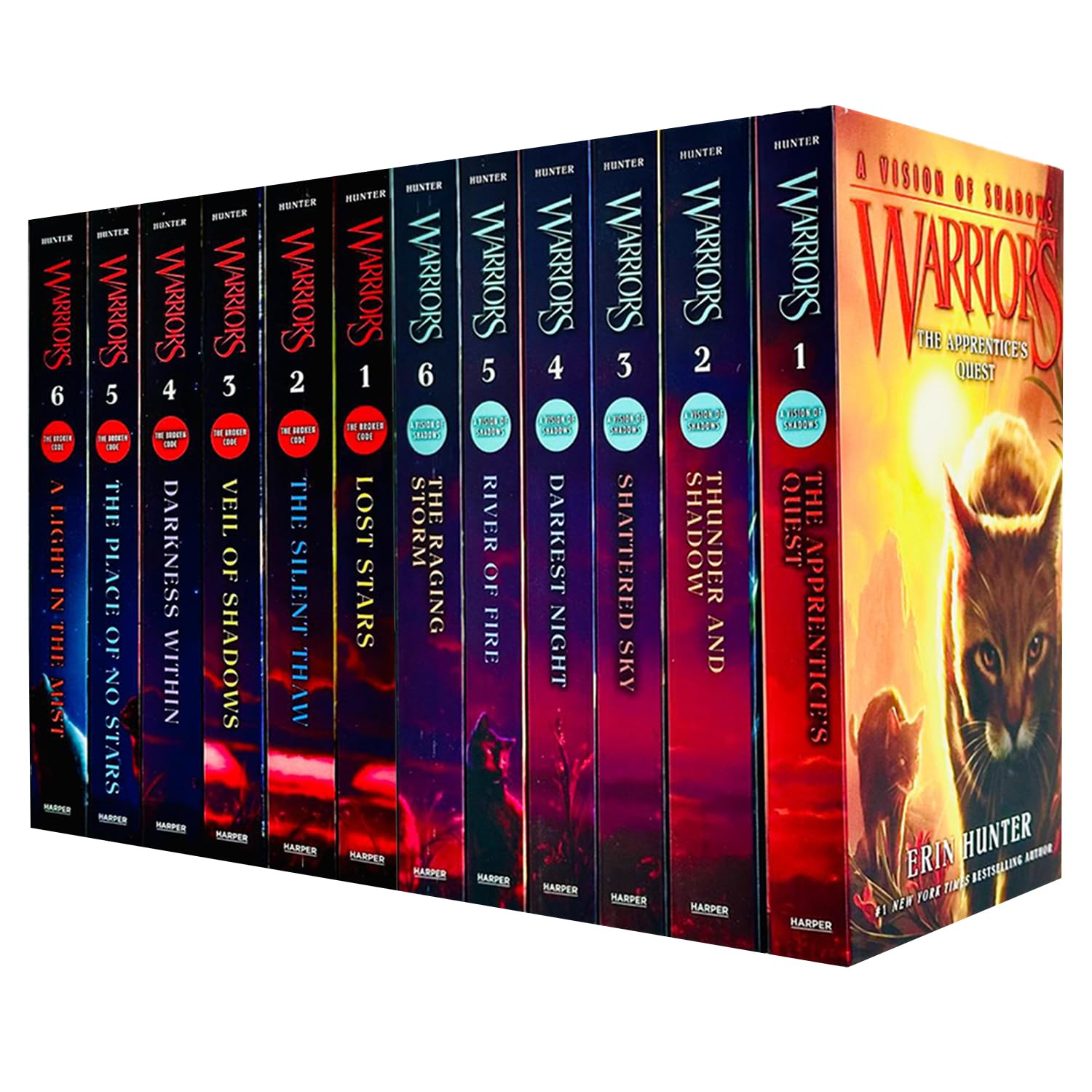
| A Vision of Shadows | 2016 – 2018 | Explores the integration of SkyClan into the lake territories and the threat of rogue groups. |
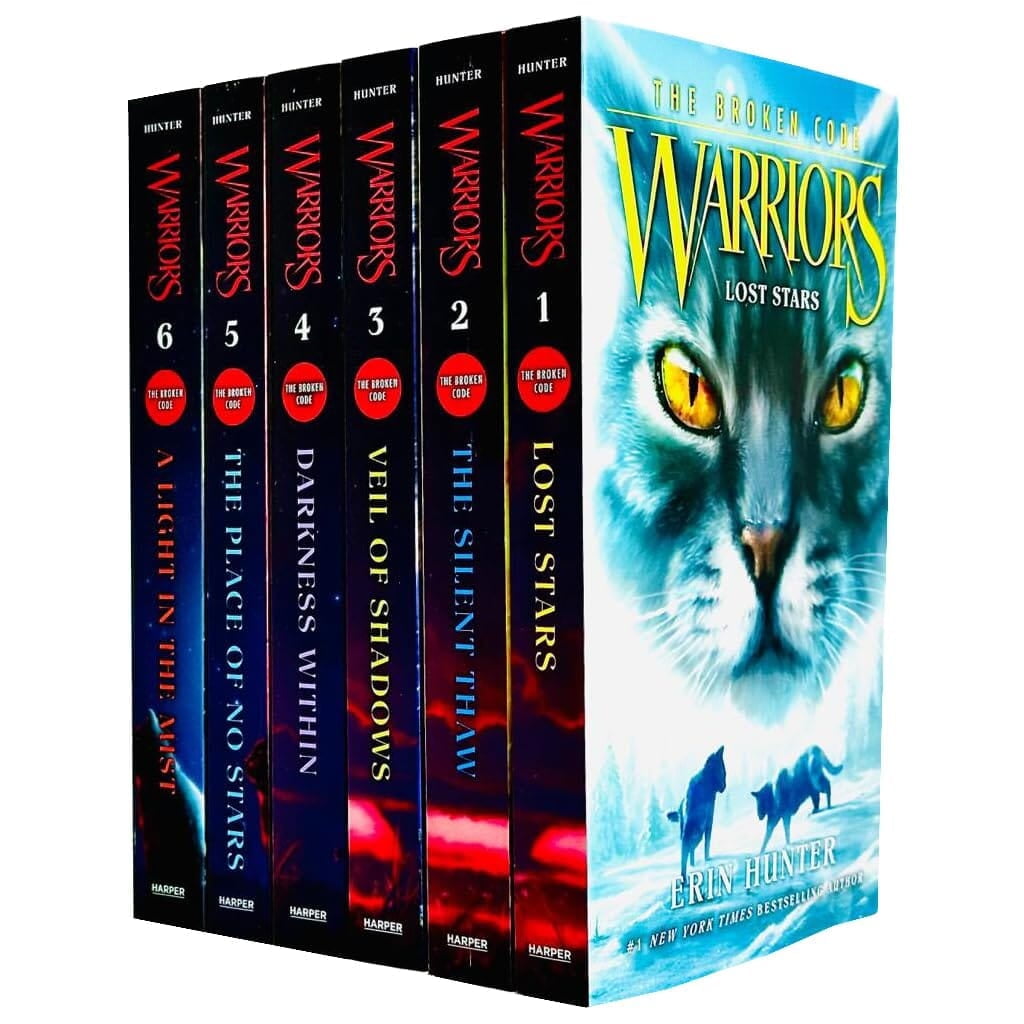
| The Broken Code | 2019 – 2021 | A supernatural mystery arc involving body-possession within ThunderClan's leadership. |
| A Starless Clan | 2022 – 2024 | Examines political instability across the clans following Mistystar's death and changing traditions. |
| Changing Skies | 2025 – Present | Explores contemporary ecological pressures and evolving clan borders in the lake territories. |
Beyond these core multi-volume arcs, the franchise has sustained continuous publication through standalone "Super Editions," companion novellas (released in collections like Tales from the Clans), manga, and full-color graphic novels. This dense publishing schedule ensures that new material enters the marketplace almost continuously, bridging the gaps between major multi-book arcs.
Evolution of Authorship and the Erin Hunter Pseudonym
A unique structural element of the Warrior Cats series is its collective authorship model. "Erin Hunter" is not a single person, but a collaborative brand name utilized by multiple writers who work under the editorial direction of Victoria Holmes (who managed the series for many years before stepping back) and later editors.
The original contributors included Kate Cary and Cherith Baldry, who drafted the bulk of the early novels, dividing the workload to meet demanding publishing schedules. Over the years, other authors joined the roster, including Tui T. Sutherland (who later created the Wings of Fire series), Inbali Iserles, and Rosie Best. This collaborative framework allowed the franchise to maintain a consistent output of multiple books per year without sacrificing narrative continuity, adhering to an internal "bible" of lore, cat anatomy, warrior code rules, and clan histories.
Maintaining stylistic uniformity across different writers required rigorous editorial oversight. The use of a collective pseudonym allowed readers to focus on the unified brand of the clans rather than individual writing styles, cementing Erin Hunter as a recognizable entity in middle-grade and young-adult fantasy literature.
Cultural Impact, Media Adaptations, and Readership
Over its 23-year history, Warrior Cats has transitioned from a traditional print book series into a multimedia intellectual property with a massive digital footprint. The fanbase—frequently referred to as the "Warrior Cats community"—has generated extensive fan art, fan fiction, animated tribute videos on platforms like YouTube, and interactive role-playing forums.
Efforts to bring the series to visual media have experienced various developmental phases. Notably, Alibaba Pictures acquired the film rights to produce a live-action/animation hybrid movie adaptation in 2016, though production updates have remained sparse, and the project has faced multiple structural delays. Despite the absence of a major motion picture, the literary property thrives purely on its publishing momentum, school library circulations, and strong digital book sales.
The target audience primarily spans middle-grade readers (ages 8–12) and young adults, though the books have retained an adult readership who grew up reading the 2003 releases. This multi-generational appeal explains the enduring commercial viability of the franchise, allowing it to adapt to changing publishing trends, including the transition toward full-color graphic novel adaptations of early arcs.
Common Questions and Practical Guidance for New Readers
Where should a new reader start the Warrior Cats series?
The standard and most recommended starting point is the very first book, Into the Wild (2003), belonging to The Prophecies Begin arc. Reading the books in publication order ensures that world-building rules, character deaths, and overarching plot twists unfold organically. Alternatively, readers can start with the prequel arc Dawn of the Clans, though most fans advise sticking to the original 2003 release order for maximum narrative impact.
How many books are in the entire Warrior Cats franchise?
As of 2026, the franchise encompasses well over 80 individual books, including main arc novels, standalone Super Editions, short story collections, and graphic novels. Keeping track of the reading order requires consulting official chronological guides published by HarperCollins, as sub-series and companion books often run concurrently with main arc events.
Is Warrior Cats appropriate for younger readers?
While the books are marketed toward middle-grade readers, they contain frequent depictions of fantasy violence, hunting, territorial battles, and character deaths. Parents and educators generally deem the content suitable for readers aged nine and older, though sensitive readers may find certain combat sequences and clan conflicts intense.
Why do the cats have different names throughout their lives?
In clan culture, cats receive a descriptive prefix as kits (e.g., Firekit), change their suffix to "-paw" when they begin training as apprentices, and receive a definitive warrior suffix (e.g., Fireheart or Firestar) upon earning full status or leadership. This naming convention reflects social status, job roles, and character growth within the clan hierarchy.
Summary and Next Actions for Exploring the Franchise
The Warrior Cats series stands as a major fixture in contemporary children's and young adult fantasy, maintaining its relevance for over two decades through consistent publishing and dedicated community engagement. Whether you are returning to the books from childhood or exploring the expansive lore for the first time, starting with Into the Wild (2003) remains the definitive entry point. To dive deeper, consult the official Erin Hunter website for comprehensive reading checklists and release schedules to navigate the sprawling bibliography successfully.
Image Gallery