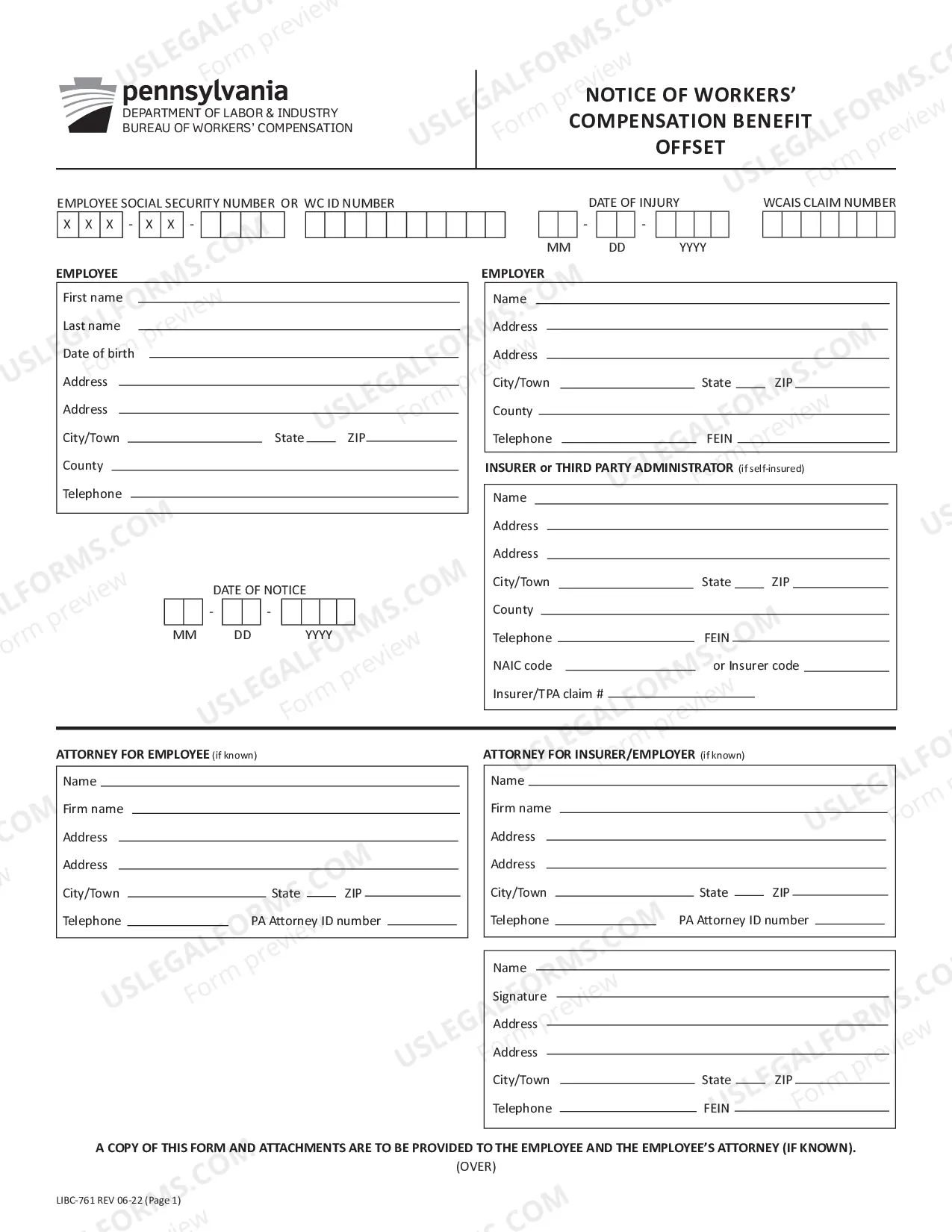
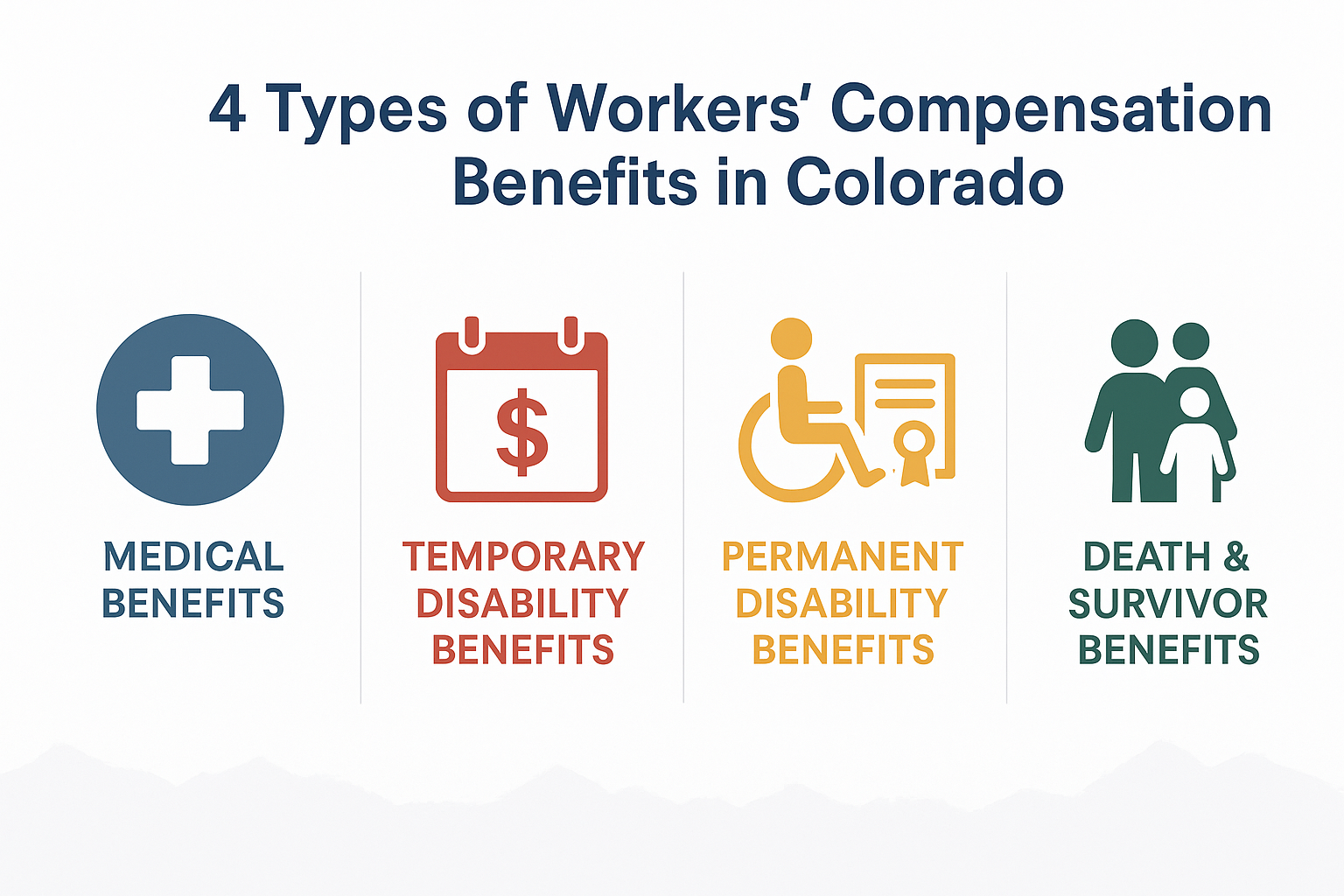
Understanding How the 42 USC Offset Workers Compensation Benefits Work
When an injured worker receives both Social Security Disability Insurance (SSDI) and state workers' compensation benefits, federal law enforces a reduction mechanism under Title 42 of the United States Code to prevent total combined pa...
When an injured worker receives both Social Security Disability Insurance (SSDI) and state workers' compensation benefits, federal law enforces a reduction mechanism under Title 42 of the United States Code to prevent total combined payments from exceeding pre-disability earnings levels.
Contents
Navigating the intersection of federal disability programs and state-administered workers' compensation requires a clear understanding of statutory formulas, maximum family benefit caps, and reporting obligations. Section 42 U.S.C. § 424a outlines the framework that the Social Security Administration (SSA) uses to coordinate these payments, ensuring that public disability funds are distributed equitably while protecting claimants from sudden financial destabilization.
The Statutory Framework of the Workers' Compensation Offset
The statutory basis for the offset lies within Section 224 of the Social Security Act, codified at 42 U.S.C. § 424a. Congress enacted this provision to eliminate the financial incentive for disabled workers to remain out of the workforce when combined public benefits might otherwise exceed their previous regular earnings. Without this offset, a severely injured worker could potentially receive more money through tax-free disability and compensation benefits than they earned while actively employed.
Under this framework, the Social Security Administration monitors concurrent receipt of SSDI and periodic workers' compensation or public disability benefits (PDB). If the total of these payments surpasses statutory thresholds, the SSA reduces the monthly SSDI payment.
It is vital to recognize that the offset applies only to SSDI benefits, not to Supplemental Security Income (SSI), which operates under entirely different financial resource and income rules. Furthermore, the offset is temporary; it terminates automatically when the worker reaches full retirement age, at which point the benefit converts to regular Social Security retirement, or when the underlying workers' compensation payments cease.
Calculating the Offset: The 80% Average Current Earnings Rule
The core mechanical principle governing the 42 U.S.C. offset is the 80% Average Current Earnings (ACE) rule. The SSA cannot reduce a claimant’s SSDI benefits arbitrarily. Instead, it must calculate a specific baseline representing the worker’s historical earnings before the onset of disability and apply a strict mathematical formula.
Determining Average Current Earnings (ACE)
The SSA calculates Average Current Earnings using one of three formulas, selecting the one that yields the highest baseline figure for the claimant:
- The High-Year Method: One-fifth (20%) of the total wages paid to the worker during the five consecutive calendar years after 1950 in which their earnings were highest.
- The High-Five Method: The average monthly wages earned during the period of five consecutive calendar years immediately preceding the year of disability onset.
- The High-Three Method: The average monthly earnings during the calendar year of disability onset and the prior year.
The Reduction Formula
Once the SSA establishes the ACE, it calculates 80% of that figure. The combined monthly total of the worker's SSDI benefits and their workers' compensation (or public disability) benefits cannot exceed this 80% ACE threshold.
If the combined total exceeds 80% of the ACE, the excess amount is subtracted directly from the monthly SSDI payment. However, federal law mandates that the reduced SSDI benefit cannot be lower than the amount it would be without the offset, meaning the offset can never reduce the SSDI payment below zero, even if the state workers' compensation benefit is exceptionally high.
| Component | Description | Calculation Basis |
|---|---|---|
| Average Current Earnings (ACE) | Historical earnings baseline | Highest of three statutory calculation methods |
| 80% Threshold | Maximum allowable combined public benefit | $0.80 \times \text{ACE}$ |
| Workers' Compensation Payment | Periodic state-level wage replacement | Actual periodic benefit received |
| SSDI Benefit | Federal disability insurance payment | Primary Insurance Amount (PIA) before offset |
| Offset Reduction Amount | Excess amount deducted from SSDI | $(\text{SSDI} + \text{WC}) - (0.80 \times \text{ACE})$ |
Periodic Benefits Versus Lump-Sum Settlements
The administrative handling of workers' compensation changes significantly depending on whether the injured worker receives periodic weekly or monthly payments versus a lump-sum settlement. The SSA applies specific amortization rules to lump sums to ensure that the offset continues to apply fairly over the expected duration of the disability.
Periodic Weekly or Monthly Payments
When a claimant receives regular, periodic workers' compensation checks alongside monthly SSDI, calculating the offset is straightforward. The SSA matches the periodic payment schedules, updates the records when state benefit amounts change, and adjusts the monthly SSDI withholding accordingly.
Lump-Sum Structured Settlements
Many workers' compensation cases conclude with a lump-sum compromise and release agreement. To apply the 42 U.S.C. offset, the SSA does not simply ignore the lump sum; instead, it "prorates" or amortizes the total settlement amount.
The SSA converts the lump sum into a periodic monthly rate. This proration is typically calculated based on:
- The weekly workers' compensation rate the worker would have received if they had not settled.
- Life expectancy tables provided by actuarial guidelines.
- Specific allocations within the settlement agreement for medical expenses, legal fees, and future medical care.
Properly structuring a settlement agreement is critical. Allocating specific portions of a lump sum to documented past and future medical expenses, attorney fees, and litigation costs can reduce the portion of the settlement subject to the SSA offset calculation. Failing to itemize these expenses properly often leads the SSA to treat the entire gross lump sum as a wage replacement benefit, triggering a steep SSDI reduction.
Exceptions, Exclusions, and Reductions of the Offset
Not all state-level disability benefits or components of a workers' compensation settlement trigger the 42 U.S.C. offset. Understanding these statutory carve-outs allows claimants and legal counsel to protect vital disability income.
Medical Expenses and Legal Fees
Money designated specifically for medical treatment, hospital bills, physical therapy, and prescription drugs is entirely exempt from the offset calculation. Similarly, reasonable attorney fees and legal expenses incurred to secure the workers' compensation award are deducted from the gross settlement before the SSA calculates the prorated monthly offset rate.
Private Disability and Veteran Benefits
Private disability insurance policies—such as long-term disability (LTD) coverage purchased independently or through an employer-funded group plan—do not trigger the 42 U.S.C. § 424a offset because they are not "public" disability benefits. Additionally, Department of Veterans Affairs (VA) disability compensation for service-connected conditions is exempt from the Social Security workers' compensation offset.
State-Specific Offsets in Reverse-Offset States
Certain states enforce their own workers' compensation offsets, known as "reverse offset" states. In these jurisdictions, state law allows the workers' compensation board to reduce the state benefit because the worker is receiving SSDI, rather than the federal government reducing the SSDI benefit. When a state has an approved reverse-offset plan, the federal offset under 42 U.S.C. § 424a does not apply, preventing double-reduction scenarios.
Reporting Obligations and Overpayment Risks
Receiving concurrent SSDI and workers' compensation benefits carries strict affirmative reporting duties. Claimants are legally required to notify the Social Security Administration immediately upon filing for workers' compensation, settling a claim, or experiencing any change in their periodic benefit amounts.
The Danger of Overpayments
If a claimant fails to report workers' compensation awards promptly, the SSA will continue paying unreduced SSDI benefits. Once the agency discovers the concurrent receipt—often through state data-sharing agreements or periodic reviews—it will calculate the retroactive offset and issue a formal notice of overpayment.
These overpayments often accumulate into tens of thousands of dollars over several months or years. While the SSA permits beneficiaries to request a waiver of overpayment if they are without fault and repayment would defeat the purpose of Title II or be against equity and good conscience, securing a waiver requires extensive documentation and can create severe financial stress.
Frequently Asked Questions
Does the 42 USC offset apply to my Supplemental Security Income (SSI) benefits?
No. The offset mandated by 42 U.S.C. § 424a applies exclusively to Social Security Disability Insurance (SSDI) benefits, which are based on earnings history. Supplemental Security Income (SSI) is a needs-based program governed by different income and resource rules, though workers' compensation benefits are still counted as unearned income for SSI eligibility purposes.
Can my attorney fees reduce the impact of the workers' compensation offset?
Yes. When the SSA calculates the proration rate for a lump-sum workers' compensation settlement, allowable legal fees and litigation costs are subtracted from the gross settlement amount. This reduces the net figure used to determine the monthly offset rate against your SSDI benefits.
What happens to the offset when I reach retirement age?
The workers' compensation offset under 42 U.S.C. § 424a terminates automatically when the beneficiary reaches full retirement age (currently between 66 and 67, depending on birth year). At that point, the SSDI benefit converts to a standard Social Security retirement benefit, and state workers' compensation no longer impacts the monthly federal payment.
How does the SSA find out about my workers' compensation settlement?
The Social Security Administration cross-references state and federal databases, workers' compensation board records, and insurance reporting systems. Furthermore, standard SSDI reporting rules require beneficiaries to sign consent forms and update the agency whenever they receive or apply for other public disability benefits.
Can the offset reduce my SSDI check to zero dollars?
No. While the offset can significantly reduce monthly SSDI payments if state workers' compensation benefits are very high, federal regulations stipulate that the reduction cannot push the net SSDI benefit below zero. The claimant will always receive at least the remaining balance, or the calculation will result in a zero SSDI reduction if the formula dictates.
Practical Next Steps for Claimants
Managing concurrent disability claims requires proactive coordination between state-level attorneys and federal benefit administrators. If you are currently navigating a workers' compensation claim while receiving or applying for SSDI, take the following steps to protect your financial stability:
- Consult Specialized Counsel: Ensure your workers' compensation attorney works in coordination with a qualified social security disability representative to structure any lump-sum settlement properly.
- Itemize Settlement Agreements: Ensure that all compromise and release documents explicitly separate past and future medical expenses, attorney fees, and wage-loss components.
- Report Changes Immediately: Notify your local Social Security office in writing within ten days of any change in workers' compensation status, settlement finalization, or adjustment in periodic payment amounts to prevent catastrophic overpayment notices.
Image Gallery