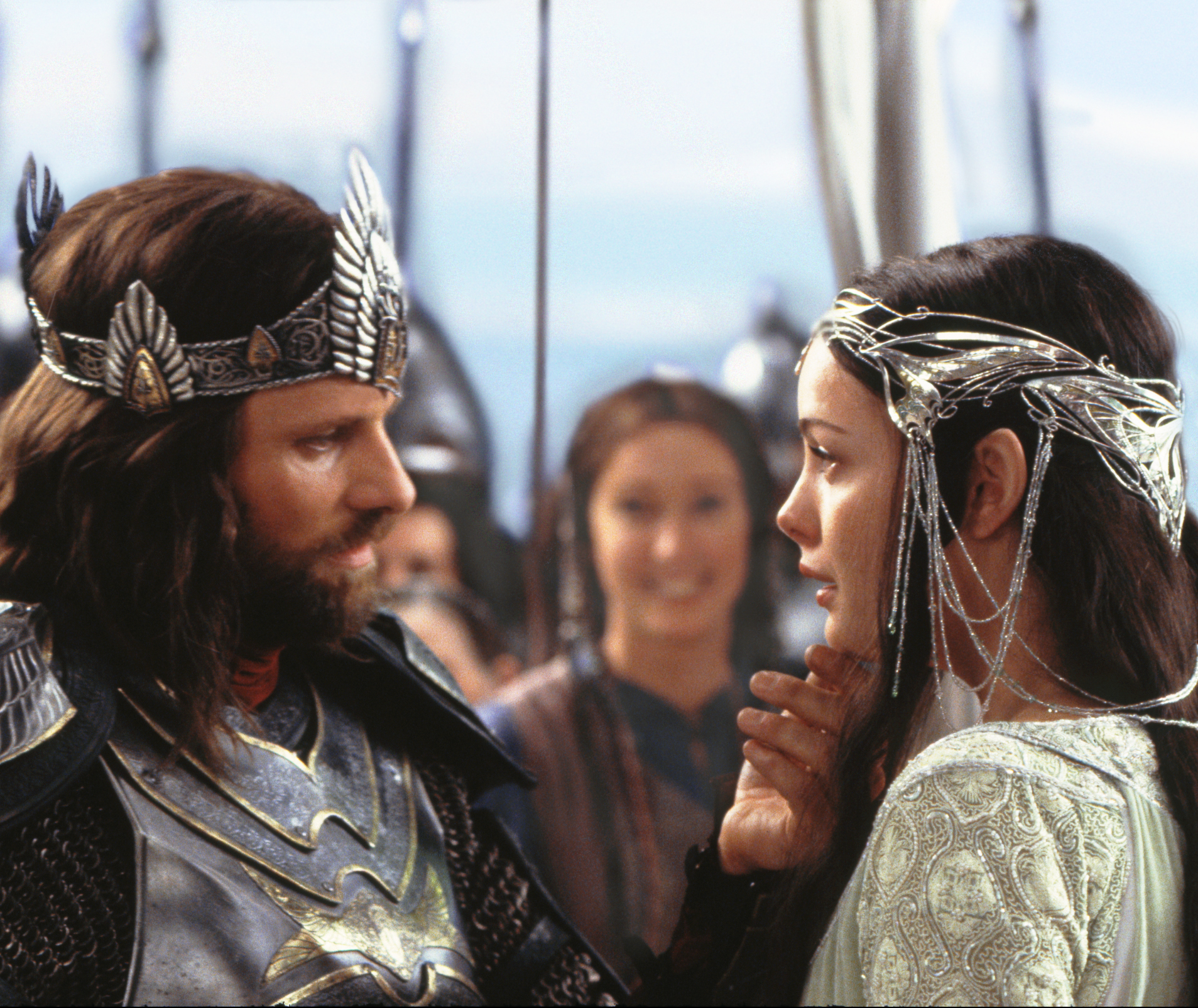
The Young Aragorn in Middle-earth: The Making of a King
The early life of Aragorn, son of Arathorn, defines his transformation from an orphaned Dunadan exile into Elessar, the King of Gondor and Arnor. Raised in secret in Rivendell under the protection of Elrond, the young Aragorn—known the...
The early life of Aragorn, son of Arathorn, defines his transformation from an orphaned Dunadan exile into Elessar, the King of Gondor and Arnor. Raised in secret in Rivendell under the protection of Elrond, the young Aragorn—known then as Estel—spent his formative years learning lore, statecraft, and survival before embracing his true lineage as Chieftain of the Dúnedain and walking the vast wild of Middle-earth.
Contents
The Heritage and Shattered Lineage of the Dúnedain
The journey of the young Aragorn begins long before his birth, rooted in the tragic decline of the North-kingdom of Arnor. Following the destruction of Arthedain at the hands of the Witch-king of Angmar, the royal line of Isildur did not perish outright, but went into concealment. The heirs of Isildur became the Chieftains of the Dúnedain, a dwindling, secretive folk wandering the wild lands of Eriador. They guarded the remnants of civilization from orcs, trolls, and lingering evils while remaining largely unnoticed by the common inhabitants of Middle-earth, such as the Shire-folk and the Men of Bree.
Aragorn’s father, Arathorn II, was slain by orcs when Aragorn was merely two years old. Recognizing the immense peril facing the young heir to the throne of Elendil—as Sauron’s shadow began to stretch toward Rivendell and Dol Guldur—Arathorn’s widow, Gilraen, took her infant son to the Hidden Valley of Rivendell. There, Elrond Half-elven received them, taking the child into his household as a foster son. To protect him from assassins and the servants of the Dark Lord who hunted the surviving bloodline of Isildur, his true identity was concealed. He was given the name Estel, which translates to "Hope" in Sindarin, and he grew up entirely unaware of his royal heritage for the first twenty years of his life.
Fostering in Rivendell: Lore, Arms, and Wisdom
Growing up in the Last Homely House East of the Sea provided Aragorn with an elite, multidisciplinary education unavailable to almost any other mortal living in the Third Age. Under the direct tutelage and watchful eye of Elrond, the young Estel received instruction in multiple languages, including Sindarin, Quenya, and the Westron tongue, alongside the histories of the First and Second Ages. Elrond instilled in him a profound understanding of the ancient enmity between the Free Peoples and Sauron, ensuring the boy understood the geopolitical landscape of Middle-earth long before he ever drew a blade in earnest.
Physical training matched this intellectual rigor. Aragorn was trained in the use of various weapons, horsemanship, and forest survival. Elrond did not merely prepare him to be a warrior; he prepared him to bear the psychological and spiritual burdens of leadership. Life in Rivendell also brought Aragorn into contact with high elven culture, shaping his deep reverence for nature, music, and the Valar. This upbringing cultivated a rare dual perspective in the young man: he possessed the physical resilience and practical survival skills of a Northern ranger combined with the philosophical depth, grace, and wisdom of the Elves of Rivendell.
| Developmental Stage | Location | Primary Focus | Key Influences |
|---|---|---|---|
| Early Childhood (Ages 0–20) | Rivendell | Lore, languages, combat training, concealment | Elrond, Gilraen |
| The Awakening (Age 20) | Rivendell / The Wild | Revelation of heritage, meeting Arwen | Elrond, Arwen Undómiel |
| Years of Exile (Ages 20–approx. 80) | Eriador, Rohan, Gondor | Ranger captaincy, warfare, undercover service | The Dúnedain, Thandruil, The Grey Company |
The Revelation of Destiny and the Encounter with Arwen
The turning point in Aragorn’s youth occurred in his twentieth year. Having returned from a long journey into the wild, Elrond summoned him and revealed his true name and lineage. He was presented with the shards of Narsil—the legendary sword of Elendil that had cut the One Ring from Sauron’s hand—along with the Ring of Barahir. This revelation transformed the young man’s self-perception from an orphan foster-child of Rivendell into the rightful heir of the kingdoms of Arnor and Gondor.
It was also during this period, shortly after learning his true identity, that Aragorn first encountered Arwen Undómiel, Elrond’s daughter, who had just returned from dwelling among her mother’s kin in Lórien. Walking beneath the trees of Rivendell, he initially mistook her for Lúthien Tinúviel returned from the dead. Aragorn fell deeply in love with her at first sight. However, Elrond set a formidable condition for their union: Aragorn must first achieve the kingship of both Gondor and Arnor before Arwen could choose to bind her mortal fate to his and give up her elven immortality. This oath became a primary driving force behind Aragorn’s decades of hardship, warfare, and wandering across Middle-earth.
Life as a Ranger of the North
Armed with his heritage and a renewed sense of purpose, Aragorn left the safety of Rivendell shortly after his twentieth year to live the harsh life of a Ranger. As Chieftain of the Dúnedain, he led the remaining Dunedain rangers in patrolling Eriador, guarding the borders of the Shire and Bree-land against malicious forces. This period of his life spanned nearly six decades of relentless travel, exposure to the elements, and tactical combat.
During these decades of obscurity, Aragorn did not limit his travels to the North. Seeking experience in the wider world and knowledge of the lands he would one day rule, he undertook long and perilous journeys under assumed names—calling himself Thorongil ("Eagle of the Star") in his later travels. He served in the armies of King Thengel of Rohan (father of Théoden) and subsequently traveled south to the realm of Gondor, serving the Steward Ecthelion II under disguise. As Thorongil, he earned great renown, winning the trust of the Steward and leading a daring naval raid on Umbar that crippled the fleet of the Corsairs. Despite his success and popularity among the people of Gondor, he abruptly departed before claiming high office, choosing to return to the North to continue his lonely vigil in the wild.
Comprehensive Comparison: The Two Phases of Aragorn’s Youth
To understand the complete evolution of the character, it is helpful to contrast his sheltered upbringing with his active years in the field.
| Feature | Rivendell Phase (Estel) | Ranger & Exile Phase (Thorongil / Strider) |
|---|---|---|
| Primary Environment | Protected valley, libraries, training yards | Wilderness, camps, foreign military courts |
| Core Activities | Studying history, languages, and combat | Scouting, border defense, mercenary service, stealth |
| Identity Awareness | Kept secret until age 20 | Fully conscious of royal lineage and destiny |
| Social Interaction | High Elves, Elrond, Glorfindel | Dúnedain rangers, common folk, foreign soldiers |
| Strategic Objective | Personal mastery and preparation | Protecting Eriador and studying South-kingdom politics |
Frequently Asked Questions
Why was Aragorn named Estel when he was young?
Aragorn was named Estel, which means "Hope" in Sindarin, to conceal his true identity from Sauron's spies and assassins. Following the death of his father Arathorn, his mother brought him to Rivendell, where keeping his royal heritage hidden under an alias was essential for his survival until he reached adulthood.
How old was Aragorn when he met Arwen?
Aragorn was twenty years old when he met Arwen. He had just returned from the wild, and Elrond had revealed his true lineage to him as the heir of Isildur. When he saw Arwen walking in the woods of Rivendell, he immediately fell in love with her.
What names did Aragorn use before becoming King Elessar?
Throughout his long youth and adulthood before claiming the crown, Aragorn used several names. He was called Estel in his childhood, Strider (Telcontar) by the inhabitants of Bree and the Wild, and Thorongil ("Eagle of the Star") when he served incognito in Rohan and Gondor.
Did Aragorn fight in the armies of Gondor before the War of the Ring?
Yes. Decades before the events of The Lord of the Rings, Aragorn traveled south into Gondor under the alias Thorongil. He served the reigning Steward, Ecthelion II, won great renown as a commander, and famously led a successful amphibious assault against the Corsairs of Umbar.
What condition did Elrond place on Aragorn marrying Arwen?
Elrond stipulated that Aragorn could only marry Arwen if he achieved the high kingship of both Gondor and Arnor. Because Arwen was an immortal Elf, choosing to marry Aragorn meant choosing mortality, a sacrifice Elrond wanted justified by a truly restored and unified kingdom.
Practical Next Steps for Readers and Enthusiasts
To deepen your understanding of the young Aragorn beyond the narrative summaries, consult primary source texts written by J.R.R. Tolkien. Start by examining Appendix A ("Annals of the Kings and Rulers") and Appendix B ("The Tale of Years") in the third volume of The Lord of the Rings. For further elaboration on his early life, background lore, and the history of the Dúnedain, read The Silmarillion and the relevant essays collected in Unfinished Tales of Númenor and Middle-earth.
Image Gallery