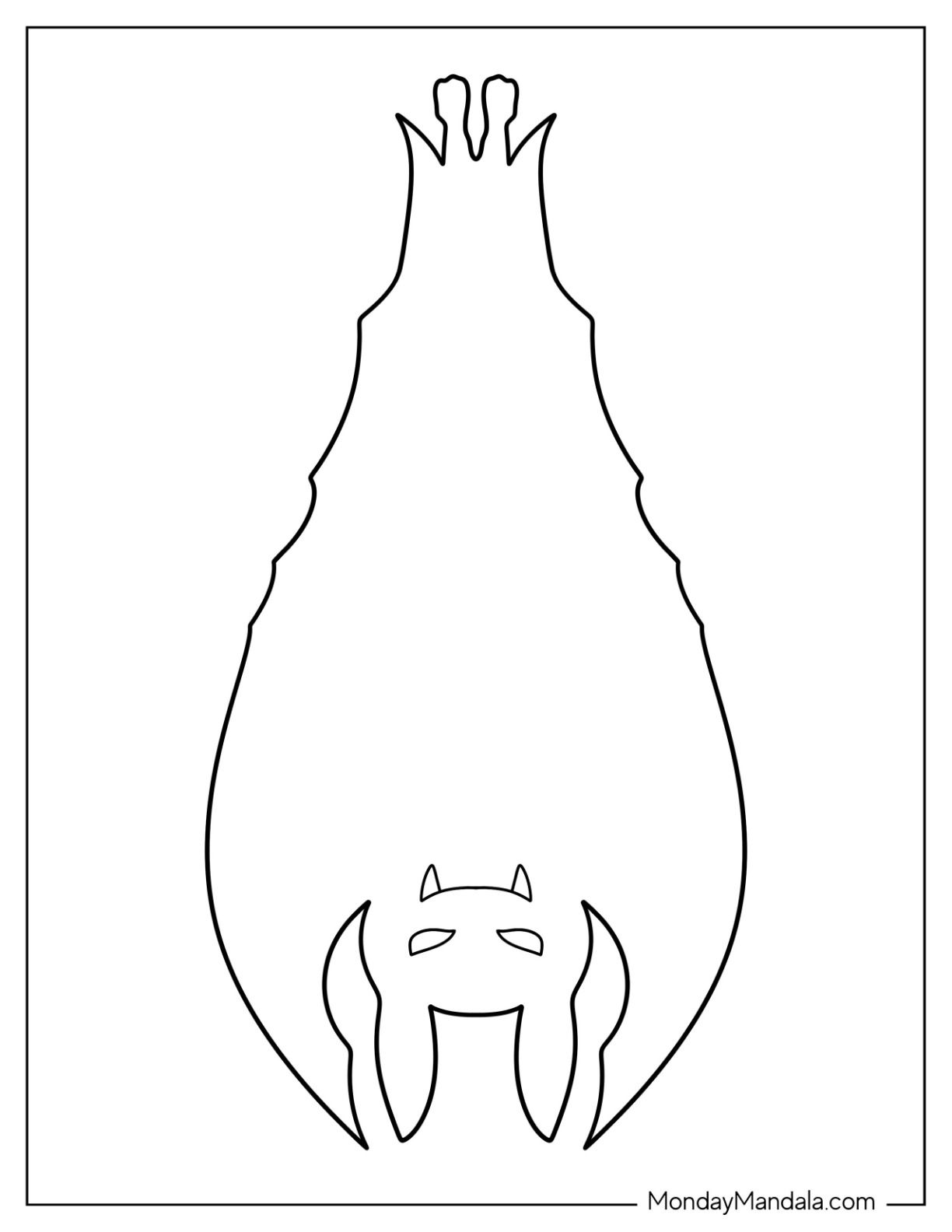
The Complete Guide to Using a Bat Template Printable PDF for Crafts and Projects
A bat template printable pdf provides crafters, educators, and DIY enthusiasts with an immediate, scalable outline of a bat silhouette that can be printed, cut out, and used as a stencil for Halloween decor, classroom activities, or th...
A bat template printable pdf provides crafters, educators, and DIY enthusiasts with an immediate, scalable outline of a bat silhouette that can be printed, cut out, and used as a stencil for Halloween decor, classroom activities, or themed party planning.
Contents
Finding the right visual aid or stencil for seasonal crafting can save hours of freehand drawing and ensure clean, professional results. Whether you are preparing classroom decorations for an autumn bulletin board, designing invitations for a Halloween party, or engaging children in creative arts and crafts, a bat template printable pdf serves as a foundational resource. These digital files eliminate the trial and error of sketching symmetrical wings and sharp ears by hand, allowing you to focus on the execution of your project, whether that involves cutting out heavy cardstock, tracing onto felt, or painting windows.
Understanding how to source, scale, print, and utilize these digital templates ensures that your finished project meets your aesthetic and structural standards. This guide covers the technical specifications of printable bat outlines, file formats, scaling techniques, material selection, step-by-step application instructions, and troubleshooting common printing errors.
Understanding Bat Template Printable PDF Formats
Before downloading or printing a crafting template, it helps to understand why the Portable Document Format (PDF) is the industry standard for these resources. Unlike standard image files like JPEGs or PNGs, PDFs encapsulate vector-based or high-resolution raster data that maintains structural integrity across different operating systems and printer models.
Why PDF is Preferred Over Image Formats
When you download a bat silhouette saved as a JPEG, enlarging the image often introduces pixelation, resulting in jagged, fuzzy edges along the wings and ears. A well-optimized PDF maintains crisp vector paths. Even when scaled up to fit a large poster board or scaled down to fit a miniature greeting card, the boundary lines remain sharp. This precision is critical when the template is intended to be used as a physical stencil for tracing or direct cutting.
Anatomy of a Quality Printable Template
A reliable bat template file typically includes several specific design elements:
- True-to-Scale Dimensions: Standard files are formatted for Letter (8.5 x 11 inches) or A4 paper, ensuring they fit standard home printers without requiring specialized paper sizes.
- Line Weight and Contrast: High-contrast, solid black outlines or thick gray boundary lines make it easy to see where scissors or craft knives should travel.
- Multiple Sizes on a Single Sheet: Efficient templates feature a range of sizes—from small 2-inch bats suitable for confetti or table scatter to large full-page templates that occupy an entire sheet of paper.
Sizing, Scaling, and Printer Settings
Achieving the desired output size requires careful attention to your printer's dialogue settings. Incorrect scaling is the most common reason why crafters end up with templates that are too small for their intended project or cut off at the margins.
Adjusting Print Scale Settings
When opening your bat template printable pdf in a PDF reader such as Adobe Acrobat Reader, Preview, or a web browser, look closely at the print settings window.
- Actual Size (100%): Select this option if you want the bat to print at the exact dimensions specified by the designer.
- Fit to Page: Use this with caution. If the original document has built-in margins, "Fit to Page" may inadvertently shrink the bat slightly. However, if you are trying to scale a standard bat to fill the maximum printable area of a ledger or legal sheet, "Fit to Page" or custom scaling percentages can be adjusted.
- Custom Percentage: If you need a specific wingspan—for example, exactly 6 inches across—you may need to calculate the scaling percentage relative to the original document size.
Paper Weight and Media Selection
The medium you print your template onto depends entirely on how you plan to use it:
- Standard Copy Paper (20 lb to 24 lb): Ideal if you plan to tape the paper template directly to your final crafting material and cut through both layers simultaneously.
- Cardstock (65 lb to 110 lb): Essential if the printed sheet is the final template you will trace around repeatedly with a pencil or chalk. Cardstock resists tearing and curling during the tracing process.
- Full-Sheet Sticker Paper: Highly useful for intricate projects. Printing directly onto adhesive sticker paper allows you to peel the backing and stick the bat outline straight onto wood, acrylic, or fabric without needing pins or tape.
| Paper Type | Weight Range | Best Primary Use Case | Durability Level |
|---|---|---|---|
| Standard Copy Paper | 20 lb – 24 lb | Temporary templates, paper chains, direct cutting | Low |
| Cardstock | 65 lb – 110 lb | Reusable physical stencils, heavy tracing, classroom displays | Moderate to High |
| Sticker Paper | Varies | Direct adhesion to wood, metal, glass, or fabric surfaces | Moderate |
| Clear Acetate Sheets | Varies | Professional stenciling, repeated paint applications | High |
Step-by-Step Guide to Using Bat Templates for Crafts
Once you have successfully printed and verified your bat template, the crafting process can begin. Following a structured workflow ensures clean cuts and minimizes wasted materials.
Step 1: Selection and Printing
Download your chosen PDF file from a reputable resource. Check the print preview to ensure all wings, ears, and hanging hooks (if applicable) fall well within the printable margins. Print your template onto the appropriate paper weight based on your project requirements.
Step 2: Rough Cutting
Before diving into the fine details of curved wingtips and pointed ears, use standard household scissors to cut a rough bounding box around each bat. Eliminating excess paper makes it much easier to manipulate the material during precision cutting.
Step 3: Precision Cutting or Tracing
- For Paper Crafts: If the final product is made of paper, staple or paperclip the printed template to your colored construction paper or cardstock. Cut through both layers simultaneously to avoid transferring pencil marks.
- For Stenciling: If you are using cardstock as a stencil, carefully cut out the bat shape. Save the negative space (the paper around the bat) if you plan to use it as a mask for spray painting or sponge painting. Save the positive space (the bat silhouette itself) if you plan to trace around it.
Step 4: Application and Assembly
Attach your cutouts to your display surface using double-sided tape, adhesive putty, or hot glue. For 3D wall displays, gently crease the center body of the bat along a vertical fold line, allowing the wings to angle outward for a dynamic, flying effect.
Project Ideas and Variations
A bat silhouette is remarkably versatile. Beyond traditional flat wall decorations, several creative applications maximize the utility of a standard printable template.
1. 3D Wall Swarms
By printing multiple sizes of bats—small, medium, and large—you can create a cascading swarm across a living room accent wall or fireplace mantel. Folding the wings slightly upward before affixing them with removable adhesive dots creates shadows that add depth and realism to the display.
2. Fabric Appliques and Felt Ornaments
Pin your cardstock template onto sheets of black felt, faux leather, or heavy cotton. Cut out the shapes using sharp fabric shears. These fabric bats can be stitched onto throw pillows, strung together as a garland using embroidery floss, or stuffed lightly with polyester fiberfill to create hanging plush ornaments.
3. Window Silhouettes and Stained Glass Effects
Trace your bat template onto black poster board, cut out the interior, and back the open spaces with colored tissue paper or translucent cellophane. When hung in a sunlit window, these silhouettes produce a stained-glass glow that works well for seasonal window displays.
Common Mistakes and Troubleshooting
Even simple crafting tasks can encounter hurdles. Reviewing these common pitfalls helps ensure a smooth project execution.
- Proportional Distortion: If your printed bat appears stretched horizontally or vertically, check your printer driver settings to ensure "Auto-Rotate and Center" or "Scale to Fit" is not conflicting with your PDF reader's native layout engine. Always print a single test page before committing a full ream of expensive cardstock.
- Fuzzy Edges on Traced Lines: Dull scissors or tearing paper can leave rough edges that translate poorly onto your final material. Always use sharp craft scissors or a precision hobby knife (such as an X-Acto knife) on a self-healing cutting mat when working with intricate curves.
- Adhesive Residue: When hanging paper bats on painted walls, choose removable mounting putty or low-tack artist tape to prevent peeling paint upon removal.
Frequently Asked Questions
Can I resize a bat template printable pdf without losing quality?
Yes. Because PDFs utilize vector-based rendering for their line art, you can scale them up or down significantly within your print settings or design software without experiencing the pixelation common in standard bitmap images.
What is the best tool for cutting out intricate bat wing details?
For tight corners and sharp points along the wings and ears, a precision hobby knife paired with a metal ruler and a self-healing cutting mat yields much cleaner results than standard household scissors.
How do I make paper bats stick to brick or textured walls?
Standard tape often fails on textured surfaces. Instead, use heavy-duty mounting putty, double-sided outdoor mounting tape, or hot glue applied carefully to ensure a secure bond without damaging the underlying surface.
Are these printable templates free for commercial use?
Licensing terms vary depending on the specific website or creator providing the file. Always review the terms of use associated with the download; most public-domain or educational printables are free for personal and classroom use but require commercial licensing for resale products.
Next Actions
To begin your project, locate a verified, high-resolution bat template printable pdf, load your printer with the appropriate grade of cardstock or paper, verify your scale settings to 100%, and execute a test print to confirm dimensions before completing your batch cuts.
Image Gallery