The Farewell Season: Ellen Ended After 19 Years
The historic conclusion of The Ellen DeGeneres Show in May 2022 marked the end of a 19-year run that reshaped daytime television, pop culture, and the comedian's career trajectory. Throughout nearly two decades on air, the program amas...
The historic conclusion of The Ellen DeGeneres Show in May 2022 marked the end of a 19-year run that reshaped daytime television, pop culture, and the comedian's career trajectory. Throughout nearly two decades on air, the program amassed thousands of episodes, numerous accolades, and a distinct cultural footprint defined by dance breaks, celebrity interviews, and philanthropic surprises.
Contents
The Genesis and Evolution of The Ellen DeGeneres Show
When The Ellen DeGeneres Show premiered in September 2003, the daytime television landscape was largely dominated by traditional talk formats, conservative interview styles, and tabloid-driven drama. Ellen DeGeneres introduced a distinctly lighter, music-driven format that immediately set her program apart. Opening every episode with an energetic dance through the studio audience, DeGeneres established a warm, upbeat tone that invited viewers into a living room-style environment.
During its first decade, the show grew from a risky venture for syndicator Telepictures and NBCUniversal into an absolute powerhouse. DeGeneres leveraged her background as a pioneering stand-up comedian and sitcom star to attract high-profile guests who often let down their guard. The program's evolution mirrored shifts in media consumption, transitioning from traditional broadcast television clips to viral digital content. Segments featuring hidden camera pranks, terrifying celebrity guests in haunted houses, and massive audience giveaways quickly became viral sensations across emerging platforms like YouTube and Facebook.
However, the journey was not without significant shifts in production scale and industry positioning. Over 19 seasons, the show secured dozens of Daytime Emmy Awards, breaking records for Outstanding Talk Show and Outstanding Talk Show Host. The program became a premier promotional stop for Hollywood actors, musicians, and politicians, cementing DeGeneres as one of the most influential figures in American entertainment.
Deciding to Conclude: The 19-Season Milestone
The announcement that season 19 would be the final chapter came in May 2021, though DeGeneres later revealed that she had originally intended to end the program after her 16th season. In interviews leading up to the final season, she explained that she felt creative fatigue and a desire to challenge herself with new artistic endeavors. The talk show format, which required producing roughly 180 episodes a year, demanded an unrelenting schedule that left little room for other projects.
The decision also coincided with a turbulent period for the production. In the summer of 2020, the show faced intense public scrutiny following investigative reports detailing allegations of a toxic workplace environment behind the scenes. While DeGeneres addressed the controversy publicly at the start of season 18, issuing apologies and implementing structural changes among executive producers, the cultural climate surrounding the show had undeniably shifted.
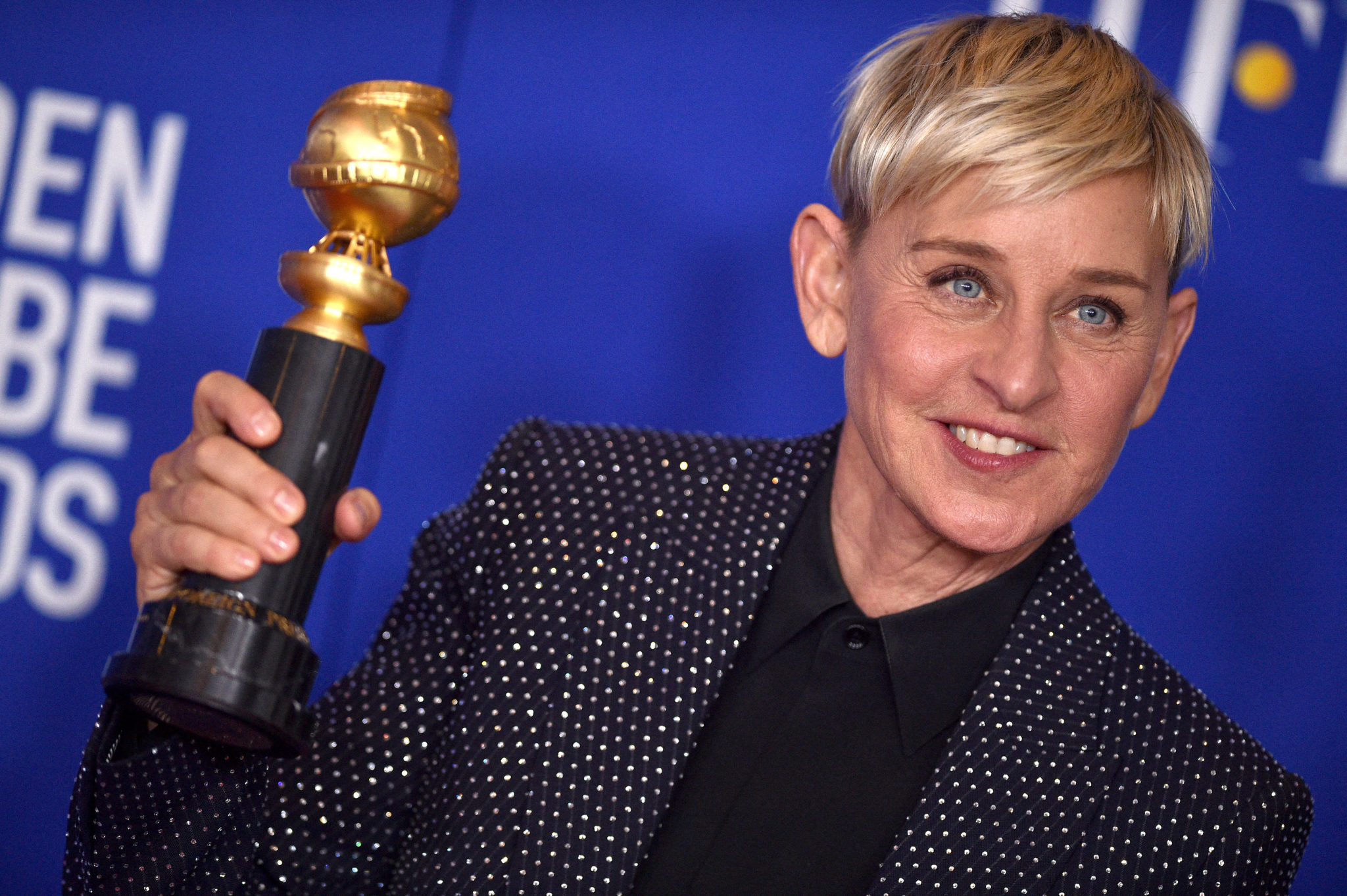
Despite these challenges, NBCUniversal and DeGeneres structured the final season as a celebration of the show's history. Season 19 brought back fan-favorite guests, highlighted iconic moments from the past two decades, and featured emotional retrospectives celebrating the community built around the program. The grand finale, broadcast on May 26, 2022, featured guest appearances by Jennifer Aniston—who was also the very first guest in 2003—alongside musical artist Billie Eilish and powerhouse producer Ryanః Seacrest.
Cultural Impact and Defining Characteristics
Over 19 years, The Ellen DeGeneres Show established several recurring elements that became deeply embedded in contemporary television culture. The emphasis on kindness—encapsulated by the show's closing tagline, "Be kind to one another"—served as its guiding ethos, resonating with millions of viewers seeking optimism during turbulent news cycles.
| Feature / Element | Description and Impact |
|---|---|
| Opening Monologue & Dance | Set the upbeat tone for every episode, breaking down traditional barriers between host and audience. |
| Audience Giveaways | Frequent, high-value prizes and philanthropic partnerships provided financial relief and memorable experiences for deserving viewers. |
| Viral Games & Pranks | Segments like "Stump Jane," "Danger Word," and elaborate celebrity scares generated billions of digital views worldwide. |
| Platform for Ordinary Heroes | Regularly featured viral video stars, young prodigies, and community activists, offering them a mainstream national platform. |
Beyond entertainment, the show served as a historic platform for LGBTQ+ visibility. DeGeneres, who famously came out publicly on the cover of Time magazine in 1997 and on The Oprah Winfrey Show, maintained a daily presence in American households as an openly gay woman hosting a mainstream daytime broadcast. This normalization played a quiet yet profound role in shifting public attitudes toward LGBTQ+ acceptance over the course of the 2000s and 2010s.
Professional Shifts and Post-Show Ventures
Following the conclusion of the farewell season in 2022, DeGeneres stepped back from the daily grind of television production to pursue alternative creative outlets. Unlike many traditional talk show hosts who immediately transition to new network contracts or daily podcasting ventures, DeGeneres initially maintained a low profile, focusing on personal passions such as wildlife conservation, interior design, and stand-up comedy.
In late 2023 and 2024, DeGeneres returned to the stage for a limited stand-up comedy tour titled Ellen’s Last Stand... Up. During these intimate theater performances, she addressed the controversies surrounding the end of her talk show with characteristic wit, reflecting on her departure from Hollywood and her transition into a quieter chapter of her life. The tour offered fans a raw, unfiltered look at her comedic roots, stripping away the polished, corporate environment of daytime television syndication.
Frequently Asked Questions
Why did The Ellen DeGeneres Show end after 19 seasons?
DeGeneres stated that she felt creative fatigue and wanted to explore new challenges. She initially planned to end her contract after season 16 but agreed to a three-year extension before ultimately deciding that season 19 would be the definitive final run.
Who was the very first and very last guest on the show?
Actress Jennifer Aniston served as the first guest when the show premiered in September 2003 and returned as the final guest for the series finale in May 2022, alongside musician Billie Eilish.
How many Daytime Emmy Awards did the show win?
Over its 19-year broadcast history, The Ellen DeGeneres Show won over 60 Daytime Emmy Awards, including multiple wins for Outstanding Talk Show and Outstanding Talk Show Host.
What was the catchphrase associated with the end of every episode?
DeGeneres famously closed every single episode by telling her studio audience and viewers at home, "Be kind to one another."
What has Ellen DeGeneres done since the show ended?
After concluding her talk show, DeGeneres focused on wildlife conservation efforts through the Ellen DeGeneres Campus of the Dian Fossey Gorilla Fund and returned to live stand-up comedy with her touring show.
Next Actions and Legacy Assessment
For media researchers, pop culture historians, and loyal fans examining the legacy of daytime television, the conclusion of The Ellen DeGeneres Show represents a watershed moment. As the era of syndicated, five-day-a-week broadcast talk shows continues to yield ground to streaming platforms and digital-first creator economies, the 19-year run stands as one of the final massive monoliths of traditional broadcast entertainment. Reviewing archived episodes, retrospective specials, and the extensive library of digital clips offers a comprehensive window into how celebrity culture and daytime television evolved across the first two decades of the twenty-first century.
Image Gallery