Navigating Medical Billing and Coding Courses Near You: A Guide to Certification and Career Entry
Finding reliable medical billing and coding courses near you involves evaluating local community colleges, vocational schools, and accredited online programs that align with national certification standards. To begin a career in this f...
Finding reliable medical billing and coding courses near you involves evaluating local community colleges, vocational schools, and accredited online programs that align with national certification standards. To begin a career in this field, you must identify programs that prepare you for the Certified Professional Coder (CPC) or Certified Billing and Coding Specialist (CBCS) examinations while considering your proximity to testing centers, budget, and learning style.
Contents
Understanding the Role of Billing and Coding Professionals
Before selecting a course, it is essential to understand the distinction between billing and coding, as many programs group these functions together. Medical coding involves translating healthcare services, procedures, and equipment into standardized alphanumeric codes—typically using the International Classification of Diseases (ICD-10-CM) and Current Procedural Terminology (CPT) systems. Medical billing utilizes these codes to process and follow up on claims with health insurance companies to ensure the healthcare provider is reimbursed for services rendered.
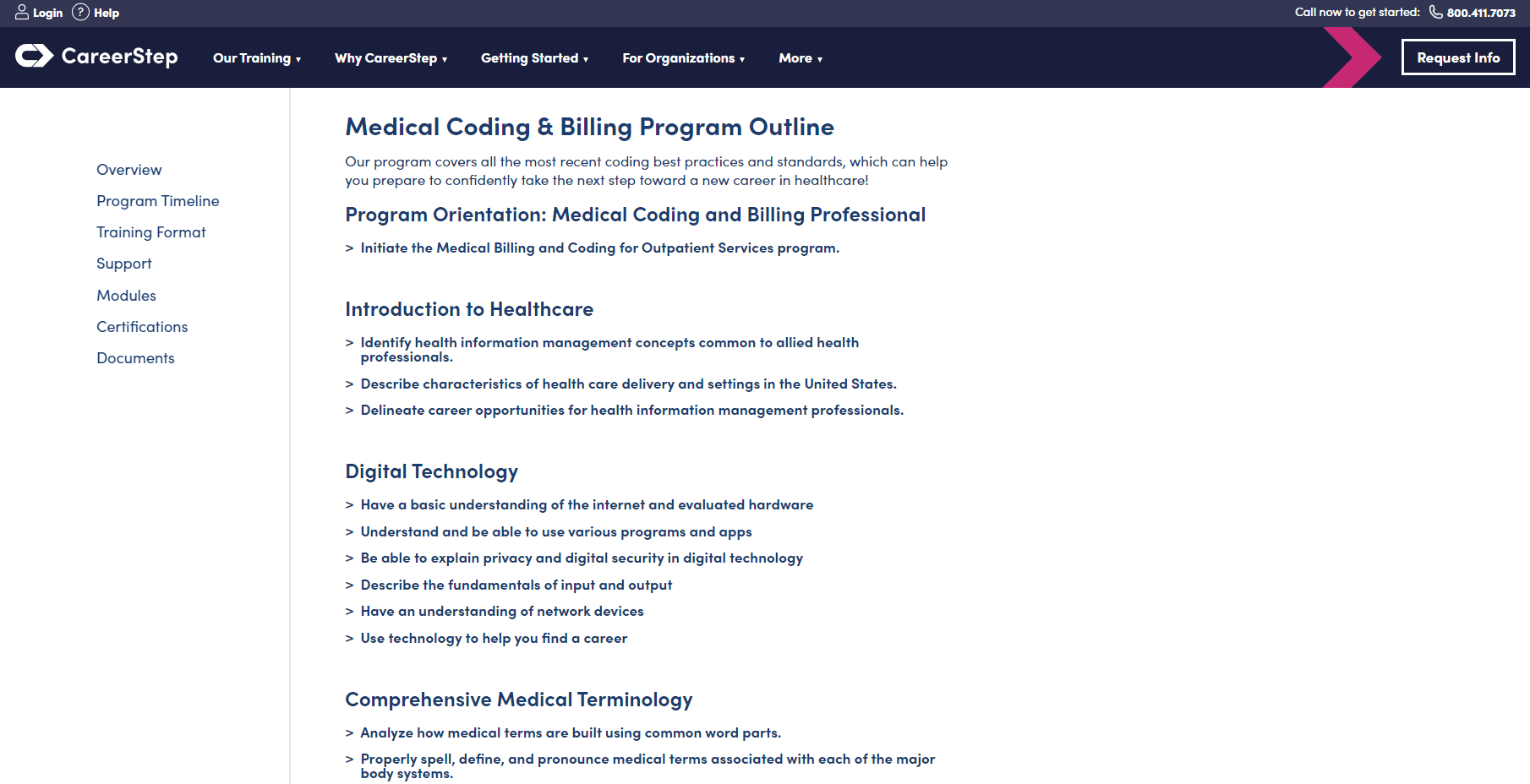
A robust educational program provides foundational knowledge in medical terminology, anatomy, physiology, and health information management. It should also cover the legal aspects of healthcare, such as the Health Insurance Portability and Accountability Act (HIPAA), and the nuances of various insurance plans, including Medicare, Medicaid, and private commercial payers.
Criteria for Evaluating Local Educational Programs
When you search for "billing and coding courses near me," you will encounter a variety of institutional types. Your choice should depend on the level of accreditation and the specific certifications the curriculum prepares you to obtain.
- Accreditation Status: Look for programs endorsed or recognized by the American Academy of Professional Coders (AAPC) or the American Health Information Management Association (AHIMA). These organizations set the industry benchmarks for proficiency.
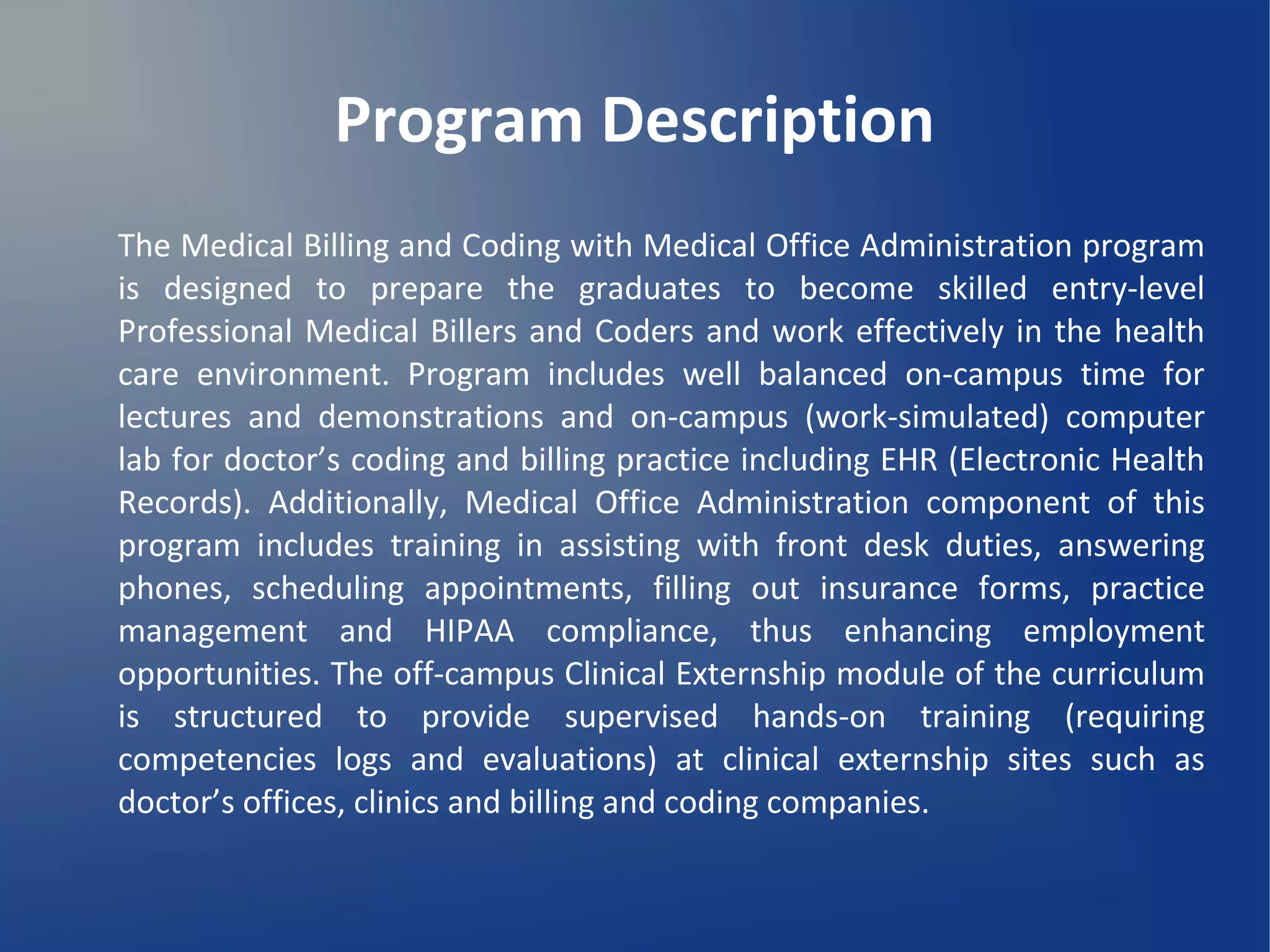
- Curriculum Focus: A comprehensive course should include hands-on training with electronic health record (EHR) software and real-world billing practice scenarios. Avoid programs that only focus on theoretical memorization.
- Certification Preparation: Ensure the course explicitly prepares you for the national certification exams. In 2026, the industry standard remains the CPC certification for coders and the CBCS for billing specialists.
- Instructor Qualifications: Verify that the instructors are currently certified (e.g., hold a CPC credential) and have active experience in the healthcare administrative sector.
Comparing Educational Delivery Models
Choosing between local classroom-based instruction and online platforms depends on your need for hands-on mentorship versus scheduling flexibility.
| Feature | Local In-Person Programs | Online Accredited Programs |
|---|---|---|
| Instruction | Face-to-face interaction | Self-paced or virtual cohorts |
| Networking | High: Direct access to peers/faculty | Moderate: Virtual forums/webinars |
| Flexibility | Fixed schedule | High: Access anytime |
| Resources | Physical library/on-site labs | Digital databases/remote EHR access |
| Cost | Typically higher due to overhead | Often lower; variable tiers |
Prerequisites and Admission Requirements
Most vocational and community college programs require a high school diploma or a General Educational Development (GED) certificate. Some more advanced programs may require basic proficiency in computer literacy and keyboarding. Because you will be handling sensitive patient information, some institutions conduct a background check as part of the enrollment process.
It is advisable to contact the admissions department of local community colleges to ask about "bridge" courses. If you have prior experience in healthcare (such as being a medical assistant or receptionist), you may be able to waive introductory units, thereby reducing the total time and cost of your certification path.
The Cost of Education and Hidden Expenses
The financial commitment for billing and coding training varies significantly. Community colleges often charge per credit hour, while private vocational schools charge a flat program fee. Beyond the tuition, budget for the following:
- Learning Materials: You will need the most current CPT, ICD-10-CM, and HCPCS Level II codebooks. Because these codes are updated annually, never purchase used books from previous years.
- Examination Fees: The cost to take the national board exams is separate from the tuition of the course. As of 2026, candidates should anticipate a fee between $300 and $500 for the initial attempt.
- Membership Fees: Many students join professional organizations (like the AAPC) while in school to receive student discounts on exams and educational resources.
Navigating Local Job Markets and Apprenticeships
Once your training is complete, your local search should shift from finding courses to finding local apprenticeships. The AAPC offers a "Practicode" or apprenticeship program that allows new coders to remove the "Apprentice" (A) designation from their credentials. This is vital for employability, as many employers prefer hiring individuals who have already fulfilled their apprenticeship hours.
Look for hospitals, urgent care centers, and large physician practices in your area. These facilities often require in-house billers and coders. Even if a facility does not have a formal apprenticeship program, they may be willing to hire you in a junior administrative role where you can gain the practical experience needed to progress to a full-time billing or coding position.
Frequently Asked Questions
How long does it take to complete a billing and coding course? Most certificate programs take between 6 to 18 months to complete. Short-term "bootcamp" style courses can be finished in as little as 3 months, but they often require a higher intensity of daily study and may not offer the same depth of clinical understanding.
Is it possible to work remotely after completing a course? Yes, remote work is common in this field. Many healthcare organizations contract out their billing and coding to remote professionals. However, entry-level positions often require some on-site training to ensure the professional is proficient with the facility’s specific software and internal workflows.
Do I need a college degree to get certified? No, a college degree is not required to become a certified medical biller or coder. You only need a high school diploma or equivalent and the successful completion of an accredited training program followed by a passing score on the national certification exam.
What is the difference between a medical coder and a medical biller? A coder translates medical notes into codes, while a biller uses those codes to submit claims to insurance companies. While the roles are separate, many modern healthcare environments require professionals to perform both functions, making cross-trained candidates highly desirable.
Can I get financial aid for these courses? If you choose an accredited community college or a certified vocational school, you may qualify for federal financial aid or state-specific workforce development grants. Always ask the program director about their financial aid office's ability to assist with Pell Grants or employer-sponsored tuition reimbursement programs.
Recommended Next Steps
Start your journey by visiting the websites of the AAPC or AHIMA to view their lists of approved local training providers. Cross-reference these lists with local community college catalogs in your immediate vicinity. Schedule an appointment with an admissions counselor to discuss the program’s pass rate for national exams, which is the most reliable metric of a course's quality. Confirm the program includes the most current 2026 codebooks, as using outdated references will result in failure during clinical testing.
Image Gallery