A Comprehensive Guide to Selecting and Managing NAB Credit Cards
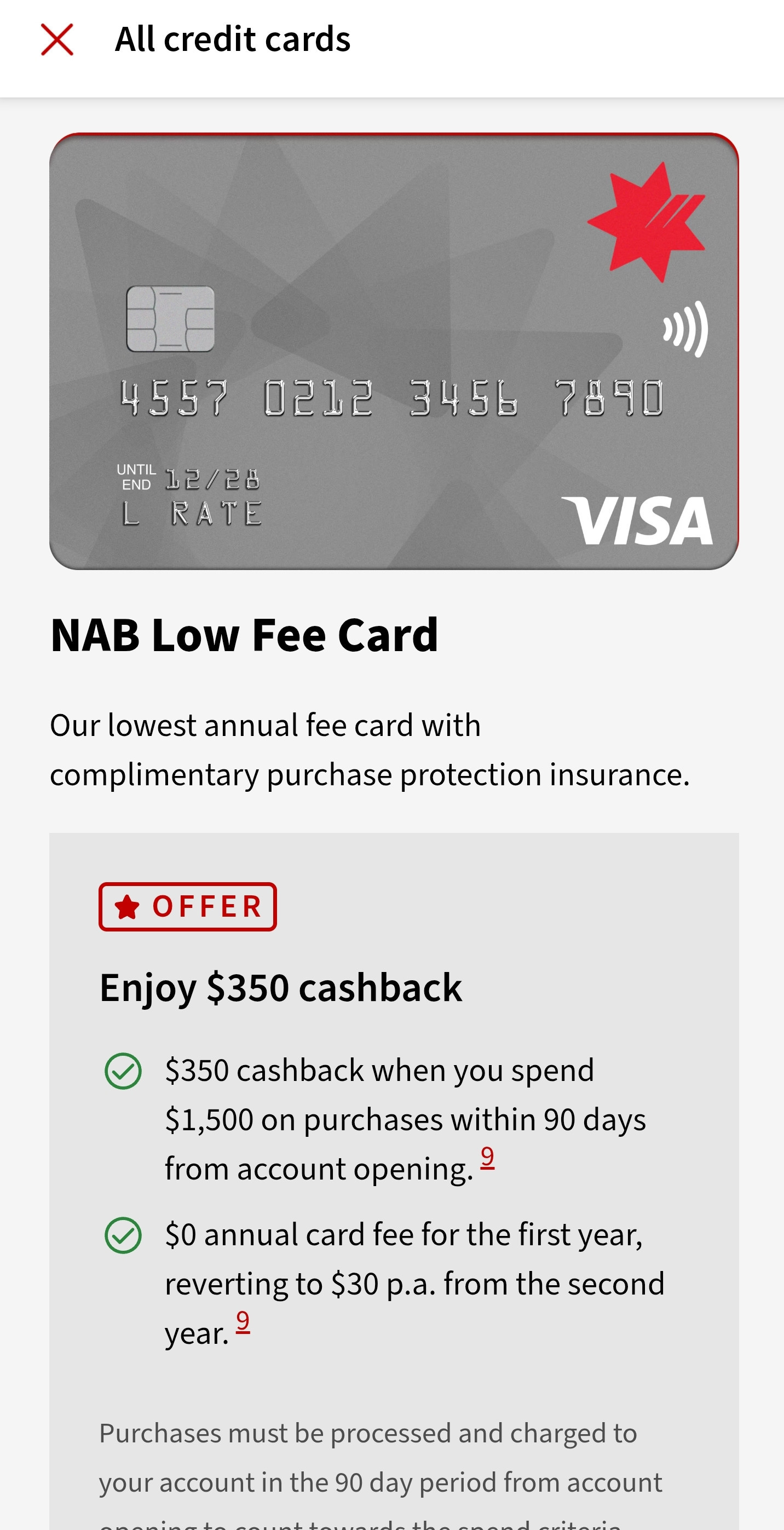
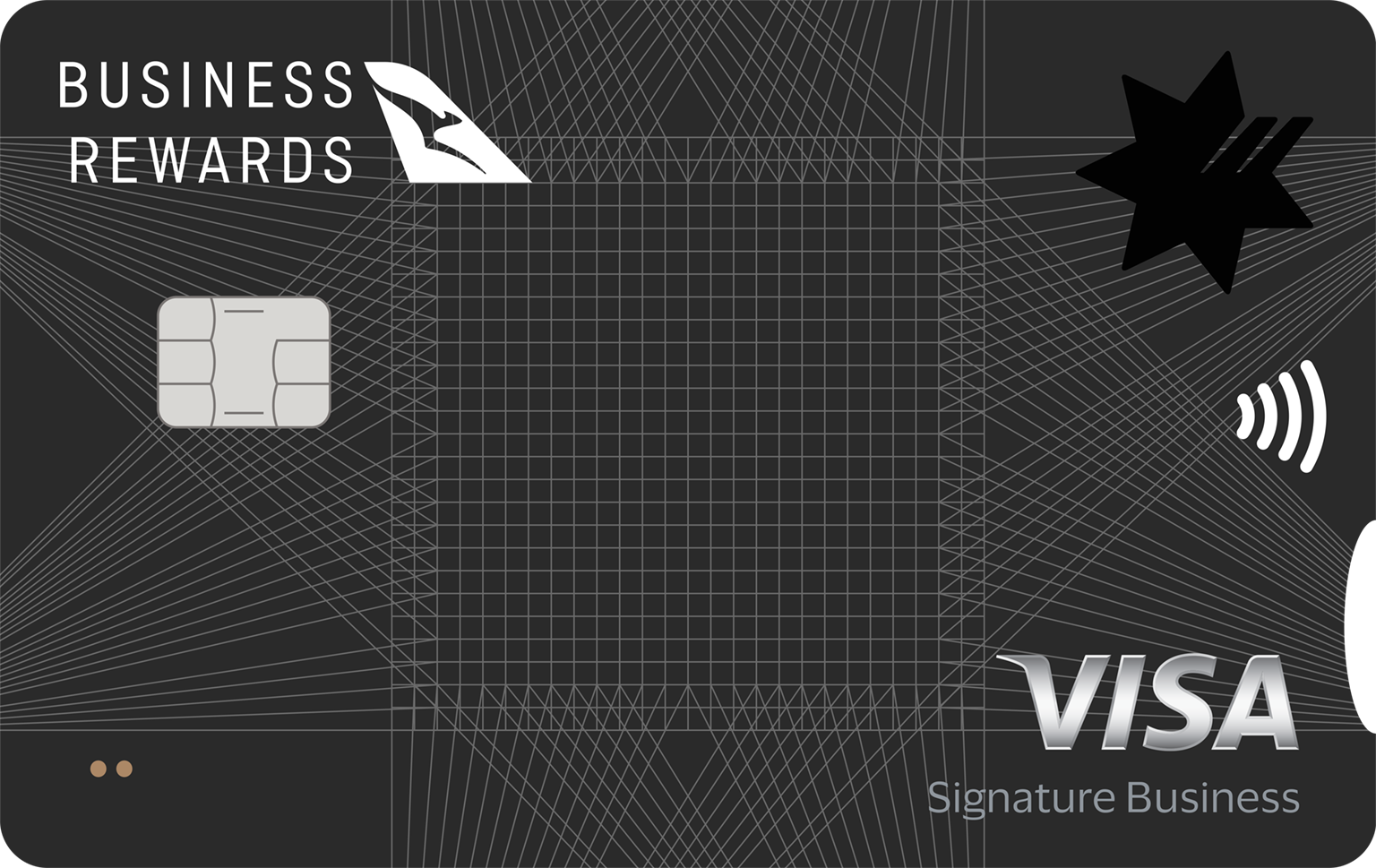
The National Australia Bank (NAB) offers a diverse suite of credit cards tailored to different financial profiles, ranging from low-rate options for consistent debt management to rewards-focused cards for frequent travelers and high-sp...
The National Australia Bank (NAB) offers a diverse suite of credit cards tailored to different financial profiles, ranging from low-rate options for consistent debt management to rewards-focused cards for frequent travelers and high-spenders. To select the right card, applicants must balance annual fees and interest rates against features like rewards programs, complimentary insurance, and promotional balance transfer offers.
Contents
Understanding the NAB Credit Card Ecosystem
NAB credit cards function as revolving lines of credit, allowing users to borrow up to a specific limit, repay the balance, and borrow again. In the Australian market, these cards are categorized primarily by their utility: low-rate cards, which prioritize interest savings; rewards cards, which accrue points on eligible purchases; and premium cards, which provide travel perks and higher service tiers.
When evaluating these products, it is vital to distinguish between the "purchase rate" (interest charged on new items), the "cash advance rate" (interest on withdrawing cash), and the "interest-free period" (typically up to 44 or 55 days, provided the full statement balance is paid by the due date). Understanding these mechanics is the first step in avoiding unnecessary financial costs.
Prerequisites for Application
Before applying for a credit card with NAB, you must satisfy specific eligibility criteria set by both the institution and Australian regulatory standards. While specific requirements may fluctuate based on the product tier, the core prerequisites generally include:
- Age and Residency: You must be at least 18 years of age and an Australian citizen or permanent resident.
- Income Verification: Applicants are required to demonstrate a stable source of income. This typically involves providing recent payslips or tax assessment notices to satisfy Responsible Lending Obligations (RLO) mandated by the Australian Securities and Investments Commission (ASIC).
- Credit History: Your credit report, maintained by agencies like Equifax or Experian, will be assessed. A positive history of meeting past financial obligations significantly improves your approval prospects.
- Financial Liability: You must disclose existing debts, including other credit cards, personal loans, and recurring financial commitments like child support, to ensure the new credit limit does not lead to financial hardship.
Comparison Table: Representative NAB Credit Card Features
The following table summarizes common attributes associated with different tiers of NAB credit cards. Note that specific terms are subject to the individual Product Disclosure Statement (PDS) provided at the time of application.
| Card Category | Primary Focus | Interest Rate (Purchase) | Annual Fee | Key Benefit |
|---|---|---|---|---|
| Low Rate | Debt Management | Lower | Low/Fixed | Minimized interest costs |
| Rewards | Points Accrual | Standard | Moderate | Points on everyday spend |
| Premium/Signature | Travel/Service | Standard | Higher | Complimentary insurance & lounge access |
Note: Interest rates and fees mentioned here are indicative of standard industry ranges for 2026. Always verify current rates via the official NAB website before submitting an application.
Navigating the Application Process
Once you have identified a card that aligns with your financial habits, the application process is streamlined via digital platforms. You can apply through the NAB mobile application or the official website.
- Preparation: Gather your supporting documentation, including your Australian driver’s license or passport, proof of income, and details regarding your current financial commitments.
- Submission: Complete the online application form, which requires answering questions about your employment status and monthly expenditure.
- Verification: NAB will perform an automated credit check. In some instances, additional documentation may be requested if the automated system requires further manual verification.
- Decision: Notification of the outcome is typically provided electronically. If approved, your card will be mailed to your registered address.
Managing Costs and Avoiding Pitfalls
The most common mistake cardholders make is failing to clear their balance within the interest-free period. Even if you do not pay the full balance, paying more than the "minimum monthly repayment" is recommended to reduce interest accrual and shorten the time required to settle the debt.
Be wary of cash advances. Withdrawing cash from an ATM using your credit card or transferring funds to a bank account often attracts a higher interest rate than standard purchases, and these transactions usually do not benefit from interest-free periods. Furthermore, treat introductory balance transfer offers as a tool to consolidate debt rather than a license to increase your spending. If you move debt to a new card, prioritize paying it down before the promotional interest-free window closes and the standard rate applies.
Security and Responsible Use
In 2026, security is paramount. NAB integrates its credit cards with digital wallets (such as Apple Pay, Google Pay, and Samsung Pay), which use tokenization to secure transactions. To protect your credit standing:
- Enable Alerts: Set up real-time notifications via the NAB app to track transactions and detect unauthorized activity.
- Lock Your Card: Use the mobile app to temporarily "lock" your card if it is misplaced, preventing fraudulent use while you search for it.
- Regular Audits: Review your monthly statements to ensure all recorded transactions align with your actual spending. Report discrepancies to the bank immediately to initiate the dispute process.
Professional Advice Limitation
The information provided here is for educational purposes and does not constitute financial or legal advice. Credit card decisions should be made based on your individual financial circumstances. If you are struggling with debt or considering how a credit card fits into a broader financial strategy, consult with a qualified financial advisor or a credit counselor who can provide personalized guidance regarding your unique fiscal health.
Frequently Asked Questions (FAQs)
How does an interest-free period work on an NAB credit card? An interest-free period allows you to avoid paying interest on purchases if you pay the full closing balance on your statement by the specified due date. If you only pay the minimum amount or miss a payment, the interest-free benefit may be suspended, and interest will accrue on your balance.
Can I increase my credit limit later? Yes, you can request a credit limit increase through the NAB mobile app or internet banking. NAB will re-assess your financial situation at the time of the request to ensure you have the capacity to handle a higher limit without causing financial distress.
What happens if I miss a payment? Missing a payment can lead to late fees and may adversely affect your credit score. If you anticipate difficulty making a payment, contact NAB as soon as possible to discuss hardship assistance or payment plans.
Are rewards points earned on all purchases? No. Most rewards programs exclude specific transactions such as cash advances, interest charges, government fees, and certain types of balance transfers. Review the specific rewards terms and conditions for your chosen card to understand exactly which purchases earn points.
How do I cancel an NAB credit card? To close your account, you must pay off the full outstanding balance, including any pending interest. Once the balance is zero, you can request the cancellation through the NAB app, over the phone, or by visiting a branch.
Next Actions
Review your current monthly spending habits and total debt profile. If you are consistently carrying a balance, prioritize a low-rate card to minimize costs. If you pay your balance in full every month, a rewards-focused card may offer greater value. Visit the official NAB website to use their card comparison tool, which allows you to view the specific 2026 interest rates and annual fees side-by-side before you initiate an application.
Image Gallery