The Pink Star: Why This Rare Gemstone Remains the World’s Most Valuable Jewel
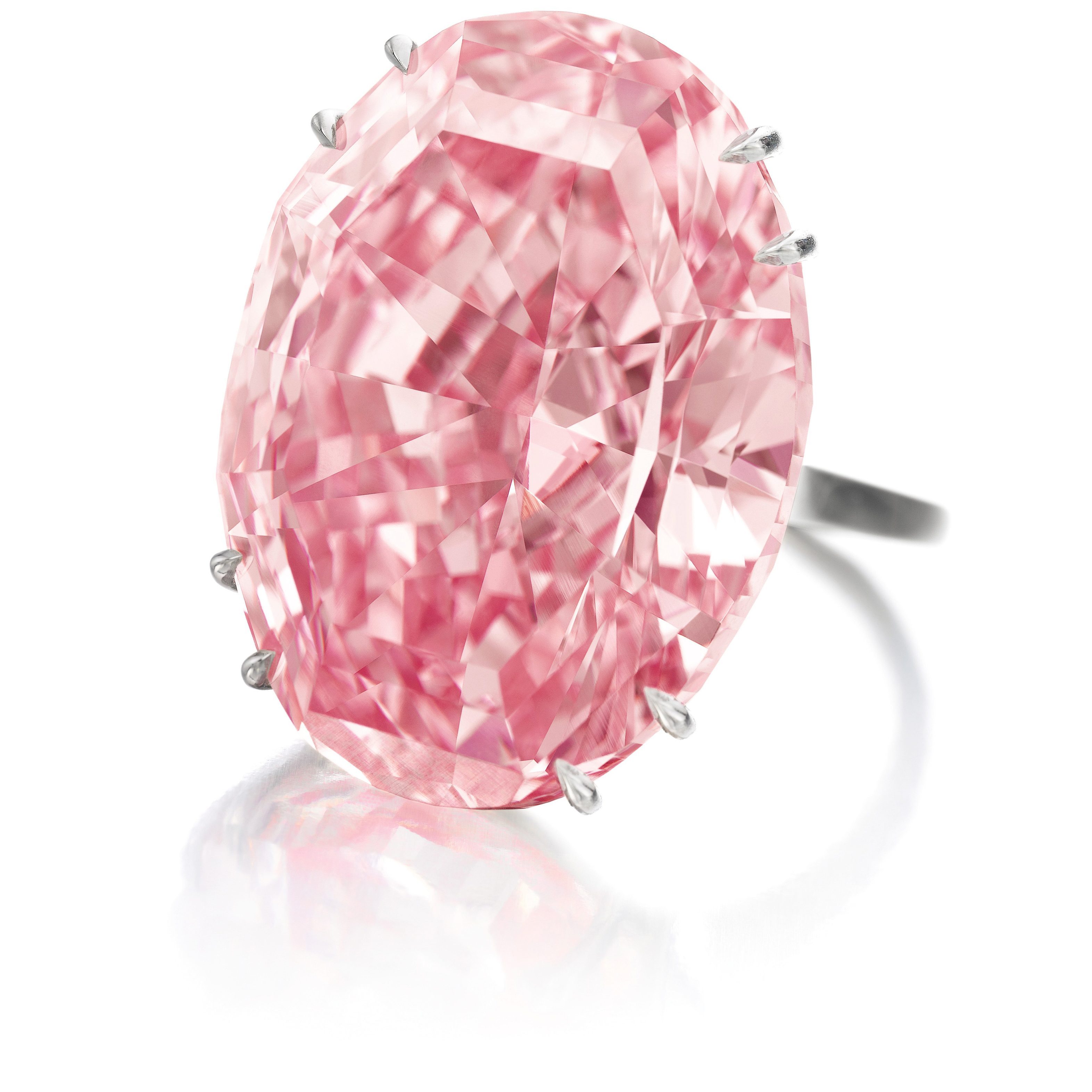
The Pink Star diamond is the most valuable jewel ever sold at auction, fetching a record-breaking $71.2 million at Sotheby’s Hong Kong in April 2017. This 59.60-carat, Internally Flawless, Fancy Vivid Pink diamond represents the pinnac...
The Pink Star diamond is the most valuable jewel ever sold at auction, fetching a record-breaking $71.2 million at Sotheby’s Hong Kong in April 2017. This 59.60-carat, Internally Flawless, Fancy Vivid Pink diamond represents the pinnacle of gemological rarity, combining immense size with the highest possible color and clarity grades for a pink diamond.
Contents
The Discovery and Origin of a Legend
The journey of the Pink Star began in the rich diamond fields of South Africa. Mined by De Beers in 1999, the rough crystal weighed an extraordinary 132.5 carats. In the world of colored diamonds, finding a rough stone of this magnitude is a generational event. While clear (colorless) diamonds are found in larger sizes relatively frequently, pink diamonds are geological anomalies, typically found in much smaller yields.
Most of the world's pink diamonds historically originated from the Argyle mine in Australia, but those stones were famous for their intensity rather than their size, rarely exceeding five carats after cutting. The discovery of a 132-carat pink rough in South Africa immediately signaled to the industry that a historic gem was in the making. The stone was purchased by the Steinmetz Group, a renowned diamond cutting firm, which took on the high-stakes task of transforming the rough into a polished masterpiece.
The Art of the Cut: A Two-Year Precision Operation
Cutting a diamond of this value is a process fraught with risk. A single miscalculation can result in the stone shattering or losing its most vibrant color concentrations. Because the Pink Star was so rare, the Steinmetz Group spent nearly two years planning and executing the cut.
The process involved creating numerous plastic models of the rough stone to test different facet arrangements. The goal was to maximize the "Fancy Vivid" color saturation while maintaining an "Internally Flawless" clarity grade—a nearly impossible balancing act. The master cutters eventually settled on an oval mixed cut, which features a brilliant-cut pavilion and a step-cut crown.
When the diamond was finally unveiled to the public in 2003 in Monaco, it was known as the Steinmetz Pink. It was later sold to an anonymous buyer and renamed the Pink Star. The finished gem weighs 59.60 carats, meaning the cutting process sacrificed over 50% of the original rough weight to achieve perfection in color and light return.
Technical Specifications and Gemological Rarity
To understand why the Pink Star is the most valuable jewel, one must look at the specific criteria used by the Gemological Institute of America (GIA) to grade it. The Pink Star is not just a large diamond; it is a "Type IIa" diamond.
Type IIa Classification
Less than 2% of all gem-quality diamonds receive the Type IIa designation. These diamonds are chemically the most pure, containing almost no measurable trace of nitrogen in their crystal lattice. This purity often results in exceptional optical transparency. For a pink diamond to be Type IIa and of this size is a statistical impossibility that the Pink Star defies.
Fancy Vivid Pink Grade
The GIA uses a scale to describe the intensity of color in fancy colored diamonds: Faint, Very Light, Light, Fancy Light, Fancy, Fancy Intense, and Fancy Vivid. "Vivid" is the highest possible saturation level. Most pink diamonds have secondary hues, such as purple, orange, or brown. The Pink Star, however, displays a pure, vibrant pink that is evenly distributed throughout the stone, which is extremely rare for a gem of nearly 60 carats.
Internally Flawless Clarity
While many large colored diamonds contain "inclusions" (internal flaws) or "blemishes" (surface flaws) that are tolerated because of the stone's color, the Pink Star is Internally Flawless (IF). This means that under 10x magnification, no inclusions are visible within the stone. Achieving this clarity in a 59.60-carat pink diamond is what truly separates the Pink Star from other famous gems like the Hope Diamond or the Graff Pink.
The Auction History: From Setback to Global Record
The market history of the Pink Star is as dramatic as its physical properties. Its path to the $71.2 million record was not a straight line.
- The 2013 Geneva Auction: In November 2013, Sotheby’s offered the diamond in Geneva. It was "sold" for a staggering $83 million to New York diamond cutter Isaac Wolf. However, Wolf and his investors defaulted on the payment. Because Sotheby’s had guaranteed the sale price to the original seller, the auction house was forced to buy the diamond themselves for approximately $60 million.
- The 2017 Hong Kong Sale: After holding the stone in inventory for several years, Sotheby’s offered it again in April 2017, this time in Hong Kong—a hub for high-end jewelry collectors. Within five minutes of bidding, the stone was sold to Chow Tai Fook Jewellery, a Hong Kong-based conglomerate.
- The Renaming: Following the purchase, the chairman of Chow Tai Fook, Dr. Henry Cheng Kar-shun, renamed the stone the CTF Pink Star in honor of his late father and to commemorate the 88th anniversary of the company.
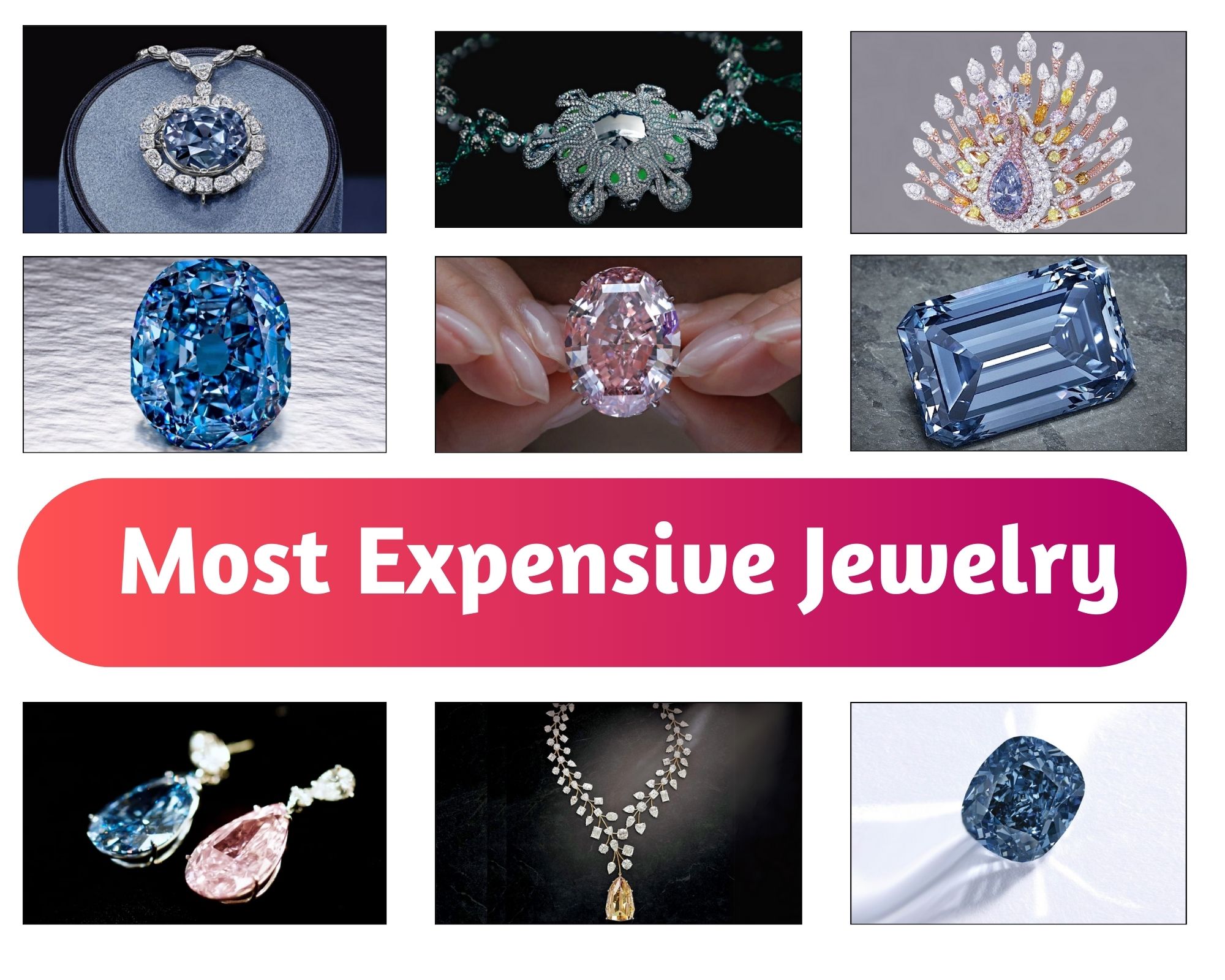
As of 2026, this sale remains the benchmark for the luxury asset market. No other gemstone, including "The Oppenheimer Blue" ($50.6 million) or "The Winston Pink Legacy" ($50.3 million), has come close to surpassing the total price paid for the Pink Star.
Comparative Value: The Pink Star vs. Other Iconic Jewels
To appreciate the scale of the Pink Star’s value, it is helpful to compare it to other record-holding gemstones.
| Gemstone Name | Carat Weight | Color Grade | Sale Price | Sale Date |
|---|---|---|---|---|
| The Pink Star | 59.60 cts | Fancy Vivid Pink | $71.2 Million | April 2017 |
| The Oppenheimer Blue | 14.62 cts | Fancy Vivid Blue | $50.6 Million | May 2016 |
| The Graff Pink | 24.78 cts | Fancy Intense Pink | $46.2 Million | Nov 2010 |
| The Winston Pink Legacy | 18.96 cts | Fancy Vivid Pink | $50.3 Million | Nov 2018 |
| The Blue Moon of Josephine | 12.03 cts | Fancy Vivid Blue | $48.4 Million | Nov 2015 |
While the price per carat of some smaller blue diamonds has occasionally been higher, the total aggregate value of the Pink Star remains unmatched. The table illustrates that while other stones are "Vivid," they are significantly smaller in mass, which highlights the Pink Star's unique combination of size and quality.
The Science of Pink: Why These Gems Are So Rare
Unlike blue diamonds (which get their color from boron) or yellow diamonds (which get their color from nitrogen), pink diamonds do not have coloring trace elements. Instead, the pink hue is caused by a phenomenon known as plastic deformation.
Millions of years ago, as the diamonds were being formed deep within the Earth’s mantle, intense heat and pressure caused the carbon crystal lattice to twist and slip. This structural distortion changes the way the diamond absorbs and reflects light, resulting in the pink color we see. This process is much rarer than chemical coloration, which is why pink diamonds are found in such small quantities compared to other colors.
The Investment Outlook for Rare Gemstones in 2026
In the current economic climate of 2026, ultra-rare gemstones like the Pink Star are viewed as "portable wealth." Unlike currency or stocks, these assets have no correlation to traditional market volatility. For ultra-high-net-worth individuals, a diamond like the Pink Star represents a hedge against inflation and a highly private form of asset storage.
The closure of the Argyle Diamond Mine in late 2020 significantly reduced the global supply of new pink diamonds. This supply crunch has ensured that existing high-quality pink diamonds continue to appreciate in value. While the Pink Star is currently held in a private collection by Chow Tai Fook, experts suggest that if it were to return to the auction block today, its valuation could exceed $80 million to $90 million, given the increasing scarcity of "Vivid" pink stones over 50 carats.
Frequently Asked Questions
Where is the Pink Star diamond located today?
As of 2026, the Pink Star is part of the private collection of Chow Tai Fook Jewellery in Hong Kong. It is occasionally put on public display at high-profile jewelry exhibitions or flagship store events, but it is not currently available for purchase on the open market.
Why is the Pink Star more valuable than the Hope Diamond?
While the Hope Diamond is perhaps more famous due to its history and rumored curse, it has not been sold on the open market in modern times, making its "value" speculative (often estimated at over $200 million). However, in terms of verified auction prices, the Pink Star holds the record. Furthermore, the Pink Star is chemically purer (Type IIa) and has a higher clarity grade than the Hope Diamond.
Can pink diamonds be lab-grown?
Yes, modern technology allows for the creation of lab-grown pink diamonds. However, these stones do not hold the same investment value as natural diamonds. The value of the Pink Star is derived from its natural origin and the billions of years of geological history required to create a stone of that size and color intensity. Lab-grown stones are generally used in commercial jewelry rather than as investment-grade assets.
Has any diamond ever sold for more than $71.2 million?
No. While there have been rumors of private sales (non-auction) exceeding this amount for stones like the Hope Diamond or the Koh-i-Noor (which is part of the British Crown Jewels and priceless), the Pink Star remains the most expensive jewel ever sold in a public, verified auction.
Recommendation for Collectors and Enthusiasts
For those interested in the world of high-value gemstones, the Pink Star serves as the ultimate case study in the "four Cs" (Carat, Color, Clarity, and Cut), with an emphasis on Color and Carat. If you are looking to enter the gemstone market, it is vital to prioritize GIA certification and seek stones with "Fancy Intense" or "Fancy Vivid" designations, as these grades hold their value most reliably during market fluctuations. Always consult with a certified gemologist or a specialized auction consultant before committing to investment-grade stones.
Image Gallery