Choosing the Best Silver Coin Companies: A Comprehensive Investor’s Guide for 2026
Identifying the best silver coin companies requires evaluating four critical factors: pricing transparency relative to the current spot price, the breadth of sovereign and private mint inventory, historical reputation (supported by BBB...
Identifying the best silver coin companies requires evaluating four critical factors: pricing transparency relative to the current spot price, the breadth of sovereign and private mint inventory, historical reputation (supported by BBB and BCA ratings), and the robustness of their buyback program. For 2026, leading firms like JM Bullion, SD Bullion, and APMEX remain industry standards for retail delivery, while specialized firms like Augusta Precious Metals lead in silver-backed IRA services.
Contents
The silver market has undergone significant evolution. As investors increasingly seek tangible assets to hedge against currency volatility and industrial demand for silver continues to rise in the green energy sector, the role of silver coin companies has shifted from simple retailers to comprehensive financial partners. Whether you are a "stacker" looking for the lowest premiums or a collector seeking rare numismatic pieces, choosing the right partner is the most important decision in your investment journey.
Understanding the Ecosystem of Silver Coin Companies
To navigate the market effectively, you must first distinguish between the types of entities operating in the precious metals space. Not all silver coin companies serve the same purpose, and selecting the wrong type can lead to higher costs or limited liquidity.
Primary Mints vs. Secondary Market Dealers
Primary mints are the producers of the coins. Sovereign mints, such as the United States Mint, the Royal Canadian Mint, and the Perth Mint, are government-run institutions that produce legal tender silver coins. While some sell directly to the public, most distribute their products through a network of authorized purchasers or wholesalers.
Secondary market dealers—the "silver coin companies" most investors interact with—purchase in bulk from these mints or from private refiners. These companies, such as Money Metals Exchange or Gainesville Coins, provide the infrastructure for individual retail purchases, offering everything from single one-ounce coins to 1,000-ounce bars.
Precious Metals IRA Specialists
In 2026, a significant portion of silver investment occurs within tax-advantaged accounts. Companies specializing in Silver IRAs focus on helping clients move funds from traditional 401(k)s or IRAs into physical silver held in IRS-approved depositories. These companies often have higher minimum purchase requirements (typically $10,000 to $50,000) but provide specialized white-glove service regarding compliance, storage, and tax reporting.
Key Evaluation Metrics for Silver Dealers
When vetting a company, look beyond the aesthetic of their website. Use these specific metrics to separate reputable institutions from high-pressure sales operations.
1. Premium Over Spot Price
Every silver coin carries a "premium"—the amount you pay above the raw market value (spot price) of the silver content. This covers the cost of minting, distribution, and the dealer’s profit. In 2026, competitive premiums for common sovereign coins (like the American Silver Eagle) generally range from $3.00 to $6.00 over spot, while private "rounds" may be as low as $1.50 to $2.50 over spot. Any company charging significantly higher without a clear numismatic justification should be approached with caution.
2. Buyback Transparency and Liquidity
The true test of a silver coin company is not how they sell, but how they buy. A reputable dealer will post their "bid price"—the price they are currently paying to buy coins back from the public. Avoid companies that refuse to commit to a buyback policy or those that hide their buyback prices. High liquidity ensures that when you need to exit your position, you can do so quickly and at a fair market rate.
3. Inventory Breadth and Sourcing
Reliable companies maintain deep inventories of diverse products. This includes:
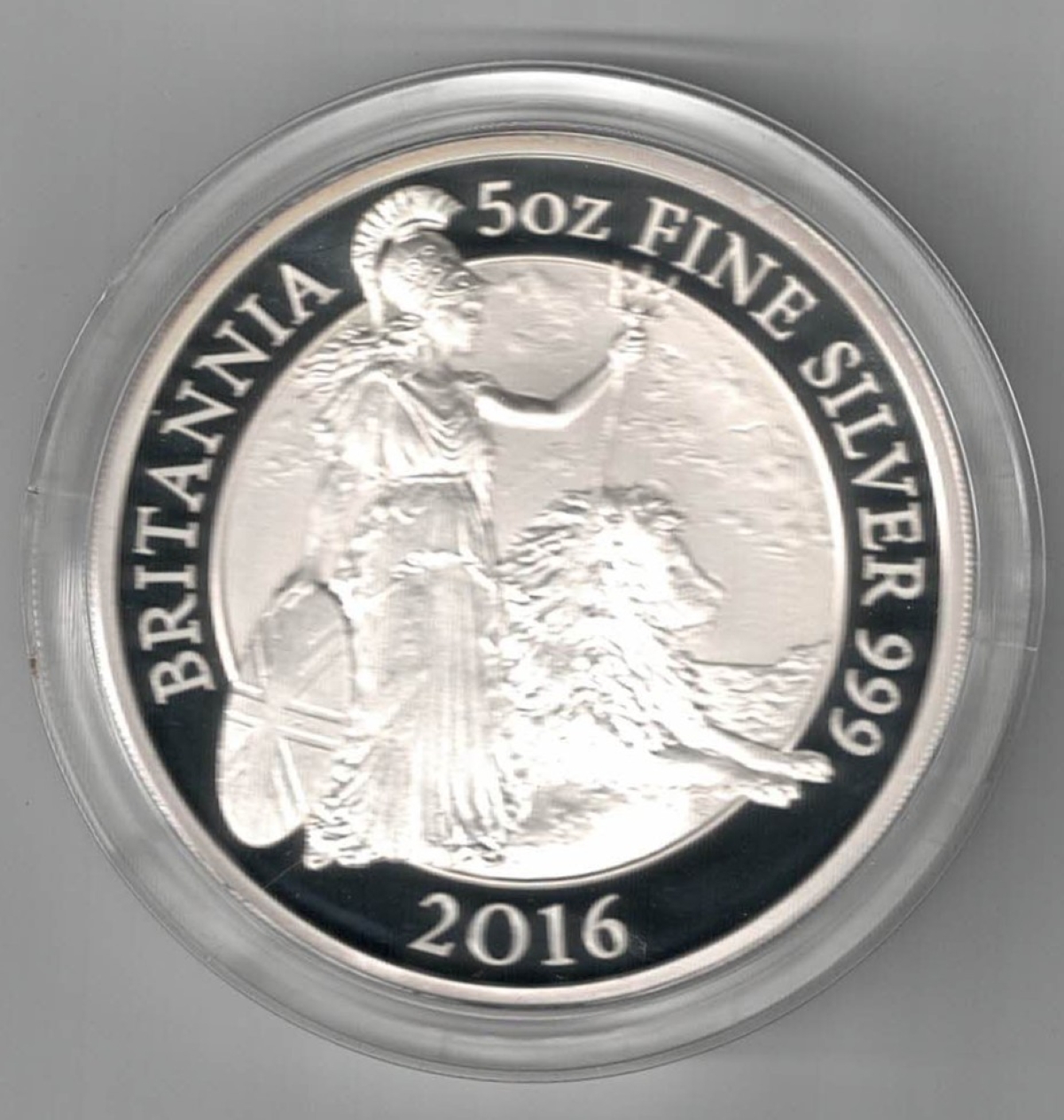
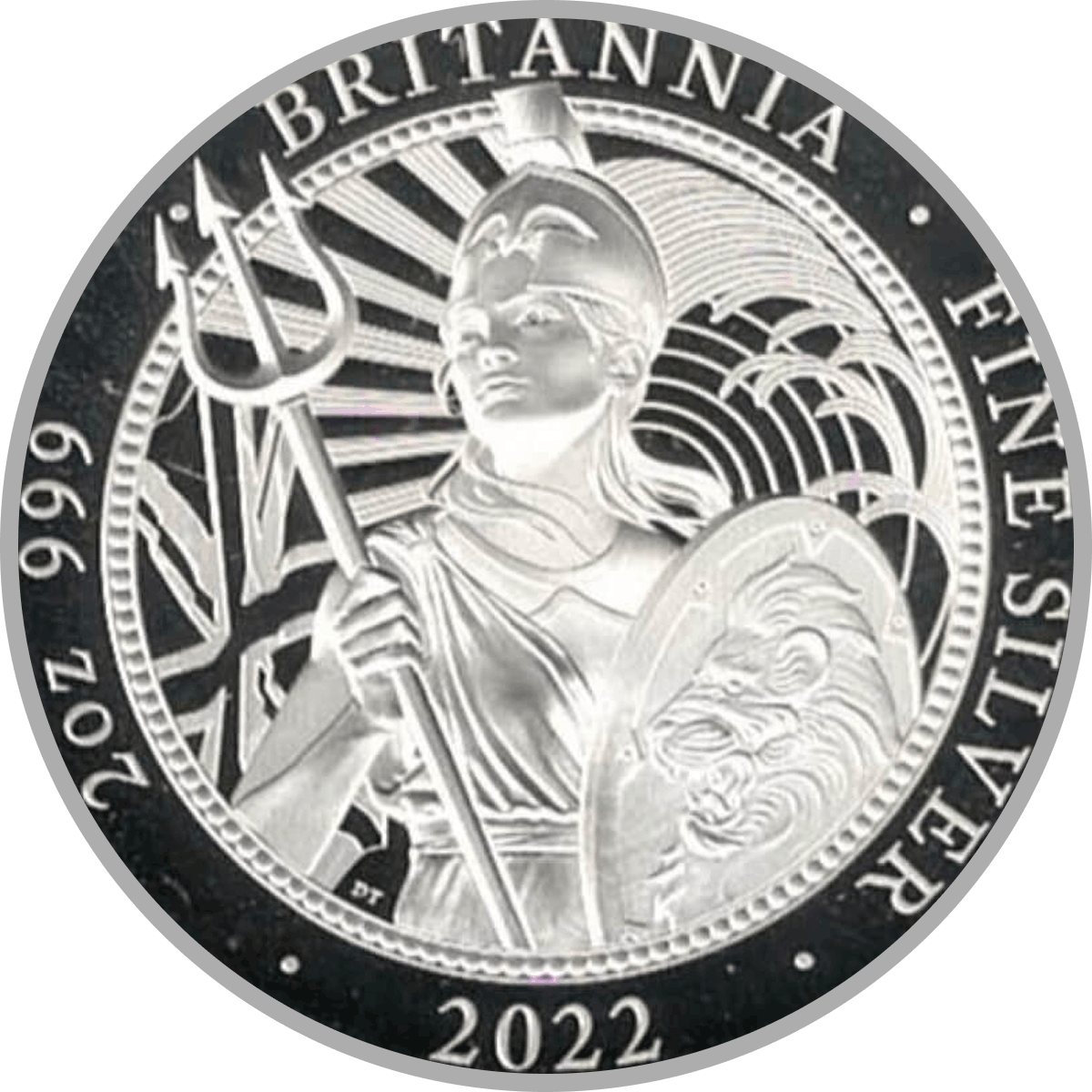
- Sovereign Bullion: Coins minted by governments (Eagles, Maples, Britannias).
- Constitutional Silver: Older circulating coins (pre-1965 U.S. quarters and dimes) often called "junk silver."
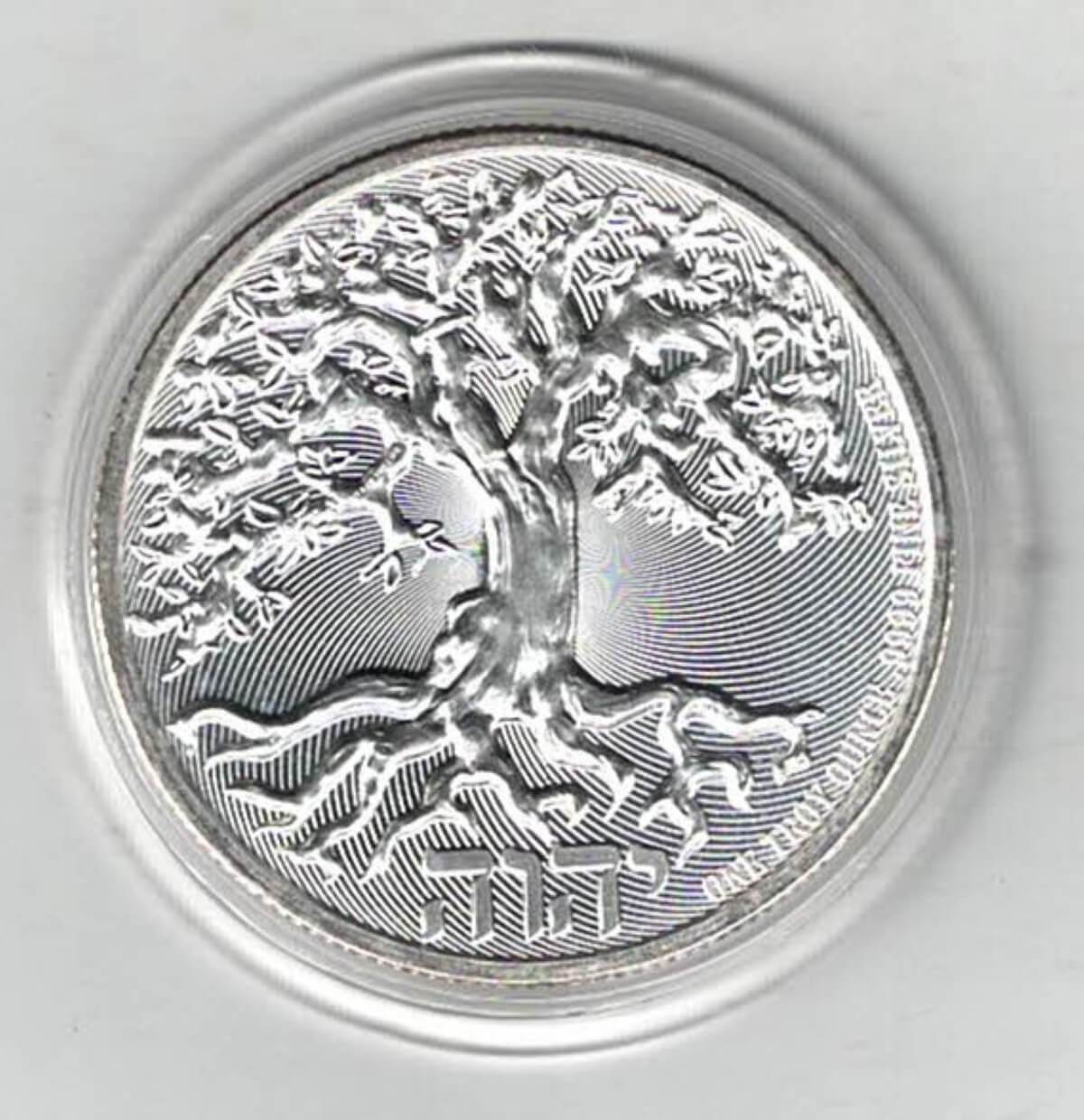
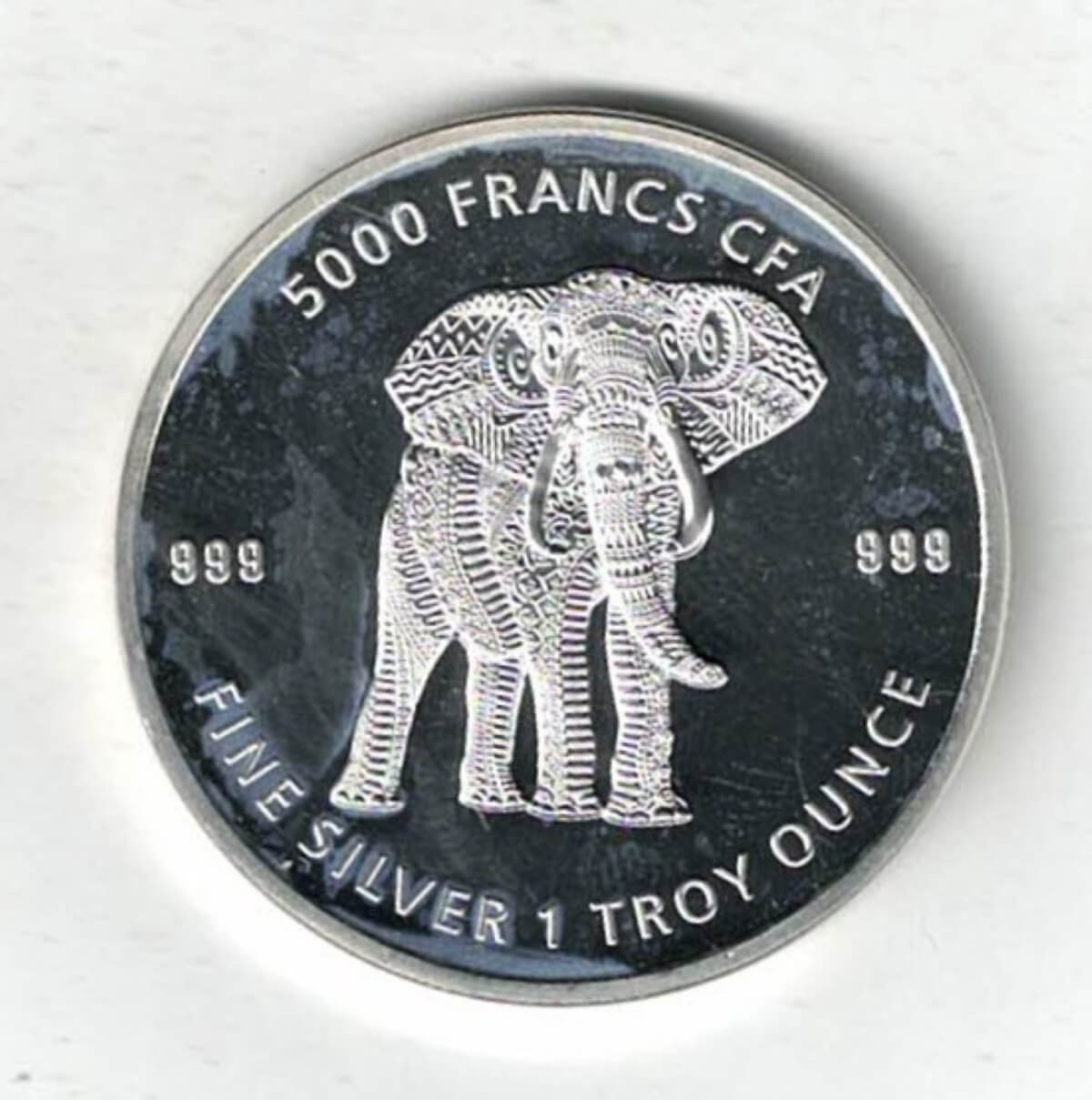
- Private Mint Rounds: One-ounce silver pieces minted by private entities like Sunshine Minting or SilverTowne.
- Graded Numismatics: Coins evaluated and slabbed by the Professional Coin Grading Service (PCGS) or Numismatic Guaranty Company (NGC).
Comparative Analysis of Leading Silver Dealers
The following table provides a high-level comparison of the industry leaders based on 2026 market data and service offerings.
| Company Name | Primary Focus | Minimum Order | Typical Premium | Known For |
|---|---|---|---|---|
| JM Bullion | High-Volume Retail | None | Moderate | User-friendly app and military discounts. |
| SD Bullion | Low-Cost Bullion | None | Low | "Doc's Wholeale Pricing" and rapid shipping. |
| APMEX | Collectors/Broad Selection | None | High | Massive inventory and rare numismatic finds. |
| Augusta Precious Metals | Silver IRAs | $50,000 | Variable | Industry-leading investor education. |
| Money Metals Exchange | Small Investors | None | Low | Monthly silver "savings" plans. |
The Risks of "Numismatic" Upselling
One of the most common pitfalls when dealing with silver coin companies is the aggressive promotion of "exclusive" or "rare" coins. Sales representatives may claim these coins will appreciate faster than bullion because of their scarcity.
While numismatic coins can indeed gain value based on rarity and condition, they are often sold at massive markups—sometimes 50% to 100% over the silver value. For the average investor looking for a wealth hedge, bullion is almost always the superior choice. Bullion's value is tied directly to the silver spot price, making it easier to track and simpler to sell. Only invest in numismatics if you have a deep technical understanding of coin grading and the secondary collector market.
Verifying Corporate Credibility
Before transferring any funds, perform a background check using third-party regulators and consumer advocacy groups.
- Better Business Bureau (BBB): Look for an A+ rating and pay close attention to how the company resolves complaints. A company with zero complaints may simply be too new, whereas a company with many complaints that are all resolved shows a commitment to customer service.
- Business Consumer Alliance (BCA): This provides an additional layer of vetting, focusing on ethical business practices.
- Industry Memberships: Verify if the company is a member of the National Coin & Bullion Association (NCBA), which advocates for integrity in the precious metals industry.
Logistical Considerations: Shipping and Storage
When buying physical silver, the "hidden costs" often lie in logistics. The best silver coin companies provide:
- Fully Insured Shipping: The dealer should carry the risk until the package is in your hands. Most top-tier dealers use discrete packaging that does not mention "silver" or "gold" on the label.
- Free Shipping Thresholds: In 2026, most major dealers offer free shipping on orders over $199.
- Secure Storage Options: For large holdings, many companies partner with third-party, private vaults like Brinks or Delaware Depository. These facilities offer segregated storage, meaning your specific coins are held separately from the general inventory.
Common Pitfalls and How to Avoid Silver Scams
The precious metals industry has historically attracted bad actors. Be wary of companies that use "fear-based" marketing, claiming that a total currency collapse is imminent and that silver is the only solution. While silver is a valid hedge, it should be part of a balanced portfolio.
Avoid companies that offer "free silver" or "silver at cost" for first-time buyers without explaining the catch. Usually, these offers are designed to get you on a phone list so they can upsell you on high-margin numismatic coins later. Furthermore, never buy from a company that does not provide a physical address or clear contact information.
Frequently Asked Questions
What is the difference between a silver coin and a silver round?
A silver coin is legal tender issued by a government mint and carries a face value (e.g., $1 on an American Eagle). A silver round is produced by a private mint, has no face value, and is not legal tender. For investors, both are valuable for their silver content, but coins usually carry a slightly higher premium due to their government backing and recognizable status.
How do I store silver safely at home?
If you choose not to use professional vaulting, silver should be stored in a high-quality, fireproof safe that is bolted to the floor. Use desiccant packs to prevent moisture buildup, which can cause "milk spots" or tarnishing on the coins, potentially lowering their resale value to collectors.
Are silver coins taxable?
In the United States, physical silver is considered a "collectible" by the IRS. Capital gains tax applies when you sell your silver for a profit. However, if the silver is held within a Silver IRA, the taxes are deferred until you take distributions in retirement. Always consult a tax professional regarding your specific jurisdiction's sales tax on precious metal purchases.
Can I include silver coins in my 401(k)?
You cannot hold physical silver coins directly in a standard 401(k). However, you can roll over or transfer a portion of your 401(k) into a "Self-Directed IRA" (SDIRA). This specific type of account allows you to hold physical silver bullion that meets IRS fineness standards (.999 pure).
How do I verify if a silver coin is real?
Reputable companies use various testing methods, including X-ray fluorescence (XRF) and Sigma Metalytics testers, to verify purity without damaging the coin. For home verification, the "ping test" (listening to the resonance of the silver) and checking dimensions and weight with a digital scale and calipers are basic first steps, but buying from a verified dealer is the best way to ensure authenticity.
Recommended Next Steps
If you are new to the silver market in 2026, start by selecting one of the "Big Three" retail dealers—JM Bullion, SD Bullion, or APMEX—and make a small purchase of common bullion rounds or sovereign coins. This allows you to experience their shipping speed, packaging quality, and customer service firsthand. Once you have established a relationship with a reliable dealer, you can begin exploring larger-scale investments or specialized Silver IRA options to further diversify your long-term wealth strategy.
Image Gallery