How VoIP Calling Reshapes Communication in 2026
VoIP calling has transitioned from a cost-saving alternative to the foundational infrastructure of global connectivity. By converting voice signals into digital data packets, it integrates seamlessly with cloud workflows and AI-driven...
VoIP calling has transitioned from a cost-saving alternative to the foundational infrastructure of global connectivity. By converting voice signals into digital data packets, it integrates seamlessly with cloud workflows and AI-driven analytics. This shift dissolves geographical barriers and traditional hardware constraints, enabling a hyper-connected, flexible, and data-rich communication ecosystem for modern enterprises.
Contents
The landscape of interpersonal and professional interaction has undergone a radical transformation. As of 2026, the reliance on the Public Switched Telephone Network (PSTN) has dwindled to near-obsolescence in developed markets, replaced by the versatility of Voice over Internet Protocol (VoIP). This evolution is not merely about how we make "phone calls" but about how voice data serves as a critical component of Unified Communications as a Service (UCaaS). By treating voice as data, organizations can now extract insights, automate workflows, and maintain a presence that is untethered from physical office locations.
The Technological Foundation of Modern VoIP
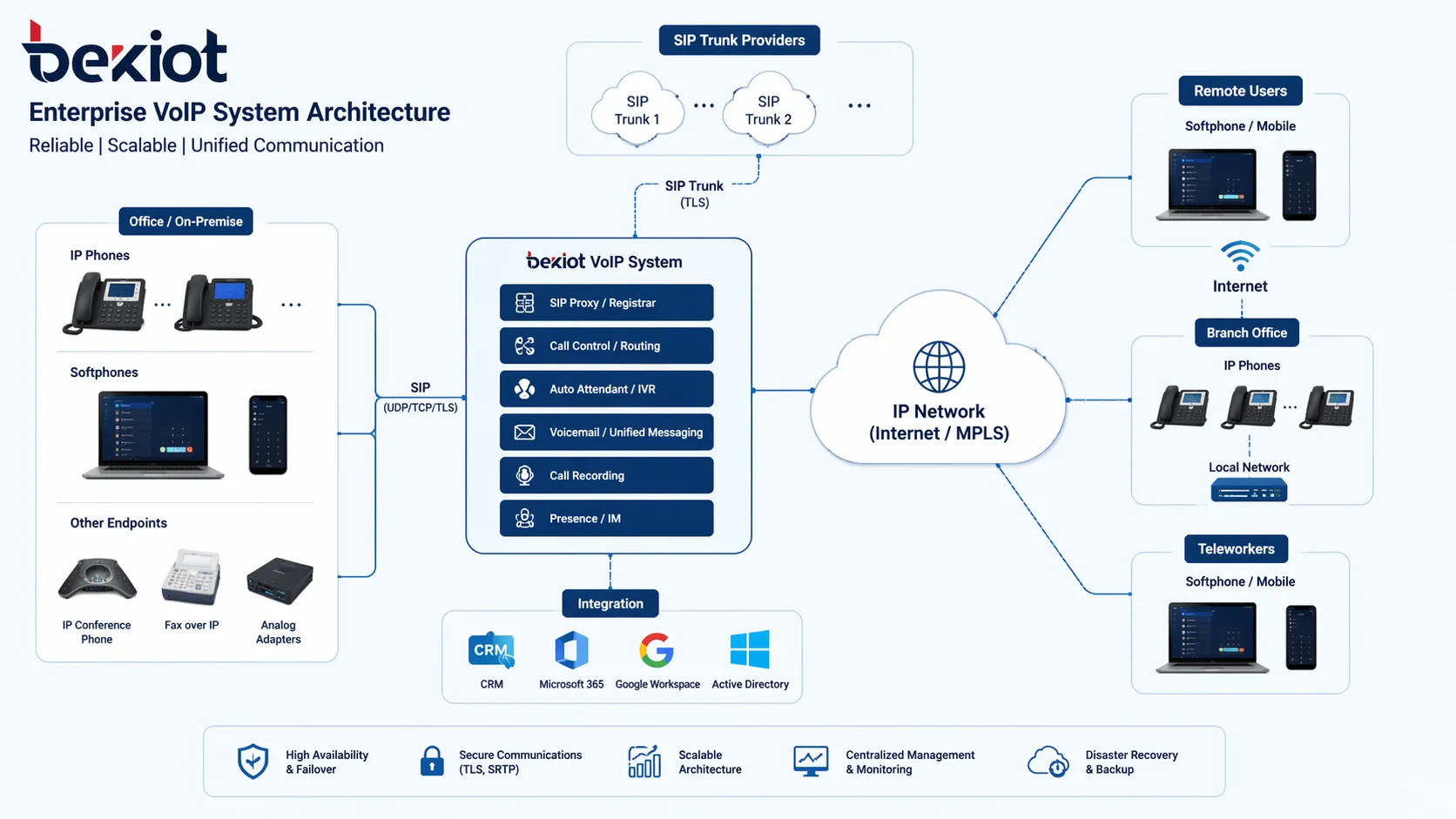
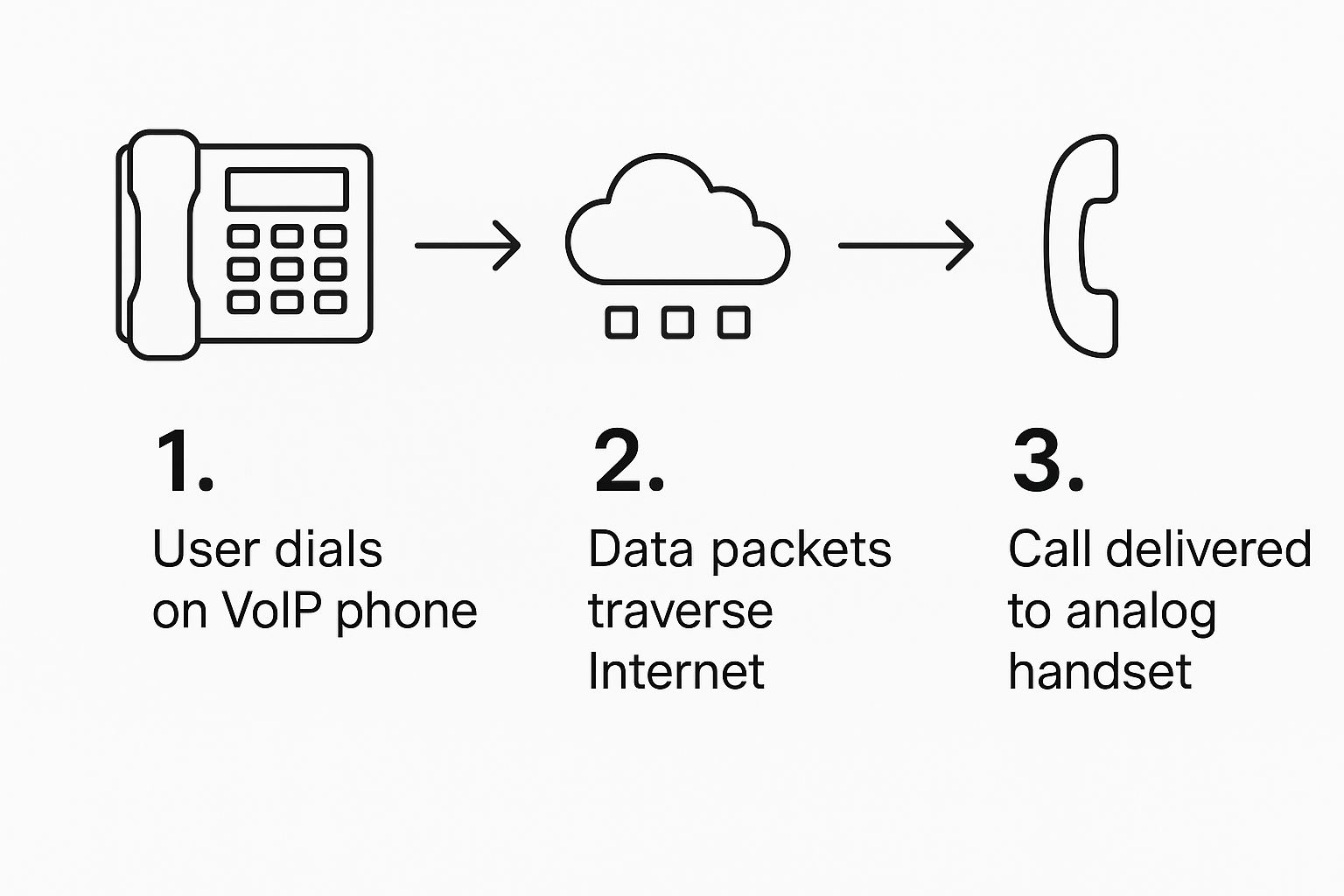
To understand how VoIP reshapes communication, one must first grasp the technical shift from circuit-switching to packet-switching. Traditional telephony relied on dedicated physical circuits between two points. VoIP, however, utilizes the Internet Protocol (IP) to transmit voice as discrete packets. In 2026, the efficiency of these transmissions is at an all-time high due to the widespread adoption of advanced codecs like Opus and G.722, which provide high-definition (HD) audio even in low-bandwidth environments.
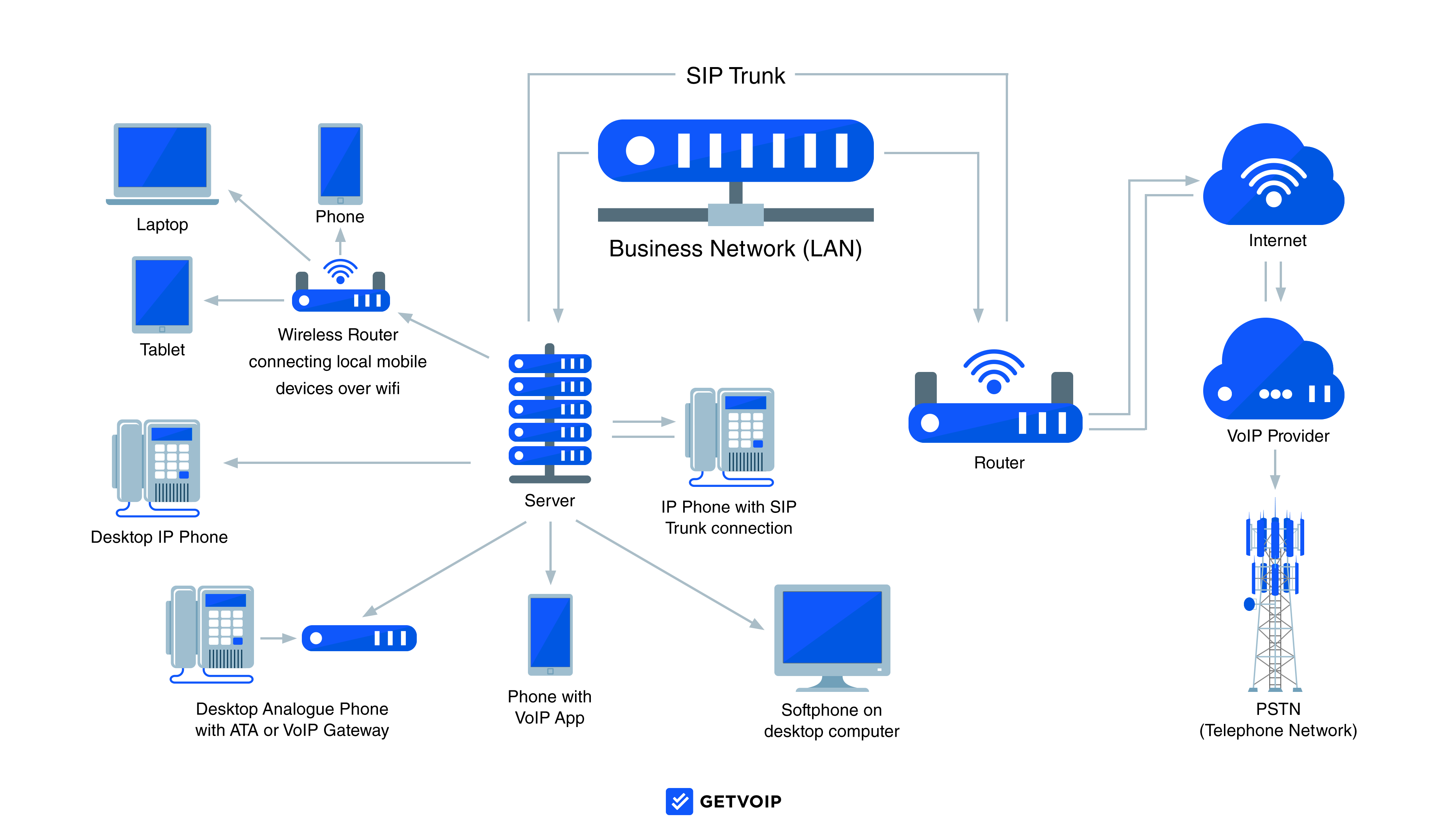
The orchestration of these packets is governed by the Session Initiation Protocol (SIP). SIP acts as the signaling foundation, managing the setup, teardown, and modification of communication sessions. This protocol allows for the convergence of various media types—voice, video, and instant messaging—into a single stream. Furthermore, the integration of 5G and emerging 6G technologies has virtually eliminated the latency and "jitter" that plagued early VoIP adoptions, ensuring that cloud-based calls are now often more stable than the landlines they replaced.
Economic Transformation and the Death of Distance
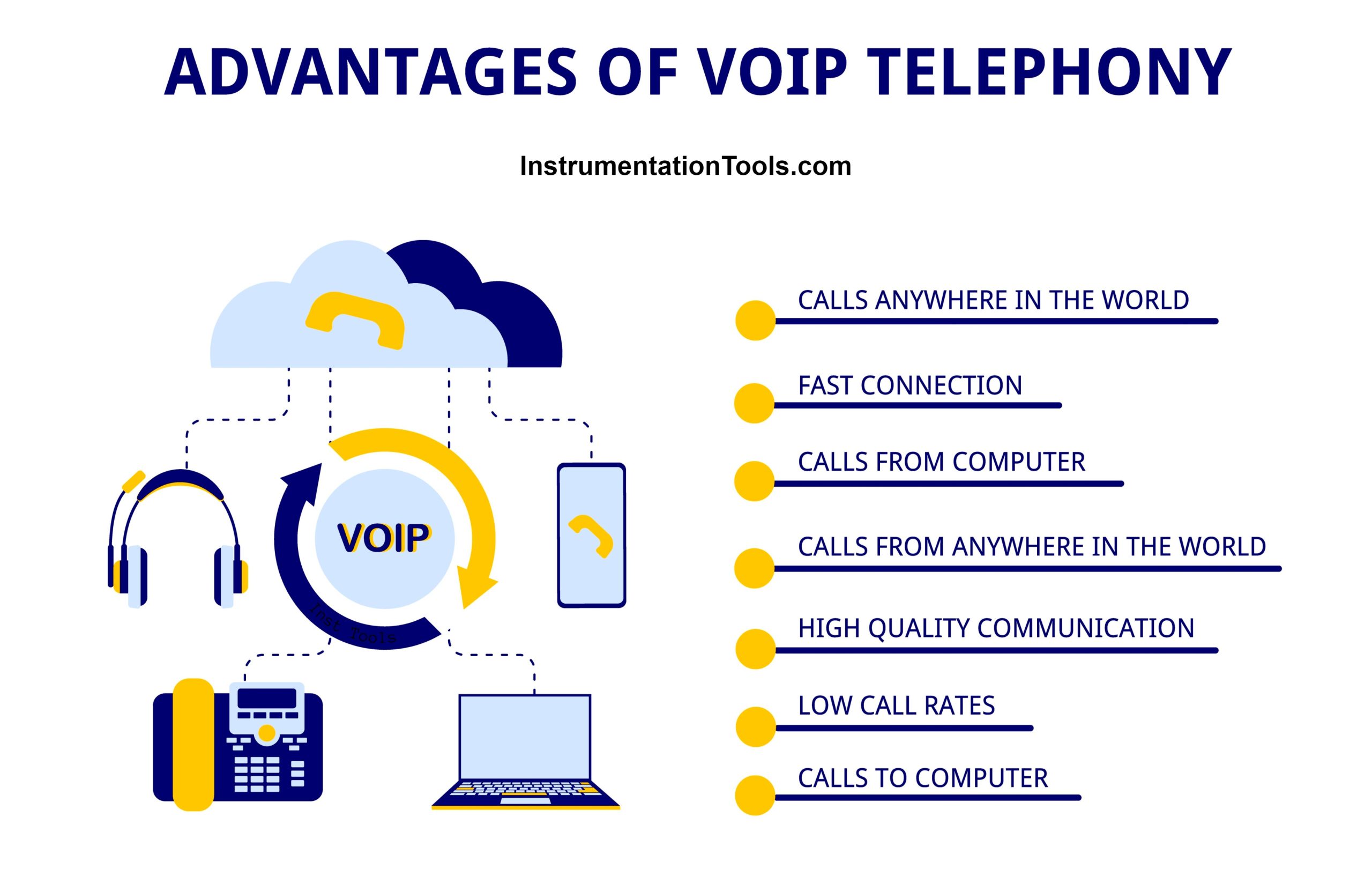
The most immediate impact of VoIP is the total restructuring of communication costs. Historically, long-distance and international calling were significant overhead expenses for businesses and individuals. VoIP has effectively "killed" distance as a pricing variable. Since data travels over the open internet or private managed networks, the cost of a call to a neighboring office is technically identical to a call across the globe.
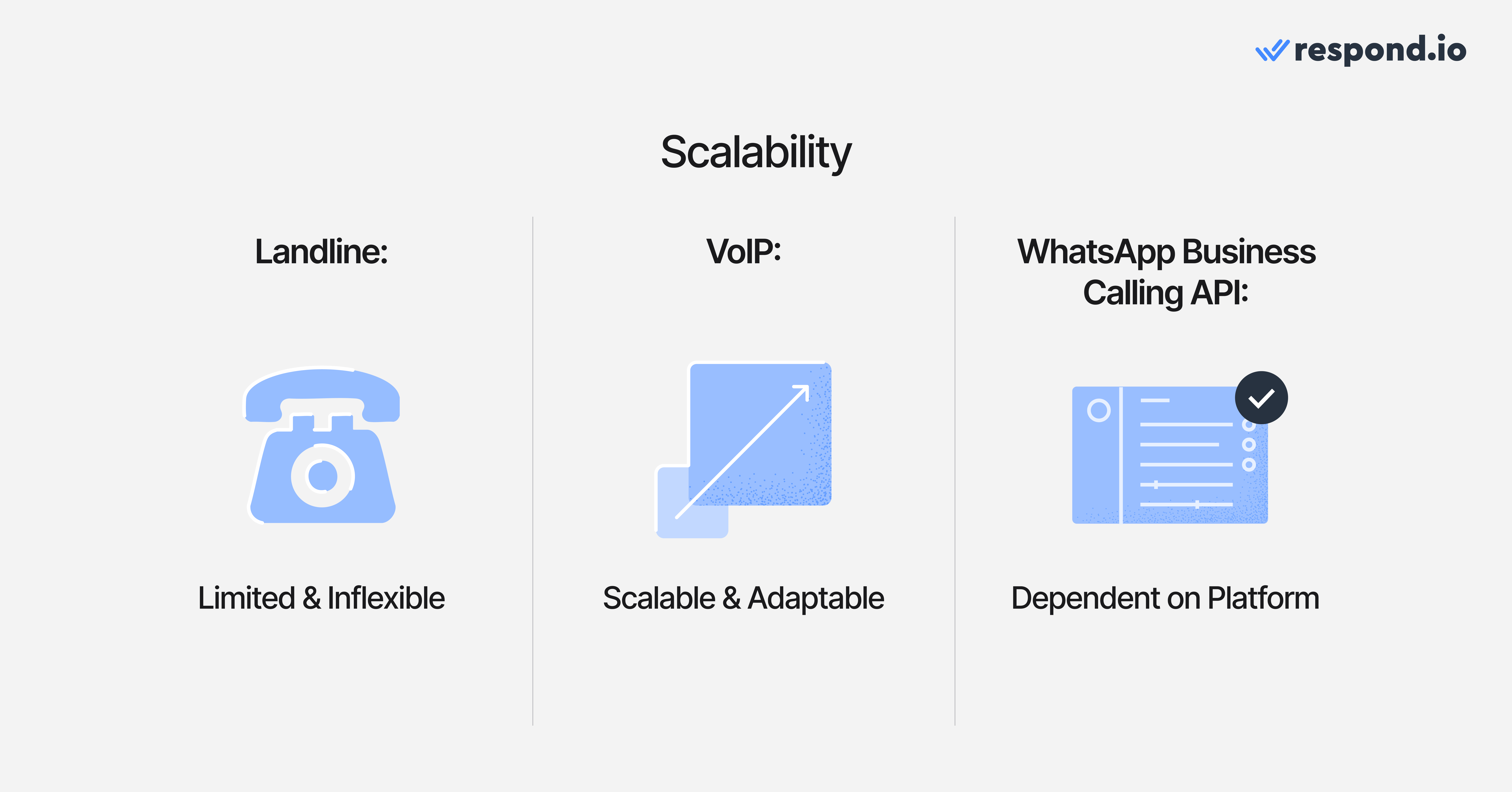
For the enterprise, this has facilitated a shift from Capital Expenditure (CapEx) to Operational Expenditure (OpEx). Instead of investing tens of thousands of dollars in on-premise Private Branch Exchange (PBX) hardware, companies now subscribe to hosted VoIP services. This "pay-as-you-go" model allows for instantaneous scalability. A company can add 500 new extensions in minutes during a seasonal peak and remove them just as quickly, a feat impossible with legacy copper-wire systems.
The Integration of Artificial Intelligence (AI) in 2026
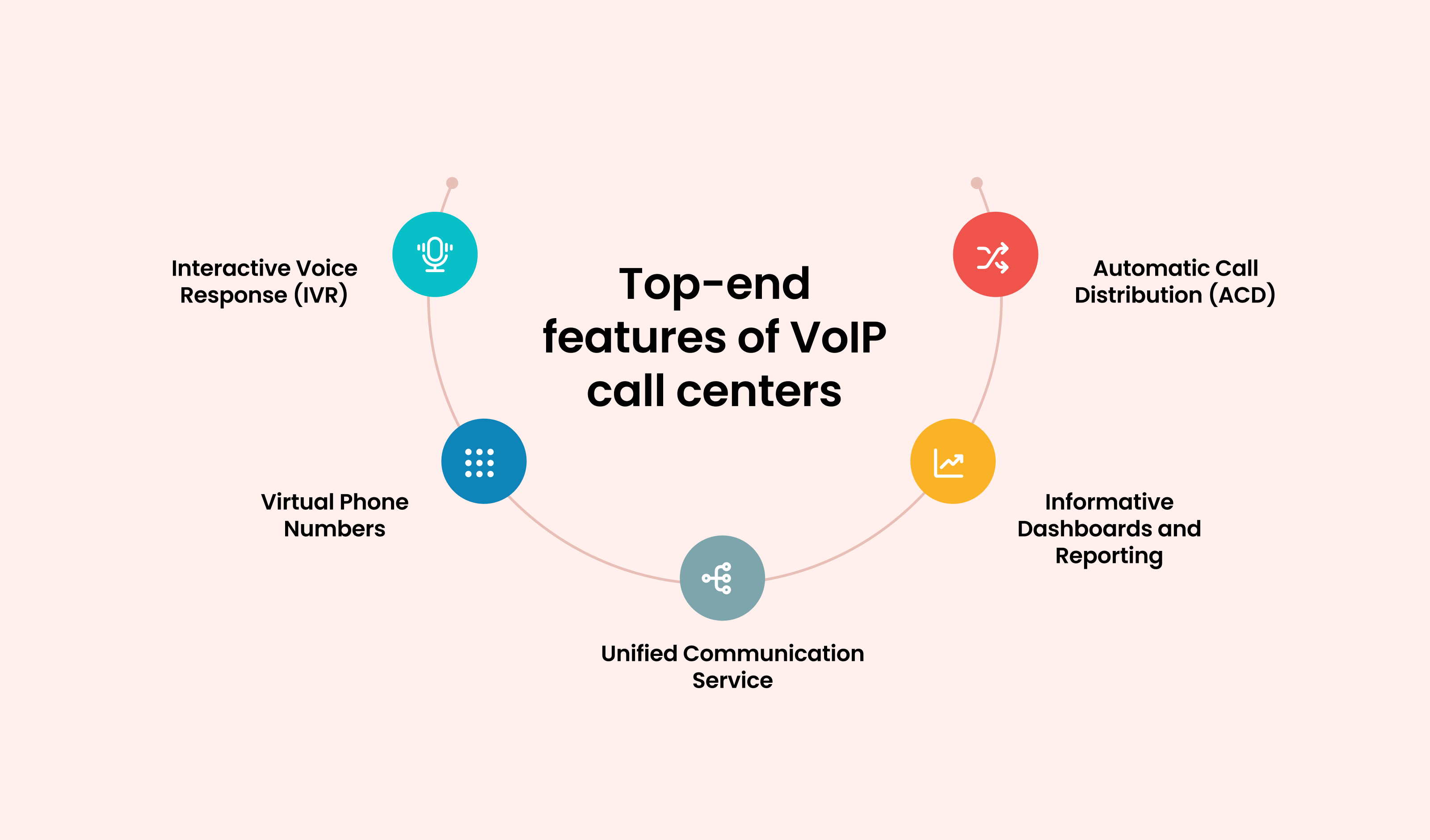
In 2026, the most significant way VoIP reshapes communication is through the deep integration of Artificial Intelligence. Because VoIP treats voice as a digital data stream, that stream can be processed in real-time by machine learning algorithms. This has given rise to features that were once considered science fiction:
- Real-time Translation: Global teams now communicate in their native languages while VoIP platforms provide near-instantaneous audio translation, removing the primary barrier to international trade.
- Sentiment Analysis: Customer service platforms analyze the tone, pitch, and speed of a caller's voice to alert supervisors if a call is escalating, allowing for proactive intervention.
- Automated Summarization: AI-driven VoIP systems now automatically generate transcriptions and bulleted "action items" from every meeting, syncing them directly into Project Management software or CRMs.
- Voice Biometrics: Security has been reshaped by using unique vocal prints to verify identity, reducing the reliance on easily compromised passwords or PINs.
Redefining the Workplace: Mobility and Nomadic Presence
VoIP has been the primary architect of the "work-from-anywhere" era. In 2026, a phone number is no longer tied to a desk; it is tied to a user identity. Through "nomadic" VoIP services, an employee can answer their professional extension on a laptop in London, a smartphone in New York, or a specialized VoIP handset in a home office.
This mobility is supported by Fixed-Mobile Convergence (FMC), which allows a seamless transition between cellular networks and Wi-Fi without dropping a call. This has reshaped the concept of a "business presence." Small businesses can now establish "virtual local presences" by obtaining local area code numbers in cities where they have no physical office, building trust with local customers while operating from a centralized hub.
Comparison: Legacy PBX vs. Modern Cloud VoIP (2026)
The following table highlights the stark differences between traditional communication systems and the modern VoIP standard.
| Feature | Legacy PSTN / On-Premise PBX | Modern Cloud VoIP (2026) |
|---|---|---|
| Hardware | Large, physical server units (PBX) | Cloud-hosted; minimal hardware (IP Phones/Apps) |
| Scalability | Requires physical wiring and new cards | Instant, software-defined expansion |
| Maintenance | Specialized on-site technicians required | Managed by the service provider (SaaS model) |
| Mobility | Tied to physical wall jacks | Device-agnostic; works anywhere with internet |
| Features | Basic (Voicemail, Caller ID) | Advanced (AI, Video, CRM Integration, Analytics) |
| Disaster Recovery | High risk (vulnerable to local outages) | High resilience (automatic failover to mobile) |
| Cost Structure | High upfront; unpredictable toll charges | Low upfront; predictable monthly subscription |
Security, Privacy, and Technical Challenges
While VoIP has reshaped communication for the better, it has also introduced new challenges that require rigorous technical management. Because voice is data, it is susceptible to the same cyber threats as any other internet-based service. SIP Trunking and hosted platforms must now prioritize End-to-End Encryption (E2EE) using protocols like SRTP (Secure Real-time Transport Protocol).
Furthermore, the industry has had to address the "E911" challenge. Since VoIP numbers are nomadic, emergency services cannot automatically determine a caller's location based on a landline database. Modern VoIP systems in 2026 utilize Dynamic Location Routing, which uses GPS and Wi-Fi access point data to relay precise coordinates to emergency responders, a critical safety evolution over early VoIP versions.
Another significant hurdle is Quality of Service (QoS). On a busy network, data packets like emails can afford a slight delay, but voice packets cannot. Organizations must configure their routers and switches to prioritize voice traffic (Tagging packets with DSCP) to prevent "choppiness" or dropped calls.
How to Transition to a Modern VoIP Ecosystem
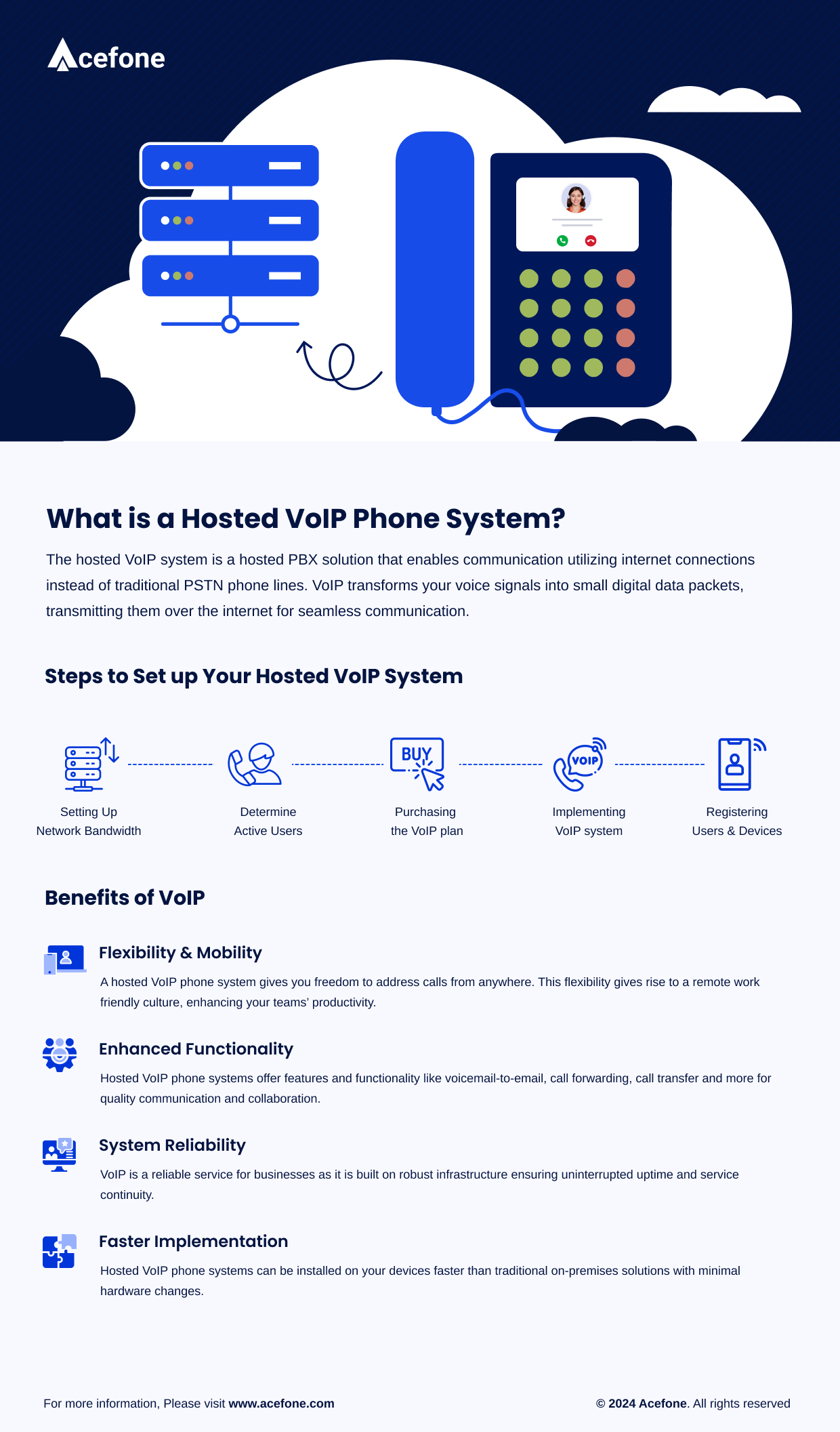
For organizations still tethered to legacy systems, the transition to a VoIP-centric model involves several critical steps:
- Network Audit: Ensure your internet bandwidth and internal networking gear can handle the concurrent voice load. Fiber connectivity is the gold standard in 2026.
- Provider Selection: Look for providers that offer SOC2 compliance and native integrations with your existing software stack (e.g., Salesforce, Microsoft Teams, or Slack).
- Number Porting: Coordinate the transfer of existing phone numbers to the new IP-based carrier. This is governed by the Federal Communications Commission (FCC) in the U.S. and similar bodies like Ofcom in the UK.
- Hardware Evaluation: Decide between dedicated IP handsets or a "softphone-only" approach where employees use headsets and computer applications.
- Security Protocols: Implement Multi-Factor Authentication (MFA) for all user accounts to prevent unauthorized access to the communication portal.
FAQs
Is VoIP call quality as good as a traditional landline?
In 2026, VoIP call quality is generally superior to traditional landlines. With the adoption of wideband audio (HD Voice) and robust fiber-optic networks, VoIP provides a much broader frequency range, resulting in clearer, more natural-sounding voices compared to the "tinny" sound of the legacy 64kbps PSTN circuits.
What happens to VoIP calls if the power goes out?
Unlike old copper phones that drew power from the phone line, VoIP devices require an internet connection and electricity. To mitigate this, modern businesses use Uninterruptible Power Supplies (UPS) for their networking gear and configure "automatic failover," which instantly redirects incoming calls to mobile devices or other branches if the local office goes offline.
Can I keep my existing phone number when switching to VoIP?
Yes. Under current telecommunications regulations, consumers and businesses have the right to "port" their numbers between carriers. This process, known as Local Number Portability (LNP), ensures that your brand identity remains consistent even as you upgrade your underlying technology.
Does VoIP support emergency services (911)?
Yes, modern VoIP providers offer "E911" (Enhanced 911) services. However, because VoIP is mobile, users must keep their registered physical address updated in the provider's portal or use devices capable of sharing dynamic location data to ensure emergency responders can find them.
Is VoIP communication secure from eavesdropping?
VoIP is highly secure when properly configured. By using Transport Layer Security (TLS) for signaling and Secure Real-time Transport Protocol (SRTP) for the actual voice data, calls are encrypted from end to end, making them significantly harder to intercept than traditional unencrypted analog lines.
Next Steps for Communication Evolution
To fully leverage how VoIP is reshaping communication, businesses should move beyond viewing it as a simple "phone replacement." The next action is to integrate your VoIP system into your broader data strategy. Explore the use of API-driven communication (CPaaS) to embed voice and messaging directly into your customer-facing applications. By treating every call as a data point, you can move from reactive communication to a proactive, AI-enhanced engagement model that defines the technological standard of 2026.
Image Gallery