89,000 Euros to Dollars: Live Conversion, Exchange Rates, and Money Transfer Guide
At a baseline EUR/USD exchange rate of 1.08, 89,000 Euros is worth approximately $96,120 US Dollars. However, the exact amount you receive depends heavily on live mid-market exchange rates, bank transfer fees, and foreign exchange spre...
At a baseline EUR/USD exchange rate of 1.08, 89,000 Euros is worth approximately $96,120 US Dollars. However, the exact amount you receive depends heavily on live mid-market exchange rates, bank transfer fees, and foreign exchange spreads. Retail banks often charge high conversion margins, which can cost you thousands of dollars on a transaction of this size.
Contents
Calculating the Value of €89,000 in US Dollars
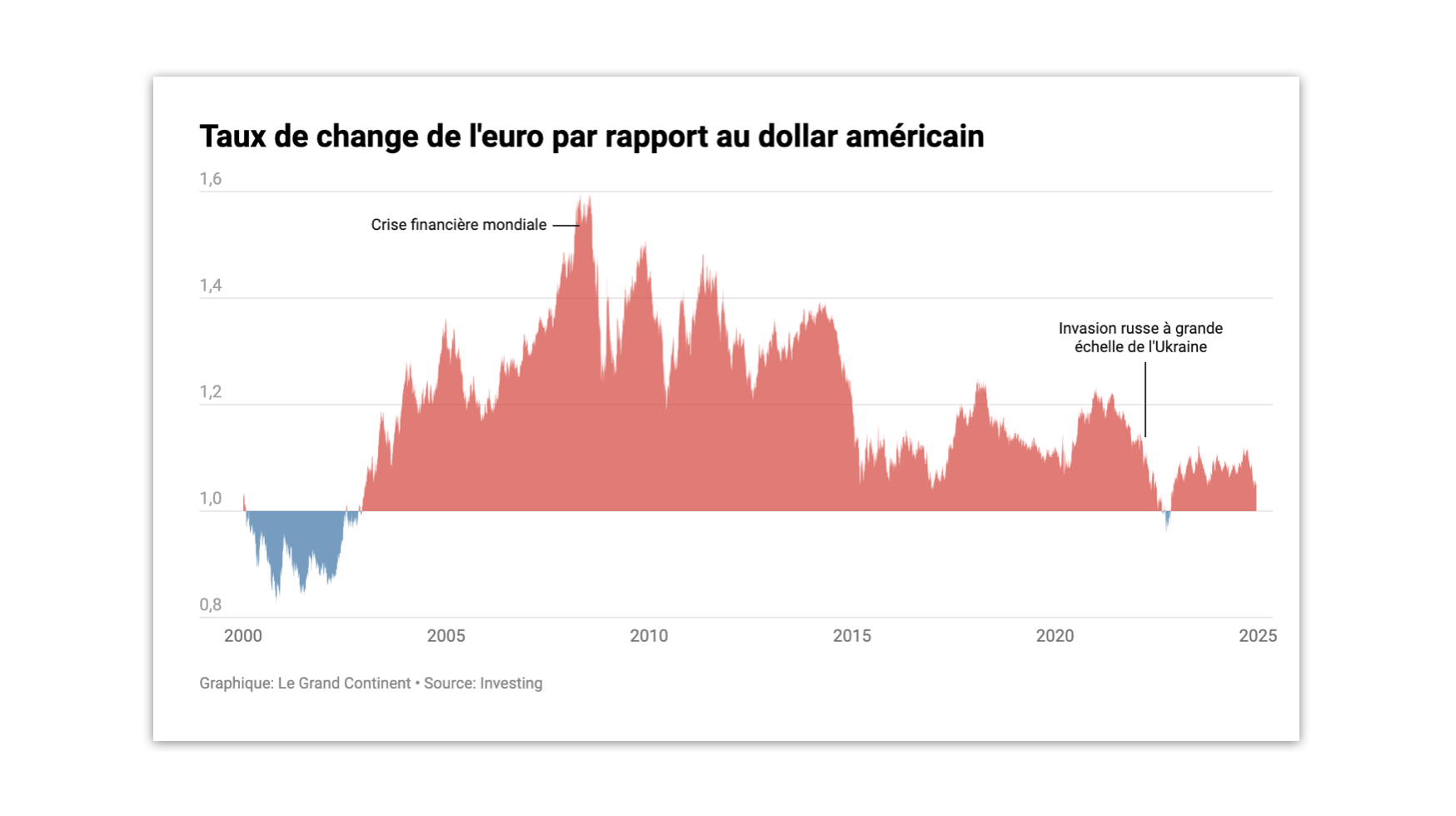
Converting a substantial sum like €89,000 into US Dollars requires understanding how foreign exchange (FX) rates function in practice. Currency values move continuously throughout global trading sessions based on macroeconomic data, interest rate differentials between the European Central Bank (ECB) and the Federal Reserve, trade balances, and geopolitical sentiment.
To determine how much $89,000 \text{ EUR}$ is worth right now, apply the core conversion formula:
$$\text{Amount in USD} = \text{Amount in EUR} \times \text{Live EUR/USD Rate}$$
For example, observing recent historical fluctuation ranges for the EUR/USD currency pair highlights how market shifts impact a sum of €89,000:
- At an exchange rate of 1.05: $€89,000 \times 1.05 = $93,450.00$
- At an exchange rate of 1.08: $€89,000 \times 1.08 = $96,120.00$
- At an exchange rate of 1.10: $€89,000 \times 1.10 = $97,900.00$
- At an exchange rate of 1.12: $€89,000 \times 1.12 = $99,680.00$
As demonstrated above, a variance of just a few cents in the exchange rate alters the total payout on €89,000 by several thousand dollars. Because of this sensitivity, timing and provider selection are critical factors when converting mid-to-large currency sums.
How Fees and Spreads Affect Converting 89,000 Euros
When converting €89,000 to USD, the exchange rate published on financial news sites—known as the mid-market rate or interbank rate—is rarely the rate offered by traditional banks or retail money transfer operators. Financial institutions generate revenue on foreign exchange through two primary mechanisms: explicit service fees and hidden exchange rate spreads.
1. The Exchange Rate Spread (Hidden Markup)
The exchange rate spread is the difference between the wholesale interbank rate and the rate a bank offers to retail consumers.
- Standard commercial banks typically apply a spread between 2.5% and 5.0% on international currency conversions.
- On a conversion of €89,000, a 3% markup reduces your effective rate from 1.0800 down to roughly 1.0476.
- This hidden markup results in receiving $93,236 instead of the real market value of $96,120—an unannounced cost of $2,884 directly to the bank.
2. Fixed Wire and Intermediary Bank Fees
In addition to the exchange rate markup, international transfers made via the SWIFT network often incur direct transaction fees:
- Outgoing Wire Fees: Charged by the sending European bank (typically €15 to €50).
- Correspondent/Intermediary Bank Fees: Deducted by routing banks along the SWIFT pathway (typically $15 to $50 per intermediary).
- Incoming Wire Fees: Charged by the receiving US bank (typically $15 to $30).
While fixed wire fees are minor compared to exchange rate spreads on an €89,000 conversion, uncoordinated correspondent routing can cause unexpected deductions from the final delivered sum.
Comparing Methods to Convert €89,000 to USD
Choosing the correct platform to transfer and convert €89,000 depends on your priorities regarding exchange rate efficiency, processing speed, regulatory protections, and dedicated customer support.
| Transfer Provider Type | Average FX Spread | Fixed Fees | Estimated Total Cost on €89,000 | Estimated Delivery Time | Best For |
|---|---|---|---|---|---|
| Traditional Retail Banks | 2.5% – 4.5% | €20 – €60 | $2,400 – $4,300 | 2 to 5 Business Days | Customers preferring single-bank branch management |
| Online FinTech Platforms (e.g., Wise, Revolut) | 0.3% – 0.6% | Transparent €50 – €350 | $300 – $600 | Same Day to 2 Business Days | Self-service online transfers with maximum rate clarity |
| Specialist FX Brokers (e.g., OFX, Currencies Direct) | 0.4% – 1.0% | $0 (Waived for high values) | $400 – $950 | 1 to 3 Business Days | Large transfers requiring phone support & risk locking |
| Airport / Retail FX Counters | 8.0% – 15.0% | Various / Variable | $7,500 – $14,000+ | Immediate (Cash) | Emergency small cash exchanges (Avoid for €89k) |
Option 1: Online FinTech Platforms
Digital money transfer platforms operate using local bank networks or near-mid-market markup pricing. By matching funds internally or utilizing local payment clearing systems (such as SEPA in Europe and ACH or Fedwire in the US), digital platforms eliminate intermediary bank markups.
For an €89,000 transaction, platforms like Wise or Revolut apply upfront, transparent structure charges. The total execution cost generally remains under 0.5%, saving the sender up to $2,500 compared to standard commercial banking options.
Option 2: Specialist Foreign Exchange Brokers
Specialist currency brokers focus exclusively on international currency transfers above major thresholds (typically over $10,000). For transfers of €89,000, currency brokers frequently provide:
- Dedicated Account Managers: Human support to help execute transfers at favorable moments.
- Negotiated Spreads: Tiered pricing structures where larger transfer volumes receive lower percentage spreads.
- Risk Management Tools: Options to lock in target rates over extended periods.
Option 3: Traditional High-Street Banks
Converting €89,000 directly through standard consumer online banking is often the most expensive method due to automated default retail spreads. However, high-net-worth clients or premier banking members may be able to negotiate a custom FX rate quote with their bank's private wealth division prior to placing the wire order.
Key Considerations for High-Value Transfers (€89,000+)
Moving €89,000 across international borders triggers statutory reporting guidelines in both the European Union and the United States. Compliance procedures must be anticipated to avoid fund holds or regulatory delays.
1. Regulatory Compliance and Anti-Money Laundering (AML)
Under Anti-Money Laundering (AML) and Know Your Customer (KYC) regulations, financial institutions must verify the origin of funds for large international transfers. When sending or receiving €89,000, prepare to supply supporting documentation to your bank or transfer platform, such as:
- Government-issued identification (passport, national ID, or driver’s license).
- Proof of fund origin (e.g., house sale contracts, inheritance documentation, tax returns, bank statements, or employment dividend slips).
- Proof of address (utility bill or official bank statement dated within the last 3 months).
2. US Tax and Treasury Reporting Guidelines
Receiving an equivalent of ~$96,000 in the US from an overseas source does not automatically generate a federal income tax liability, but it does carry specific informational reporting rules enforced by the Internal Revenue Service (IRS) and the Financial Crimes Enforcement Network (FinCEN):
- Form 8300 & BSA Wire Reports: US financial institutions automatically file a Currency Transaction Report (CTR) or Report of Foreign Bank and Financial Accounts tracking data for incoming international transfers exceeding $10,000.
- Form 3520 (Annual Return to Report Transactions With Foreign Trusts and Receipt of Certain Foreign Gifts): If the €89,000 represents a gift or bequest from a foreign individual exceeding $100,000 (or close to that threshold when combined with other gifts in the same tax year), the US recipient must report it on Form 3520 to avoid severe penalties.
- FBAR (FinCEN Form 114): If you are a US person holding €89,000 in a foreign bank account prior to converting it, you must report the foreign account on your annual FBAR filing if the aggregate value of foreign accounts exceeded $10,000 at any point during the calendar year.
Disclaimer: International tax requirements vary based on personal tax residency and transaction classification. Consult a qualified Certified Public Accountant (CPA) or international tax attorney regarding your specific status.
3. FX Risk Management Strategies
If you need to transfer €89,000 but do not require immediate delivery, FX brokers offer financial contracts to mitigate exchange rate volatility:
- Forward Contracts: Allow you to lock in a specific EUR/USD exchange rate today for a transfer occurring up to 12 to 24 months in the future. This protects your capital if the Euro depreciates against the US Dollar before your payment date.
- Limit Orders: Allow you to set a target exchange rate (e.g., 1.1000). The transaction executes automatically only if the market reaches your designated threshold.
- Stop-Loss Orders: Establish a minimum floor rate to prevent major losses if the currency market drops unexpectedly.
Step-by-Step Guide: How to Convert €89,000 to USD Efficiently
To execute an €89,000 transfer while maximizing your final US Dollar payout, follow this structured process:
- Compare Live Rates
- Select Low-Spread Provider
- Complete KYC Verification
- Lock Rate & Transfer
Step 1: Benchmark the Live Mid-Market Rate
Before contacting any provider, search financial sources (such as Bloomberg, Reuters, or XE) to check the live mid-market EUR/USD rate. This provides a baseline benchmark to measure provider markups.
Step 2: Request Total "Delivered Amount" Quotes
Do not compare providers based solely on advertised conversion rates or "fee-free" claims. Ask each provider directly: "If I deposit €89,000 today, exactly how many US Dollars will land in the destination account after all fees and spreads?"
Step 3: Complete Identity Verification in Advance
High-value transfers require identity clearance. Submit your identification and proof of funds documents to your chosen platform prior to initiating the transfer to ensure that your funds are not frozen mid-transit during routine AML compliance checks.
Step 4: Lock in the Rate and Execute the Wire
Once verified, initiate a rate-lock order with your provider. Deposit the €89,000 into the provider's local European account via SEPA transfer. The provider will then execute the currency swap and disburse the USD via local wire or ACH into your US account.
Common Pitfalls to Avoid When Converting Euros to Dollars
- Accepting Dynamic Currency Conversion (DCC): If paying or withdrawing money internationally using a credit or debit card, always choose to be billed in the local currency (EUR). Allowing a merchant or foreign ATM to convert the charge into USD via DCC can incur exchange rate markups as high as 6% to 12%.
- Relying on Default Online Banking Wires: Initiating a raw bank-to-bank SWIFT wire without prescheduling FX rates puts your transaction at the mercy of the bank's daily retail exchange board rate, which often carries heavy built-in spreads.
- Ignoring Intermediary Bank Routing Charges: When issuing wire transfers from Europe to the US, specify whether wire charges are paid by the sender (OUR), shared (SHA), or paid by the receiver (BEN). Selecting the incorrect option can result in intermediate banks deducting fees directly from your principal conversion sum.
Frequently Asked Questions
How much is €89,000 in USD right now?
At a representative EUR/USD exchange rate of 1.08, €89,000 converts to approximately $96,120 USD. Because exchange rates fluctuate continuously, the exact value depends on the live mid-market rate and the specific currency spread applied by your transfer provider.
Is converting €89,000 to US Dollars subject to taxes?
The act of converting currency is not inherently taxable, but the transaction that generated or resulted from the funds may be. For instance, capital gains, property sales, offshore business income, or foreign gifts may trigger tax obligations under US IRS or EU local laws. Always review your filing requirements with a qualified tax expert.
How long does an international transfer of €89,000 take?
Transfers processed through digital FX platforms or local payment networks typically take 1 to 2 business days. Standard international bank-to-bank wire transfers moving over the SWIFT network generally take 2 to 5 business days, depending on intermediary clearing speeds and compliance verification timelines.
Can I lock in an exchange rate for €89,000 before sending funds?
Yes. Specialist foreign exchange brokers and select digital platforms offer forward contracts and limit orders. These tools allow Senders to lock in a favorable EUR/USD exchange rate upfront, protecting the transfer sum from adverse market movements while funds are in transit.
What is the cheapest way to send 89,000 Euros to the US?
Using a specialized FX broker or digital international money transfer service (such as Wise or OFX) is typically the most cost-effective method. These services charge minimal FX markups (often under 0.5%) compared to traditional commercial banks, which routinely charge spreads between 2.5% and 5.0% on currency conversions.
Final Recommendation: Getting the Best Value on Your €89,000 Transfer
Converting €89,000 into US Dollars represents a substantial financial movement where platform selection directly influences your final yield. Converting through a standard retail bank without negotiating rates can result in hidden spread fees exceeding $2,500 to $4,000.
For transfers of this scale, request explicit guarantees on total delivered USD payout from digital money transfer platforms and specialist FX brokers. Verify compliance and identity requirements before transferring funds, and utilize tools like forward contracts if you need to protect your exchange rate against short-term market volatility.
Image Gallery