NIH FCU Auto Insurance Overview: Coverage and Member Benefits
As of 2026, the National Institutes of Health Federal Credit Union (NIH FCU) provides members with access to comprehensive auto insurance solutions through strategic partnerships with established national insurance carriers. These prog...
As of 2026, the National Institutes of Health Federal Credit Union (NIH FCU) provides members with access to comprehensive auto insurance solutions through strategic partnerships with established national insurance carriers. These programs are designed to offer specialized policy options, potential group-rate discounts, and streamlined claims processing tailored to the financial needs of federal employees and their families.
Contents
Understanding the NIH FCU Insurance Framework
The NIH FCU does not underwrite auto insurance policies directly; rather, it functions as a facilitator that connects its membership base with trusted third-party providers. This model allows the credit union to offer competitive financial services while ensuring that members receive coverage backed by organizations with large-scale risk-management capabilities.
For members, this means that while the promotional and informational aspects of the insurance are handled through the credit union's platform, the actual legal contract, policy management, and claims adjudication reside with the insurance carrier. Understanding this distinction is vital, as it influences how policyholders update their coverage, initiate claims, or seek assistance during a service disruption.
Eligibility and Enrollment Prerequisites
Access to these insurance programs is typically restricted to individuals who meet the credit union’s membership requirements. To enroll in an auto insurance policy offered through the NIH FCU partnership, an individual must generally be a member in good standing.
Membership eligibility is broadly defined to include NIH employees, personnel from select partner organizations, and immediate family members of existing members. Before beginning the quote process, prospective applicants should have their membership status verified. Being a member not only grants access to these insurance avenues but often serves as the primary gateway to the preferred pricing tiers associated with the partnership.
Features of Member-Exclusive Auto Coverage
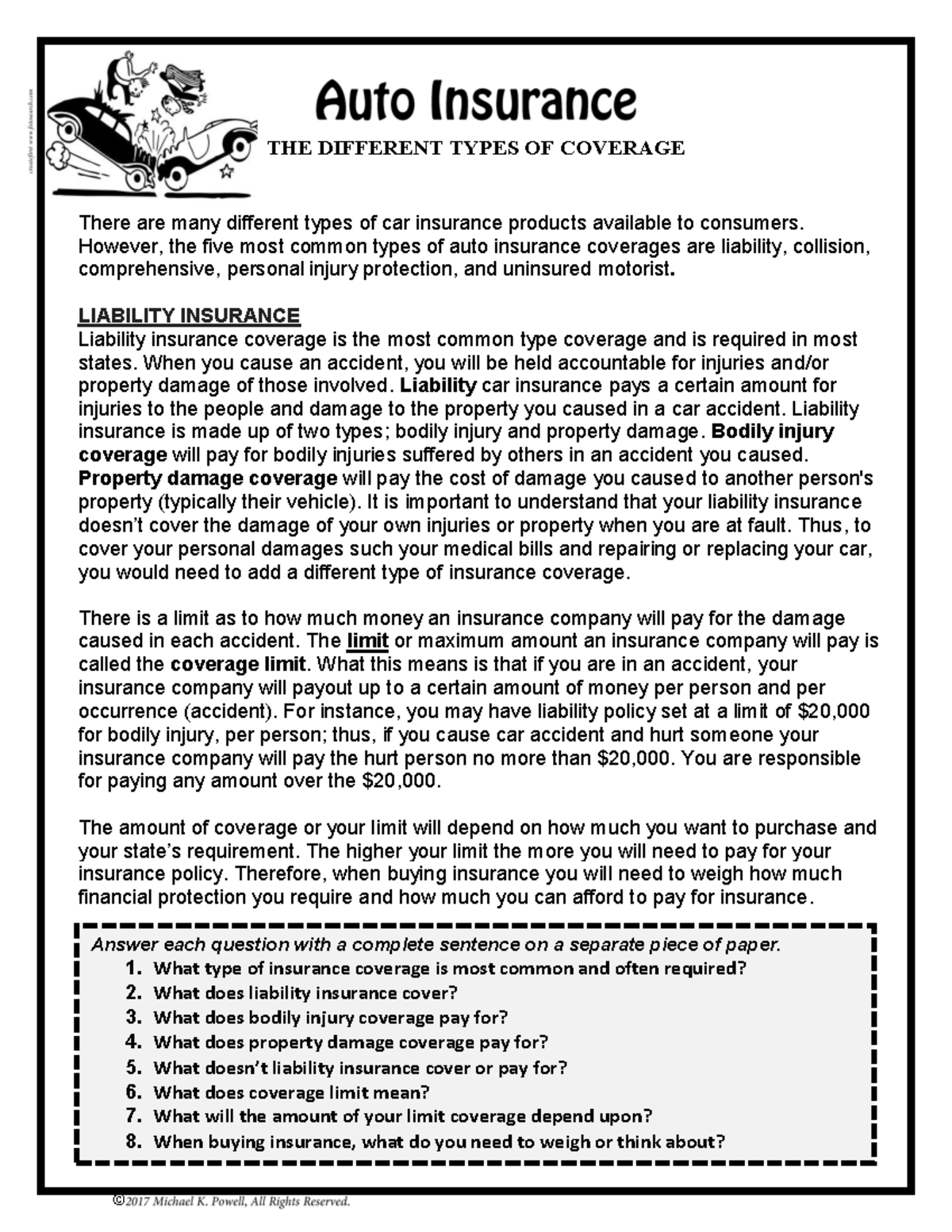
When reviewing auto insurance options facilitated by the NIH FCU, members should focus on several core components that define the value of the protection. These policies are generally structured to meet or exceed state-mandated minimum liability requirements while providing options for comprehensive and collision coverage.
Core Coverage Components
- Liability Coverage: Protects the policyholder against financial loss resulting from bodily injury or property damage caused to others in an accident where the policyholder is at fault.
- Collision Coverage: Covers repairs to the policyholder's vehicle resulting from a collision with another vehicle or object, regardless of fault.
- Comprehensive Coverage: Addresses non-collision related damages, such as theft, vandalism, fire, or weather-related events.
- Uninsured/Underinsured Motorist Protection: Provides a crucial safety net if an accident occurs involving a driver who lacks adequate insurance coverage.
Added Value Services
Beyond standard coverage, many carriers partnered with credit unions like the NIH FCU include value-added benefits such as 24/7 roadside assistance, rental car reimbursement, and glass repair programs. These features are often integrated into the member-discounted packages, providing a more robust safety profile for the daily commuter.
Comparison of Coverage Models
Choosing the right policy requires an objective analysis of how credit union-affiliated plans compare to standard market offerings. The following table illustrates the typical considerations when evaluating an auto insurance quote.
| Feature | Credit Union Partner Plan | Standard Retail Policy |
|---|---|---|
| Pricing Strategy | Often includes member-specific discounts | Variable based on market acquisition |
| Service Model | Integrated member support channels | Standard corporate customer service |
| Customization | Scalable based on carrier partnership | High degree of individual tailoring |
| Bundling | Often optimized for home/auto combined | Competitive, but requires manual search |
Steps to Secure and Manage Your Policy
- Verification: Confirm your NIH FCU membership status to ensure eligibility for partner-specific pricing.
- Information Gathering: Compile your current vehicle identification numbers (VINs), driving history, and current coverage declaration pages for an accurate comparison.
- Quote Request: Use the official NIH FCU portal to navigate to the insurance partner’s landing page. This step is critical, as it ensures the carrier identifies you as a credit union member.
- Policy Review: Carefully examine the coverage limits, deductibles, and exclusions. Pay particular attention to the "declarations page" provided by the carrier during the quote process.
- Finalization: Once the policy is active, ensure that your lender (if you financed your vehicle through NIH FCU or another institution) receives the required proof of insurance.
Potential Advantages for Federal Employees
Federal employees and NIH staff often have specific lifestyle and commuting patterns that benefit from specialized insurance structures. Because the NIH FCU operates with an understanding of this workforce, the partnerships they form often prioritize carriers that offer flexible payment plans, military or government employee discounts, and robust digital management tools. These tools are particularly useful for busy professionals who need to manage their policy through mobile applications, request digital proof of insurance cards, or track the progress of a repair claim without visiting a physical office.
Addressing Common Concerns and Troubleshooting
Members often inquire about what happens if they leave the NIH FCU. In most cases, your auto insurance policy remains active because it is held directly with the insurance carrier, not the credit union. However, you may lose eligibility for specific member-only discounts upon the expiration of your policy term or if the carrier conducts a periodic eligibility audit.
If you encounter technical issues during the quote process—such as a failure to recognize your member status—the recommended troubleshooting step is to contact the NIH FCU member services department directly. They can verify your eligibility status or provide the correct referral link to the insurance partner’s portal. Always avoid providing sensitive personal information to third-party sites that are not directly linked from the official NIH FCU website.
Frequently Asked Questions
Does the NIH FCU provide the actual insurance policy? No. The NIH FCU partners with third-party insurance providers. The credit union facilitates the relationship, but the insurance carrier is the entity that underwrites the risk and manages the policy.
Are there discounts specifically for NIH employees? Many insurance partners offer group-rate discounts for federal employees and credit union members. These are often applied automatically when you use the referral link from the official NIH FCU portal.
Can I bundle my auto insurance with other policies? Yes. Most carriers partnered with the NIH FCU allow for the bundling of home, renters, or life insurance. Bundling can often lead to multi-policy discounts, which should be requested during the quoting process.
What happens if I have an accident? You should contact the insurance carrier directly using the claims phone number provided in your policy documents. Most major carriers provide 24/7 claims support via mobile apps and online portals.
Is it necessary to inform my loan officer about my insurance change? If you have an active auto loan with the NIH FCU, you are contractually obligated to maintain comprehensive and collision coverage. If you switch insurance carriers, ensure your new insurance information is provided to the credit union to avoid the initiation of "force-placed" insurance, which is often more expensive and provides less coverage.
Recommendation for Next Steps
To begin the process of evaluating your auto insurance needs, log in to your secure member portal on the NIH FCU website. Locate the "Insurance" or "Member Benefits" section to view the current authorized partners. Before signing any new agreement, conduct a side-by-side comparison of your existing coverage limits against the new quote to ensure there are no gaps in protection. If you are currently financing a vehicle, reach out to your lender to ensure that any changes you make will comply with the terms of your specific loan agreement.
Image Gallery