The Heineken Club and Its Global Reach: Understanding the Brand Ecosystem
The Heineken Club and the broader Heineken brand experience represent a sophisticated global strategy designed to foster consumer loyalty through immersive lifestyle, sports, and entertainment engagements. By leveraging massive distrib...
The Heineken Club and the broader Heineken brand experience represent a sophisticated global strategy designed to foster consumer loyalty through immersive lifestyle, sports, and entertainment engagements. By leveraging massive distribution networks and strategic partnerships, the organization extends its reach far beyond the point of sale, creating a unified international presence that maintains consistent brand equity across diverse markets.
Contents
Understanding the Heineken Brand Infrastructure
To comprehend the "Heineken Club" concept, one must first recognize that Heineken N.V. operates not merely as a brewer, but as a global lifestyle entity. Unlike a formal membership-based "club," the term frequently refers to the collective ecosystem of brand-affiliated experiences, hospitality venues, and exclusive event access points that the company cultivates worldwide.
The reach of this ecosystem is facilitated by an extensive supply chain that spans over 190 countries. By maintaining localized production—or "glocalization"—Heineken ensures that the core brand experience remains consistent while adhering to regional regulatory requirements and cultural preferences. This infrastructure allows the company to deploy marketing campaigns that resonate with local demographics while simultaneously broadcasting a singular global message of premium quality and international socialization.
Pillars of Global Reach and Engagement
The effectiveness of Heineken’s global footprint relies on three primary pillars: massive-scale sports sponsorship, high-end hospitality integration, and digital connectivity.
Sports Sponsorship as a Global Language
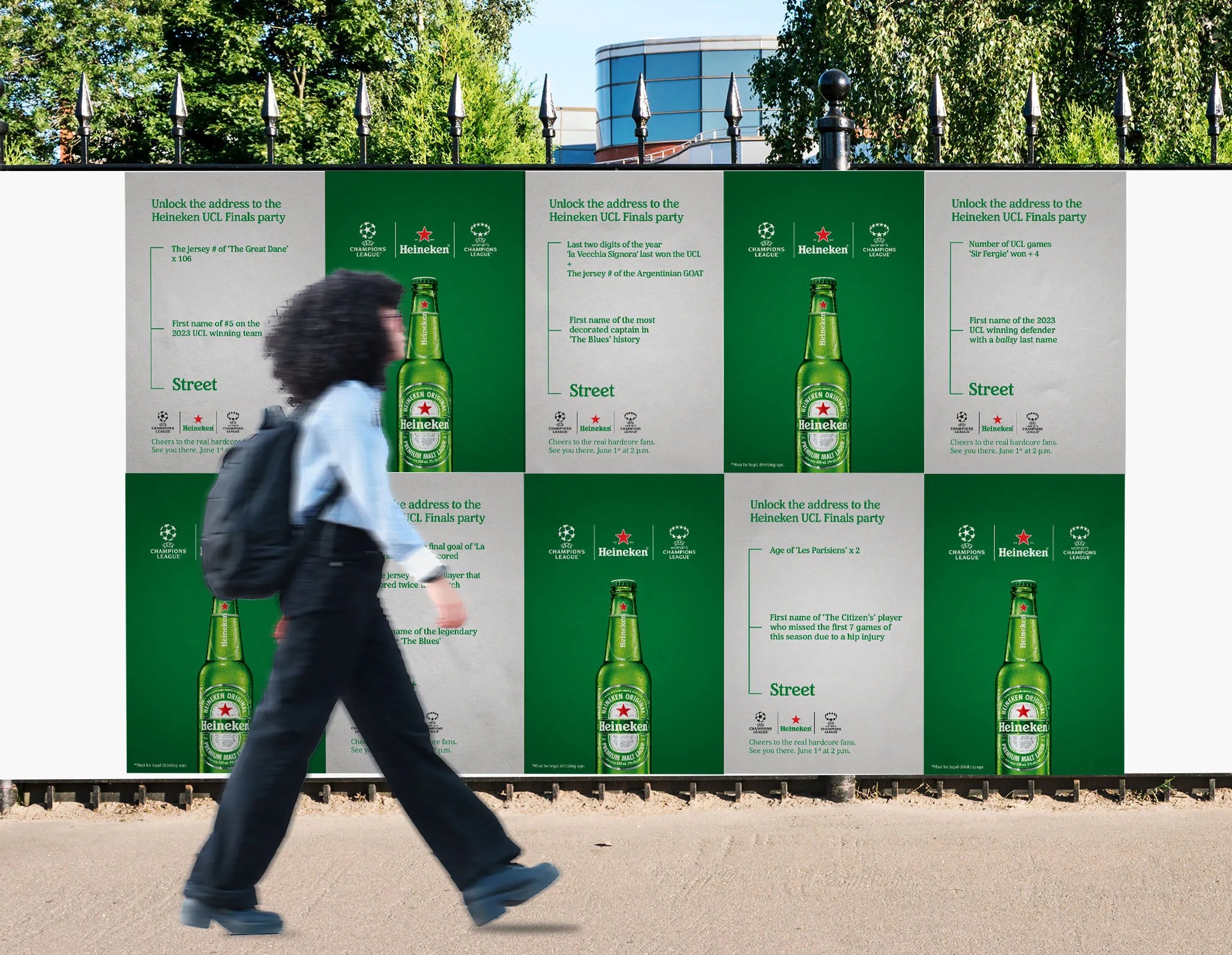
Heineken has solidified its status as a global entity through its long-standing partnership with the UEFA Champions League. This collaboration serves as the cornerstone of its international reach. By embedding the brand within the most-watched annual sporting event, Heineken creates a unified "viewing club" environment. Whether a consumer is in Amsterdam, Mexico City, or Tokyo, the association between the brand and premium football creates a shared cultural touchpoint that defines the brand's international stature.
Hospitality and Experience Integration
The brand invests heavily in physical activation sites. These locations range from pop-up clubs at major festivals like Coachella or the Heineken Experience in Amsterdam to exclusive lounge spaces within partner stadiums. These physical spaces act as "clubs" for brand advocates, providing an environment that reinforces the premium positioning of the Heineken portfolio.
Digital Connectivity and Data Strategy
As of 2026, the company utilizes sophisticated data analytics to map consumer behaviors across its digital portals. This allows the brand to offer personalized content, event invitations, and loyalty rewards that feel exclusive. By digitizing the relationship, Heineken transforms anonymous consumers into active participants in the "Heineken Club" experience, effectively bridging the gap between digital marketing and real-world consumption.
Global Distribution and Operational Scaling
The logistical reach of the company is a critical component of its market dominance. Heineken operates a network of over 160 breweries, which allows the brand to manage high-volume supply chains efficiently. This operational capability is what allows the "Heineken Club" lifestyle to reach remote markets.
| Operational Element | Global Impact Strategy |
|---|---|
| Supply Chain | Regional brewing reduces transport costs and carbon footprint. |
| Partnership | Integration with hospitality giants secures premium pouring rights. |
| Market Data | Real-time analysis informs localized marketing activations. |
| Brand Identity | Standardized packaging and logos ensure immediate recognition. |
Prerequisites for Strategic Partnership and Participation
For businesses or event organizers looking to align with the Heineken brand ecosystem, there are specific prerequisites. Participation is rarely open-access; it is typically governed by strict corporate social responsibility (CSR) standards, brand alignment, and volume-based performance metrics.
- Regulatory Compliance: Any entity seeking a formal partnership must adhere to local and national alcohol advertising and distribution laws, which vary significantly by jurisdiction.
- Brand Alignment: Heineken prioritizes partners that reflect a premium, cosmopolitan image consistent with their global branding guidelines.
- Infrastructure Capability: Partners must demonstrate the ability to maintain cold-chain integrity and professional serving standards, as the brand quality is the primary driver of its reputation.
- Operational Maturity: Large-scale activations require sophisticated logistics and event management capabilities to meet the safety and hospitality standards required by the organization.
Common Misconceptions Regarding Access
A common point of confusion for consumers is the distinction between a formal "Heineken Club" membership and marketing-driven loyalty. Unlike traditional subscription clubs, there is no centralized, global enrollment platform that grants universal access to all Heineken-branded venues. Instead, access is usually managed through:
- Regional Promotions: Local campaigns in specific countries that reward consumers with event access.
- Trade Partnerships: Exclusive access granted to B2B partners, distributors, or high-volume retail accounts.
- Digital Sweepstakes: Global digital platforms that facilitate participation in sweepstakes for high-profile events like the Champions League final.
Consumers often seek a singular "key" to these experiences, but in practice, the ecosystem functions as a decentralized network where access is earned through brand participation or local market loyalty initiatives.
Future Outlook: Technology and Personalization
Looking toward the latter half of 2026, the trajectory for the Heineken brand ecosystem points toward increased hyper-personalization. The integration of artificial intelligence in customer relationship management (CRM) systems is enabling the company to tailor "member" experiences more precisely. This means that a consumer in a major urban center can expect digital notifications for Heineken-sponsored events that are statistically likely to match their personal interests, such as electronic music, tech conferences, or professional sports.
Furthermore, the brand is increasingly focusing on the intersection of sustainability and social interaction. As environmental regulations tighten, the "Heineken Club" experience is evolving to emphasize low-carbon event logistics and circular economy practices within their physical hospitality activations.
Frequently Asked Questions
Is there a universal membership for the Heineken Club? No, there is no single global membership card or portal. The "club" refers to the network of brand-sponsored events, hospitality venues, and digital campaigns that offer curated experiences to consumers globally.
How does Heineken manage brand consistency across different countries? The company utilizes standardized brand identity guidelines and centralized global marketing strategies, while local operations teams execute these strategies within the bounds of regional laws and cultural nuances.
What is the most effective way to engage with the brand's exclusive events? Engagement is most commonly achieved through participation in local market loyalty programs, following the brand’s official regional digital channels, and entering official sweepstakes tied to global sporting or music partnerships.
Does Heineken directly own all the venues associated with its brand? No, Heineken primarily partners with existing hospitality, stadium, and event entities. They provide brand assets, marketing support, and product supply rather than owning the physical real estate in most cases.
How are the legal requirements handled for global brand activations? Heineken maintains dedicated legal and regulatory affairs teams in every region of operation to ensure that all marketing, distribution, and event activities comply with local alcohol-related statutes, including age-gating and responsible consumption messaging.
Recommended Next Steps
If you are an industry professional seeking to engage with the brand's global network, the most productive action is to identify your regional Heineken representative or authorized distributor. Visit the official corporate website to locate the office responsible for your specific country. From there, review the brand’s current partnership criteria and CSR guidelines. For consumers, the best way to stay informed about potential access to events is to monitor the brand’s official digital social media channels and regional marketing portals, as these are the primary hubs for communicating exclusive opportunities.
Image Gallery