Understanding How Life Insurance Deductions Work on Your Payroll Check
When your employer offers life insurance as a benefit, the premiums are often processed as a payroll deduction, meaning the cost is automatically subtracted from your gross earnings before your paycheck is issued. This arrangement simp...
When your employer offers life insurance as a benefit, the premiums are often processed as a payroll deduction, meaning the cost is automatically subtracted from your gross earnings before your paycheck is issued. This arrangement simplifies the payment process, ensures consistent coverage, and often provides access to group-rate pricing that is generally more affordable than purchasing an individual policy on the open market.
Contents
The Mechanism of Payroll Deductions for Life Insurance
Life insurance deductions on your payroll check represent an agreement between you, your employer, and an insurance carrier. In a typical workplace environment, the employer sponsors a group life insurance plan—often referred to as Group Term Life Insurance. Because the employer negotiates the contract as a group, they can leverage the scale of their entire workforce to secure lower premium rates from the insurer.
When you opt into this coverage, the insurance company notifies your payroll department of the required premium amount. This amount is then set up as a "deduction" in the payroll software. Depending on the company’s specific policy and the structure of the benefit, this deduction can be categorized in one of two ways:
- Pre-tax Deductions: While rare for life insurance premiums, if your employer offers a cafeteria plan or a specific type of benefit package where life insurance is bundled with other health-related benefits, some portions may be handled differently. However, under standard IRS guidelines, employer-provided group term life insurance premiums for coverage up to $50,000 are generally excluded from your taxable income.
- Post-tax Deductions: This is the most common method for supplemental or voluntary life insurance. The premium is taken out after income taxes have been calculated and withheld. While this does not lower your taxable income in the short term, it typically ensures that if a death benefit is paid out to your beneficiaries, that benefit is received income-tax-free.
Why Employers Utilize Payroll Deductions
For human resources and finance departments, automating life insurance payments via payroll is a matter of administrative efficiency and risk management. By centralizing the payment process, the employer minimizes the risk of a policy lapsing due to a missed payment by an employee.
If an employee had to write a check or set up an automated transfer to an insurance company independently, there is a higher probability of error or oversight. By managing this through the payroll system, the employer ensures that as long as the employee is active and receiving a paycheck, their coverage remains in force. This creates a seamless "set it and forget it" experience for the worker, which is a major factor in the high adoption rates of employer-sponsored insurance programs.
Distinguishing Between Employer-Paid and Employee-Paid Coverage
It is crucial to understand whether your payroll deduction is for "Basic Life" or "Supplemental Life" insurance. Many employers provide a base amount of life insurance—for example, $50,000—at no cost to you. In this scenario, you will see no deduction on your pay stub, yet you remain covered.
Conversely, if you choose "Supplemental" or "Voluntary" life insurance, you are choosing to purchase additional coverage beyond the employer-provided baseline. This is where the deduction appears on your pay stub. The amount of this deduction is usually based on three factors:
- Your Age: Premiums often increase in age-bracketed steps (e.g., every five years).
- Coverage Amount: The total face value of the policy you have selected (e.g., $100,000, $250,000, or a multiple of your annual salary).
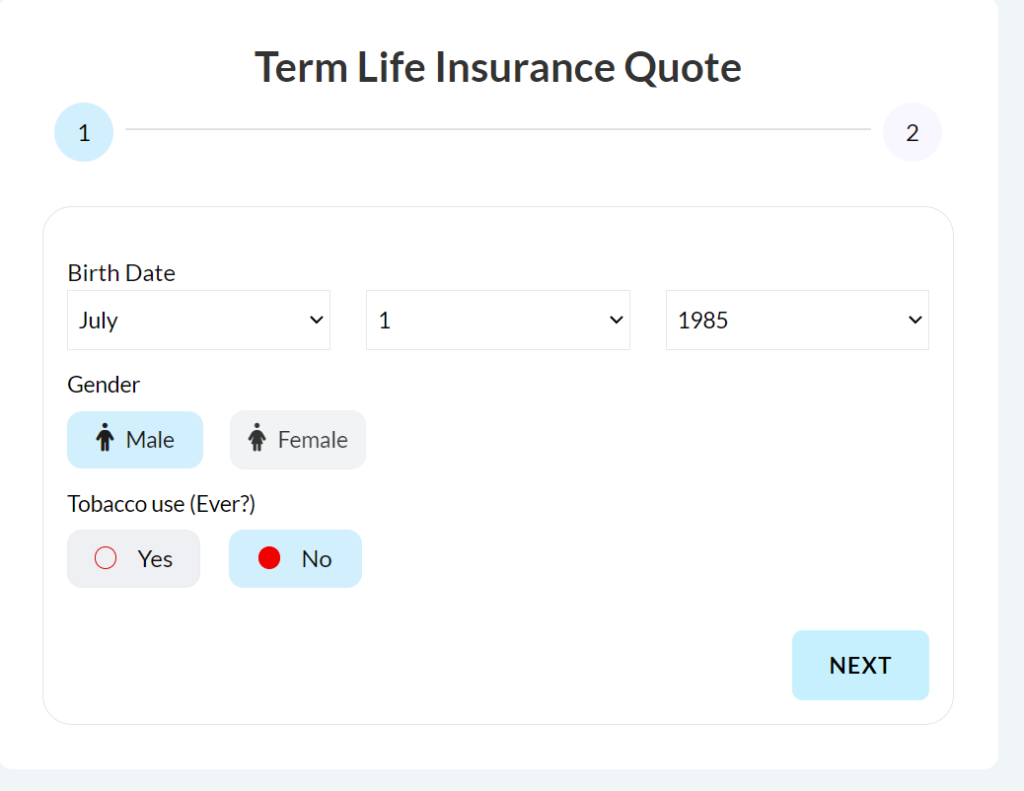
- Risk Class: While group policies rarely require a medical exam, some employers may ask for information regarding tobacco use, which can impact the premium deduction rate.
Comparison of Coverage Methods
| Feature | Employer-Sponsored Group Policy | Individual Private Policy |
|---|---|---|
| Payment Method | Payroll deduction | Direct billing (ACH, check, credit card) |
| Medical Requirements | Usually none (guaranteed issue) | Often requires medical exam/underwriting |
| Cost Basis | Group rates (often lower) | Based on individual health profile |
| Portability | Limited (may end if you leave job) | Permanent (stays with you) |
| Ease of Access | High (automatic) | Moderate (requires application) |
Key Considerations for Your Financial Planning
Before you rely solely on a payroll-deducted life insurance policy, there are several limitations you must recognize. The most significant issue is portability. If you leave your company, the life insurance benefit generally ends or becomes prohibitively expensive to convert to an individual policy. Unlike a private policy, which you own and control regardless of your employment status, employer-sponsored plans are tied strictly to your tenure.
Furthermore, consider the amount of coverage. Standard payroll-deducted policies often cap coverage at a multiple of your salary (e.g., 2x or 3x your annual earnings). For many families, this amount is insufficient to cover long-term debts, mortgage payments, or future educational costs. It is often recommended to use the employer-sponsored policy as a foundation and supplement it with an individual policy that you own personally.
Troubleshooting Payroll Errors
If you notice a discrepancy in your life insurance payroll deduction, follow these steps to ensure your coverage is not affected:
- Verify the Pay Stub: Check your benefits enrollment portal to compare the elected premium amount with what is actually being deducted.
- Contact Human Resources: Payroll errors regarding benefit deductions are common when transitioning between pay periods or changing coverage levels. Your HR representative can audit your payroll record against the insurance carrier’s bill.
- Check Beneficiary Data: A deduction verifies that you are paying for the insurance, but it does not confirm that your beneficiary information is updated. Always verify that your designated beneficiaries are current in your employee benefits portal.
Frequently Asked Questions (FAQ)
Does a payroll deduction for life insurance save me on taxes? Generally, no. Most supplemental life insurance premiums are paid with post-tax dollars. However, the death benefit payout to your beneficiary is typically income-tax-free, which is a significant advantage.
What happens to my life insurance if I am not receiving a paycheck? If you go on unpaid leave, your employer may require you to pay your premiums directly to them to keep the policy active. Check your employee handbook for "leave of absence" provisions regarding benefits.
Why did my life insurance deduction amount increase? The most common reason is an age-bracket change. As you get older, your risk profile changes according to the group insurance contract, and the premium rates adjust automatically at specified age intervals.
Can I cancel the payroll deduction for life insurance? Yes, you can typically cancel voluntary coverage during your company's annual "Open Enrollment" period or following a "Qualifying Life Event" (such as marriage, divorce, or the birth of a child).
Is the insurance company listed on my paycheck the only one I should have? It is often wise to view payroll-deducted insurance as a secondary layer of protection. Because it is tied to your employment, relying on it exclusively as your only life insurance can leave you vulnerable if you change jobs or are laid off.
Next Steps for Your Coverage
Review your latest pay stub to confirm the amount being deducted and cross-reference this with your most recent Open Enrollment statement. If you find that your total coverage is less than 5 to 10 times your annual income, consult with a financial advisor to discuss individual policy options that can provide permanent, portable protection, ensuring your family’s financial security regardless of your employment status.
Image Gallery