Navigating the Selection Process for the Best Electrical Engineering Schools Undergraduate
Choosing the best electrical engineering schools for an undergraduate degree requires evaluating institutional research intensity, faculty-to-student ratios, accreditation standards, and industry alignment. Students should prioritize p...
Choosing the best electrical engineering schools for an undergraduate degree requires evaluating institutional research intensity, faculty-to-student ratios, accreditation standards, and industry alignment. Students should prioritize programs that provide a rigorous foundation in circuit theory, electromagnetics, and digital systems, while offering practical laboratory access and cooperative education opportunities to ensure long-term career success in a rapidly evolving technological landscape.
Contents
Understanding Electrical Engineering Accreditation
The primary standard for undergraduate engineering programs in the United States is accreditation by the Accreditation Board for Engineering and Technology (ABET). Before considering the prestige or research output of an institution, an applicant must verify that the specific electrical engineering (EE) program holds current ABET accreditation. This ensures that the curriculum meets the quality standards established by the profession for entry-level practice.
Without ABET accreditation, a degree may not be recognized by state licensing boards for Professional Engineer (PE) licensure, nor will it typically satisfy the educational requirements for government engineering positions. In 2026, students can verify the status of any program through the official ABET accredited program search tool.
Key Indicators of Program Excellence
Beyond basic accreditation, several qualitative and quantitative indicators distinguish the top-tier electrical engineering programs. These factors influence not only the immediate educational experience but also the strength of an alumnus's professional network.
Faculty Specialization and Research Intensity
The "best" schools are often research-intensive universities where faculty members are active contributors to the field. Exposure to cutting-edge research in semiconductors, power systems, or signal processing allows undergraduates to participate in lab work that pushes beyond textbook theory. When reviewing a program, check for faculty publications and the availability of undergraduate research assistantships.
Laboratory Infrastructure and Hardware Access
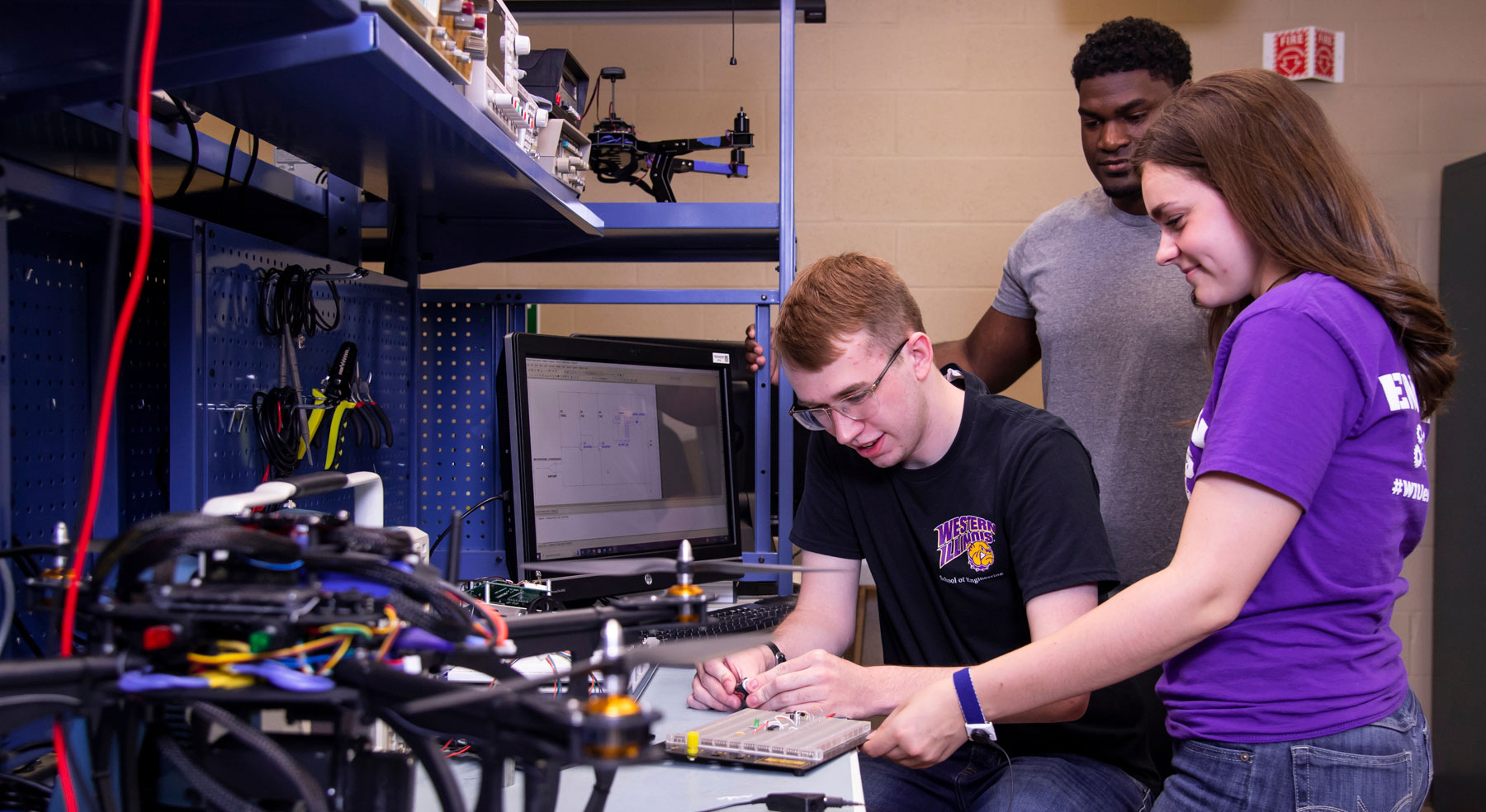
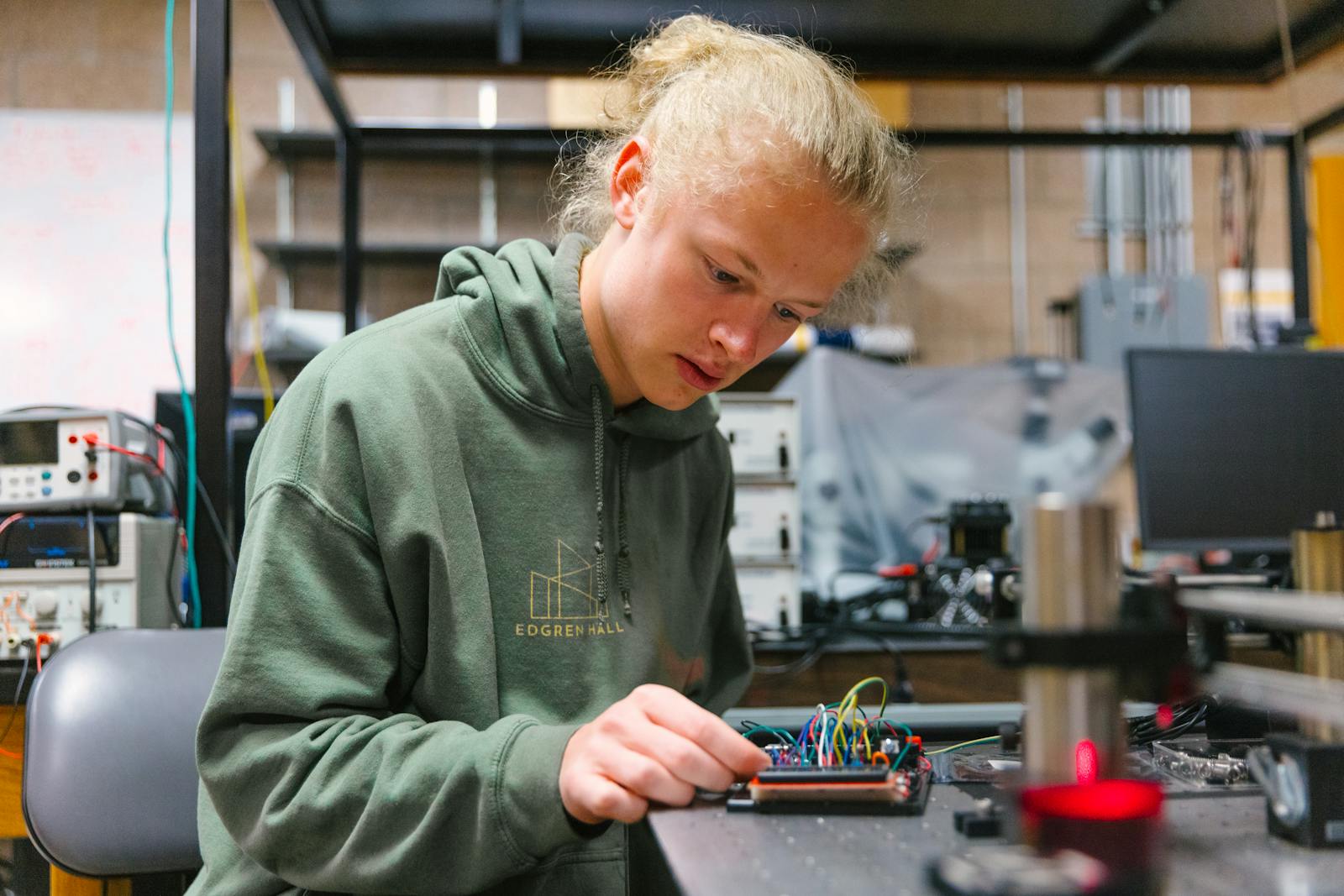
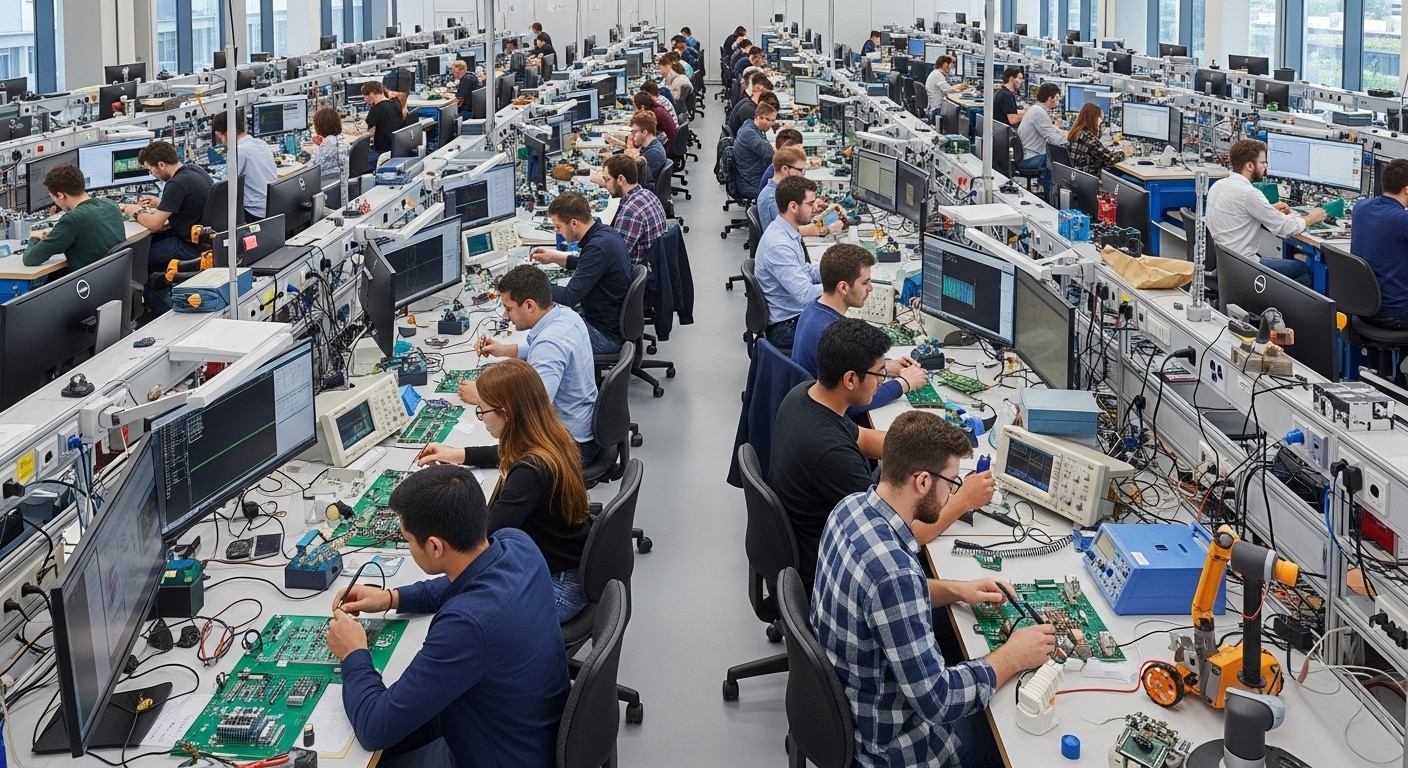
Electrical engineering is a hands-on discipline. High-ranking institutions invest heavily in modern instrumentation, including oscilloscopes, spectrum analyzers, and FPGA (Field Programmable Gate Array) development boards. A school’s commitment to providing individual access to this hardware—rather than relying on simulation software—is a critical differentiator.
Industry Partnerships and Internship Pipelines
Many top schools benefit from their geographic proximity to tech hubs or long-standing relationships with aerospace, energy, and semiconductor firms. Proximity often leads to structured co-op programs where students alternate semesters between academic study and full-time professional experience. This integration provides a significant advantage during post-graduation job searches.
Comparing Undergraduate Program Profiles
The following table outlines key considerations for prospective students comparing institutional types.
| Feature | Large Public Research University | Private Technical Institute | Small Liberal Arts-Affiliated Program |
|---|---|---|---|
| Research Scope | High; broad variety | High; specialized | Moderate |
| Class Size | Large lecture formats | Medium to large | Small / Personalized |
| Internship Access | Extensive (via career fairs) | Specialized (via alumni networks) | Individualized (via professor links) |
| Industry Focus | Diverse (Power, Defense, Tech) | Targeted (Tech, R&D) | General / Foundational |
Curriculum Requirements and Technical Depth
An electrical engineering curriculum is vertically integrated, meaning fundamental concepts in mathematics and physics serve as the basis for advanced coursework.
- Foundational Years (Freshman/Sophomore): Students typically cover calculus, differential equations, linear algebra, and physics (mechanics and electromagnetism). Introductory circuit analysis is often the first "gatekeeper" course that establishes the core logic of the major.
- Core Specialization (Junior Year): The curriculum shifts to signals and systems, electronics, microprocessors, and electromagnetic fields. Mastery of these subjects is essential for all sub-disciplines, from power grid management to embedded systems.
- Capstone Design (Senior Year): This is the culmination of the undergraduate experience. It involves a year-long project where students apply theoretical knowledge to solve complex, open-ended engineering problems, often working in teams to prototype and test a functional device.
Practical Considerations: Costs and Financial Planning
The financial burden of an undergraduate EE degree can vary significantly based on residency status and institutional endowment.
- Public Universities: Tuition rates are significantly lower for in-state residents. However, out-of-state students may find costs comparable to private institutions.
- Private Institutions: While the sticker price is often higher, private universities often provide more robust institutional grant packages that can reduce the net price for qualified applicants.
- Return on Investment (ROI): When calculating cost, students should consider the salary potential associated with graduates from specific schools. EE consistently ranks among the higher-earning undergraduate degrees, which helps mitigate student loan debt over the long term.
Common Challenges and Troubleshooting for Applicants
Many students encounter difficulties in selecting the right program due to "prestige bias" or a lack of understanding regarding their personal learning style.
- Prestige vs. Fit: A school with a high global ranking may not be the best fit if the learning environment is hyper-competitive or lacks the specific sub-discipline (e.g., power electronics vs. photonics) that the student intends to pursue.
- Curriculum Rigor: EE is mathematically intense. If a program does not provide adequate tutoring or "office hour" support, students may struggle to maintain the GPA necessary for competitive internships.
- Transferability: Students planning to start at a community college should ensure there is a clear articulation agreement with their target four-year institution to prevent loss of credit for essential courses like Calculus-based Physics.
Frequently Asked Questions
Does the prestige of the university matter more than the program's accreditation?
No. ABET accreditation is the absolute baseline requirement. Without it, your degree may not be recognized by employers or state licensing boards, regardless of the university's general reputation. Always prioritize accreditation first.
How important is the choice of specialization during my undergraduate years?
It is important but not restrictive. While most schools require you to choose a focus area (e.g., control systems, telecommunications, or power systems) by your junior year, the core curriculum remains largely identical. You can pivot your career focus in graduate school or through your early work experience.
Should I prioritize a program with a co-op program?
Yes, if possible. Co-op programs require students to work full-time in the industry for one or more semesters. This provides a "real-world" testing ground for your skills and makes you a much more attractive candidate to employers, as you will have professional experience before receiving your diploma.
Can I complete an electrical engineering degree online?
While some institutions offer online degrees, these are often designed for working professionals rather than traditional undergraduates. Ensure that any online program is ABET-accredited, as the hands-on laboratory requirement is difficult to replicate in a fully remote environment.
What is the most critical subject to master before starting an EE degree?
Calculus. Everything from circuit analysis to signal processing relies heavily on differential and integral calculus. If your high school preparation in mathematics is weak, consider taking preparatory courses before beginning the core engineering sequence.
Final Recommendation for Prospective Students
The optimal strategy for selecting an undergraduate electrical engineering school is to build a balanced list of institutions that offer a combination of strong ABET-accredited curricula and active connections to your intended industry sector.
Start by identifying the sub-field that interests you most—whether that is renewable energy, semiconductor fabrication, or robotics—and research which schools have dedicated laboratories and research faculty in those specific domains. Finally, visit the campus or attend virtual information sessions to assess the "culture" of the department; the best electrical engineering schools are those that provide not only the technical tools for success but also an environment where collaborative, hands-on learning is encouraged and supported by both faculty and industry partners.
Image Gallery