Understanding the BBC’s Coverage of the Israel-Palestinian Conflict
The BBC reports on the Israel-Palestinian conflict through the lens of "due impartiality," a core editorial principle mandated by its Royal Charter. Its coverage focuses on historical context, international law regarding settlements, a...
The BBC reports on the Israel-Palestinian conflict through the lens of "due impartiality," a core editorial principle mandated by its Royal Charter. Its coverage focuses on historical context, international law regarding settlements, and humanitarian impacts on both sides. Rather than using emotive labels like "terrorist" in its own voice, the BBC prioritizes descriptive terminology such as "militants" or "gunmen" to maintain objective distance.
Contents
The Framework of Due Impartiality and Editorial Guidelines
To understand what the BBC says about the Israel-Palestinian conflict, one must first understand the institution's commitment to "due impartiality." As a publicly funded broadcaster, the BBC is governed by Editorial Guidelines that apply to all its platforms, from BBC News and the World Service to its digital reporting. In the context of 2026, these guidelines remain the bedrock of how the corporation navigates the highly polarized landscape of Middle Eastern geopolitics.
"Due impartiality" does not mean a 50/50 split of time between opposing views. Instead, it requires that the BBC provides "due weight" to different perspectives based on the significance of the arguments and the evidence available. In the Israel-Palestinian conflict, this often means the BBC will report on Israeli security concerns and the right to self-defense alongside Palestinian narratives of displacement, occupation, and the humanitarian crisis in Gaza and the West Bank.
The BBC’s approach is fundamentally different from "neutrality." While neutrality might imply a lack of conviction, impartiality requires an active effort to reflect the complexity of the situation. This involves rigorous fact-checking, the use of verified footage, and a reliance on on-the-ground reporting from its bureaus in Jerusalem, Gaza, and Ramallah. By 2026, the proliferation of AI-generated misinformation has only intensified the BBC's reliance on its "Verify" unit to authenticate claims made by both the Israel Defense Forces (IDF) and groups like Hamas.
The Language of the Conflict: Key Terms and Definitions
The BBC’s choice of language is perhaps the most scrutinized aspect of its reporting. The corporation maintains a specific style guide for the conflict to ensure consistency and minimize perceived bias. This linguistic framework often puts the broadcaster at odds with various political factions.
The "Terrorist" vs. "Militant" Debate
One of the most persistent criticisms of the BBC is its refusal to use the word "terrorist" to describe groups such as Hamas or Islamic Jihad in its own reporting. The BBC’s stance is that "terrorist" is a value-laden term that can be seen as taking a side. Instead, they use terms like "militants," "gunmen," or "attackers." However, the BBC will frequently quote others using the word "terrorist"—such as the UK government or Israeli officials—to show how those actors characterize the groups.
"Occupied" vs. "Disputed" Territories
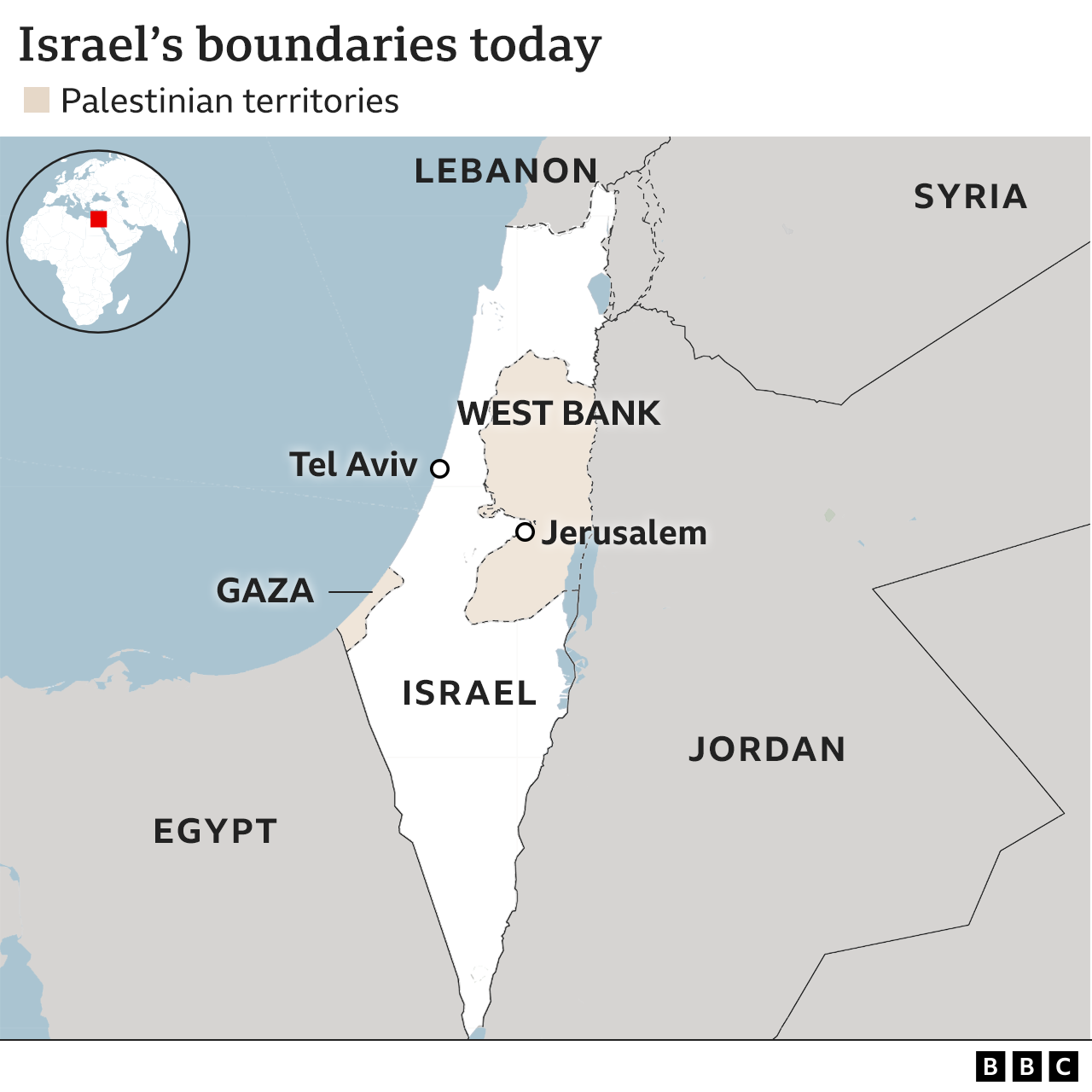
In alignment with the majority of the international community and United Nations resolutions, the BBC refers to the West Bank and East Jerusalem as "Occupied Palestinian Territories." This is a significant point of contention with the Israeli government, which often prefers the term "disputed." By using "occupied," the BBC signals its adherence to international legal frameworks, particularly the Fourth Geneva Convention, which governs the administration of territory seized during armed conflict.
Settlements and International Law
When reporting on Israeli settlements in the West Bank, the BBC consistently notes that they are "considered illegal under international law, though Israel disputes this." This phrasing is a hallmark of BBC reporting, providing the dominant international legal view while acknowledging the dissenting Israeli position. This adherence to legal consensus is central to how the BBC structures its narratives around land use and territorial expansion.
Reporting on Major Events and Escalations
The BBC’s coverage of major escalations, such as the 2023-2024 Gaza War and its aftermath, provides a blueprint for how it handles high-stakes reporting. During these periods, the BBC’s output is categorized into several streams: breaking news, analysis, and human-interest features.
In the 2026 media environment, the BBC emphasizes the human cost on both sides of the Green Line. This includes detailed reporting on the lives of Israeli families affected by rocket fire or kidnappings, as well as the devastating impact of airstrikes and blockades on Palestinian civilians. The BBC often uses "Stringers" (local freelance journalists) in areas where international staff may have limited access, particularly in the Gaza Strip.
The broadcaster also places a heavy emphasis on "Analysis and Context" pieces. These articles aim to explain the "why" behind the "what," looking at the historical roots of the 1948 Nakba, the 1967 Six-Day War, and the failure of the Oslo Accords. By providing this depth, the BBC attempts to move beyond the "cycle of violence" trope and offer a more nuanced understanding of the structural issues driving the conflict.
| Concept | BBC Editorial Position/Terminology | Context and Reasoning |
|---|---|---|
| Hamas | Described as "militants" or "the group that controls Gaza." | Avoids adopting government labels; focuses on functional description. |
| Settlements | Defined as "illegal under international law." | Follows UN and ICJ consensus; notes Israeli disagreement. |
| Jerusalem | Reports on the split between West and East Jerusalem. | Acknowledges East Jerusalem as occupied territory under international law. |
| Security Fence | Often called the "separation barrier" or "the wall." | Uses descriptive language rather than political branding (e.g., "security fence" or "apartheid wall"). |
| Right of Return | Characterized as a "key Palestinian demand." | Explains the historical context of refugees from the 1948 war. |
Accountability and External Pressure
Being a public broadcaster, the BBC is subject to intense scrutiny from the public, political parties, and advocacy groups. Organizations such as the Board of Deputies of British Jews and the Palestinian Solidarity Campaign frequently monitor BBC output for signs of bias.
When the BBC makes a factual error, it is required to issue a correction through its "Clarifications and Corrections" page. For instance, in 2023, the BBC faced significant backlash for its initial reporting on a blast at the Al-Ahli hospital in Gaza, where early reports attributed the strike to Israel before evidence emerged suggesting a misfired Palestinian rocket. The BBC’s subsequent apology and internal review of the incident were widely publicized, highlighting the risks of breaking news in a fog-of-war environment.
Furthermore, the BBC is regulated by Ofcom (the Office of Communications) in the UK. Ofcom has the power to investigate complaints about BBC impartiality. While Ofcom has occasionally found the BBC in breach of its codes on specific segments, the regulator generally upholds the BBC’s right to report on controversial subjects as long as a wide range of views is presented over time.
The Role of the BBC World Service
The BBC World Service plays a unique role in "what the bbc says" because it broadcasts in dozens of languages, including Arabic and Hebrew. These services are often tailored to their specific audiences while maintaining the core editorial standards of the London headquarters.
The BBC Arabic service, in particular, is one of the most-watched and respected news sources in the Middle East. However, it also faces unique challenges. It must balance the BBC's Western editorial values with the sensitivities and linguistic nuances of an Arabic-speaking audience. This sometimes leads to discrepancies in how stories are framed between the English-language BBC News and the Arabic service, which are frequently cited by critics as evidence of a "double standard." In 2026, the BBC continues to work on "integrated newsrooms" to ensure that reporting remains consistent across all languages.
Frequently Asked Questions
Does the BBC consider Hamas to be a terrorist organization?
The BBC acknowledges that the UK government, the US, and the EU have designated Hamas as a terrorist organization. However, the BBC does not use the word "terrorist" to describe Hamas in its own editorial voice. It prefers descriptive terms like "militant group" to maintain its principle of impartiality and to avoid using emotive language that could be seen as taking a side in the conflict.
Why does the BBC use the term "occupied territories"?
The BBC uses the term "occupied" because it reflects the consensus of the international community, including the United Nations and the International Court of Justice. These bodies recognize the West Bank, Gaza, and East Jerusalem as territories captured by Israel in the 1967 war that remain under military occupation. The BBC’s use of this term is a reflection of international law rather than a political statement.
How does the BBC ensure its reporters are not biased?
The BBC has a robust system of editorial oversight. Reporters are trained in the Editorial Guidelines, and scripts for major stories are often reviewed by several layers of editors, including regional specialists. Additionally, the BBC’s "impartiality reviews" periodically assess its coverage of specific topics to identify any systemic imbalances.
Has the BBC ever been found guilty of bias in the Israel-Palestine conflict?
While "guilty" is a legal term, the BBC has been criticized by both pro-Israel and pro-Palestinian groups. Internal and external reviews, such as the 2004 Balen Report (which was never fully released to the public), have looked into these claims. Ofcom has occasionally flagged specific broadcasts for lacking sufficient context, but the BBC generally maintains that its cumulative coverage across all platforms is balanced.
How can I complain about BBC coverage of the conflict?
The BBC has a formal complaints process accessible via its website. Complaints are initially handled by the BBC's audience services. If a complainant is not satisfied with the response, they can escalate the issue to the Executive Editorial Complaints Unit (ECU) and, ultimately, to the external regulator, Ofcom.
Practical Recommendations for Readers
When consuming BBC reports on the Israel-Palestinian conflict, it is beneficial to look for the "Analysis" or "Explainers" sections, which provide the necessary context for breaking news stories. Given the complexity of the issue, comparing BBC reports with other international news agencies like Reuters or the Associated Press can help provide a broader perspective on how the same event is framed by different journalistic traditions. For those seeking the specific legal basis of the BBC's reporting, referring to UN Security Council Resolution 242 provides clarity on the "occupied territories" designation.
Image Gallery