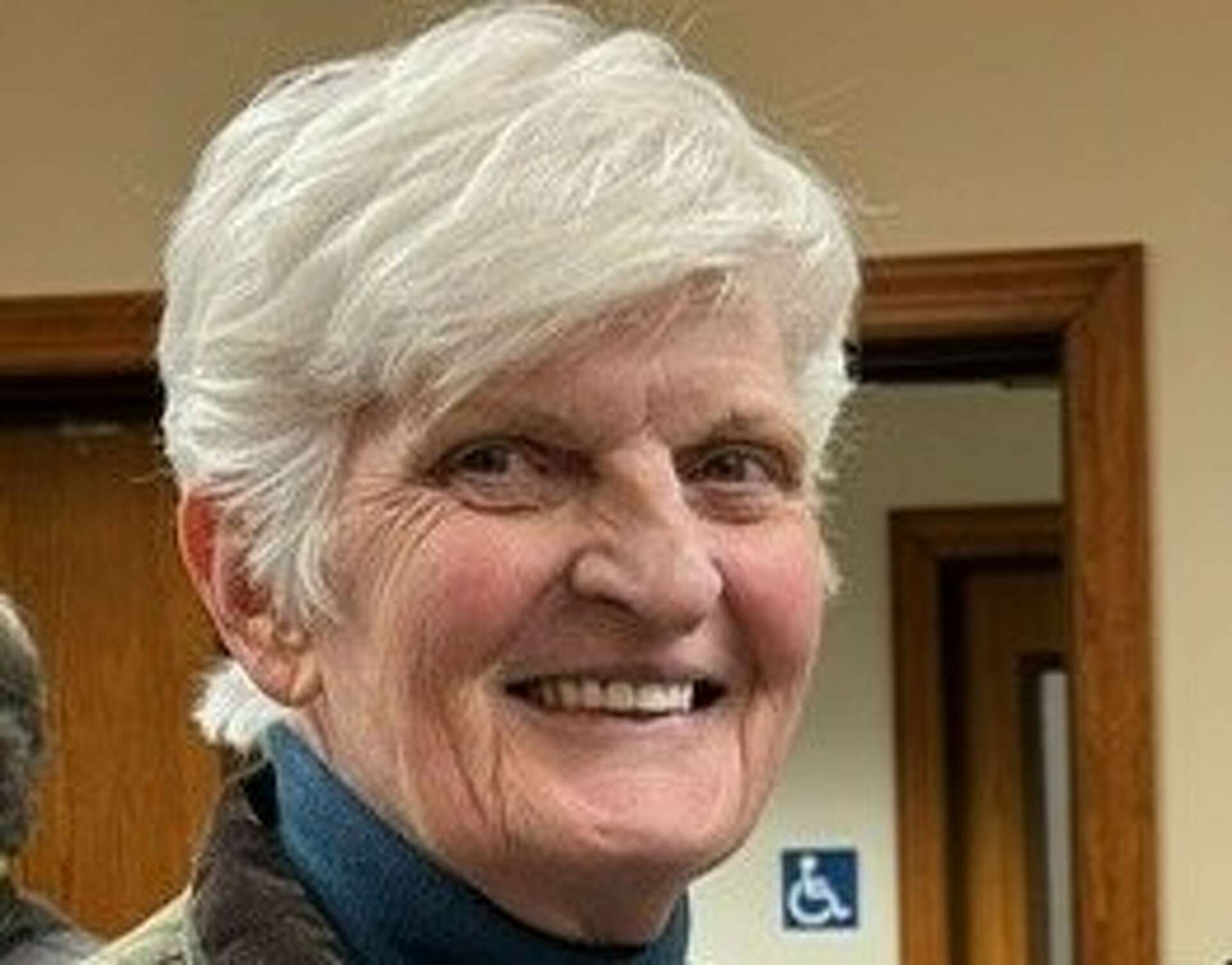
Maureen Brady: A Comprehensive Overview of Her Professional Career and Public Profile
Maureen Brady is a distinguished figure recognized for her significant contributions to the fields of health services research, nursing education, and qualitative inquiry. Throughout her career, she has bridged the gap between academic...
Maureen Brady is a distinguished figure recognized for her significant contributions to the fields of health services research, nursing education, and qualitative inquiry. Throughout her career, she has bridged the gap between academic theory and practical clinical application, with her work predominantly centered on improving the quality of patient care, enhancing nursing pedagogy, and advancing the methodologies used in human science research.
Contents
Foundations and Academic Trajectory
Maureen Brady’s professional journey is rooted in an extensive academic background that has allowed her to occupy dual roles as both an educator and an empirical researcher. Her early career was defined by a rigorous pursuit of clinical excellence, which provided the foundational knowledge necessary to address complex systemic issues within the healthcare landscape.
Her academic contributions are characterized by a focus on "nursing science"—a discipline that seeks to understand the human experience of health and illness. By integrating qualitative research methods, Brady has been instrumental in documenting the nuanced experiences of patients and practitioners alike. This approach moves beyond purely quantitative metrics to capture the "why" and "how" of care delivery, offering a more holistic view of the nursing profession.
Core Areas of Professional Contribution
Brady’s influence spans several critical domains, each contributing to her reputation as a leader in the nursing field. Her work typically addresses the following pillars:
1. Advancing Qualitative Methodology
Qualitative research, which emphasizes narrative analysis and thematic interpretation, is central to Brady's body of work. She has focused on the rigors of data collection, ensuring that researchers maintain ethical standards while interpreting subjective participant experiences. Her publications often serve as guidelines for doctoral candidates and junior researchers seeking to navigate the complexities of phenomenological and grounded theory approaches.
2. Curriculum Development and Nursing Education
A significant portion of Brady’s career has been dedicated to the evolution of nursing curricula. Recognizing that modern healthcare systems require nurses to be critical thinkers rather than just task-oriented practitioners, she has advocated for pedagogical shifts that emphasize clinical reasoning, empathy, and evidence-based practice. Her influence on educational frameworks has helped prepare generations of nurses to manage increasingly complex patient populations.
3. Patient-Centered Care Initiatives
At the heart of Brady's research is the patient. She has consistently promoted care models that prioritize the patient’s perspective. By identifying barriers to effective communication between healthcare providers and families, her work has helped facilitate more collaborative care environments. This aspect of her career highlights the importance of humanizing medical care, especially in settings involving chronic illness and end-of-life support.
Comparing Methodological Approaches in Health Research
To understand the significance of Brady's contribution to research, it is helpful to contrast the methodologies she championed with standard quantitative models.
| Research Type | Focus | Primary Data | Application |
|---|---|---|---|
| Quantitative | Statistical significance | Numerical (surveys, vitals) | Resource allocation, outcomes |
| Qualitative | Lived experience | Textual (interviews, notes) | Patient satisfaction, care quality |
| Mixed Methods | Integrated analysis | Both | Complex systemic changes |
Brady’s work has frequently advocated for "Mixed Methods" as the gold standard for clinical improvement, as it ensures that numerical evidence is backed by an understanding of the patient's individual circumstances.
Addressing the Professional Scope
While public interest often turns toward personal details such as age or biographical trivia, the value of Maureen Brady’s career lies in her enduring professional output. As of 2026, her contributions are frequently cited in scholarly databases and nursing journals, indicating that her research remains a staple of contemporary medical education.
In the context of institutional and academic evaluation, her work is often scrutinized through the lens of:
- Citation Impact: How often her methodologies are applied in newer clinical studies.
- Curricular Adoption: The extent to which her pedagogical strategies are integrated into current university nursing programs.
- Policy Influence: How her qualitative findings are used to shape hospital policies and patient advocacy standards.
Challenges and Limitations in Modern Nursing Research
The field in which Brady operates is not without its challenges. Researchers today face significant hurdles in maintaining the integrity of qualitative research in an era dominated by high-speed data processing and "Big Data" analytics. Brady’s career trajectory offers a roadmap for navigating these challenges by insisting that data—no matter how large or automated—must always be grounded in human reality.
Common obstacles that her work addresses include:
- Bias Mitigation: Ensuring researchers remain objective while interpreting deeply personal narratives.
- Accessibility: Translating academic jargon into practical, actionable advice for nurses on the front lines of patient care.
- Institutional Resistance: Overcoming administrative tendencies to prioritize short-term efficiency over the qualitative outcomes that often yield long-term patient satisfaction.
Frequently Asked Questions
What are the primary areas of Maureen Brady’s research? Maureen Brady’s primary research focuses on nursing pedagogy, the advancement of qualitative research methodologies, and the implementation of patient-centered care models within hospital systems.
How has Maureen Brady impacted nursing education? She has influenced nursing education by advocating for curricula that prioritize clinical reasoning and interpersonal communication, helping move the profession toward a more evidence-based and holistic practice.
Why is qualitative research important in nursing according to Brady? According to her research, qualitative methods are essential because they capture the subjective experiences of patients, which provides context that purely statistical data often overlooks.
Is Maureen Brady still active in the field as of 2026? As of 2026, Maureen Brady’s body of work continues to be highly relevant and is frequently referenced in academic literature, serving as a foundational influence for current nursing scholars and researchers.
What is the best way to utilize her research in clinical settings? The most effective way to apply her findings is to incorporate them into staff training programs that focus on improving patient-provider communication and enhancing the quality of care through narrative analysis.
Recommendation for Further Engagement
For those interested in exploring the work of Maureen Brady, the most productive next step is to access institutional repositories or peer-reviewed nursing journals via recognized academic databases. By focusing on her peer-reviewed publications and conference presentations rather than secondary biographical summaries, practitioners and students can gain direct access to her methodology and professional insights. Practitioners should prioritize adopting her frameworks for patient-centered communication, as these offer the most direct application for improving clinical outcomes in high-pressure medical environments.
Image Gallery