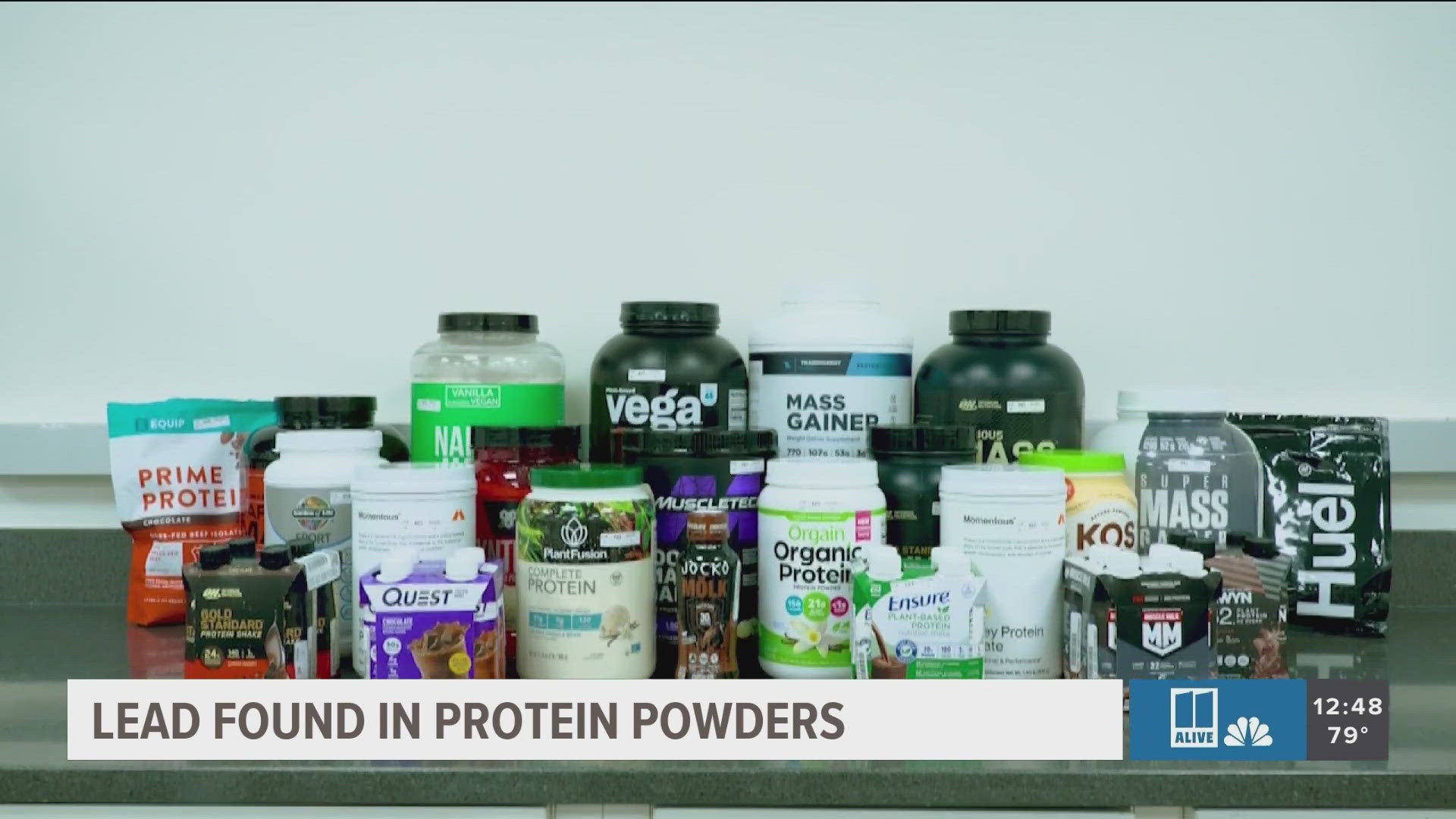
Understanding the Lead Content in Orgain Protein Powder
Orgain protein powders are plant-based nutritional supplements that, like many agricultural products, may contain trace amounts of heavy metals including lead. These levels are generally consistent with naturally occurring environmenta...
Orgain protein powders are plant-based nutritional supplements that, like many agricultural products, may contain trace amounts of heavy metals including lead. These levels are generally consistent with naturally occurring environmental concentrations found in soil and water where the raw ingredients are grown. Consumers often encounter these reports due to California’s Proposition 65 regulations, which require warning labels for substances present at levels significantly lower than those deemed hazardous by federal health agencies.
Contents
The Context of Heavy Metals in Plant-Based Nutrition
When evaluating the safety of protein powders, it is essential to distinguish between industrial contamination and the natural absorption of trace elements. Plants, particularly those grown in nutrient-dense soil, inherently uptake minerals from the Earth's crust. Lead is a naturally occurring element found in soil, water, and air. Because Orgain products rely on plant-derived proteins—such as organic pea protein, brown rice protein, and chia seeds—these ingredients naturally reflect the mineral profile of their cultivation environments.
While the term "lead" is often associated with environmental toxicity, it exists at varying "background levels" throughout the natural world. Modern laboratory testing is highly sensitive, capable of detecting parts per billion (ppb) of various elements. Consequently, when manufacturers test raw botanical ingredients, they often find trace levels of heavy metals. This is not necessarily an indication of adulteration or poor manufacturing practices; rather, it is a byproduct of sourcing high-quality organic ingredients that are grown outdoors in natural conditions.
Navigating California Proposition 65
Much of the public concern regarding lead content in protein powders originates from California’s Safe Drinking Water and Toxic Enforcement Act of 1986, commonly known as Proposition 65. This legislation mandates that businesses provide warnings if their products expose consumers to chemicals that the state has deemed to cause cancer or reproductive toxicity.
The threshold for a "No Significant Risk Level" (NSRL) under Proposition 65 is exceptionally low—often significantly stricter than the safety standards set by the U.S. Food and Drug Administration (FDA) or the World Health Organization (WHO). For lead, the California threshold is set at 0.5 micrograms per day. If a laboratory analysis detects lead in a product that could theoretically result in an exposure above this level, the manufacturer is legally required to include a warning label, even if the amount is considered safe by federal regulatory bodies.
It is important to understand that a Proposition 65 warning does not mean a product is illegal or definitively harmful; it simply reflects the state of California’s specific regulatory approach, which prioritizes a high degree of precautionary transparency.
Comparative Overview of Regulatory Standards
The disparity between different regulatory bodies can be confusing for consumers. Understanding the hierarchy of safety standards helps put the lead content in Orgain and similar products into perspective.
| Agency/Body | Standard Focus | Regulatory Approach |
|---|---|---|
| FDA | Federal food safety | Based on risk assessment and intake limits for food groups. |
| Proposition 65 | California state law | Based on a precautionary, low-exposure threshold approach. |
| USP (Pharmacopeia) | Industry quality standards | Sets acceptable limits for elemental impurities in supplements. |
| EFSA | European safety guidelines | Focuses on tolerable weekly intake (TWI) based on toxicological data. |
While the FDA does not set a single, universal limit for lead in all food, they utilize "Action Levels" to determine if a product poses a safety concern. Because protein powders are consumed in serving sizes that are relatively small compared to a person’s total daily caloric intake, the actual quantity of lead consumed is often far below the levels associated with negative health outcomes in clinical toxicology.
Quality Control and Sourcing at Orgain
Orgain, as a manufacturer of plant-based nutritional products, maintains a series of quality control protocols to monitor the purity of their ingredients. The company sources organic, plant-based proteins that are subjected to third-party testing to verify compliance with safety specifications.
The process of managing lead content begins at the farm level. By selecting regions and farming practices that minimize the concentration of heavy metals in the soil, manufacturers can lower the initial presence of these elements in their raw materials. Following harvest, ingredients undergo processing and purification steps that are designed to isolate protein content while filtering out extraneous mineral matter.
Throughout the production cycle, Orgain utilizes analytical laboratories to perform ICP-MS (Inductively Coupled Plasma Mass Spectrometry) testing. This advanced testing method allows for precise measurement of trace elements. These internal verification steps ensure that the products remain consistent with industry standards and federal guidelines, even if they fall within the range that triggers a Proposition 65 disclosure in specific markets.
Evaluating Potential Health Impacts
For the average consumer, the primary question remains: "Is this amount of lead dangerous?" Toxicological assessment relies on the principle that "the dose makes the poison." When analyzing trace metals in dietary supplements, experts evaluate the "cumulative daily intake."
- Bioavailability: Not all lead consumed is absorbed by the body. Digestion and the presence of other nutrients (such as calcium and iron) can inhibit the absorption of heavy metals.
- Serving Frequency: Protein powder is usually consumed as a supplement, not as an entire diet. The contribution of a daily scoop of protein to a person’s total lifetime exposure to lead is often negligible compared to other common dietary sources like leafy greens, root vegetables, and tap water.
- Risk-Benefit Analysis: Nutritionists often point out that the health benefits derived from adequate protein intake, muscle recovery, and fiber supplementation far outweigh the theoretical risk of consuming trace amounts of naturally occurring minerals.
Frequently Asked Questions
Why does my Orgain container have a California Proposition 65 warning? The warning is included to comply with California state law, which requires disclosure of any detectable amount of certain chemicals that exceeds their very strict, precautionary thresholds. It is a regulatory compliance measure rather than an indicator that the product is unsafe by federal standards.
Does organic mean "lead-free"? No. "Organic" refers to farming practices that exclude synthetic pesticides, herbicides, and GMOs. It does not mean the soil is free of naturally occurring elements like lead. Plants absorb minerals from the earth regardless of whether the farm is certified organic or conventional.
Is it safe to consume Orgain protein powder daily? Most health professionals consider it safe for the general population. The trace levels of lead found in plant-based proteins are within the range commonly found in many natural whole foods. If you have specific concerns regarding heavy metal exposure or pre-existing health conditions, consult your physician.
How does Orgain verify their ingredient safety? Orgain utilizes third-party testing and rigorous internal quality control standards. They monitor raw material purity using advanced mass spectrometry to ensure that their products align with safety requirements for nutritional supplements.
Can I remove lead from protein powder at home? No. Lead is integrated into the chemical structure of the plant matter itself. There is no home process to safely or effectively "filter" or remove heavy metals from a protein powder supplement once it has been processed.
Next Steps for Conscious Consumers
If you are concerned about your intake of heavy metals, the most effective approach is to focus on dietary diversity. Relying on a single source of nutrition can increase your exposure to whatever specific environmental factors affect that crop. By incorporating a variety of protein sources—such as eggs, dairy, fish, legumes, and various plant-based powders—you naturally diversify your intake and minimize the risk of over-exposure to any one potential contaminant.
If you possess a specific medical condition that makes you hyper-sensitive to trace minerals, verify the current Certificate of Analysis (CoA) for the specific batch of the product you are using. Contacting the company’s consumer relations department is the best way to obtain the most accurate, batch-specific information regarding the testing results for your particular container of protein powder.
Image Gallery