The Office Behind the Scenes Photos Revealed: Unseen Moments from Dunder Mifflin
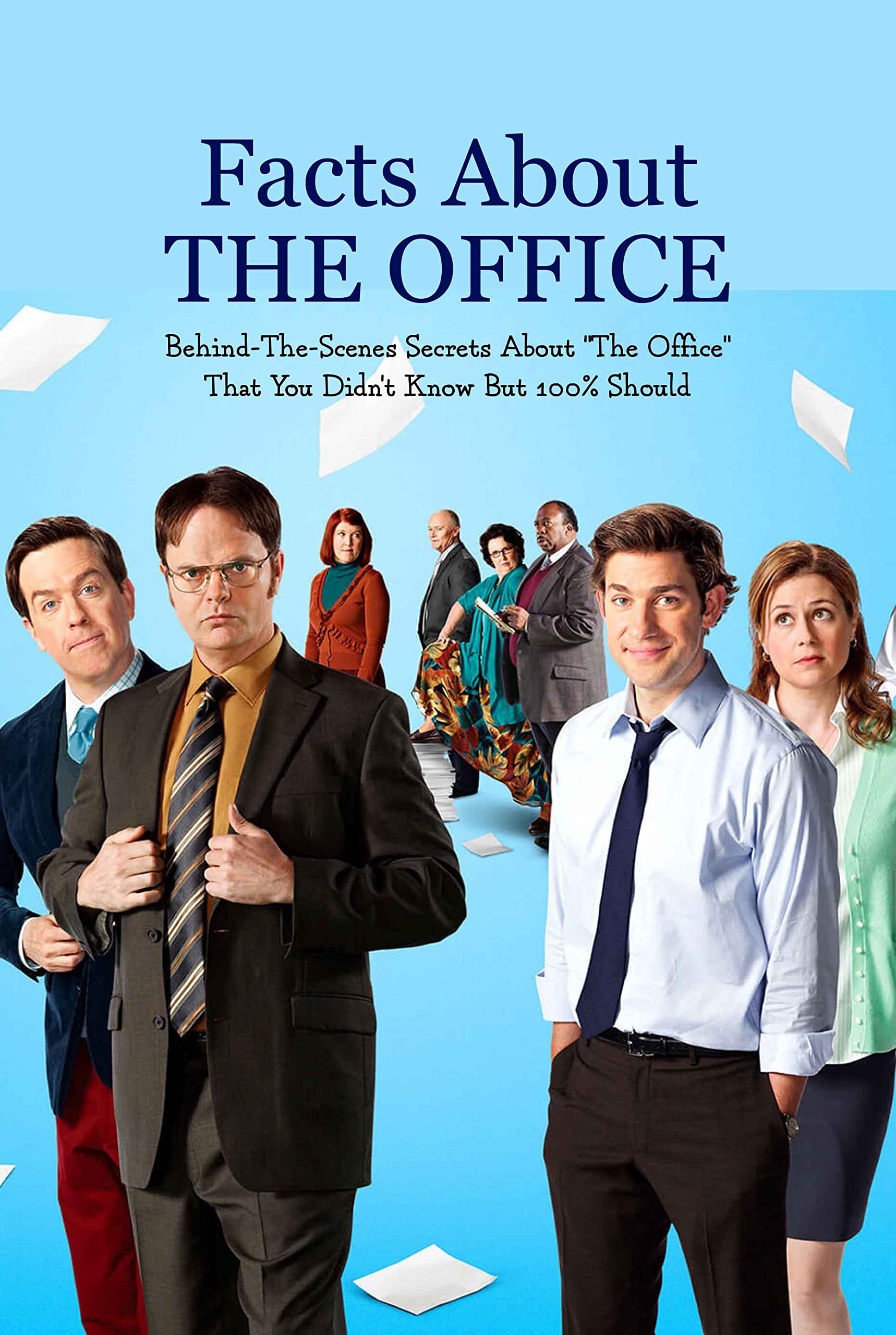
Behind-the-scenes photographs from The Office offer fans a rare, unscripted look at the camaraderie, technical orchestration, and private moments that defined the production of one of television's most enduring mockumentary sitcoms. Th...
Behind-the-scenes photographs from The Office offer fans a rare, unscripted look at the camaraderie, technical orchestration, and private moments that defined the production of one of television's most enduring mockumentary sitcoms. These images—spanning table reads, setup adjustments between takes, and candid polaroids taken by the cast—pull back the curtain on the fictional world of Dunder Mifflin Paper Company in Scranton, Pennsylvania. Far from the polished edits broadcast on NBC, these visual archives reveal the genuine friendships among Steve Carell, John Krasinski, Jenna Fischer, Rainn Wilson, and the rest of the ensemble, while documenting the precise mechanics of single-camera television production.
Contents
The Production Reality Behind Dunder Mifflin
The illusion that Dunder Mifflin was a functioning, humdrum paper supplier in Scranton required a meticulously constructed soundstage in Valley Village, Los Angeles. While exteriors of the building were shot on location in California (utilizing actual business parks to establish authenticity), the interior bullpen, the annex, Michael Scott's office, and the breakroom were housed within a controlled studio environment.
Behind-the-scenes photography from early seasons highlights the cramped, fluorescent-lit reality of the set. Because the show was filmed using a single-camera setup—often operating in a documentary style with handheld digital cameras—the physical space was constrained. Boom operators, camera technicians, and directors of photography had to navigate tight cubicles alongside the actors. Unseen photos frequently capture crew members hovering just out of frame, holding diffusion panels or managing audio cables in the narrow aisles between Dwight Schrute's desk and Jim Halpert's workspace.
Furthermore, the set was designed with modular walls that could be easily removed or repositioned to accommodate tracking shots and unique camera angles. Behind-the-scenes logs and photo collections show how the production team utilized sliding glass panels and partial partitions to create depth, allowing viewers to see characters working in the background while a primary conversation took place in the foreground.
Candid Cast Dynamics and Off-Camera Friendships
One of the most persistent themes in behind-the-scenes imagery is the stark contrast between the on-screen antagonism and the deep off-screen affection among the cast members. While characters like Michael Scott and Toby Flenderson engaged in constant psychological warfare, or Jim and Dwight waged elaborate office pranks, the actors themselves spent long hours between setups sharing meals, playing practical jokes of their own, and rehearsing lines.
- Steve Carell's Leadership: Photos from seasons one through seven frequently feature Carell reviewing scripts with writers or cracking up fellow cast members between takes. His transition from the socially inept regional manager to a collaborative ensemble leader is documented through numerous candid portraits showing him in deep conversation with directors like Paul Feig or Ken Kwapis.
- The Jim and Dwight Dynamic: John Krasinski and Rainn Wilson are often captured breaking character, sharing laughs, or reviewing blocking maps. Their off-camera rapport was essential for executing the split-second timing required for Dwight’s deadpan reactions and Jim’s knowing glances toward the documentary crew.
- Jenna Fischer and Angela Kinsey: The real-life friendship between Fischer (Pam Beesly) and Kinsey (Angela Martin) is heavily chronicled in cast archives. Long before launching their shared retrospective podcast, Office Ladies, the two actors spent breaks sharing dressing rooms and snapping polaroids of the crew, capturing the quieter, domestic side of long-term television production.
Evolution of the Set Across Nine Seasons
The visual archive of The Office serves as a timeline of technological and stylistic changes in television production from 2005 to 2013. Early season photographs reveal an office heavily reliant on mid-2000s office technology: bulky cathode-ray tube (CRT) monitors, chunky desktop computers, corded desktop phones, and massive filing cabinets filled with paper props that bore real, fabricated Dunder Mifflin letterhead.
As the series progressed into the 2010s, behind-the-scenes photos capture the gradual modernization of the bullpen. Flat-screen monitors replaced old CRTs, newer mobile phones appeared on desks, and the lighting grid shifted to accommodate higher-definition digital capture methods. Despite these technological updates, the art department maintained a strict commitment to corporate mundanity. Every desk was cluttered with specific character-driven detritus—from Dwight's survival gear and beet-themed stationary to Andy Bernard’s Cornell memorabilia.
| Season Era | Dominant Technology Visible | Production Camera Setup | Key Aesthetic Focus |
|---|---|---|---|
| Seasons 1–3 | CRT monitors, chunky beige towers, analog fax machines | Standard definition digital / early HD experimentation | Fluorescent drabness, cramped cubicles, raw documentary feel |
| Seasons 4–6 | Transition to flat screens, early smartphones, sleek printers | HD digital broadcast standards | Expanded secondary locations (Annex, Breakroom expansion) |
| Seasons 7–9 | Modern flat screens, tablets, contemporary office hardware | High-definition multi-angle tracking setup | Polished corporate look, nostalgic callbacks to earlier props |
Iconic Prop Secrets and Easter Eggs
Behind-the-scenes photos often reveal the hidden labor that went into creating background gags and continuity items that casual viewers might miss. The prop department, led by longtime prop master Phil Shea, developed intricate internal lore that was rarely focused on directly by the cameras but was fully realized for the actors to interact with.
For instance, the corkboards in the background of the bullpen were populated with real memos, fake local newspaper clippings about Scranton, and company policy updates written by the show’s production writers. Unseen photos focusing on desk props show that Michael Scott’s Dundie awards were meticulously crafted with customized plaques, and Dwight’s desk drawer contained functioning, bizarre props that never made it onto screen.
Additionally, the mockumentary conceit required the camera crew to occasionally be acknowledged by the actors. Behind-the-scenes shots frequently show camera operators standing mere inches from the actors' faces, wearing neutral expressions to maintain the fiction that an invisible documentary crew was documenting a real Pennsylvania paper distributor.
Frequently Asked Questions
Where can authentic behind-the-scenes photos of The Office be viewed?
Authentic photographs are regularly published through official cast social media accounts, particularly the personal archives shared by Jenna Fischer and Angela Kinsey. Additionally, comprehensive collections appear in companion books such as The Office: The Untold Story of the Greatest Sitcom of the 2000s by Andy Greene, as well as behind-the-scenes featurettes included on official DVD and Blu-ray box sets released by Universal Pictures Home Entertainment.
Was The Office actually filmed in Scranton, Pennsylvania?
No. While the series is explicitly set in Scranton, Pennsylvania—and features real-world landmarks such as the Steamtown Mall and local restaurant references in the dialogue—the vast majority of filming took place on a purpose-built soundstage in Valley Village, Los Angeles, California. Exterior establishing shots of the Dunder Mifflin building were filmed at a real business park located at 13925 Saticoy Street in Van Nuys, Los Angeles.
Who took the candid on-set photographs during production?
Cast members, particularly Jenna Fischer and Creed Bratton, frequently took personal photographs using film cameras, digital point-and-shoots, and polaroids between setups. Professional unit photographers employed by NBCUniversal also documented daily production for promotional distribution, press kits, and archival preservation.
How did the single-camera setup affect the atmosphere on set?
The absence of a live studio audience allowed for a more intimate, relaxed working environment. Actors could improvise lines, experiment with alternative takes, and break character without disrupting a live crowd. This setup fostered a collaborative, improvisational culture that heavily influenced the comedic style of the show.
Are there any official books dedicated to the visual history of the series?
Yes. Several publications feature extensive behind-the-scenes photography and interviews with the cast and crew. Notable titles include The Office: The Official Scranton Scrapbook and various retrospective coffee table books published alongside the series' syndication milestones and anniversary windows.
Next Actions for Fans and Researchers
For those looking to dive deeper into the production history of the series, exploring official cast memoirs, listening to cast-led retrospective podcasts, and reviewing physical media special features provide the most reliable, verified insights. Avoid unverified third-party websites that aggregate low-resolution image galleries without attribution, as official archival releases offer the highest fidelity and accurate historical context regarding the making of the series.
Image Gallery