Understanding Average Monthly Premium: Factors, Calculations, and Financial Planning
The average monthly premium represents the mean periodic cost a policyholder pays to maintain an insurance contract, such as auto, health, or life insurance. This figure fluctuates significantly based on individual risk profiles, cover...
The average monthly premium represents the mean periodic cost a policyholder pays to maintain an insurance contract, such as auto, health, or life insurance. This figure fluctuates significantly based on individual risk profiles, coverage limits, regional regulations, and specific underwriting criteria applied by insurers during the policy inception or renewal phase.
Contents
Insurance premiums are essentially the price of risk transfer. When you enter into a contract with an insurance provider, you are paying a recurring fee—the premium—in exchange for the insurer's promise to indemnify you against specific financial losses. Understanding how this average is calculated and what forces drive it up or down is critical for effective personal and business financial planning.
The Mechanics of Insurance Pricing
To arrive at a monthly premium, actuaries—the professionals tasked with assessing risk—evaluate a vast array of data points. They do not pull a random number; they utilize statistical models to predict the probability of a claim occurring within a specific policy term.
Actuarial Risk Assessment
The foundational element of any premium is the loss cost. Insurers look at historical data for similar demographics, geographical locations, and asset types to determine the "pure premium." Once this base cost is established, the company adds a "load" to cover operational expenses, administrative overhead, marketing costs, and a margin for profit.
The Role of Personal Risk Profiles
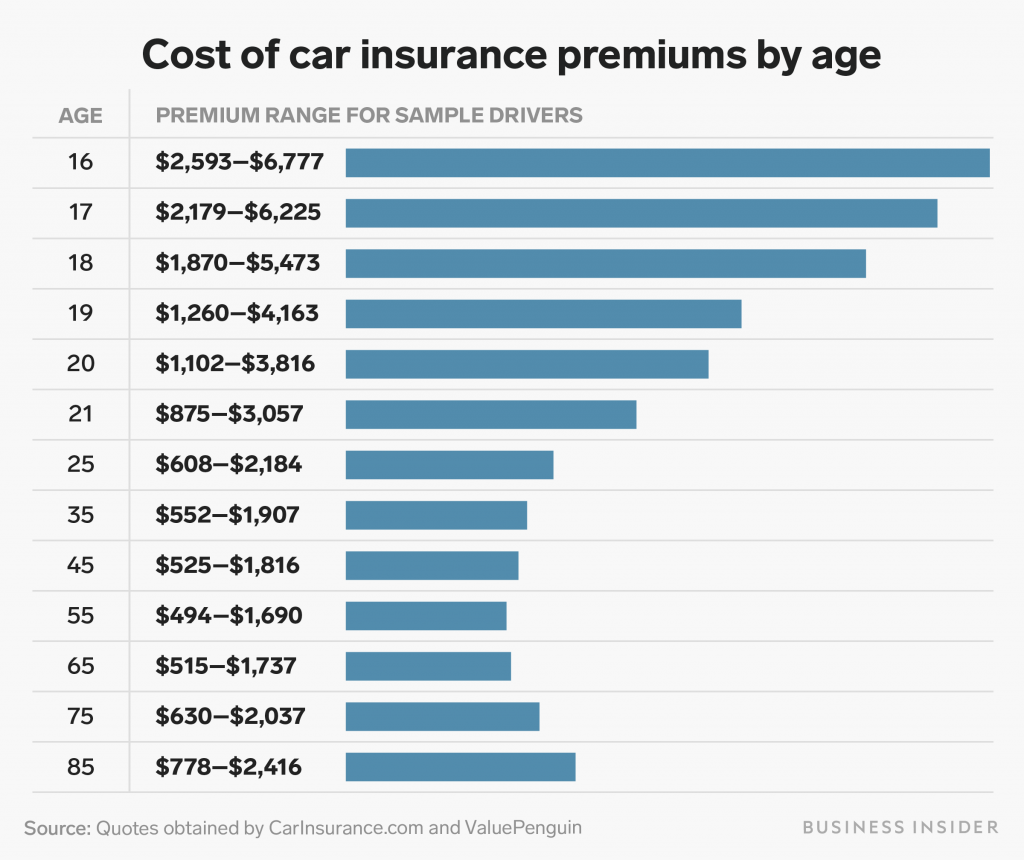
Individual risk factors are the primary source of variance between your specific quote and the industry-wide average. For instance, in auto insurance, your driving history, vehicle make and model, and credit-based insurance scores play a dominant role. In health insurance, age and tobacco usage are often weighted heavily. Because every individual carries a different "risk weight," the average monthly premium serves more as a benchmark rather than a fixed price for any single consumer.
Factors Influencing Premium Fluctuations
While the average provides a starting point, several external and internal factors cause premiums to shift. Recognizing these elements helps policyholders identify opportunities for cost management.
- Coverage Limits and Deductibles: Generally, higher coverage limits lead to higher premiums, while higher deductibles—the amount you pay out-of-pocket before insurance kicks in—lower the monthly cost. This is a primary lever for consumers seeking to balance risk and cash flow.
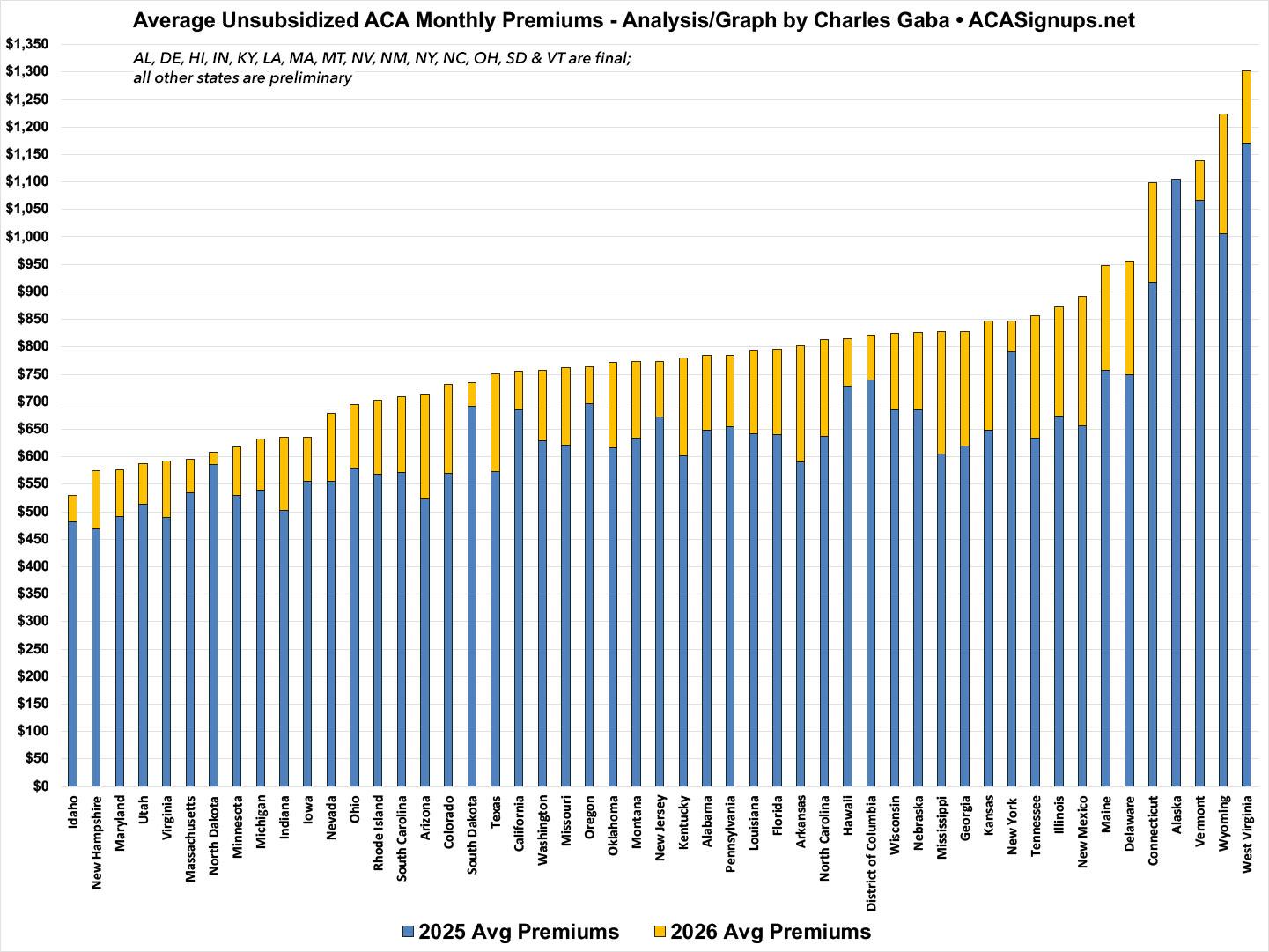
- Geographic Variables: Insurance is highly localized. Regions prone to natural disasters, high crime rates, or dense traffic accidents often carry higher baseline costs. These regional averages are set by state insurance departments and actuarial projections for that specific zip code.
- Economic Conditions: In 2026, inflationary pressures on repair costs, medical services, and replacement assets continue to push insurance premiums higher. When the cost of goods and services rises, insurers must adjust their premiums to ensure they remain solvent enough to cover projected future claims.
- Regulatory Changes: Laws governing insurance minimums change periodically. If a state increases the minimum liability required for drivers, the average monthly premium for every resident in that state will rise proportionally to meet the new legal threshold.
Comparing Insurance Categories
The term "average monthly premium" takes on different meanings depending on the sector. Below is a comparison of how these premiums are structured across common insurance types.
| Insurance Type | Primary Influencing Factors | Typical Payment Structure |
|---|---|---|
| Auto | Driving history, vehicle value, zip code | Monthly, semi-annual, or annual |
| Health | Age, network type (HMO/PPO), tobacco status | Monthly |
| Life (Term) | Age, medical history, policy length | Monthly or annual |
| Homeowners | Property value, regional hazard risk, age of roof | Monthly (often via escrow) |
Managing Your Premium Obligations
If you find that your monthly premium is exceeding your budget, there are structured steps you can take to mitigate costs without sacrificing essential protection.
1. The Audit of Coverage
Begin by reviewing your declarations page. Are you carrying high limits on an older vehicle that may no longer warrant comprehensive coverage? Are you paying for "riders" or add-ons you no longer need? A policy audit is the most effective way to eliminate unnecessary expenses.
2. Risk Mitigation Efforts
Insurers reward behavior that lowers risk. In auto insurance, this might mean completing a defensive driving course or installing a telematics device to monitor safe driving habits. For homeowners, installing security systems or impact-resistant roofing can trigger significant discounts.
3. Shopping and Re-underwriting
Insurance markets are competitive. An insurer that was the most affordable three years ago may not be the most affordable today due to shifts in their internal risk appetite. Comparing quotes from at least three different providers every 24 months is a standard best practice to ensure your rate remains competitive with current market averages.
Legal and Professional Considerations
It is important to note that insurance is a regulated industry. In the United States, insurance is primarily regulated at the state level by departments of insurance. These bodies review and approve the rate filings of insurance companies to ensure they are not "excessive, inadequate, or unfairly discriminatory."
If you believe your premium increase is unjustified, you generally have the right to request an explanation from your provider. Furthermore, if you are struggling with financial hardship, some insurers offer payment plans or "grace periods" to prevent policy cancellation. However, always consult with a licensed insurance agent or a financial advisor before making changes to your coverage, as reducing your premium through lower limits could expose you to catastrophic financial risk in the event of a claim.
Frequently Asked Questions
Why is my premium higher than the published average?
The average is a statistical mean. If your risk profile—such as a recent accident, a high-value property, or a pre-existing medical condition—is higher than the average person in your demographic, your premium will naturally be higher than the reported industry benchmark.
How often do insurers adjust monthly premiums?
Insurers typically review and adjust rates at the time of policy renewal, which is usually every 6 to 12 months. However, they may adjust rates mid-term if there is a massive regulatory change or a significant revision to your personal risk data, such as a change of address or a new driver being added to your policy.
Does paying annually instead of monthly lower the cost?
Yes, many insurance providers offer a discount for annual payments. This is because monthly billing incurs administrative costs for the insurer. By paying the full year upfront, you remove those processing fees and, in some cases, receive a "paid-in-full" discount.
Can I negotiate my insurance premium?
While you cannot "negotiate" in the traditional sense like buying a car, you can "manage" your premium. You do this by adjusting your coverage limits, changing your deductible, or qualifying for specific discounts that the insurer has built into their filing.
What should I do if my insurance company cancels my policy?
If you receive a notice of cancellation, review the reason provided immediately. If the cancellation is due to non-payment, contact the insurer to see if they will reinstate the policy. If it is for another reason, seek alternative coverage immediately to avoid a "lapse in coverage," which often results in significantly higher premiums with future carriers.
Next Steps for Policyholders
Your immediate next action should be to access your policy’s "Declarations Page." This document outlines exactly what you are paying for and the specific risk factors being applied to your current rate. Once you have this data, compare your current coverages against the requirements of your lifestyle and financial goals. If your premium feels misaligned with your current risk profile, contact your agent to discuss "coverage optimization" rather than simple cancellation. This ensures you maintain the protection you need while effectively managing your monthly cash flow.
Image Gallery