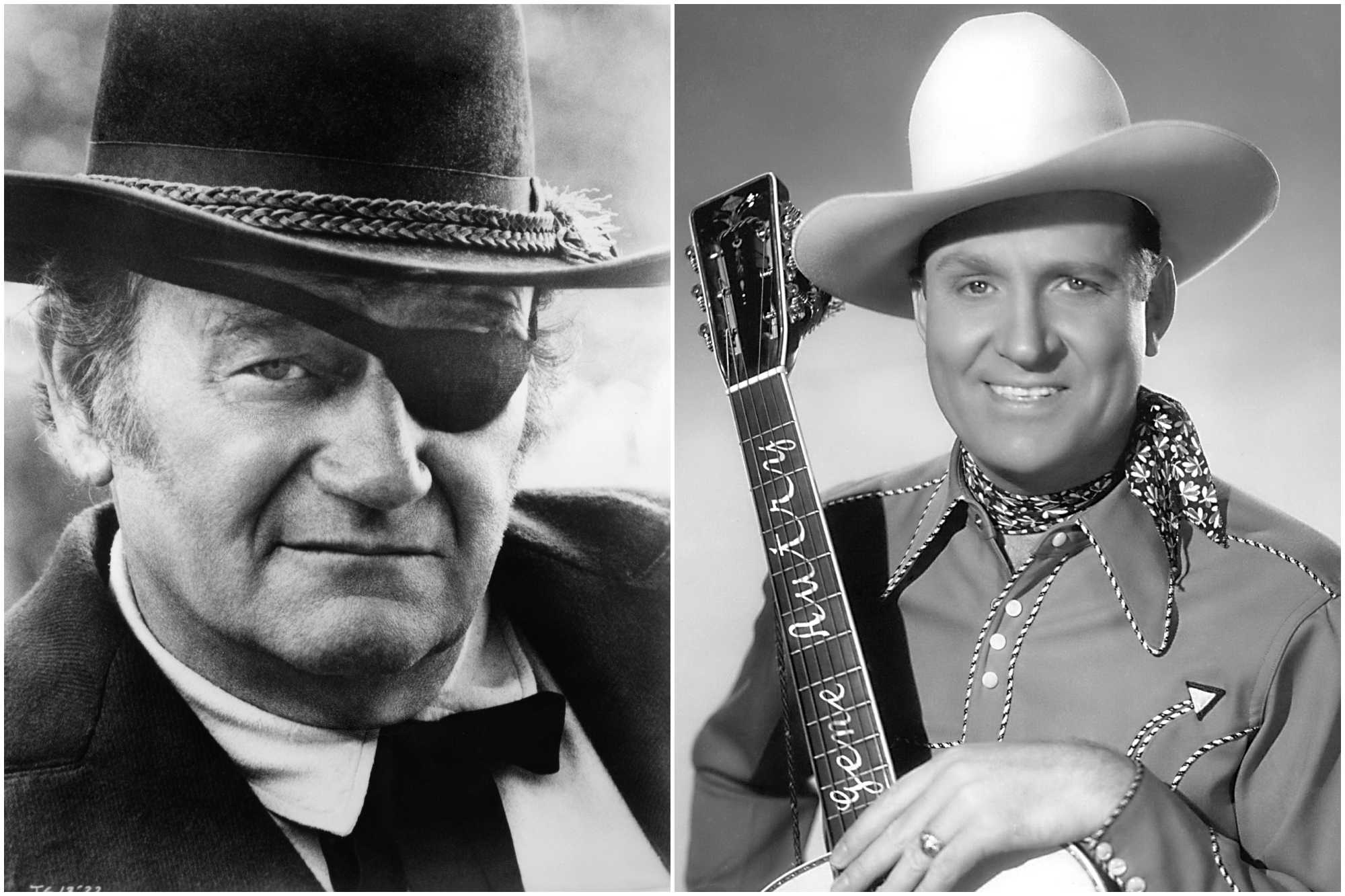
Understanding Gene Autry Net Worth in Context: An Analysis of the Singing Cowboy’s Financial Legacy
The net worth of Gene Autry at the time of his passing in 1998 is often cited in the range of $320 million, yet examining this figure requires careful historical and economic context. Autry’s wealth was not merely the result of record...
The net worth of Gene Autry at the time of his passing in 1998 is often cited in the range of $320 million, yet examining this figure requires careful historical and economic context. Autry’s wealth was not merely the result of record sales; it was the product of diversified strategic investments in broadcast media, professional sports, and real estate, marking him as one of the earliest examples of the celebrity-entrepreneur archetype.
Contents
The Architect of a Multi-Industry Empire
To understand the magnitude of Gene Autry’s financial success, one must first dismantle the myth that his earnings were tied strictly to his persona as "The Singing Cowboy." While his music career provided the initial capital and brand recognition, Autry’s long-term net worth was primarily fueled by a series of high-stakes investments in industries that were, at the time, still in their infancy or undergoing significant growth.
Autry’s entry into radio and television ownership was arguably his most significant financial move. He recognized early that owning the distribution channels—the stations—was infinitely more valuable than being the content creator alone. By acquiring KMPC in Los Angeles and subsequently building the Golden West Broadcasters empire, he positioned himself at the nexus of the mid-20th-century media boom. His ability to leverage his celebrity status to acquire licenses and prime advertising slots created a recurring revenue stream that far outpaced the royalties from his hit songs like "Rudolph the Red-Nosed Reindeer" or "Back in the Saddle Again."
Contextualizing Wealth Across Decades
Comparing the net worth of a public figure from the late 20th century to the current year of 2026 requires an adjustment for inflation and the shifting landscape of asset valuation. When Autry passed away in 1998, his $320 million fortune represented a level of liquidity and asset ownership that placed him firmly in the stratosphere of American wealth.
In 2026, it is essential to view his success through the lens of early media consolidation. Autry did not simply save his performance earnings; he capitalized on post-World War II economic growth to acquire assets that would appreciate significantly. This includes his substantial real estate holdings in California and his ownership stakes in the California Angels, which he purchased in 1960. While modern sports franchises often command multi-billion-dollar valuations, Autry’s initial investment was a gamble on the growing popularity of Major League Baseball in the West.
Strategic Asset Allocation: From Film to Franchises
The structure of Gene Autry’s wealth can be broken down into four primary pillars. Analyzing these categories provides clarity on how a performer maintained such a vast portfolio throughout his lifetime.
| Asset Category | Strategic Significance | Impact on Net Worth |
|---|---|---|
| Broadcast Media | Ownership of radio and television stations | High, provided steady cash flow and local dominance. |
| Professional Sports | Majority ownership of the California Angels | Massive appreciation in asset value over 36 years. |
| Music Catalogues | Rights to performance and publishing | Steady, long-term passive income from royalties. |
| Real Estate | Land holdings and commercial properties | Served as a stable hedge against market volatility. |
The acquisition of the California Angels illustrates the "context" part of his wealth equation. By becoming the first owner of a new franchise, he secured a major league asset for a relatively low entry cost. By the time he sold a majority stake to Disney in the mid-1990s, the valuation of professional sports teams had entered an era of exponential growth driven by television broadcasting rights—a medium he had already mastered decades prior.
The Role of Celebrity Branding
Autry was a pioneer in using his brand as a lever for business opportunities. Unlike his contemporaries, who often remained tethered to studio contracts, Autry formed his own production company, Flying A Productions. By maintaining ownership of his films and television shows, he ensured that he, rather than the studio, captured the long-term residuals.
This business model is standard in 2026, but in the 1950s, it was revolutionary. By controlling the rights to his work, Autry insured himself against the decline of his physical performance career. This foresight is the primary reason his net worth continued to grow even as his days on the silver screen diminished. He was essentially a media mogul who happened to have a background in country music.
Limitations and Financial Realities
It is important to note that the reported figure of $320 million is an estimate of his estate’s value at the time of his death. It does not account for the tax implications of his charitable contributions or the costs associated with the management of his various corporate entities. Autry was well-known for his philanthropy, particularly through the Autry Foundation, which supported various educational and cultural institutions. These philanthropic efforts significantly shaped the final dispersal of his assets.
Furthermore, economic fluctuations in the 1990s impacted his portfolio. While he had divested from the Angels, his media interests were subject to the rapid changes brought on by the deregulation of the communications industry. Any analysis of his net worth must acknowledge that he was not a "passive" investor; he was an active manager of his business interests until his final years, which kept his financial profile dynamic and complex.
Frequently Asked Questions
1. Was Gene Autry the wealthiest entertainer of his time? While Autry was among the wealthiest, the term "wealthiest" is subjective depending on whether you count liquid assets or total business holdings. By the 1980s and 90s, his wealth was comparable to other moguls who transitioned from performance to business ownership, such as Bob Hope or Frank Sinatra.
2. How did the California Angels sale influence his final net worth? The sale of the California Angels to the Walt Disney Company was a major liquidity event. Selling the team provided a massive infusion of cash to his estate, contributing significantly to the final reported net worth figures circulating at the time of his passing.
3. Did his music royalties make up the majority of his wealth? No. While his musical career was the foundation of his fame, his royalties provided only a fraction of his total wealth. The bulk of his net worth was generated by his media station holdings and his ownership of the professional baseball franchise.
4. Are modern performers more wealthy than Autry was? By raw numbers, yes. Due to the global scale of modern digital media and the massive valuation of modern sports and entertainment companies, individual celebrity net worths have reached levels that far exceed the 1998 figures. However, in terms of his impact on the business model of celebrity entrepreneurship, Autry remains a foundational figure.
5. Is the "Gene Autry Net Worth" figure a reliable estimate? It is considered a reasonable estimate based on public filings and reports from the time of his death. However, like all estimates for private individuals or complex business owners, it reflects a snapshot of valuation that can be subject to audit and market correction.
Conclusion and Next Actions
To truly understand Gene Autry’s financial success, readers should move beyond the celebrity narrative and examine his business history through the lens of early media and franchise ownership. His wealth was not an accident of fame but a result of deliberate asset acquisition. For those interested in the history of media moguls, the most effective next step is to research the specific financial filings of his company, Golden West Broadcasters, which are held in several archival collections, or to review the historical valuation of MLB franchises during the 1960s to understand the growth trajectory of his most significant sports investment.
Image Gallery