Comprehensive Guide to San Diego Hula Classes in 2026
San Diego offers a vibrant landscape of hula classes through traditional halau (schools) located in neighborhoods like Mira Mesa, Poway, and Chula Vista. These programs cater to all ages and skill levels, providing instruction in both...
San Diego offers a vibrant landscape of hula classes through traditional halau (schools) located in neighborhoods like Mira Mesa, Poway, and Chula Vista. These programs cater to all ages and skill levels, providing instruction in both ancient kahiko and modern ’auana styles while emphasizing the preservation of Hawaiian culture and the "Aloha Spirit."
Contents
The Cultural Landscape of Hula in San Diego
San Diego has long been referred to as the "Ninth Island" due to its significant Hawaiian and Pacific Islander population. This cultural density has fostered a robust environment for hula, where the dance is treated not merely as a fitness activity but as a disciplined art form rooted in oral history and genealogy. In 2026, the demand for San Diego hula classes continues to grow as residents seek community-oriented activities that offer both physical exercise and mental grounding.
The structure of hula instruction in San Diego typically follows the traditional Hawaiian model. Most classes are part of a Halau Hula (hula school), led by a Kumu Hula (master teacher). The Kumu is responsible for passing down the lineage of the dance, ensuring that the movements, chants, and meanings remain authentic to their specific school's traditions. For students, joining a halau means entering a community—or ohana—where mutual respect and shared responsibility are as important as the footwork.
Participation in local events, such as the annual San Diego Ho'olaule'a or the Pacific Islander Festival, serves as a primary motivator for many students. These events allow dancers to showcase their progress and connect with the broader Pacific Islander community in Southern California.
Understanding the Primary Styles of Hula
When searching for San Diego hula classes, it is essential to understand the distinction between the two primary styles taught in most curricula. Each style requires different techniques, costumes, and musical accompaniment.
Hula Kahiko (Ancient Hula)
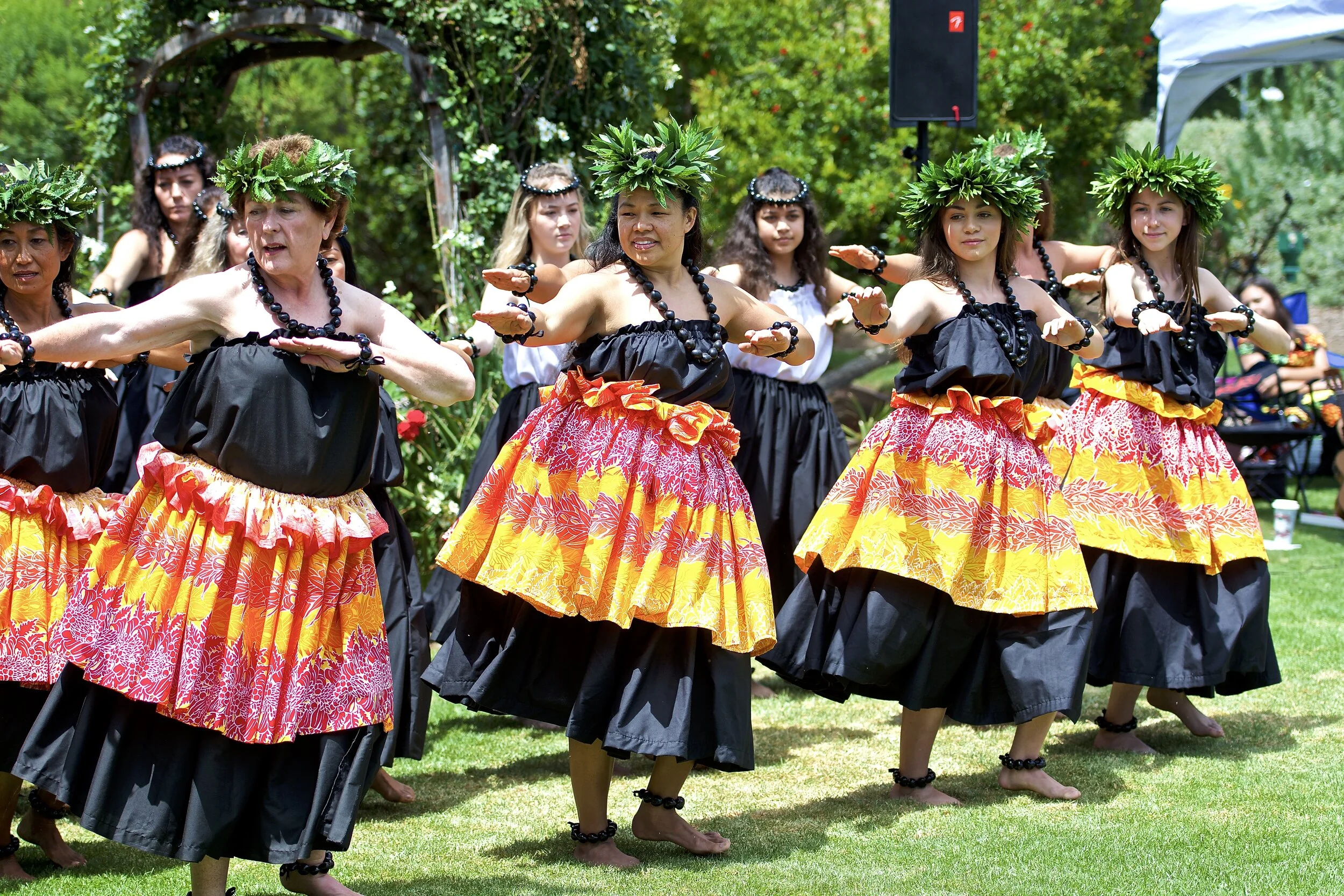
Hula Kahiko is the traditional form of the dance as it existed before Western contact. It is characterized by percussive accompaniment, typically from the ipu (gourd drum) or pahu (sharkskin drum), and is performed to rhythmic chants known as mele.
- Technique: Movements are often more vigorous and grounded. The focus is on precision, strength, and the delivery of the chant.
- Significance: This style is used to recount historical events, honor royalty (ali'i), and celebrate Hawaiian deities.
- Attire: Dancers typically wear traditional fabrics like tapa (kapa) or earth-toned cottons, with leis made of greenery or traditional plants rather than flashy flowers.
Hula ’Auana (Modern Hula)
Hula ’Auana emerged in the 19th and 20th centuries as Western musical influences, such as the ukulele, guitar, and melodic singing, were integrated into Hawaiian culture. This is the style most frequently seen in contemporary performances and tourist lu'aus.
- Technique: The movements are fluid, soft, and graceful. Hand gestures are highly descriptive, literally "telling the story" of the song's lyrics.
- Significance: Themes often revolve around love, nature, and the beauty of specific islands or locations.
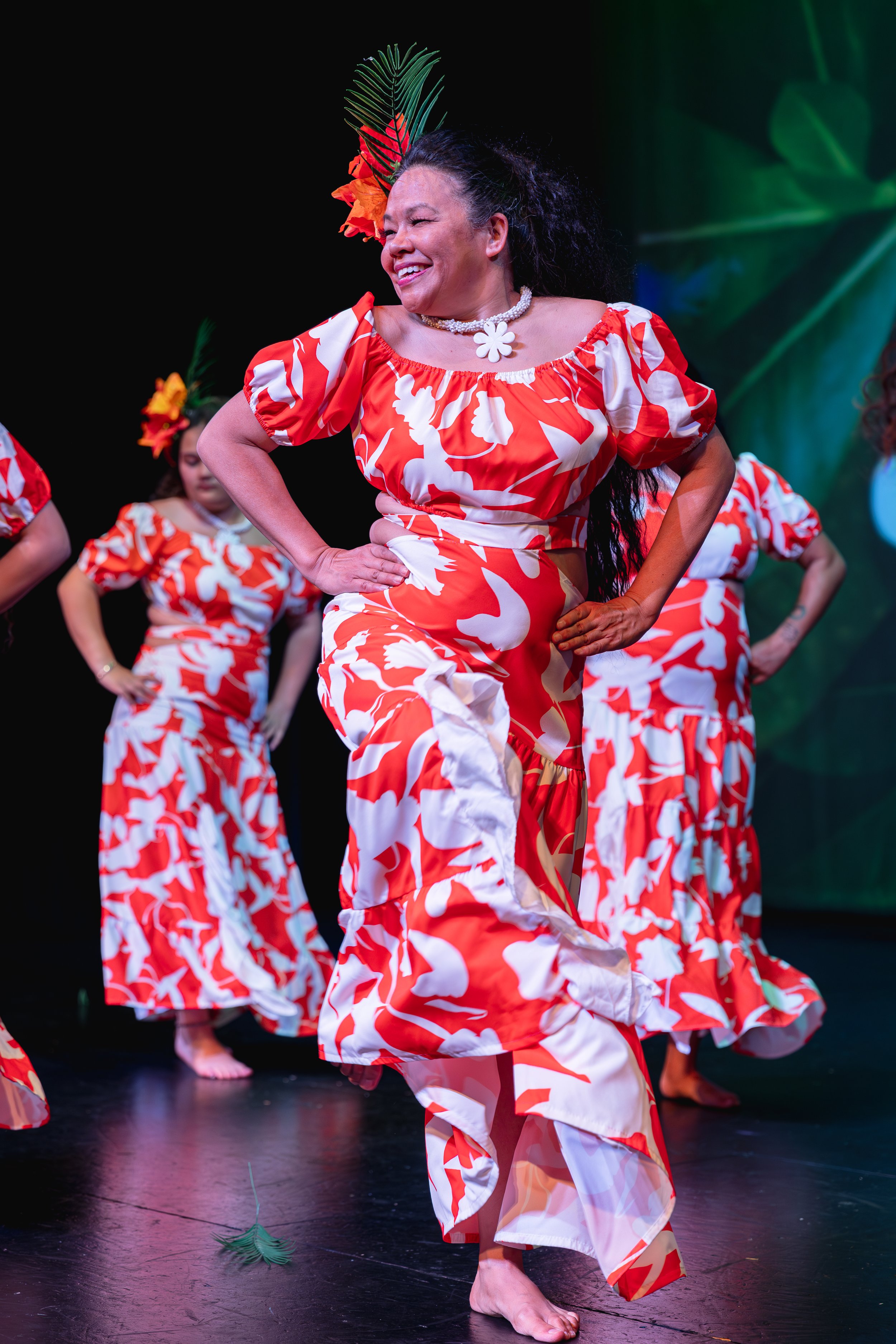
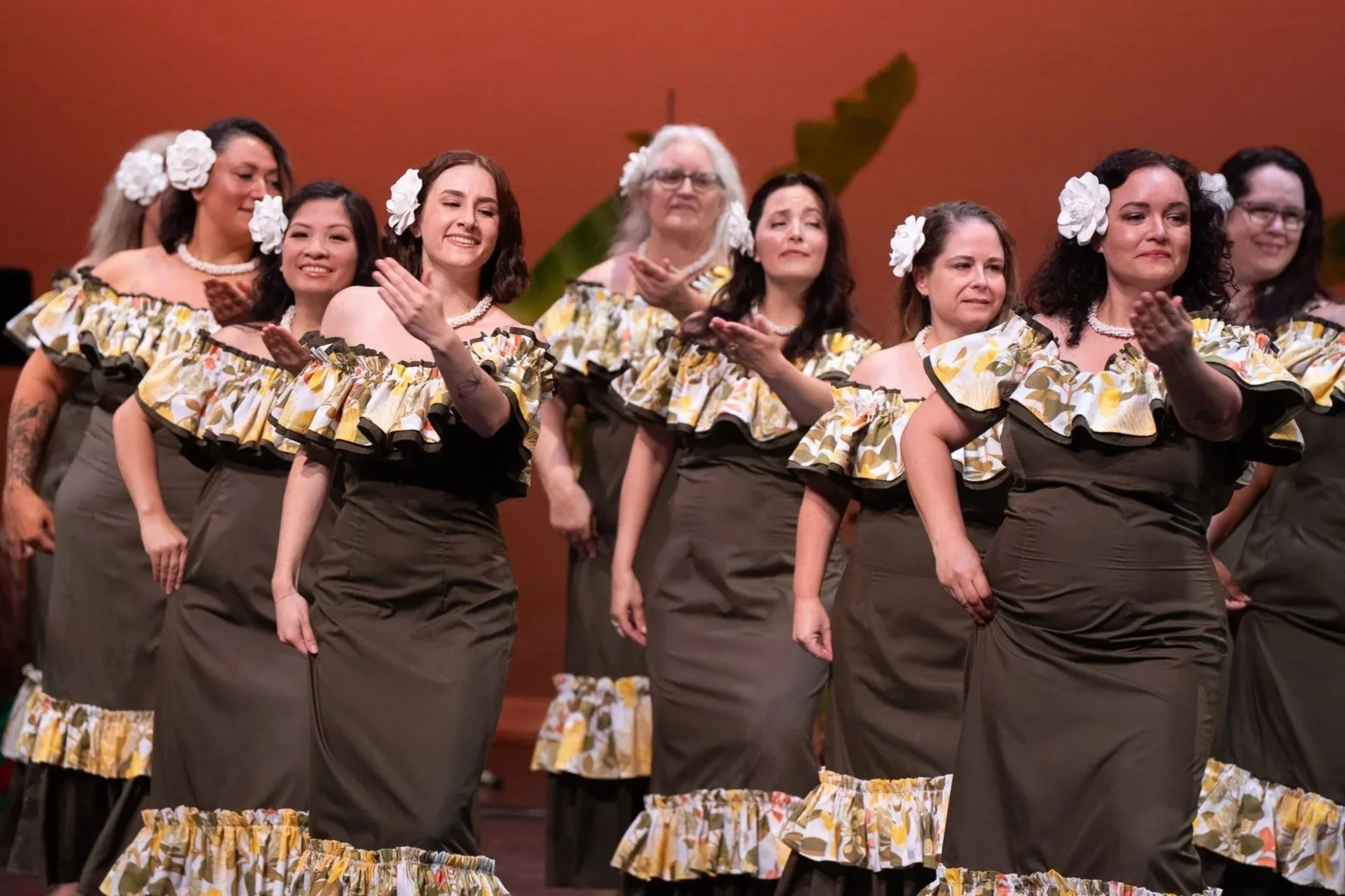
- Attire: Dancers wear colorful dresses (mu'umu'u), floral prints, and vibrant flower leis.
Top Schools for Hula Classes in San Diego
The following table provides a comparison of prominent halau and community programs offering San Diego hula classes in 2026. Note that schedules and specific fees may vary by quarter.
| Halau / School Name | Primary Location | Target Audience | Style Focus |
|---|---|---|---|
| Heali'i's Polynesian Revue | Clairemont / Mesa | All ages (Keiki to Kupuna) | Kahiko & ’Auana |
| Halau Hula O Makana | Poway / North County | Beginner to Competitive | Traditional Halau |
| Hula Hālau ‘O ‘Ai‘ai | Mira Mesa | Women & Children | Cultural Immersion |
| San Diego Parks & Rec | Various Centers | Beginners / Seniors | Recreational ’Auana |
| South Bay Polynesian Dance | Chula Vista | Families / Youth | Performance Based |
Heali'i's Polynesian Revue
Founded in 1967, Heali'i's Polynesian Revue is one of the oldest and most respected schools in the region. They offer a comprehensive curriculum that includes not just hula, but also Tahitian and Maori dance. Their Clairemont-based studio is a hub for dancers looking for a balance between rigorous technical training and a family-friendly environment.
Halau Hula O Makana
Located in the North County area, Halau Hula O Makana focuses heavily on the traditional aspects of the dance. Under the guidance of their Kumu, students learn the intricate details of Hawaiian language and history alongside the choreography. This school is ideal for those who wish to pursue hula as a lifelong cultural study.
Hula Hālau ‘O ‘Ai‘ai
Operating primarily in the Mira Mesa area, Hula Hālau ‘O ‘Ai‘ai emphasizes the "spirit of the dance." They offer specific classes for Keiki (children) and Wahine (women), often participating in community service performances and local cultural festivals.
What to Expect in Your First Class
Entering a halau for the first time involves specific etiquette and preparations. Unlike a standard aerobics class, hula classes in San Diego often begin and end with a ritual or a shared moment of focus.
Attire and Equipment
For your first few lessons, you generally do not need a full performance costume. Most instructors recommend:
- Pa'u Skirt: This is a full, gathered skirt worn during practice. It helps the dancer (and the teacher) see the movement of the hips and ensures the correct posture. Beginners may sometimes start in comfortable leggings or a wrap (pareo) until they purchase a proper pa'u.
- Top: A simple, form-fitting t-shirt or tank top that allows for a full range of arm motion.
- Bare Feet: Hula is traditionally performed barefoot to maintain a connection with the earth.
- Notebook: Many students bring a notebook to record the meanings of the mele (songs) and the specific names of the steps, such as the kaholo, ka'o, and hela.
The Importance of Etiquette
Respect is the cornerstone of hula. Students are expected to arrive on time, as many classes begin with a chant or a prayer to ask for permission to enter the "sacred space" of learning. It is also customary to address the teacher as "Kumu" and to support fellow students (haumāna).
Health and Wellness Benefits of Hula
While often perceived as a gentle dance, hula is a physically demanding activity that provides a full-body workout. In 2026, many San Diego residents utilize hula classes as a holistic approach to fitness.
- Core and Lower Body Strength: The "hula stance" involves keeping the knees slightly bent (’ai ha’a) throughout the dance. This engages the quadriceps, glutes, and core muscles continuously, leading to significantly improved lower body endurance.
- Coordination and Brain Health: Hula requires "split-brain" coordination—the feet maintain a rhythmic pulse while the hands perform narrative gestures and the voice may be used for chanting. This cognitive challenge is highly effective for maintaining mental sharpness and coordination.
- Low-Impact Cardio: Because hula avoids jumping or high-impact jarring, it is an excellent cardiovascular option for individuals with joint concerns or those in the Kupuna (senior) age bracket.
- Emotional Regulation: The emphasis on the "Ha" (the breath) and the storytelling aspect of the dance allows for emotional expression and stress relief, often described by practitioners as a form of "moving meditation."
Costs and Commitment Levels
Tuition for hula classes in San Diego varies depending on the type of institution.
- Community Centers: Programs through the City of San Diego Parks and Recreation are typically the most affordable, often ranging from $40 to $80 for a multi-week session. These are excellent for casual learners.
- Private Halau: Traditional schools usually charge a monthly tuition fee ranging from $60 to $120. In addition to tuition, students should budget for workshop fees, performance costumes (which can be expensive due to authentic materials), and travel if the halau participates in competitions.
- Time Commitment: Most beginner classes meet once a week for 60 to 90 minutes. However, as a student progresses to intermediate or advanced levels, the commitment often increases to multiple days per week, especially leading up to the festival season in the summer months.
Frequently Asked Questions
Can men join hula classes in San Diego? Yes. While hula is often associated with women, there is a strong tradition of Kane (men’s) hula. Men’s hula is characterized by more athletic, vigorous movements and focuses on strength and warrior traditions. Several San Diego halau, including Heali'i's, have dedicated Kane programs.
Do I need to be of Hawaiian descent to take hula classes? Absolutely not. Hula is a gift from Hawaii to the world. Kumu Hula in San Diego welcome students of all backgrounds, provided they approach the dance with respect, humility, and a genuine desire to learn the culture properly.
What is the best age to start hula? Hula is a lifelong pursuit. Many schools have Keiki classes for children as young as four or five years old, while Kupuna classes are specifically designed for seniors. There is no "upper limit" to starting hula, as the movements can be adapted to various physical abilities.
Is hula a good way to lose weight? Hula can certainly contribute to weight loss when combined with a healthy lifestyle. The constant engagement of the large muscle groups in the legs and the aerobic nature of longer dances burn a significant number of calories. More importantly, it builds functional strength and flexibility.
How do I choose the right halau for me? Consider your goals. If you want a casual, low-pressure environment, a community center class is best. If you are looking for deep cultural immersion and the possibility of performing or competing, look for a traditional halau. It is often helpful to watch a class or attend a local performance before enrolling to see if the school's "vibe" matches your personality.
Final Recommendation
For those looking to begin their journey with San Diego hula classes, the best next step is to attend a community event like the Pacific Islander Festival to observe the different styles of local halau. Once you find a style that resonates with you, contact the Kumu Hula to inquire about an introductory class. Starting with a beginner-level course at a reputable school like Heali'i's or a local Parks and Rec program will ensure you build a solid foundation in both the footwork and the cultural significance of this ancient art form.
Image Gallery