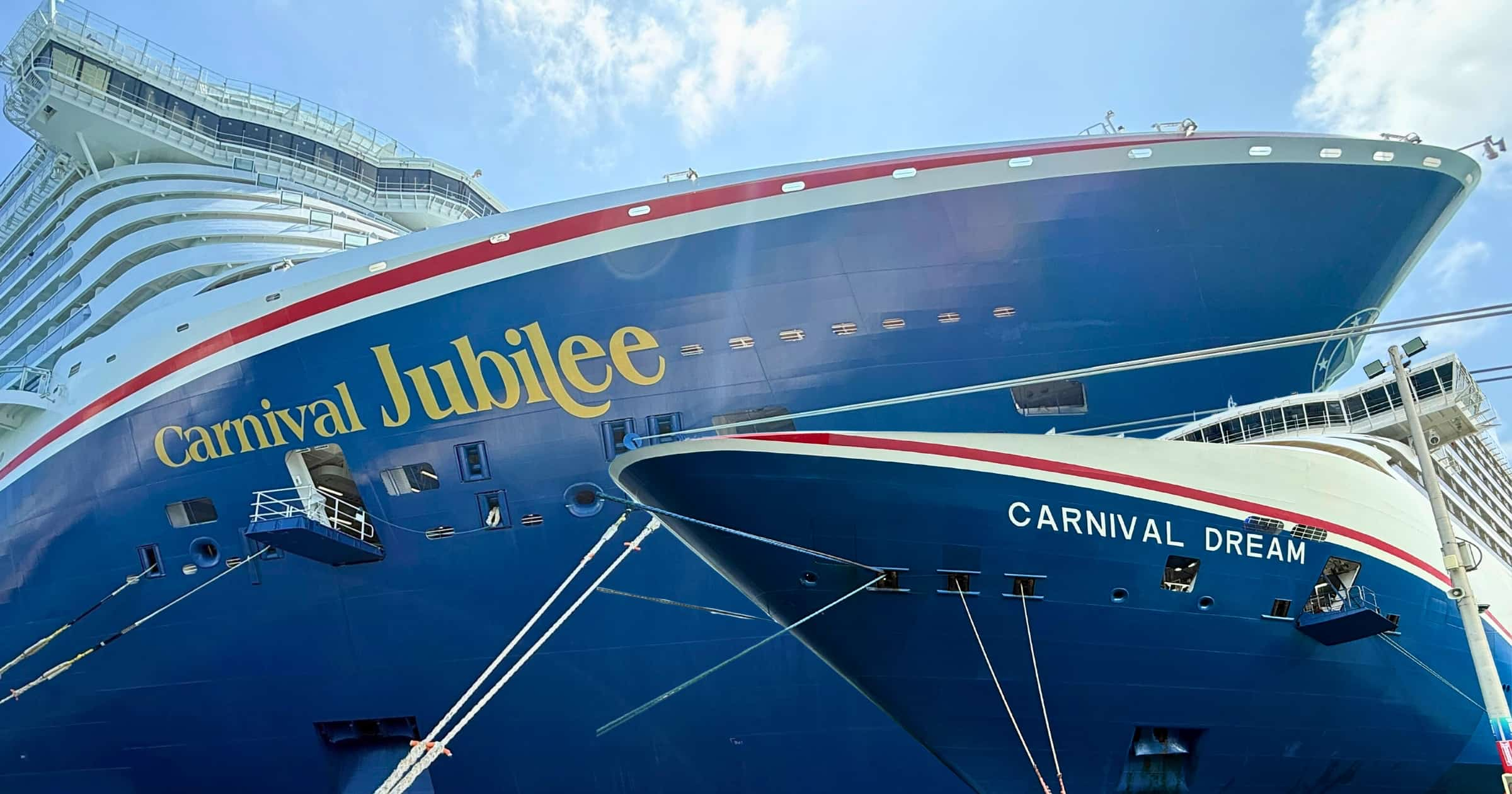
What Happened on the Carnival Dream? A Timeline of Major Incidents and Passenger Impact
The Carnival Dream, the lead vessel of Carnival Cruise Line’s Dream class, has experienced two major, widely publicized onboard incidents since its 2009 debut: a 2013 emergency generator failure in St. Maarten that stranded thousands o...
The Carnival Dream, the lead vessel of Carnival Cruise Line’s Dream class, has experienced two major, widely publicized onboard incidents since its 2009 debut: a 2013 emergency generator failure in St. Maarten that stranded thousands of passengers and forced a full evacuation via charter flights, and a 2018 fire suppression line rupture that flooded 50 staterooms on Deck 9. The ship has also experienced minor propulsion issues and overboard emergencies typical of long-serving commercial passenger vessels.
Contents
The 2013 Emergency Generator Failure in St. Maarten
On March 14, 2013, the Carnival Dream was docked in Philipsburg, St. Maarten, during a seven-day Eastern Caribbean voyage originating from Port Canaveral, Florida. During routine testing of the vessel’s emergency diesel generator system, technical malfunction occurred that prevented the system from operating properly.
While the ship’s main diesel-electric propulsion engines and primary generators remained functional to maintain core lighting and safety operations, the failure of the secondary emergency backup system breached safety redundancies required by maritime classification societies and flag-state regulations.
- Port Canaveral Launch
- St. Maarten Docking
- Generator Failure During Test
- Cruise Cancellation & Flight Evacuation
Onboard Conditions and Passenger Impact
During the troubleshooting phase, crew members had to periodically interrupt power to perform diagnostic tests. These power interruptions led to temporary failures in key hotel functions:
- Sanitation Systems: Vacuum-flush toilets in guest staterooms and public restrooms lost suction and became unusable for several hours.
- Vertical Transportation: Elevators were shut down as a precaution, restricting passenger movement across the vessel’s 14 decks.
- Guest Operations: Public spaces experienced intermittent lighting outages, though emergency lighting remained active throughout the vessel.
At no point was the vessel in danger of capsizing or sinking, nor was there an onboard fire. However, the breakdown rendered the ship incapable of legally departing port with passengers on board under international maritime safety standards.
Evacuation and Compensation
Carnival Cruise Line determined that repairs could not be completed in time to resume the itinerary safely. The cruise line canceled the remainder of the voyage and initiated a complex airlift operation to repatriate approximately 4,300 passengers and 1,400 crew members.
Carnival chartered roughly 50 commercial flights to transport passengers directly from St. Maarten back to Florida. Passengers received:
- A full refund for the equivalent of three days of the seven-day cruise fare.
- A 50 percent credit toward a future cruise purchase.
- Full reimbursement for travel expenses and incidental costs incurred during the delay.
The 2018 Deck 9 Main Line Water Leak
On May 3, 2018, during a seven-day Western Caribbean cruise, the Carnival Dream suffered a major internal flood when a main line connection in the ship's fire suppression system burst on Deck 9.
Mechanics of the Flood
The rupture occurred in a pressurized water line serving the vessel's sprinkler network. Because the system holds significant volume under high pressure, warm water rapidly broke through ceiling panels and poured down corridors and into guest quarters.
- Affected Area: Approximately 50 guest staterooms along a major corridor on Deck 9 were inundated.
- Severity: Water reached several inches deep in passenger staterooms, soaking carpets, furnishings, and personal belongings.
- Media Coverage: Video footage captured by passengers showed streams of water pouring from ceiling light fixtures and air ducts, which quickly circulated across global news outlets and social media platforms.
Emergency Response and Cleanup
The ship's onboard damage control and engineering teams isolated the main valve to stop the flow of water. Off-duty crew members were mobilized to clear standing water using wet vacuum extractors, buckets, and commercial drying fans.
Carnival’s operational team replaced damaged drywall and carpeting while the ship remained underway. To accommodate affected guests whose rooms were uninhabitable, the crew converted public lounges into temporary sleeping quarters until alternative arrangements could be made.
Guest Compensation
Carnival Cruise Line issued a formal apology and provided the following remedies to impacted passengers:
- A 100 percent refund of their cruise fare.
- A 100 percent future cruise credit.
- The option to be flown home early from the next scheduled port of call at Carnival’s expense.
Other Notable Onboard Events and Mechanical Issues
Like most large cruise ships operating over extended service lives, the Carnival Dream has logged additional minor incidents, including technical maintenance delays and search-and-rescue operations.
October 2019 Man Overboard Event
On October 24, 2019, while the Carnival Dream was sailing approximately 47 miles off the coast of Galveston, Texas, a 26-year-old male passenger went overboard from his stateroom balcony.
Upon notification, the bridge team launched night-vision tracking, deployed rescue boats, and coordinated with the United States Coast Guard Sector Houston-Galveston. The Coast Guard deployed aircraft and cutter vessels to conduct a search operation over several hundred square miles. The search was suspended after exhaustive efforts yielded no recovery.
Periodic Propulsion and Speed Reductions
Throughout its service history, the Carnival Dream has experienced occasional propulsion performance issues tied to its Azipod electromechanical drive units. These issues have periodically limited the ship's maximum cruising speed, requiring Carnival's port operations team to alter planned itineraries by reducing time in port or skipping specific port calls (such as Cozumel, Mexico, or Belize City) to preserve safe operating margins.
Summary of Major Incidents on the Carnival Dream
| Date | Incident Type | Primary Cause | Primary Impact | Resolution & Compensation |
|---|---|---|---|---|
| March 2013 | Emergency Generator Failure | Technical malfunction during routine testing of backup generator | Loss of sanitation and elevator service; stranded in St. Maarten | Cruise canceled; ~4,300 guests flown home on 50 charter flights; partial refunds + 50% FCC |
| May 2018 | Internal Deck Flooding | Ruptured fire suppression water line on Deck 9 | ~50 staterooms flooded with warm water; property damage | Emergency cleanup; 100% refund + 100% FCC; optional early flight home |
| October 2019 | Man Overboard Incident | Passenger fell or jumped from balcony 47 miles off Texas coast | Emergency search-and-rescue operation | Joint search by ship crew and US Coast Guard; search suspended |
| Various Dates | Reduced Cruising Speed | Electromechanical propulsion/Azipod maintenance requirements | Skipped or shortened port calls on select itineraries | Itinerary adjustments; onboard credit provided on affected sailings |
Passenger Rights and Maritime Laws Governing Cruise Disruptions
When severe disruptions occur on ocean vessels, guest remedies are dictated by international maritime law, national regulatory frameworks, and the carrier's Cruise Contract.
The Cruise Line Industry Passenger Bill of Rights
Following high-profile mechanical failures across the industry in 2013—including the Carnival Dream St. Maarten incident and the Carnival Triumph engine room fire—the Cruise Lines International Association (CLIA) adopted the Cruise Industry Passenger Bill of Rights.
This agreement guarantees passengers specific protections, including:
- Right to Full Refund: Full or partial refunds for trips canceled due to mechanical failures.
- Transportation Home: Emergency airlift or alternative travel arrangements to the port of origin if a voyage is terminated early due to mechanical failure.
- Onboard Care: Access to basic food, water, medical care, and sanitary facilities if a ship is grounded or stranded at sea or at a dock.
- Professional Medical Staff: Availability of a qualified physician on ocean-going vessels to render emergency care until shore-side facilities are reached.
Legal Jurisdictions and Limitations
Cruise contracts explicitly limit carrier liability for indirect costs such as missed secondary travel connections, non-refundable hotel stays, or emotional distress resulting from mechanical failures.
- Maritime Law Jurisdiction: Passenger legal claims against cruise lines are primarily governed by federal maritime law rather than local state tort laws.
- Death on the High Seas Act (DOHSA): Applies to fatal incidents occurring more than three nautical miles from U.S. shores. DOHSA restricts financial recovery primarily to pecuniary damages (financial loss), excluding non-economic damages for pain and suffering in many circumstances.
Frequently Asked Questions
Did the Carnival Dream ever sink or capsize?
No. The Carnival Dream has never sunk, capsized, or suffered structural hull compromise. The incidents that received public attention involved localized internal water pipe ruptures and backup generator maintenance issues while safely docked.
Is the Carnival Dream still operational?
Yes. The Carnival Dream remains an active vessel in Carnival Cruise Line's fleet, undergoing routine dry dock maintenance, structural inspections, and technical upgrades mandated by the U.S. Coast Guard and its flag state registry.
What should passengers do if a major mechanical disruption occurs on a cruise?
Passengers experiencing major vessel disruptions should immediately:
- Report room damage or mechanical loss to Guest Services to establish an official log entry.
- Document structural damage or personal property loss using photos and videos.
- Retain all receipts for unexpected out-of-pocket travel expenses.
- Review the Cruise Lines International Association (CLIA) Passenger Bill of Rights alongside their cruise ticket contract to understand available compensation options.
What caused the 2018 flood on the Carnival Dream?
The 2018 flood was caused by a mechanical breach in a main water line connected to the vessel's automated fire suppression system on Deck 9. It was not caused by seawater entering the vessel from the ocean.
Practical Recommendations for Travelers
When booking or embarking on cruise vacations, travelers can take proactive steps to protect themselves against operational disruptions:
- Secure Travel Insurance with Cruise Interruption Coverage: Standard health or travel insurance policies often exclude international maritime evacuations or trip interruptions caused by mechanical breakdown. Choose a policy that explicitly covers cruise line mechanical cancellations, emergency medical evacuations, and travel delay reimbursements.
- Review the Cruise Ticket Contract: Prior to departure, examine the carrier’s contract terms regarding mechanical delays, port cancellations, and claims notification deadlines.
- Keep Essential Items in Carry-On Luggage: In the event of a sudden cabin shift or evacuation, maintain vital medications, travel documents, identification, and financial cards in accessible hand luggage rather than checked bags.
Image Gallery