Vets 4 You Plumbing: Services, Credentials, and Complete Plumbing Guide
Vets 4 You Plumbing provides residential and commercial plumbing solutions, combining specialized technical trade expertise with veteran-led operational discipline. This comprehensive guide details core plumbing services, contractor li...
Vets 4 You Plumbing provides residential and commercial plumbing solutions, combining specialized technical trade expertise with veteran-led operational discipline. This comprehensive guide details core plumbing services, contractor license verification procedures, diagnostic technologies, cost factors, and preventive maintenance practices necessary to evaluate plumbing contractors and resolve complex piping, drain, and water heating issues effectively.
Contents
Understanding Vets 4 You Plumbing and Veteran-Owned Plumbing Services
Selecting a qualified plumbing contractor requires evaluating technical capabilities, code compliance, licensing credentials, and operational reliability. Veteran-owned plumbing companies, such as Vets 4 You Plumbing, often structure their field operations around military protocols: rigorous diagnostic checklists, clear project timelines, transparent communication, and strict safety enforcement.
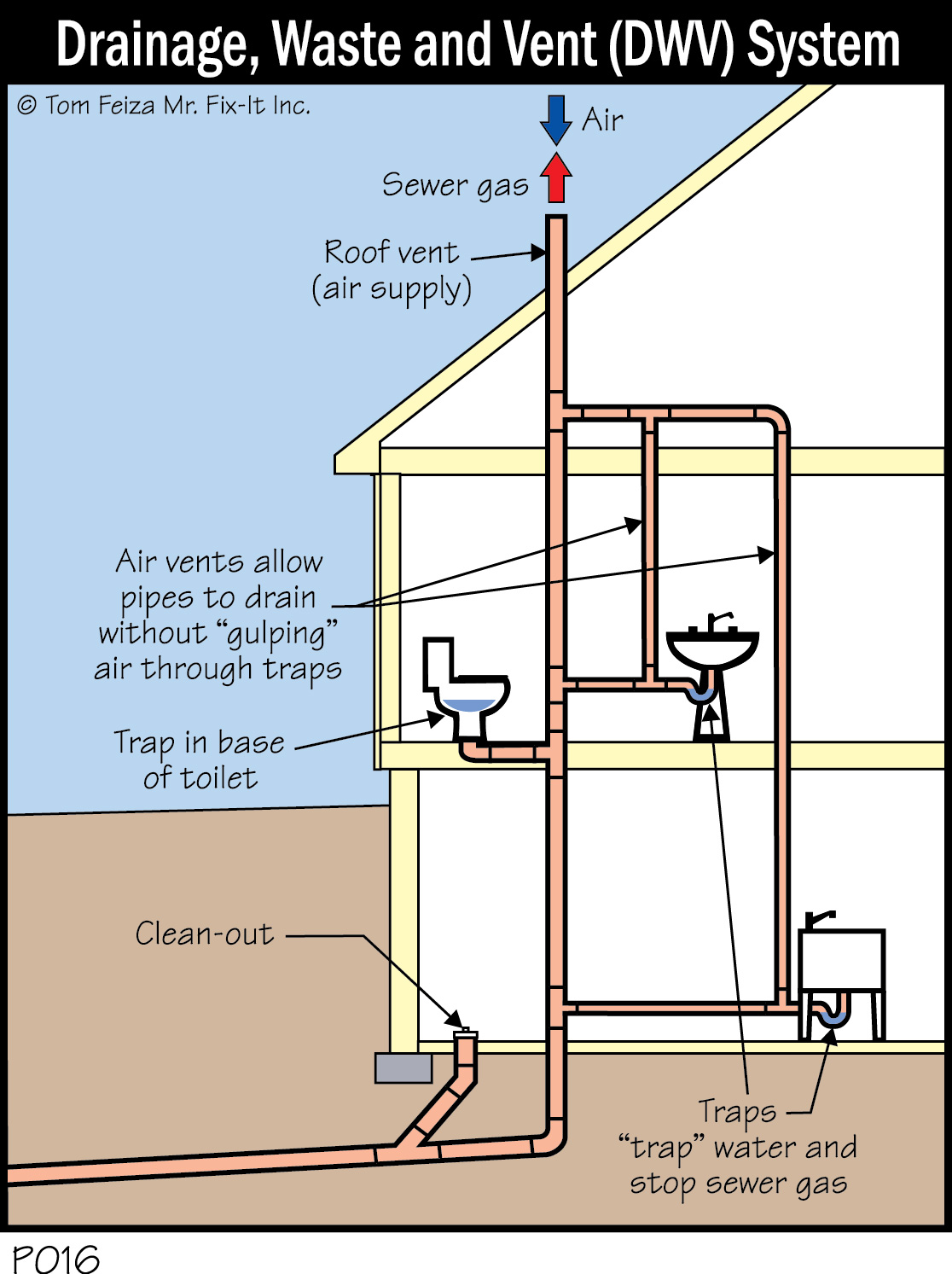
Professional plumbing contractors manage everything from urgent residential emergencies to large-scale commercial installations. Plumbing systems rely on complex physics—hydrodynamics, thermal expansion, static pressure differentials, and venting dynamics. A single failing component, such as an degraded pressure-reducing valve or an unvented drain trap, can cause widespread property damage, health hazards from sewer gas intrusion, or structural water contamination.
When evaluating a service provider like Vets 4 You Plumbing, property owners must assess both the breadth of services offered and the technical certifications of the technicians dispatched to the job site. Fully licensed plumbers undergo years of apprenticeship, field work, and formal training in local plumbing codes, material sciences, and pipe joining standards.
Core Services Offered by Professional Plumbing Specialists
Modern plumbing contractors provide a wide range of specialized services designed to maintain, repair, and upgrade essential water supply, drainage, and gas systems. Understanding these service categories helps property owners identify the exact technical intervention required for their infrastructure.
Core Plumbing Service Spectrum:
- Emergency & Diagnostic
- Main Shutoff
- Burst Pipes
- Gas Leaks
- Slab Leaks
- Water Heater Management
- Tank/Tankless
- Expansion
- Sediment Flushing
- Drain & Sewer Restoration
- Hydro-Jetting
- CCTV Camera
- CIPP Trenchless Repair
Emergency Plumbing and Rapid Diagnostics
Plumbing emergencies require immediate stabilization to limit structural damage and prevent microbial growth. Standard emergency protocols include isolating main shutoff valves, performing static pressure tests, and conducting rapid visual or electronic diagnostics.
- Burst Supply Lines: High-pressure copper, PEX, or galvanized lines can discharge dozens of gallons of water per minute. Emergency repair involves isolating the damaged branch line, cutting out degraded pipe segments, and soldering or mechanically crimping replacement pipe using approved fittings.
- Gas Piping Inspection: Natural gas and propane lines require specialized pressure drop testing using water column manometers or digital pressure gauges. Technicians trace leaks using combustible gas detectors and non-corrosive bubble solutions.
- Sewer Backups: Raw sewage backflows present acute biohazard risks. Emergency containment involves stopping water usage throughout the building, establishing secondary containment barriers, and clearing primary line obstructions using mechanical augers or high-pressure water jets.
Water Heater Installation, Repair, and Conversion
Water heating represents one of the largest energy expenditures in a home or commercial facility. Professional plumbing contractors service both storage-tank systems and tankless (on-demand) units.
- Conventional Storage-Tank Systems: These systems store 30 to 80 gallons of water kept continuously at set temperatures (typically 120°F to 140°F). Over time, mineral sediment builds up at the bottom of the tank, reducing heating efficiency and causing thermal stress that can rupture the inner steel vessel. Servicing includes replacing sacrificial anode rods, replacing failed temperature and pressure relief (TPR) valves, and flushing accumulated sediment.
- Tankless Water Heaters: On-demand units heat water directly as it flows through high-efficiency heat exchangers. While tankless systems offer higher energy efficiency and virtually continuous hot water, they require precise gas line sizing (often 3/4-inch supply lines delivering 150,000 to 199,000 BTUs), dedicated venting (such as Category III or IV stainless steel or special PVC/CPVC pipes), and periodic chemical descaling using food-grade citric acid to clear mineral scale.
- Thermal Expansion Tanks: According to modern plumbing codes, closed-loop water systems (those equipped with backflow preventers or check valves) must have a properly sized thermal expansion tank installed on the cold water inlet. This cushions pressure spikes caused by expanding water during heating cycles, protecting pipes and fixtures from hydraulic stress.
For detailed guidelines on selecting energy-efficient water heating equipment, review the U.S. Department of Energy Water Heating Guide.
Advanced Drain Cleaning and Sewer Line Restoration
Drainage networks rely on gravity and atmospheric venting to clear wastewater smoothly. When lines accumulate grease, soap scum, hair, or invasive tree roots, specialized restoration methods become necessary.
- Mechanical Snaking (Augering): Rotating steel cables equipped with specialized cutting heads bore through local obstructions in secondary branch lines (such as sinks, tubs, and toilets). Snaking is ideal for immediate clearing of localized blockages.
- Hydro-Jetting: High-pressure water jetting units blast water at 2,000 to 4,000 PSI through multi-directional nozzles. This process scours the internal walls of sewer mainlines, stripping away emulsified fats, oils, grease (FOG), heavy scale, and root mats without damaging structurally sound piping.
- CCTV Video Camera Inspection: Diagnostic technicians insert high-resolution, self-leveling fiber-optic cameras with integrated radio transmitters (sondes) into the cleanout access points. This visual inspection identifies offset pipe joints, crushed sections, root entry points, bellies (sagging line sections that trap solids), and structural cracks.
- Trenchless Sewer Repair: Cured-In-Place Pipe (CIPP) lining allows plumbers to rehabilitate damaged underground sewer pipes without excavating entire lawns or concrete driveways. An epoxy-saturated felt liner is pulled through the host pipe, inflated via air or water pressure, and cured in place to form a seamless, jointless new pipe inside the old one.
Electronic Leak Detection and Slab Leak Repairs
Hidden leaks occurring behind drywall, within ceiling spaces, or beneath concrete foundation slabs require non-destructive detection technologies before physical excavation begins.
- Acoustic Amplification: Ground microphones and acoustic sensors listen for the high-frequency hiss or low-frequency rumble created by pressurized water escaping from pinhole leaks in subterranean copper lines.
- Thermal Imaging: Infrared cameras detect surface temperature variations across concrete slabs or finished walls, pinpointing hot-water pipe leaks or areas of hidden dampness behind building materials.
- Tracer Gas Diagnostics: Technicians depressurize the plumbing system, evacuate the remaining water, and charge the lines with a non-toxic gas mixture (such as 5% hydrogen and 95% nitrogen). Highly sensitive electronic sensors then scan the ground surface to locate escaping gas particles, identifying leaks within fractions of an inch.
Once identified, slab leaks are resolved either through localized concrete opening (jackhammering and pipe repair) or by bypassing the under-slab piping altogether—rerouting new PEX or copper lines through ceiling joists and wall cavities.
Verifying Contractor Licenses, Insurance, and Compliance
Hiring a plumbing contractor requires verifying their credentials to ensure work meets safety standards, local building codes, and legal requirements. Unlicensed plumbing work can invalidate property insurance coverage, fail municipal code inspections, and create severe health risks.
Contractor Verification Steps:
- State Code License: Check CSLB or State Registry for C-36 Class Active Status
- Insurance Coverage: Verify Active General Liability & Workers' Comp Certificates
- Permitting Compliance: Ensure local municipal permits are pulled prior to work
Checking State Licensing Boards
Every jurisdiction requires specialized licenses for plumbing contractors. For example, in California, plumbing contractors must hold an active C-36 Plumbing License issued by the state licensing agency.
To verify a contractor's status:
- Obtain the contractor's state license number from their proposal, service truck, or official website.
- Search the official state licensing authority portal, such as the California Contractors State License Board, to check current status.
- Confirm that the license status is classified as "Active," check for any pending disciplinary actions or consumer complaints, and verify that the qualifying individual listed on the license matches the business management.
Insurance and Surety Bond Verification
Qualified contractors must carry substantial insurance coverage to protect property owners against accidental damage or worker injuries:
- Commercial General Liability (CGL): Protects against property damage and bodily injury resulting from contractor negligence (for example, an un-brazed pipe connection causing major water damage). Coverage limits should generally meet or exceed $1,000,000 per occurrence.
- Workers' Compensation Insurance: Mandatory in most jurisdictions for companies with employees. If an uninsured plumber suffers an injury on your property, the homeowner or business owner can be held liable for medical bills and lost wages.
- Contractor License Bonds: State licensing boards require contractors to maintain a surety bond (often ranging from $15,000 to $25,000). This provides financial recourse for consumers if a contractor violates state licensing laws or abandons a project.
Permitting and Code Compliance
Major plumbing modifications—such as installing a new water heater, re-piping a residence, installing backflow prevention assemblies, or replacing a main sewer line—legally require building permits issued by the local municipal building department. A professional contractor like Vets 4 You Plumbing pulls the necessary permits, arranges formal municipal building inspections, and ensures all installations comply with the applicable Uniform Plumbing Code (UPC) or International Plumbing Code (IPC).
To learn more about environmental standards and water conservation regulations governing plumbing fixtures, visit the EPA WaterSense Program.
Detailed Breakdown of Plumbing Service Costs and Estimates
Understanding standard plumbing pricing models helps property owners evaluate written quotes accurately and avoid unexpected charges.
Pricing Models: Flat-Rate vs. Hourly Plus Materials
- Flat-Rate Pricing: The contractor evaluates the job requirements and charges a predetermined, fixed price based on standardized industry labor and material books. This model protects consumers from unexpected cost overruns if a straightforward repair takes longer than anticipated.
- Hourly Rate Plus Materials: The customer pays a fixed fee per technician hour worked, plus the retail cost of all installed fittings, pipes, and specialized hardware. This pricing structure is common for complex diagnostic work, custom residential remodels, or open-ended commercial repairs where the full scope of work cannot be determined upfront.
Service Matrix and Cost Driver Comparison
The following table provides a technical evaluation of common plumbing projects, key diagnostic requirements, and the main factors driving overall project cost.
| Plumbing Service Type | Primary Diagnostic Tool / Method | Standard Project Scope | Key Cost & Complexity Drivers |
|---|---|---|---|
| Drain Clearing (Main Line) | Mechanical Snake / CCTV Camera | Clearing root obstructions or line blockages via main cleanout access | Depth of pipe, severity of root intrusion, ease of cleanout access |
| Hydro-Jetting Main Sewer | Hydro-jetter unit & 360-degree CCTV Inspection | Scouring grease and heavy mineral buildup from 3 to 6-inch sewer pipes | Line length, severity of FOG accumulation, setup distance to cleanout |
| Tank Water Heater Replacement | Static Pressure & Code Assessment | Removing failed tank, installing new 40-50 gal tank, updating water/gas flex lines | Gas line resizing, flue venting upgrades, thermal expansion tank additions |
| Tankless Water Heater Install | Gas Load Calculation & Electrical Audit | Converting tank storage to high-efficiency wall-mounted unit | Electrical service upgrades, high-BTU gas supply, Category IV venting runs |
| Slab Leak Repair (Reroute) | Acoustic Detection & Thermal Imaging | Capping under-slab leaking pipe and installing new overhead PEX/copper line | Length of pipe run, drywall access needs, multi-story structural layouts |
| Trenchless Sewer CIPP Lining | Push-camera & Mechanical Descaler | Cleaning, descaling host pipe, installing epoxy-cured resin sleeve | Host pipe material integrity, access pit excavation, diameter of line |
Essential Plumbing Maintenance Guide for Homeowners
Preventive plumbing maintenance preserves system integrity, reduces energy costs, and helps avoid emergency call-outs.
Seasonal Maintenance Checklist
Maintaining household plumbing involves systematic checks throughout the year:
- Flush the Water Heater Annually: Connect a garden hose to the tank drain valve, open the valve, and drain several gallons into a bucket or floor drain to clear collected mineral sediment.
- Inspect Flexible Appliance Supply Hoses: Examine braided stainless steel or rubber supply lines connected to washing machines, dishwashers, and ice makers every six months. Replace rubber hoses every 3 to 5 years, or immediately if you notice bulging, cracking, or corrosion on the fittings.
- Test Pressure Reducing Valves (PRV): Thread a water pressure gauge onto an exterior hose bib. Standard residential water pressure should consistently read between 40 and 70 PSI (Pounds per Square Inch). Water pressure exceeding 80 PSI damages internal valve seals, shortens appliance life spans, and can burst supply lines.
- Exercise Isolation Valves: Turn angle stops under sinks, behind toilets, and at main branch shutoffs twice a year to prevent mineral scale from seizing the valve stems.
Recommended Water Pressure Ranges:
- 0 - 30 PSI: Too Low
- 30 - 70 PSI: Optimal Residential Range (Target: 40 - 70 PSI max)
- 80+ PSI: High Risk (PRV Required)
Drain Care Practices
- Avoid FOG Disposal: Never pour fats, oils, or grease down kitchen sinks or garbage disposals. As hot grease cools inside cold subterranean drain pipes, it solidifies into dense blockages that trap food debris.
- Limit Chemical Drain Cleaners: Caustic, liquid chemical drain openers containing sodium hydroxide or sulfuric acid generate high heat through chemical reactions. This heat can warp thin PVC pipes, soften old rubber gaskets, and corrode cast-iron lines while failing to remove dense obstructions completely.
- Use Strainers on Drain Openings: Install mesh basket strainers over shower, tub, and sink drains to catch hair, soap debris, and foreign objects before they enter the branch drainage network.
Frequently Asked Questions
How do I locate and operate my main water shutoff valve in an emergency?
The primary emergency water shutoff valve is typically located where the municipal water service line enters the home—often in a basement, crawlspace, water meter box near the street curb, or adjacent to an exterior hose bib. Ball valves feature a single lever handle that requires a quarter turn (perpendicular to the pipe) to shut off flow completely. Older gate valves require turning a round wheel handle clockwise until it stops tight.
What is the difference between hydro-jetting and standard drain snaking?
Mechanical drain snaking uses a motorized steel cable to punch a hole through a localized blockage, restoring partial flow. Hydro-jetting uses ultra-high-pressure water (up to 4,000 PSI) delivered through a multi-directional nozzle to strip away all inner wall deposits, including emulsified grease, mineral scale, and micro-roots, returning the pipe interior to near-original capacity.
How can I verify if a plumbing contractor is fully licensed and insured?
Ask the contractor for their state license number, proof of commercial general liability insurance, and worker’s compensation coverage certificates. Search your state's online contractor licensing database (such as the California Contractors State License Board portal) to confirm that the license status is active, properly classified (e.g., C-36 for plumbing), and free of unbonded complaints or administrative suspensions.
How often should a home water heater be flushed?
Standard tank water heaters should be thoroughly flushed at least once a year. In regions with hard water (high mineral concentrations of calcium and magnesium), flushing the system every six months helps prevent hard mineral crusts from insulating the heating element or bottom tank burner plate.
What are the main signs of a subterranean slab leak under a concrete foundation?
Key symptoms of a slab leak include an unexplained jump in monthly water bills, the sound of running water when all household fixtures are turned off, warm spots on tile or carpeted floors, cracked wall drywall or floor tiles, and dampness or mold growth along lower baseboards.
Next Steps for Hiring a Plumbing Service Professional
When managing major plumbing repairs, system replacements, or emergency restorations, structured planning ensures safety and project success.
- Perform an Initial Emergency Shutdown: If an active leak threatens your property, immediately close the fixture shutoff valve or the main home water valve before contacting a professional service provider.
- Document the Issue Clearly: Note the specific symptoms, error codes on high-efficiency appliances, locations of dampness, or unusual noises to provide detailed context to the dispatch technician.
- Request a Detailed, Itemized Estimate: Ensure your plumbing contractor provides a written, itemized estimate that clearly breaks down labor costs, material specifications, warranty terms, and necessary municipal permit fees before work begins.
- Confirm Licensing and Permit Details: Verify that the technician assigned to your property holds active trade credentials and that the contractor files all required local permits prior to beginning work on gas lines, water heaters, or main sewer installations.
Image Gallery