Sally's Baking Addiction Gingerbread Bars: The Complete Baking & Technique Guide
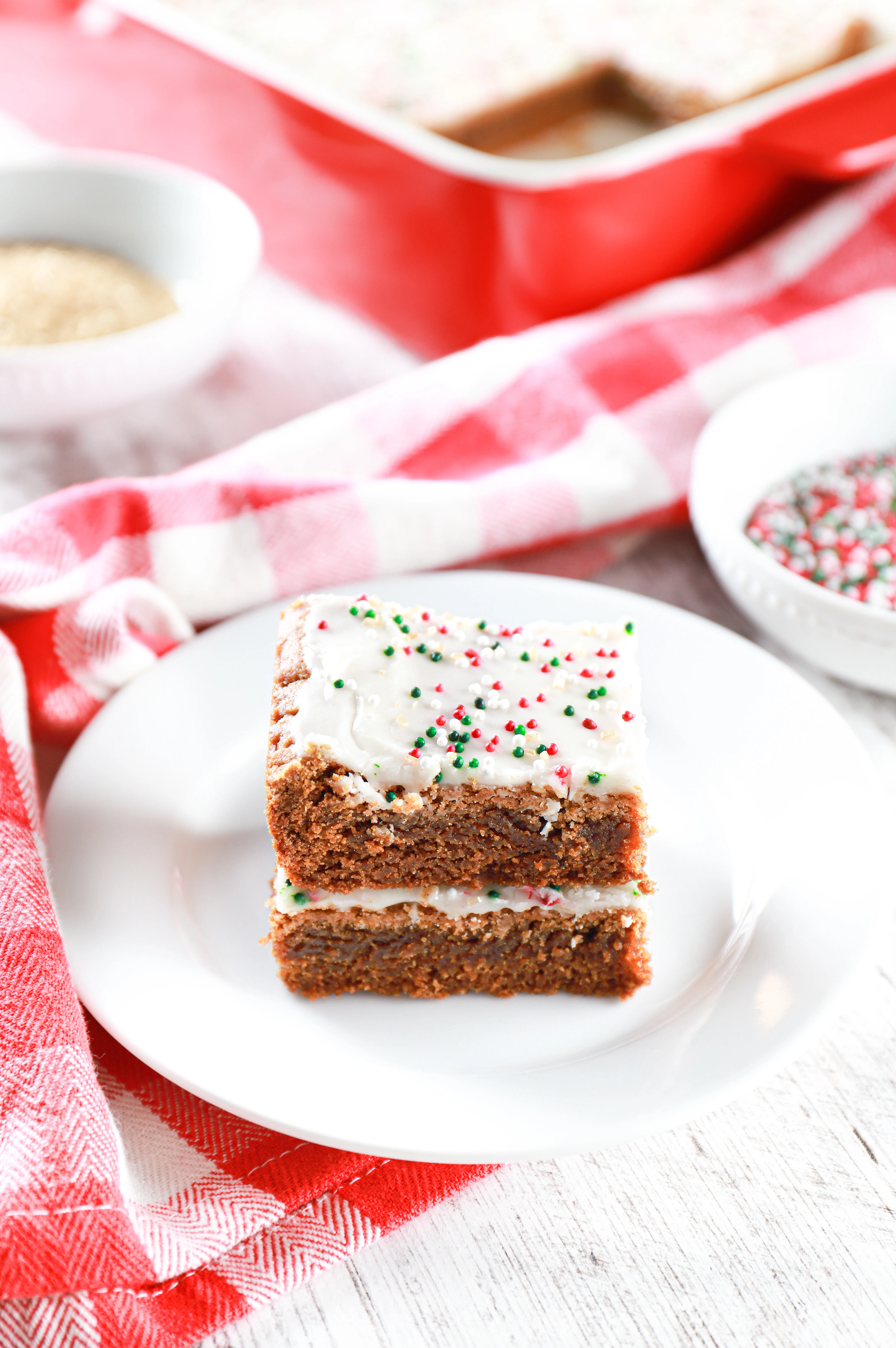
Sally's Baking Addiction gingerbread bars deliver the rich, warm spice of traditional gingerbread cookies in a soft, thick bar format topped with creamy vanilla cream cheese frosting. Made with dark molasses, brown sugar, and a balance...
Sally's Baking Addiction gingerbread bars deliver the rich, warm spice of traditional gingerbread cookies in a soft, thick bar format topped with creamy vanilla cream cheese frosting. Made with dark molasses, brown sugar, and a balanced spice blend, these bars offer a chewy texture that bakes efficiently in a standard baking pan without rolling or chilling dough.
Contents
What Makes Gingerbread Bars a Holiday Favorite?
Gingerbread bars occupy a unique middle ground between dense blondies and soft sheet cakes. While traditional gingerbread cookies demand precise chilling, rolling, and cookie-cutter shaping, bar cookies streamline the process entirely. The batter is mixed in a single bowl structure, spread into a single pan, baked quickly, and frosted once fully cooled.
The signature style popularized by Sally McKenney on Sally's Baking Addiction emphasizes a tender, ultra-moist crumb. Unlike dry or overly hard gingerbread cutouts, these bars rely on a higher moisture content achieved through brown sugar, unsulfured dark molasses, and an optimal butter-to-flour ratio. The result is a baked good that maintains its chewiness for days while supporting a rich layer of tangy cream cheese frosting.
Beyond convenience, gingerbread bars are ideal for large gatherings, holiday cookie exchanges, and meal preparation. A single 9x13-inch pan yields 24 to 32 individual bars depending on how they are sliced. Their sturdy structural integrity makes them easy to transport, plate, or stack without crumbling.
Essential Ingredients and Culinary Science
Achieving the ideal texture and flavor profile in gingerbread bars requires understanding how each ingredient functions within the batter. Substituting key components without adjusting balance can drastically alter the final crumb.
- Gingerbread Bar Structure
- Top Layer: Cream Cheese Frosting (Tangy, Sweet, Smooth)
- Base Layer: Moist Spice Bar (Molasses, Brown Sugar, Butter, Flour)
The Spice Profile
The defining characteristic of gingerbread is its spice blend. Using fresh, potent ground spices ensures the warm notes cut through the sweetness of the cream cheese frosting:
- Ground Ginger: The primary flavor driver, providing sharp warmth and subtle bite.
- Ground Cinnamon: Adds background sweetness and rounds out the pungent ginger.
- Ground Nutmeg and Cloves: Piquant secondary spices that impart depth and aromatic complexity.
Molasses Selection
Molasses provides color, moisture, acidity, and distinct bittersweet notes.
- Unsulfured Dark Molasses (Recommended): Often labeled as "Original" or "Mild" (such as Grandma's Molasses brand), this is produced during the second boiling of sugar cane. It delivers rich flavor without overpowering bitterness.
- Blackstrap Molasses (Avoid): Blackstrap is the product of the third boiling. It is extremely dark, salty, intensely bitter, and less sweet. Using blackstrap in this recipe will make the bars unpalatably harsh.
Fat and Sugars
- Unsalted Butter: Softened room-temperature butter creams with sugar to incorporate micro-bubbles of air, creating a cake-like crumb structure while providing rich flavor.
- Dark or Light Brown Sugar: Brown sugar contains moisture-retaining molasses, contributing to the signature chewiness of the bar. Dark brown sugar provides a deeper caramel tone, though light brown sugar works effectively as well.
Step-by-Step Baking Method
Follow this structured workflow to ensure consistent texture, flat tops for frosting, and clean slicing.
1. Equipment Preparation
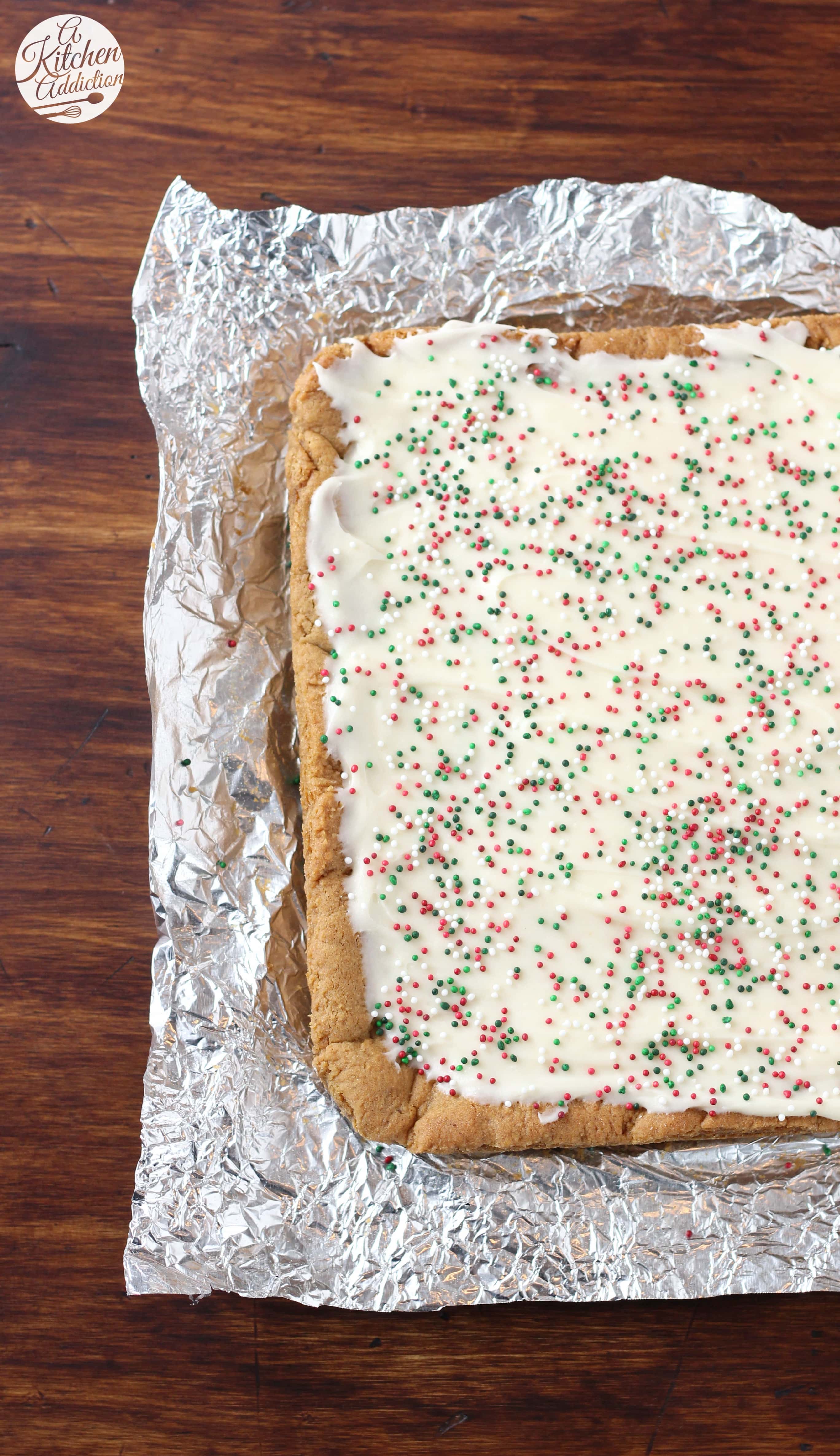
Preheat your oven to 350°F (177°C). Line a 9x13-inch baking pan with aluminum foil or parchment paper, leaving an overhang on the sides to create a sling. Lightly spray the liner with nonstick cooking spray. The sling allows you to lift the cooled slab out of the pan for clean slicing.
2. Combining Dry Ingredients
In a medium bowl, whisk together:
- 2 ½ cups (312g) all-purpose flour (spooned and leveled)
- 1 teaspoon baking soda
- ½ teaspoon salt
- 1 tablespoon ground ginger
- 1 ½ teaspoons ground cinnamon
- ¼ teaspoon ground nutmeg
- ¼ teaspoon ground cloves
Whisking aerates the dry ingredients and ensures the leavening agent and spices are evenly distributed throughout the flour matrix.
3. Creaming Wet Ingredients
In a large bowl using a stand mixer fitted with a paddle attachment or a hand mixer:
- Beat ¾ cup (1 ½ sticks or 170g) unsalted butter, softened to room temperature, with 1 cup (200g) packed brown sugar on medium speed for 2 minutes until light and fluffy.
- Add 1 large egg at room temperature and 1 teaspoon pure vanilla extract. Beat until fully incorporated.
- Mix in ½ cup (120ml) dark unsulfured molasses. Scrape down the sides and bottom of the bowl with a silicone spatula to prevent unmixed pockets of molasses.
4. Combining and Baking
Turn the mixer to low speed and gradually add the dry ingredient mixture in two batches. Mix just until combined; overmixing develops excess gluten, resulting in a tough, rubbery bar.
The resulting batter will be thick and dense. Transfer the batter to your prepared pan and use an offset spatula or the back of a spoon to press it evenly into the corners. Bake at 350°F (177°C) for 18 to 22 minutes. Test doneness by inserting a toothpick into the center—it should come out clean or with a few moist crumbs, but no wet batter. Do not overbake, as the residual heat in the pan will continue cooking the bars slightly after removal from the oven.
Place the pan on a wire rack and allow the bars to cool completely to room temperature (approximately 1.5 to 2 hours) before applying frosting.
Mastering the Cream Cheese Frosting
A classic cream cheese frosting provides a sharp, creamy contrast to the dense, warm-spiced gingerbread base.
- Softened Cream Cheese (8 oz / 226g) + Softened Butter (½ cup / 115g)
- Cream together until smooth
- Add Confectioners' Sugar & Vanilla Extract; whip light
Ingredients & Proportions
- Cream Cheese: 8 ounces (226g) full-fat brick-style cream cheese, softened to room temperature. Avoid tub cream cheese, as it contains higher water content and will yield runny frosting.
- Unsalted Butter: ½ cup (1 stick or 115g), softened to room temperature.
- Confectioners' Sugar: 2 to 2 ½ cups (240g–300g), sifted to eliminate lumps.
- Pure Vanilla Extract: 1 teaspoon for warmth.
- Pinch of Fine Sea Salt: Balances the high sugar concentration.
Assembly and Application
Beat the cream cheese and butter together on medium-high speed for 2 full minutes until completely smooth and free of lumps. Reduce speed to low and gradually add the sifted confectioners' sugar, vanilla, and salt. Once incorporated, increase speed to high and beat for 1 minute until fluffy.
Using the parchment paper sling, lift the cooled gingerbread block out of the pan onto a cutting board. Spread the cream cheese frosting evenly across the top surface using an offset spatula. For a festive finish, dust lightly with ground cinnamon, top with holiday sprinkles, or add finely chopped candied ginger.
Technical Comparison of Gingerbread Variations
Understanding how gingerbread bars compare to other baked holiday items helps bakers choose the correct formula for their desired outcome.
| Characteristics | Gingerbread Bars (Sally's Style) | Traditional Gingerbread Cookies | Classic Gingerbread Cake | Gingerbread Blondies |
|---|---|---|---|---|
| Texture | Soft, dense, chewy crumb | Crisp exterior, structural cutout | Spongy, light, cake-like | Heavy, fudgy, dense |
| Fat Source | Softened butter | Softened butter or shortening | Melted butter or oil | Melted butter |
| Moisture Level | Moderate to High | Low | High (often uses hot water/coffee) | Moderate |
| Preparation Time | 40 minutes total | 2+ hours (chilling/rolling) | 50 minutes total | 35 minutes total |
| Dominant Finish | Cream cheese frosting | Royal icing accents | Powdered sugar or warm glaze | Unfrosted or caramel drizzle |
| Yield Efficiency | High (single pan slice) | Medium (batch rolling) | High (single pan) | High (single pan) |
Troubleshooting Common Baking Issues
Even straightforward pan bar recipes can encounter technical issues if measurements or temperatures vary.
1. Bars Are Dense and Gummy
- Cause: Underbaking or overmixing the batter after adding flour.
- Solution: Ensure your baking soda is fresh (test a teaspoon in vinegar to check for fizzing). Measure flour by weight or by fluffing, spooning, and leveling to avoid packing excess flour. Bake until a toothpick inserted in the center comes out clean.
2. The Frosting Is Soft or Runny
- Cause: Using tub-style cream cheese, over-beating the frosting, or applying frosting to warm bars.
- Solution: Use full-fat brick cream cheese. If the frosting feels loose after mixing, chill it in the refrigerator for 20 to 30 minutes before spreading onto the fully cooled gingerbread slab.
3. The Base Is Dry and Crumbly
- Cause: Overbaking or excess flour usage.
- Solution: Check for doneness at the 18-minute mark. Because gingerbread is dark in color, you cannot rely on visual browning; rely on the toothpick test and touch (the center should spring back slightly when pressed gently).
4. Irregular Slicing and Messy Edges
- Cause: Cutting warm bars or using a dry knife on cream cheese frosting.
- Solution: Chill the frosted slab in the refrigerator for 30 minutes to firm up the cream cheese layer. Use a long, sharp chef's knife. Wipe the blade clean with a damp warm paper towel between every single cut.
Storage, Shelf Life, and Freezing Protocols
Proper storage maintains the moisture balance of the ginger base and keeps the cream cheese frosting safe and intact.
Refrigeration Requirements
Because cream cheese frosting contains dairy and is perishable, frosted gingerbread bars must be stored in the refrigerator. Place cut bars in a single layer inside an airtight container or cover the baking pan tightly with plastic wrap.
- Refrigerator Shelf Life: 5 to 7 days.
- Serving Temperature: Remove bars from the refrigerator 15 to 20 minutes before serving to allow the butter in the base and frosting to soften slightly for optimal flavor and texture.
Freezing Guidelines
Gingerbread bars freeze exceptionally well, whether frozen as a whole slab or individual sliced bars.
- Freezing Unfrosted Bars: Wrap the fully cooled, unfrosted gingerbread block tightly in two layers of plastic wrap and one layer of aluminum foil. Freeze for up to 3 months. Thaw overnight in the refrigerator, bring to room temperature, and apply fresh frosting before serving.
- Freezing Frosted Bars: Place sliced frosted bars on a parchment-lined baking sheet and freeze uncovered for 1 hour until the frosting is frozen solid. Wrap each frozen bar individually in plastic wrap and place them in a freezer-safe zip-top bag. Freeze for up to 2 months. Thaw individual bars in the refrigerator overnight.
Frequently Asked Questions
Can I make these gingerbread bars ahead of time?
Yes. Gingerbread bars taste even better the day after baking as the warm spices meld into the molasses base. Bake and frost the bars one day before serving, store them covered in the refrigerator, and bring them to near room temperature shortly before serving.
Can I use oil instead of butter in the batter?
While vegetable or canola oil can be substituted by weight, using oil eliminates the creaming step with brown sugar. This changes the structural crumb from a tender, velvety bar to a heavier, denser cake. Butter also provides superior rich flavor that complements dark molasses.
How do I make these gingerbread bars gluten-free?
Substitute the all-purpose flour with an equal 1:1 measure of a high-quality gluten-free "measure-for-measure" baking flour blend containing xanthan gum (such as King Arthur Measure for Measure or Cup4Cup). Maintain all other ingredient ratios exactly as written.
Why is my gingerbread base dark around the edges but soft in the middle?
This occurs when the oven temperature is calibrated too high or dark-colored metal baking pans are used. Dark pans absorb heat rapidly, causing the perimeter to cook faster than the center. If using dark metal pans, lower your oven temperature by 25°F (to 325°F / 163°C) and check doneness early.
Can I use liquid ginger or fresh grated ginger instead of ground ginger?
Ground ginger is essential for this dry-spice recipe. Freshly grated ginger contains significant moisture and active enzymes that alter the protein structure of flour and add uncalibrated liquid to the thick batter. Stick to dried ground ginger for predictable texture.
Culinary Summary & Next Steps
For best results when making Sally's Baking Addiction gingerbread bars, accurately weigh your flour, select high-quality dark unsulfured molasses, and allow the pan to cool completely before applying the tangy cream cheese frosting.
Prepare your equipment ahead of time by lining your 9x13-inch pan with parchment paper slings to guarantee clean cuts. Serve these bars chilled or slightly brought to room temperature alongside warm spiced cider or hot coffee for holiday entertaining.
Image Gallery