Renewable Energy Products: Evaluation, Selection, and System Integration Guide
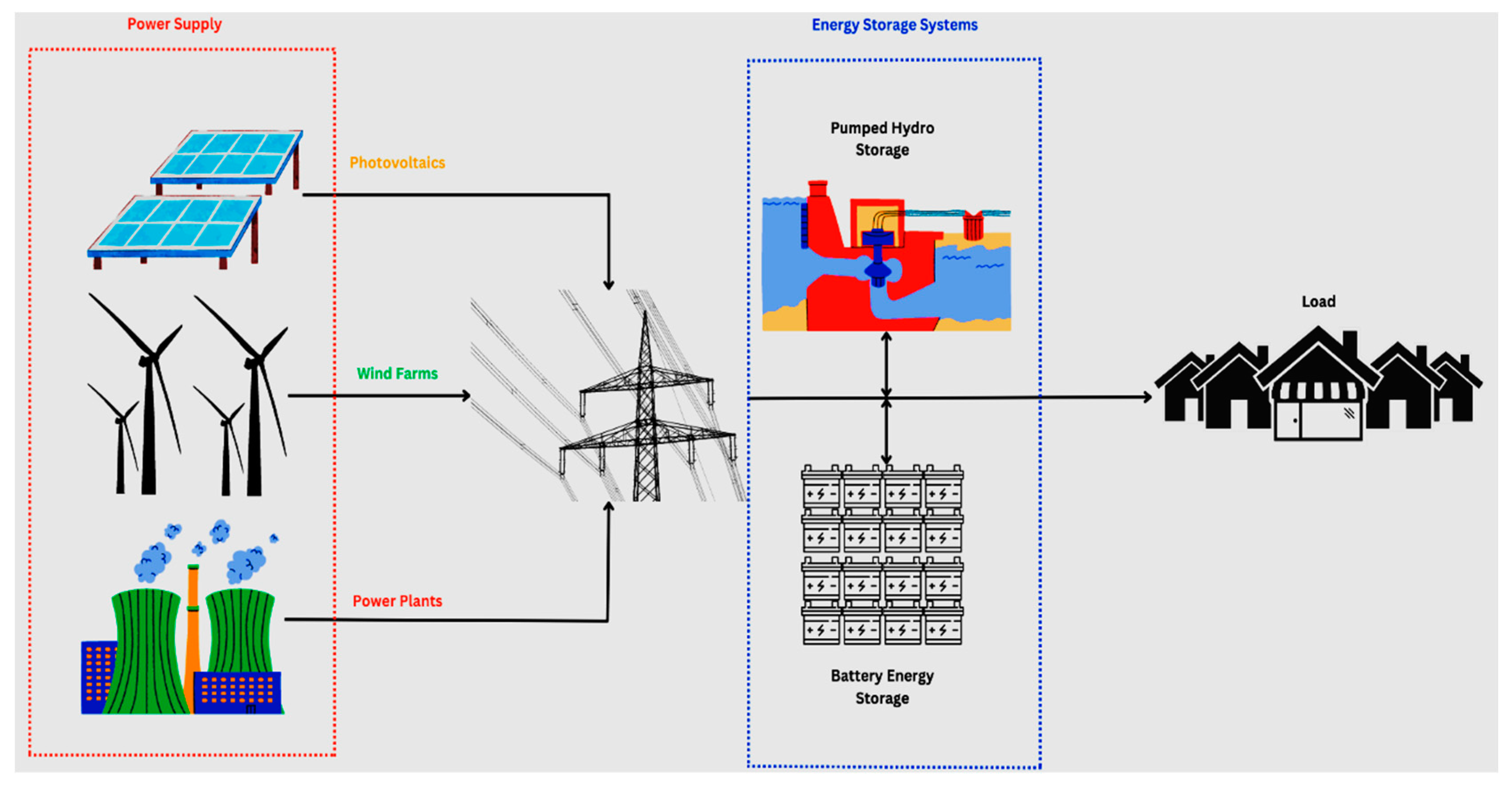
Renewable energy products encompass equipment and hardware that capture, convert, store, and manage energy from naturally replenishing resources such as sunlight, wind, and ambient heat. These solutions include solar photovoltaic panel...
Renewable energy products encompass equipment and hardware that capture, convert, store, and manage energy from naturally replenishing resources such as sunlight, wind, and ambient heat. These solutions include solar photovoltaic panels, battery storage systems, heat pumps, and micro wind turbines. Deploying the right combination of renewable energy products allows residential, commercial, and industrial property owners to reduce reliance on grid electricity, lower carbon emissions, and lock in long-term energy cost stability.
Contents
Primary Categories of Renewable Energy Products
Modern renewable energy products fall into specific technological categories designed for power generation, thermal energy transfer, or energy storage. Understanding the distinct operational characteristics of each category is essential for designing an efficient baseline energy system.
| Power Generation | Thermal & Energy Management | Energy Storage |
|---|---|---|
| - Solar Photovoltaic (PV) Panels- Micro Wind Turbines- Hydroelectric Micro-Generators | - Air-Source & Geothermal Heat Pumps- Solar Thermal Collectors | - Lithium Iron Phosphate (LFP) Systems- Nickel Manganese Cobalt (NMC) Batteries- Hybrid and Grid-Tied Inverters |
Solar Photovoltaic (PV) Systems and Inverters
Solar photovoltaic systems convert light directly into direct current (DC) electricity using semiconductor materials. The main options for residential and commercial deployments include:
- Monocrystalline Silicon Panels: Fabricated from single-crystal silicon structures, these panels offer high conversion efficiencies (typically 20% to 23%) and lower temperature coefficients, making them effective in high-heat environments and space-constrained installations.
- TOPCon (Tunnel Oxide Passivated Contact) and Heterojunction (HJT) Panels: Advanced N-type solar cell architectures that reduce surface recombination losses, pushing commercial module efficiencies past 22% to 24% while slowing annual performance degradation.
- Polycrystalline Panels: Built from melted fragments of silicon, these panels are less efficient (15% to 18%) and require larger mounting surfaces, though they traditionally carry lower upfront manufacturing costs.
- Solar Inverters: Converting raw DC electricity into alternating current (AC) suitable for grid or building infrastructure requires solar inverters. Options include string inverters (centralized conversion for unobstructed panel arrays), microinverters (panel-level conversion optimizing shaded or complex roof lines), and hybrid inverters (capable of managing solar production and battery charge cycles simultaneously).
Battery Energy Storage Systems (BESS)
Battery systems store surplus power generated during peak production hours for use during non-earning periods, grid outages, or high-tariff peak demand windows.
- Lithium Iron Phosphate (LFP): The standard chemical formulation for stationary storage due to its high thermal stability, long cycle life (typically 4,000 to 10,000 cycles at 80% Depth of Discharge), and cobalt-free composition.
- Nickel Manganese Cobalt (NMC): Offers higher volumetric energy density, which suits applications with severe space restrictions, though it features a shorter cycle life and requires more stringent thermal management controls.
- Flow Batteries: Preferred in utility-scale or long-duration energy storage installations, storing energy in liquid electrolyte tanks to decouple power ratings from total energy capacity.
Heat Pumps for Space and Water Heating
Heat pumps do not generate heat directly through combustion or electrical resistance. Instead, they transfer thermal energy using a refrigeration cycle, operating at efficiencies well above 100%.
- Air-Source Heat Pumps (ASHP): Extract heat from ambient outdoor air to provide interior space heating, or reverse the process to deliver cooling. Cold-climate designs maintain reliable capacity down to ambient temperatures of -15°F (-26°C).
- Ground-Source (Geothermal) Heat Pumps (GSHP): Exchange heat with the earth via buried fluid loops. Because subsurface ground temperatures remain stable year-round, geothermal heat pumps achieve Coefficient of Performance (COP) values of 3.5 to 5.0.
- Heat Pump Water Heaters (HPWH): Standalone hybrid water tanks that draw heat from surrounding indoor air to heat domestic hot water, using roughly one-third the electricity of standard resistance tank water heaters.
Micro Wind Turbines and Solar Thermal Solutions
- Micro Wind Turbines: Designed for sites with average annual wind speeds exceeding 11 mph (5 m/s). Horizontal Axis Wind Turbines (HAWT) deliver higher aerodynamic efficiency, while Vertical Axis Wind Turbines (VAWT) better handle turbulent or multi-directional airflow common near structures.
- Solar Thermal Collectors: Flat-plate or evacuated-tube thermal collectors directly heat a fluid transfer medium to provide domestic hot water or radiant floor space heating, operating at thermal efficiencies higher than standard PV-to-electric resistance heating setups.
Technical Performance Metrics for Evaluation
Comparing renewable energy equipment requires evaluating standardized performance indicators across manufacturers.
| Metric | Description |
|---|---|
| Module Efficiency | Percentage of sunlight converted to usable DC electricity under Standard Test Conditions (1,000 W/m², 25°C). |
| Temperature Coefficient | Percentage drop in power output for every 1°C rise above 25°C baseline. |
| Round-Trip Efficiency (Storage) | Percentage of AC power retrieved from battery relative to power used to charge it. |
| Coefficient of Performance (COP) | Ratio of thermal output energy to electrical input energy for heat pumps. |
- Module Efficiency Rating: Indicates the percentage of incident sunlight converted into usable electrical energy under Standard Test Conditions (STC: 1,000 W/m² irradiance, 25°C cell temperature). High-efficiency modules maximize output on constrained roof surfaces.
- Temperature Coefficient: Measures the percentage loss in power output for every degree Celsius the solar cell temperature rises above 25°C. Lower absolute values (e.g., -0.26%/°C vs. -0.40%/°C) indicate better performance in hot climates.
- Linear Power Warranty and Degradation Rate: High-tier solar modules typically guarantee minimum output retention (e.g., 85% to 90% of rated nameplate capacity) after 25 to 30 years of operation, with annual degradation rates ranging from 0.25% to 0.55%.
- Round-Trip Efficiency (RTE): For battery storage systems, RTE measures the AC power retrieved relative to the AC power expended to charge the battery bank. Premium residential LFP battery systems deliver end-to-end RTEs between 85% and 92%.
- Coefficient of Performance (COP) and Seasonal Performance Factor (SPF): Defines heat pump efficiency. A COP of 4.0 means the unit delivers 4 units of thermal heat for every 1 unit of electrical power consumed.
Renewable Energy Product Specification Matrix
The following table compares technical specifications, lifespans, operational targets, and baseline cost profiles across major renewable energy hardware categories:
| Equipment Category | Primary Technology Subtypes | Typical Efficiency / Performance | Expected Product Lifespan | Optimal Operational Setting | Estimated Cost Baseline (Pre-Incentive) |
|---|---|---|---|---|---|
| Solar PV Modules | Monocrystalline (TOPCon, HJT) | 20% – 24% module efficiency | 25 – 30 Years | Unshaded roof or ground mount with south/west orientation | $0.85 – $1.20 per Watt (equipment only) |
| Battery Storage Systems | Lithium Iron Phosphate (LFP) | 85% – 92% Round-Trip Efficiency | 10 – 15 Years (4,000–10,000 cycles) | Daily solar self-consumption, TOU tariff shifting, backup power | $600 – $1,000 per kWh installed storage capacity |
| Air-Source Heat Pumps | Variable-Speed Inverter Driven | COP: 2.5 – 4.2 / SCOP: 3.5 – 5.0 | 15 – 20 Years | Whole-home heating/cooling in mild to sub-zero climates | $4,000 – $12,000 per complete split system |
| Geothermal Heat Pumps | Closed-Loop Ground Heat Exchangers | COP: 3.5 – 5.2 | 20–25 yrs (Unit) / 50+ yrs (Ground Loop) | Properties with accessible yard space or deep drilling access | $18,000 – $35,000 complete property installation |
| Micro Wind Turbines | HAWT (Horizontal Axis) | Betz Limit practical: 25% – 40% | 15 – 20 Years | Rural or coastal properties with consistent >11 mph wind | $3,000 – $8,000 per kW capacity |
| Heat Pump Water Heaters | Integrated Tank Compressor Systems | UEF: 3.3 – 4.0 | 10 – 15 Years | Unheated basements, garages, or mechanical utility closets | $1,500 – $3,500 equipment & installation |
Architectural Integration and System Design Options
Integrating multiple renewable technologies requires balancing voltage profiles, power capacities, and controls.
| AC-Coupling Topology | DC-Coupling Topology |
|---|---|
| - Solar inverter & battery inverter operate on common AC busbar.- Ideal for retrofit installations.- Higher overall system redundancy. | - Solar PV & battery share a single hybrid inverter.- Eliminates multiple DC-AC-DC conversions.- Higher efficiency for direct solar-to-battery charging. |
AC vs. DC Coupling Topologies
When combining solar generation with battery storage, systems use either AC-coupled or DC-coupled architectures:
- DC-Coupled Architecture: Solar PV arrays and battery banks connect directly on a shared DC bus managed by a single hybrid inverter. Power generated by the panels routes to the battery without undergoing DC-to-AC conversion steps, yielding higher charging efficiency (up to 95% charge path efficiency).
- AC-Coupled Architecture: Solar panels and battery storage units connect to separate dedicated inverters that join on the property's primary AC busbar. This setup simplifies retrofit installations where a grid-tied solar system already exists, allowing easy battery additions without altering the baseline PV string configuration.
Smart Energy Management Systems (SEMS)
A Smart Energy Management System operates as the central controller for high-performance renewable hardware. Using algorithms linked to weather forecasts, historical usage data, and dynamic time-of-use (TOU) electricity pricing, the SEMS automatically decides when to:
- Direct solar output directly to real-time property electrical loads.
- Store surplus power in the local battery array or route it to heat pump water storage tanks.
- Export power to the electrical utility grid during high-payout peak periods.
- Draw from stored reserves to minimize expensive grid demand charges.
Economics, Incentives, and Return on Investment (ROI)
Evaluating renewable energy products requires looking beyond initial hardware costs to consider lifecycle savings, localized grid utility tariffs, and regulatory policy structures.
Financial Evaluation Framework
- Simple Payback Period: Calculated by dividing total net capital expenditure (after applying tax credits and rebates) by annual energy savings. Typical residential payback periods for solar and storage setups range between 5 and 10 years.
- Levelized Cost of Energy (LCOE): Expresses the lifetime cost of energy production ($/kWh) by factoring in equipment acquisition, financing rates, maintenance overhead, and forecasted panel degradation against total energy generated over the system's lifetime.
- Net Energy Metering (NEM) Frameworks: Policies vary significantly by region. Transitioning from original net-metering structures (NEM 1.0/2.0 full-retail-rate export credits) to avoided-cost value models (such as California's NEM 3.0 rules) lowers direct export values. This makes onsite battery storage essential to store and use power locally rather than feeding it back to the grid for reduced compensation.
Government Incentives and Subsidies
Incentive structures lower the effective capital expenditure for qualified hardware installations:
- United States Federal Incentives: Under the Inflation Reduction Act, the Residential Clean Energy Credit (Section 25D) provides a 30% federal tax credit for qualifying solar PV, battery storage (5 kWh capacity or larger), and geothermal heat pump systems through 2032. The Energy Efficient Home Improvement Credit (Section 25C) offers up to $2,000 annually for high-efficiency heat pumps and heat pump water heaters. Technical criteria and eligible product lists are maintained by the U.S. Department of Energy.
- European Union Initiatives: Directives under the EU REPowerEU plan provide reduced Value Added Tax (VAT) rates, zero-interest loans, and local capital grants for heat pump installations and residential solar power setups aimed at reducing fossil fuel dependency.
- Local Utility Rebates: Many electric utilities provide direct rebate incentives for smart thermostats, demand-response compatible heat pumps, and peak-shaving battery management programs.
Installation Guidelines, Compliance, and Maintenance
Deploying renewable energy products requires compliance with national electrical codes, local building safety rules, and regular equipment inspection schedules.
| Deployment Checklist |
|---|
| [ ] Engineering Structural Survey (Roof load, structural integrity) |
| [ ] Electrical Service Upgrade Check (Busbar rating, 200A service) |
| [ ] Permitting & Utility Interconnection Approval |
| [ ] Qualified AHJ Sign-Off & Physical Commissioning |
| [ ] Scheduled Preventative Maintenance (Annual inspections) |
Pre-Installation Prerequisites
- Structural Assessment: Rooftops must support the weight of PV module arrays, racking, and ballasts (typically 3 to 4 lbs/sq.ft. for standard flush-mount setups). Roofs with fewer than 10 years of expected service life remaining should be repaired or replaced prior to solar installation.
- Electrical Panel Upgrades: Installing high-capacity heat pumps, fast EV chargers, and solar/storage inverters often requires upgrading existing 100-amp main breaker panels to 200-amp panels or installing smart subpanels to handle larger, dedicated circuits.
- Permitting and Interconnection Rules: Grid-tied installations require formal Interconnection Applications with the local electric utility and structural/electrical permits issued by the local Authority Having Jurisdiction (AHJ). Electrical configurations must comply with safety codes such as National Electrical Code (NEC) Article 690 (Solar Photovoltaic Systems) and Article 706 (Energy Storage Systems).
Routine Maintenance Protocols
- Solar PV Maintenance: Wash modules annually in low-rainfall or dusty regions to remove severe soiling. Inspect thermal image scans every 3 to 5 years to detect microcracks or failed module bypass diodes.
- Heat Pump Servicing: Clean air filters every 1 to 3 months, clear exterior evaporator coil fins of debris, and inspect refrigerant lines and electrical connections annually.
- Battery Management Oversight: Monitor system diagnostics remotely for firmware updates, state-of-health (SOH) performance metrics, and uniform cell voltage distributions across connected battery packs.
Common Implementation Pitfalls
- Sizing Systems on Historical Usage Alone: Failing to account for planned home additions, electric vehicle purchases, or heat pump conversions leads to undersized PV systems that require costly secondary expansions.
- Ignoring Shading Profiles: Installing solar arrays without panel-level power electronics (optimizers or microinverters) on roofs subject to partial tree or chimney shading can lower output across entire connected series panel strings.
- Mismatched Equipment Architecture: Pair inverters and batteries using compatible voltage levels and communication protocols (e.g., Modbus, CAN-bus). Mismatched hardware can prevent automatic grid-islanding and cut off critical backup power during grid outages.
- Neglecting Temperature Limits for Batteries: Installing LFP battery storage banks in unheated spaces exposed to sub-freezing conditions (-20°C) can trigger internal charge-current limits, degrading battery life unless the enclosure includes internal heaters.
Frequently Asked Questions
Can I install battery storage without installing solar PV panels?
Yes. Standalone battery storage systems can connect directly to grid power. In regions with time-of-use (TOU) utility rates, the system can charge from the grid during low-cost off-peak hours and discharge during high-cost peak hours to reduce utility bills. Modern incentives generally apply to standalone battery systems meeting minimum storage thresholds (e.g., 5 kWh in the U.S.).
How do modern solar panels perform in freezing or overcast conditions?
Solar panels generate electricity from light rather than heat. Microcrystalline PV cell efficiency improves in lower operating temperatures because silicon voltage drops as temperatures rise. While dense overcast cloud cover reduces total irradiance, modern high-efficiency panels retain roughly 10% to 25% of their peak output under diffused cloudy light.
How do I size a heat pump system to replace an aging gas furnace?
Heat pumps are sized based on comprehensive heating and cooling load calculations (such as Manual J procedures), rather than a simple 1:1 replacement of the old gas furnace's rated capacity. Factors include local climate zone data, building envelope insulation ratings, window performance, wall assembly thermal resistance, and total home cubic air volume.
What happens to grid-tied solar products during a grid power outage?
Standard grid-tied solar inverters automatically shut down within milliseconds during a grid failure to prevent sending dangerous voltage onto power lines where line technicians may be working (an safety requirement known as anti-islanding). Continuous operation during grid outages requires an energy storage system paired with a islanding-capable transfer switch or hybrid inverter to isolate the building from the grid while maintaining local power.
Next Actions for Choosing Renewable Energy Equipment
- Conduct a Structural and Energy Audit: Review 12 months of utility records to establish baseline energy consumption patterns. Perform a building envelope inspection to check insulation levels and structural capacity before sizing power equipment.
- Model Project Financials: Request detailed, site-specific quotes from licensed renewable technology installers. Verify that financial projections use localized net-metering tariff structures, factor in long-term degradation rates, and apply valid federal and local incentive discounts.
- Cross-Check Certification Standards: Verify that chosen hardware holds recognized equipment certifications. Solar panels should meet UL 61730/IEC 61215 standards, battery storage units should comply with UL 9540/9540A safety protocols, and heat pump units should hold AHRI (Air-Conditioning, Heating, and Refrigeration Institute) performance ratings.
Image Gallery