Bono’s Nobel Peace Prize Nomination Explained: Advocacy, Nominators, and Selection Rules
U2 frontman Bono (Paul David Hewson) was publicly nominated for the Nobel Peace Prize multiple times between 2003 and 2006 for his high-profile advocacy work surrounding Third World debt cancellation, HIV/AIDS relief in Africa, and glo...
U2 frontman Bono (Paul David Hewson) was publicly nominated for the Nobel Peace Prize multiple times between 2003 and 2006 for his high-profile advocacy work surrounding Third World debt cancellation, HIV/AIDS relief in Africa, and global poverty eradication. These nominations stemmed from his leadership in organizations like Jubilee 2000, DATA, and the ONE Campaign.
Contents
- QUALIFIED NOMINATOR (e.g., Member of National Assembly)
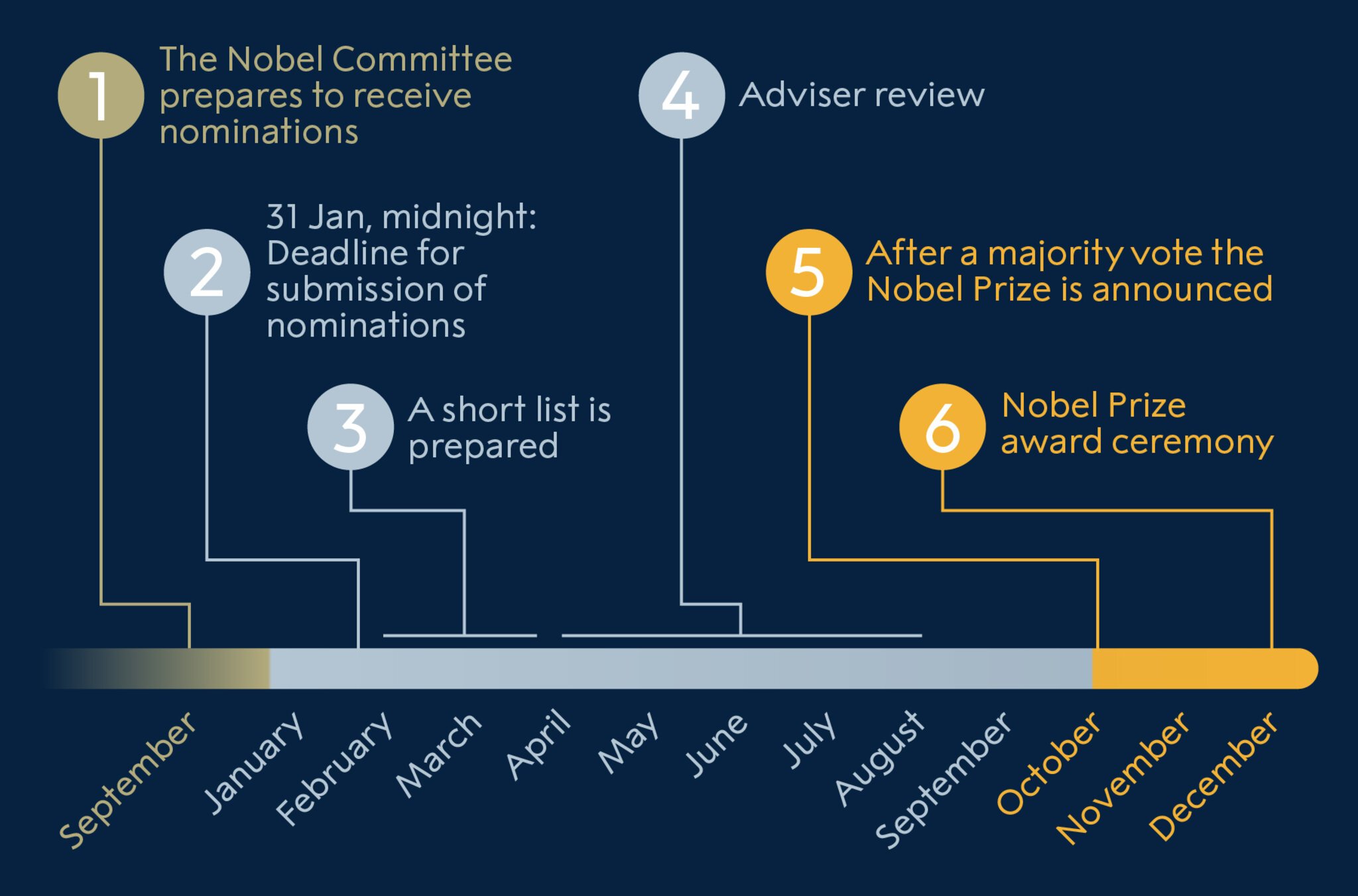
- SUBMISSION TO NORWEGIAN NOBEL COMM. (Deadline: January 31st of Year)
- Process Rules:
- NOBEL ARCHIVE CONFIDENTIALITY: Strict 50-Year Secrecy Rule (Official roster locked by law)
- PUBLIC DISCLOSURE: Permitted by Nominator Only (How Bono's nominations arose)
- SHORTLIST & SELECTION PROCESS (Committee chooses single Laureate)
The Evolution of Bono’s Political Advocacy
To understand why a global rock star was put forward for one of the world’s most prestigious political awards, it is necessary to examine the evolution of his humanitarian work. While many celebrities align themselves with charitable causes, Bono’s approach shifted in the late 1990s from symbolic endorsements to direct political negotiation with heads of state, finance ministers, and legislative bodies.
His involvement began in earnest with Jubilee 2000, a international coalition campaigning for the cancellation of Third World debt for Heavily Indebted Poor Countries (HIPC). Bono acted as a key global ambassador, utilizing his access to world leaders—including U.S. President Bill Clinton, Pope John Paul II, and British Prime Minister Tony Blair—to press for structural economic relief.
Following the momentum of the debt cancellation movement, Bono co-founded several specialized advocacy organizations designed to lobby Western governments for targeted international development aid:
- DATA (Debt, AIDS, Trade, Africa): Co-founded in 2002 alongside Bobby Shriver and Jamie Drummond, DATA focused on persuading Western governments to allocate funding toward anti-retroviral treatments for HIV/AIDS and debt relief across Sub-Saharan Africa.
- The ONE Campaign: Established in 2004, ONE expanded DATA’s focus into a grassroots lobbying network aimed at eliminating extreme poverty and preventable disease through targeted policy reform.
- Product (RED): Launched in 2006, this brand licensing initiative partnered with private corporations to direct a percentage of profits toward the Global Fund to Fight AIDS, Tuberculosis and Malaria.
Bono’s bipartisan lobbying strategy in the United States was instrumental in building legislative support for the establishment of the President’s Emergency Plan for AIDS Relief (PEPFAR) under President George W. Bush in 2003. PEPFAR subsequently saved tens of millions of lives by financing life-saving HIV medications across the developing world, providing a concrete policy outcome that nominators cited when putting his name forward for the Nobel Peace Prize.
Who Nominated Bono and When?
Reports of Bono’s candidacy for the Nobel Peace Prize surfaced repeatedly during the mid-2000s. Under the statutes of the Nobel Foundation, the committee does not release candidate names, making public disclosure dependent entirely on nominators announcing their submissions.
- 2003: PUBLIC NOMINATION: First major submission following PEPFAR launch.
- 2005: CO-NOMINATION: Paired with Bob Geldof after Live 8 & G8 Summit.
- 2006: SUSTAINED CANDIDACY: Broad support by Scandinavian lawmakers.
The 2003 Nomination
Bono’s first widely publicized nomination occurred in 2003. Norwegian lawmakers, including MP Jan Simonsen, publicly disclosed that they had put Bono forward for his work mobilizing global awareness around African debt relief and the HIV/AIDS epidemic. Nominators highlighted his ability to cross political divides, persuading conservative and liberal legislators alike to appropriate billions of dollars in foreign assistance.
The 2005 Nomination
The momentum reached its peak ahead of the 2005 award cycle. Following the massive Live 8 concert series organized by Bob Geldof and supported by Bono, alongside the associated Make Poverty History campaign ahead of the 31st G8 summit at Gleneagles, several Scandinavian parliamentarians—including future Norwegian Prime Minister Erna Solberg—publicly nominated both Bono and Geldof.
The submission pointed to their success in pushing G8 leaders to pledge an increase of $50 billion in annual development aid and to commit to canceling $40 billion of debt owed by 18 of the world's poorest nations.
The 2006 Nomination
In 2006, Bono was again publicly named as a nominee. Betting markets and media outlets placed him among the top contenders. However, the Norwegian Nobel Committee ultimately awarded the 2006 Nobel Peace Prize to social entrepreneur Muhammad Yunus and Grameen Bank for their pioneering work in microfinance.
How Nobel Peace Prize Nominations Work: Rules vs. Secrecy
Much of the confusion regarding celebrity Nobel nominations stems from a misunderstanding of how the process operates. Being "nominated" for a Nobel Peace Prize is an entry-level designation rather than an official endorsement by the Nobel Committee itself.
According to the official statutes of the Nobel Foundation, a nomination is valid as long as it is submitted by a qualified individual prior to the annual deadline of January 31st.
Who Is Qualified to Submit a Nomination?
Under the committee's rules, thousands of people worldwide possess nomination rights. A qualified nominator includes:
- Members of national assemblies, national governments, and international courts of justice.
- University professors of history, social sciences, law, philosophy, theology, and political science, as well as university rectors.
- Former recipients of the Nobel Peace Prize.
- Current and former members of the Norwegian Nobel Committee and its advisors.
Because thousands of parliamentarians and university professors globally meet these criteria, hundreds of individuals—ranging from humanitarian figures to controversial political leaders—are nominated every year.
The 50-Year Secrecy Rule
The Norwegian Nobel Committee maintains strict confidentiality regarding the nomination records. Under Section 10 of the Nobel Foundation statutes, the committee is prohibited from publicly confirming, denying, or releasing the names of nominees for 50 years.
Therefore, any public knowledge of Bono’s nominations between 2003 and 2006 exists solely because the lawmakers who submitted his name chose to reveal that information to the media. The official archive entries for those years will remain sealed until 2053 through 2056.
NOMINATION DISCLOSURE ARCHITECTURE
- OFFICIAL NOBEL COMMITTEE ROSTER
- Sealed in Oslo archives for 50 years by statute
- QUALIFIED NOMINATORS (e.g., MPs, Professors)
- Permitted to reveal their OWN submissions
- PUBLIC MEDIA REPORTS
- Confirmed nomination via nominator statement
Campaign Analysis: Impact and Strategy
The table below outlines the core campaigns driving Bono’s nominations, their primary focus areas, key policy outcomes, and their organizational structure.
| Campaign / Initiative | Primary Focus Area | Key Policy or Financial Outcome | Year Founded / Peak Activity |
|---|---|---|---|
| Jubilee 2000 | Third World Debt Cancellation | Helped secure $35 billion in debt relief for Heavily Indebted Poor Countries (HIPC). | 1997–2000 |
| DATA | Debt, AIDS, and Trade Reform in Africa | Played a central role in lobbying U.S. leadership for the passage of PEPFAR. | 2002 (Merged into ONE in 2007) |
| PEPFAR Advocacy | U.S. Federal AIDS Relief Funding | Bilateral support leading to over $100 billion allocated to global HIV/AIDS fighting efforts over two decades. | 2003–2008 |
| Live 8 / G8 Gleneagles | Poverty Reduction & Aid Doubling | G8 commitment to increase global aid by $50 billion annually and cancel multilateral debt for 18 nations. | 2005 |
| Product (RED) | Corporate Philanthropy for Global Health | Raised over $700 million for the Global Fund to Fight AIDS, Tuberculosis and Malaria. | 2006–Present |
Why Bono Did Not Win: Deliberations and Critiques
While Bono’s nominations highlighted the power of modern celebrity advocacy, several factors explain why the Norwegian Nobel Committee ultimately selected other candidates, such as Wangari Maathai (2004), Mohamed ElBaradei/IAEA (2005), and Muhammad Yunus (2006).
1. Structural Criticisms of Celebrity Diplomacy
Academic critics and political economists argued that Bono’s model of change relied heavily on top-down insider access rather than bottom-up structural empowerment. Critics such as economist Dambisa Moyo pointed out that international aid models advocated by Western celebrities can sometimes inadvertently reinforce dependency or undermine local governance in recipient nations.
2. Preference for Root-Cause and Grassroots Laureates
Historically, the Norwegian Nobel Committee often favors grassroots organizers, peace negotiators, international legal bodies, or reformers addressing root causes of conflict.
- In 2004, the committee honored Wangari Maathai for sustainable development and democracy in Africa.
- In 2006, the committee awarded Muhammad Yunus for micro-lending programs that directly capitalized impoverished individuals without relying on state-level foreign aid grants.
3. Institutional Hesitation Toward Pop Culture Figures
The Nobel Committee has historically exercised caution when evaluating figures from mainstream entertainment. While pop stars can generate media coverage, committee deliberations traditionally emphasize long-term institutional contributions, formal peace treaties, or direct humanitarian risk.
Alternative Honors and Recognition
Although Bono did not receive the Nobel Peace Prize, his advocacy achieved widespread formal recognition from international governments and humanitarian bodies:
- Honorary Knight Commander of the Order of the British Empire (KBE): Awarded by Queen Elizabeth II in 2007 for services to the music industry and humanitarian work.
- Légion d'honneur: Conferred by the French government in 2003 for his activism.
- Philadelphia Liberty Medal: Awarded in 2007 for his leadership in advocacy for African poverty relief.
- Man of Peace Award: Presented in 2008 by a committee of Nobel Peace Prize Laureates in Paris.
Frequently Asked Questions
Did Bono ever win the Nobel Peace Prize?
No. While he was nominated multiple times in the 2000s, he has never been awarded the Nobel Peace Prize.
How many times was Bono nominated for the Nobel Peace Prize?
Public disclosures confirm that Bono was nominated at least three times—in 2003, 2005, and 2006. Because official records are sealed for 50 years, any additional nominations made without public announcement remain unconfirmed.
Who nominated Bono for the prize?
He was nominated by qualified individuals, including members of the Norwegian Parliament (such as Jan Simonsen and Erna Solberg) and other Scandinavian lawmakers who supported his global debt cancellation and HIV/AIDS advocacy.
Are Nobel Peace Prize nominations official endorsements by the Nobel Committee?
No. Anyone meeting the statutory qualifications can submit a candidate. A nomination simply means a qualified individual submitted a name for consideration; it does not indicate that the Norwegian Nobel Committee endorsed or shortlisted the candidate.
What specific work was cited in Bono’s nominations?
Nominators cited his leadership in the Jubilee 2000 debt relief campaign, his work establishing DATA and the ONE Campaign, his lobbying for PEPFAR funding, and his role in organizing the 2005 Live 8 events to influence G8 policy.
Key Takeaways for Understanding Advocacy Recognition
Examining Bono's Nobel Peace Prize nominations offers insight into how political lobbying, celebrity culture, and international honors intersect:
- Understand Nomination Mechanics: Distinguish between a public nomination made by an eligible individual and an actual award bestowed by the Norwegian Nobel Committee. Anyone meeting the criteria under the Nobel Foundation statutes can submit a candidate.
- Evaluate Concrete Policy Outcomes: The primary drivers behind Bono's nominations were measurable legislative achievements, such as U.S. Congressional funding for PEPFAR and G8 commitments to multilateral debt relief, rather than musical performance alone.
- Verify Archival Timeline: Remember that official Nobel archives remain sealed for 50 years. Confirmed details regarding candidate rosters for the 2000s will become available through official Nobel Foundation releases starting in 2053.
Image Gallery