Chappell Roan’s Bold Makeup Choice Explained: Drag, Camp, and Persona Creation
Chappell Roan’s dramatic, hyper-theatrical makeup fuses traditional drag queen artistry, historical cabaret, and high-camp performance aesthetics. Far from a conventional pop beauty strategy, her stark white foundation, graphic eye des...
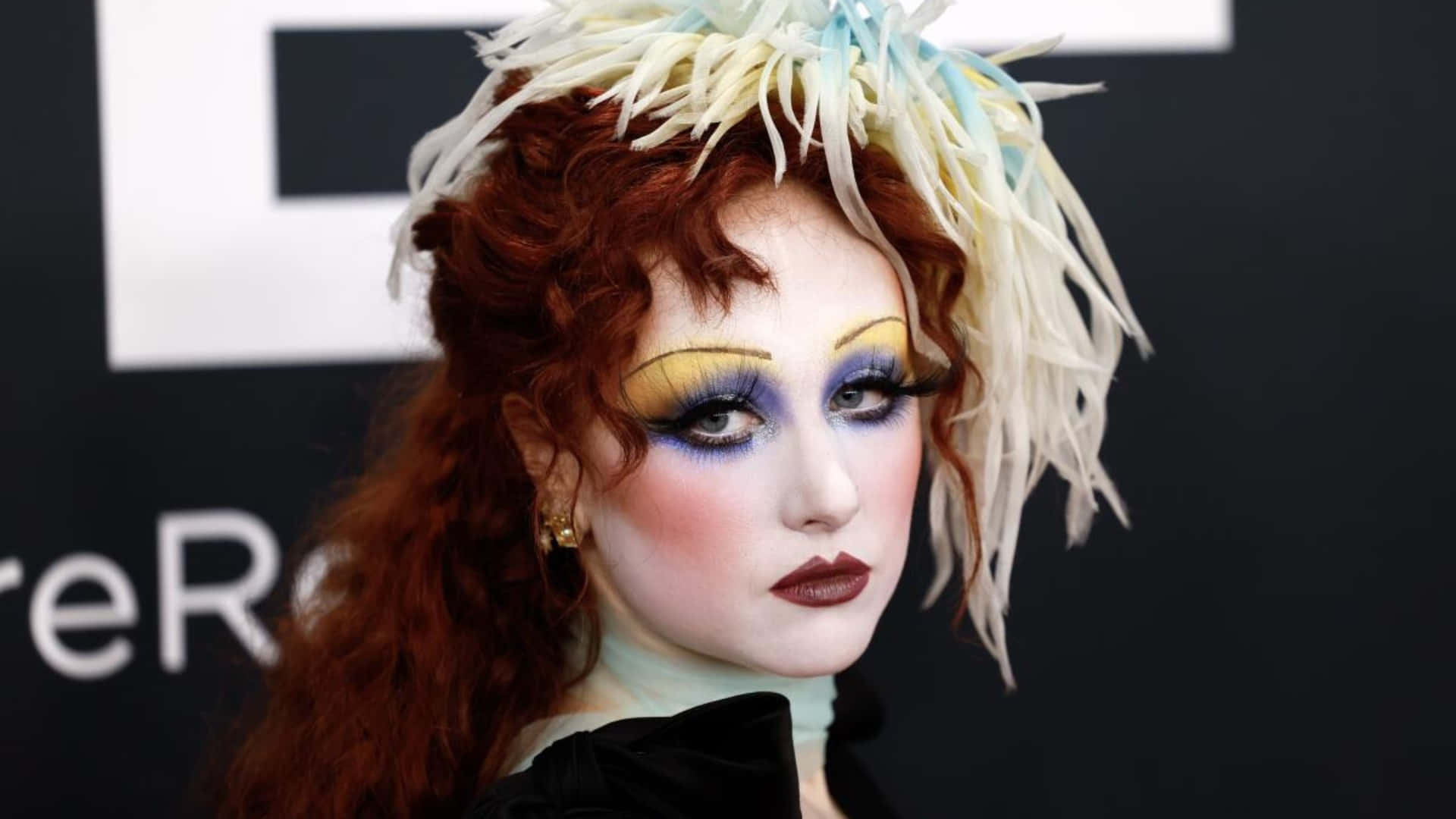
Chappell Roan’s dramatic, hyper-theatrical makeup fuses traditional drag queen artistry, historical cabaret, and high-camp performance aesthetics. Far from a conventional pop beauty strategy, her stark white foundation, graphic eye designs, and sculpted blush serve as visual storytelling tools that establish a distinct boundary between performer Kayleigh Rose Amstutz and her exaggerated, larger-than-life stage persona.
Contents
The Cultural and Artistic Roots of Chappell Roan’s Signature Look
To understand why Chappell Roan wears ultra-saturated, theatrical makeup, one must look at the history of visual performance art. Pop music has long relied on visual identities, but Roan’s approach departs sharply from the contemporary trend of effortless, "clean girl" minimalist beauty. Instead, her aesthetic leans directly into hyper-feminine excess, drag performance, and historical stagecraft.
Drag Queen Tradition and Illusion Artistry
The foundational influence behind Roan’s aesthetic is classic drag performance. Drag makeup relies on heavy light-and-shadow sculpting, intentional exaggeration of facial features, and high-contrast color application to ensure expressions remain visible under intense stage lighting.
Roan regularly credits drag queens as her primary aesthetic inspiration. Techniques like brow blocking (flattening the natural eyebrow with adhesive to paint a completely new brow arch higher on the forehead), stark white foundation bases, and overdrawn, heart-shaped lip contours stem straight from traditional drag dressing rooms. By adopting these techniques, Roan honors queer nightlife culture while adopting its transformative power to project total confidence on stage.
| Historical Beauty Influences | Details |
|---|---|
| Venetian Carnival & Pierrot | Porcelain white base, extreme pale |
| Traditional Drag Artistry | Brow blocking, heavy lip sculpting |
| 1980s New Romantic / Wave | High-draping blush, neon lids |
| Rococo & Victorian Theatre | Rouge circles, doll-like geometry |
High Camp, Rococo, and Historical Theatre
Beyond modern drag, Roan’s looks synthesize centuries of theatrical makeup:
- Pierrot and Venetian Masquerade: The stark porcelain base evokes the sad clown Pierrot and 18th-century Venetian carnival masks, creating a visage that feels both alluring and uncanny.
- Rococo and Victorian Court Beauty: High-placed blush, patch marks, and hyper-pigmented pink cheeks echo the aristocracy of 18th-century France, where exaggerated rouge signaled status, theatricality, and artificiality.
- 1980s New Romanticism: The intense color blocking, draping blush across the temple, and electric blue or green eyeshadow recall 1980s synth-pop icons like Boy George, Nina Hagen, and Grace Jones.
Psychological Purpose: Protecting Kayleigh Amstutz Through the Chappell Roan Persona
For many artists, stage makeup is cosmetic enhancement; for Kayleigh Rose Amstutz, the bold visual styling functions as psychological armor. The artist has frequently discussed the necessity of maintaining a sharp dividing line between her private life as Kayleigh and her public identity as Chappell Roan.
- Kayleigh Rose Amstutz - Private / Introverted Self
- Theatrical Armor - White Base, Drag Sculpting, Wigs
- Chappell Roan - Public / Extroverted Stage Persona
- The Transformative Mask: Applying full-coverage stage paint serves as a physical ritual. Putting on the elaborate makeup, heavy wigs, and intricate costumes marks the official mental transition into the extroverted, fearless persona of Chappell Roan.
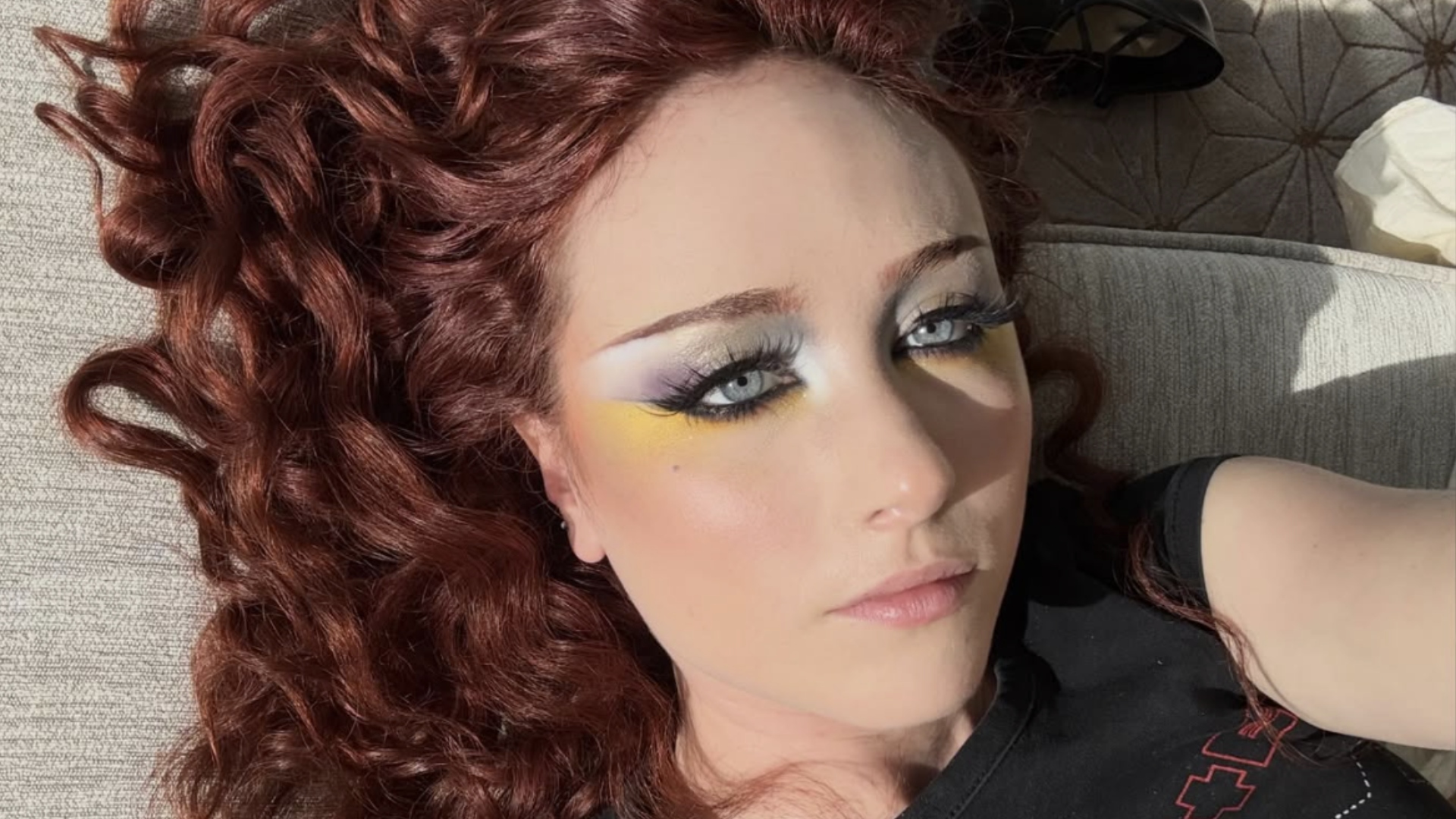
- Mitigating Public Intrusion: When off-stage without the white foundation and dramatic eye artwork, Amstutz looks remarkably different. This stark aesthetic contrast offers a layer of anonymity in her personal life, allowing her to navigate public spaces without immediately being recognized.
- Subverting the Male Gaze: Traditional female pop styling often prioritizes conventional attractiveness tailored for commercial consumption. Roan’s makeup intentionally embraces the absurd, the grotesque, and the hyper-artificial, shifting the focus from passive visual appeal to active artistic self-expression.
Technical Breakdown of the Iconic Chappell Roan Makeup Aesthetic
Replicating or analyzing Roan’s makeup requires looking at specific beauty techniques, materials, and color theory principles designed to withstand rigorous live tour performances.
- High-Draping Blush (Temples & Cheekbones)
- Graphic Cut Crease (Bright Color & Brows)
- Stark White Base (Cream Paint + Powder)
- Sculpted Lip (Dark Contour & Gloss)
1. The Pale Canvas: White Paint, Full Coverage, and Mattifying Techniques
The signature element of Roan’s look is her ghostly, porcelain skin tone. Rather than using standard commercial foundations, her team utilizes full-coverage theatrical cream paints (such as Kryolan TV Paint Sticks or Mehron Paradise Makeup AQ) blended with pale fluid foundations.
To lock this heavy layer in place and prevent melting under stage heat, the base is heavily baked using finely milled translucent setting powder or pale talc-free powders. This creates a completely flat, non-reflective matte canvas that allows bright theatrical pigments to pop without interference from natural skin undertones.
2. Structural Color: High-Draping Blush and Sculpted Contour
Instead of traditional subtle contouring under the cheekbone, Roan employs 1970s and 80s blush draping. Magenta, crimson, or bright peach blush is applied high on the cheekbones and swept up into the temples, wrapping around the outer brow bone. This technique reshapes the face, pulling the features upward while adding vibrant warmth back into the pale foundation base.
3. Theatrical Eyes: Graphic Cut Creases, Exaggerated Brows, and Glitter
Roan’s eye makeup varies by performance theme, but consistently follows high-drama principles:
- Brow Construction: Natural brows are either flattened using washable glue sticks and concealed, or drawn over with ultra-thin, arched pencil lines recalling 1920s silent film star Clara Bow or 1990s club kids.
- Cut Crease Application: Deep contrast eyeshadow is placed high above the natural socket line to enlarge the appearance of the eye on arena screens.
- High-Reflect Accents: Chunky cosmetic glitter, metallic pigments, and dramatic false lashes enhance visibility from a distance.
4. Sculpted Lip Architecture: Overlining, Ombré, and Rococo Pouts
The lip design frequently bridges classic drag overlining with vintage shapes. Using dark plum, deep red, or black lip liners, the Cupid's bow is drawn exaggeratedly rounded or sharp, while the center of the lip is filled with a lighter lipstick or high-shine gloss. This creates a three-dimensional, doll-like pout that stands out against the pale face paint.
Artistic Collaboration: Working with Makeup Artist Andrew Dahling
While Roan initially executed much of her own drag-inspired makeup during the early stages of her career, her visual identity evolved into high-concept art through collaboration with key creative professionals, notably lead makeup artist Andrew Dahling.
- Conceptualization: Concept tied to song themes, tour era, or venue style.
- Structural Prep: Brow blocking, skin barrier primers, setting sprays.
- Paint Application: Cream base, architectural contouring, blush draping.
- Graphic Detail: Hand-painted eye art, glitter application, lip shape.
- Locking Process: Industrial setting powders and fixative sprays.
Dahling and Roan approach makeup as performance art rather than standard beauty work. Each festival appearance, award show, and music video features a distinct narrative concept—ranging from a Statue of Liberty homage in full green body paint to medieval knights, swan queens, and vintage pageant contestants.
Key Visual Themes and Aesthetic Breakdown
The table below outlines the core visual archetypes featured in Chappell Roan’s live performances and media appearances:
| Visual Archetype | Key Base Technique | Focal Eye/Lip Features | Cultural Reference Points |
|---|---|---|---|
| Classic Drag Pageant | Full matte white base with heavy cheek contour | Cut-crease eye, blocked brows, sharp overlined burgundy lip | 1980s pageantry, RuPaul’s Drag Race, classic club kids |
| Venetian / Rococo Doll | Porcelain pale cream base with high magenta draping | Soft pastel lids, dramatic lower lashes, heart-shaped rouge lip | 18th-century French court, Pierrot clown, Venetian masks |
| 80s Synth-Pop Glam | Luminous pale base with neon temples | Electric blue/purple graphic liner, sharp architectural eyebrows | Boy George, Nina Hagen, early MTV era |
| Gothic Fairytale / Knight | Cool-toned muted white base with metallic accents | Dark smoky eyes, silver leaf detailing, deep dark oxblood lip | Medieval armor, dark folklore, Victorian gothic theatre |
How Chappell Roan’s Makeup Subverts Modern Pop Star Beauty Standards
The rise of Chappell Roan coincides with an era dominated by "no-makeup makeup," soft glam, and filter-driven digital aesthetics. Her visual presentation directly opposes these industry trends in several key ways:
1. Rejecting Authenticity Marketing
Modern pop music marketing often emphasizes perceived raw authenticity, pushing artists to present themselves as accessible and "relatable." Roan rejects this premise by embracing hyper-artificiality. By leaning into visible wigs, face paint, and theatrical costumes, she signals that her stage performance is an intentional artistic spectacle rather than an unmediated glimpse into her private identity.
2. Reclaiming Camp and Queer Aesthetics
"Camp"—defined by cultural theorist Susan Sontag as a love of the unnatural, of artifice and exaggeration—is the defining framework of Roan’s visual brand. By bringing drag aesthetics to mainstream pop stages, Roan centers queer artistic traditions without diluting their theatrical intensity.
Practical Application: Achieving Stage-Grade Drag Makeup
For performers and enthusiasts looking to execute durable, high-pigment theatrical makeup inspired by this aesthetic, proper technique is essential to prevent smudging and fading.
Step 1: Skin Preparation and Barrier Protection
Heavy stage cosmetics can clog pores and react poorly with natural facial oils. Start by applying an oil-free moisturizer followed by a strong gripping primer. For long performances, a skin-barrier spray helps prevent sweat from breaking down cream paint.
Step 2: Brow Blocking (Optional for High-Drama Looks)
If creating an exaggerated brow placement:
- Clean the natural eyebrows with rubbing alcohol to remove oils.
- Coat the brow hair thoroughly with a non-toxic washable glue stick, smoothing the hairs flat against the skin in an upward motion using a fine-tooth comb.
- Once dry, dust heavily with translucent powder. Repeat the glue-and-powder process 2–3 times until the hair texture is completely smooth.
- Cover the flattened brows with a full-coverage color corrector and cream foundation base.
Step 3: Base Application and Setting
Apply a high-pigment cream foundation or theatrical paint using a dense synthetic brush, stippling for even coverage. Avoid dragging the brush, which can create streaks. Once evenly distributed, use a damp beauty sponge to press the product into the skin.
Immediately lock the base by pressing a generous layer of translucent setting powder into the face using a powder puff. Let it sit for 2–3 minutes ("baking") before sweeping away excess powder with a fluffy brush.
Step 4: Eye and Lip Sculpting
- Eyes: Apply an eye primer across the entire eyelid area up to the brow bone. Use high-pigment pressed eyeshadows to build depth. To create a crisp cut crease, paint a clean curve using pale cream concealer over the lid before laying down bright lid shades.
- Lips: Trace outside the natural lip line using a waterproof lip pencil. Fill in the outer corners with a deeper tone, leaving the center lighter to create a dimensional, plump effect.
Frequently Asked Questions
Why does Chappell Roan wear white face paint?
Chappell Roan wears white face paint as part of her high-camp visual persona. The stark base references historical drag artistry, Venetian carnival masks, and theatrical clowning (such as Pierrot). It creates a striking visual mask that separates her public stage identity from her private life as Kayleigh Rose Amstutz.
Who does Chappell Roan’s makeup?
While Chappell Roan created her own makeup early in her trajectory, her major red carpet, music video, and festival looks are designed and executed in close collaboration with professional makeup artist Andrew Dahling, alongside input from guest stylists and drag performers.
Is Chappell Roan’s makeup inspired by drag culture?
Yes. Roan has consistently stated that drag queens are her primary aesthetic and creative inspiration. Her looks utilize traditional drag makeup techniques, including brow blocking, high-draping blush, graphic cut creases, and extreme lip overlining.
How does Chappell Roan’s makeup stay on during energetic festival sets?
Her makeup stays intact through the use of professional theatrical products rather than standard consumer makeup. This includes sweat-resistant cream paints (like Kryolan TV Paint Sticks), heavy application of translucent setting powder ("baking"), and industrial-strength setting sprays (such as Green Marble SELR or Ben Nye Final Seal).
What is the difference between Chappell Roan and Kayleigh Rose Amstutz?
Kayleigh Rose Amstutz is the real name of the singer-songwriter. Chappell Roan is her artistic alter-ego and stage identity. The dramatic makeup, elaborate costumes, and wigs function as a deliberate artistic mask, giving Amstutz the freedom to perform fearlessly while preserving her personal privacy off-stage.
Key Takeaways on Chappell Roan’s Visual Legacy
Chappell Roan’s bold cosmetic choices represent more than a fleeting beauty trend; they mark a revival of camp, drag, and high theatre in mainstream pop music. By prioritizing intentional artifice, structural color, and historical homage, her aesthetic challenges modern minimalism and re-establishes makeup as a powerful tool for artistic expression and identity protection.
Image Gallery