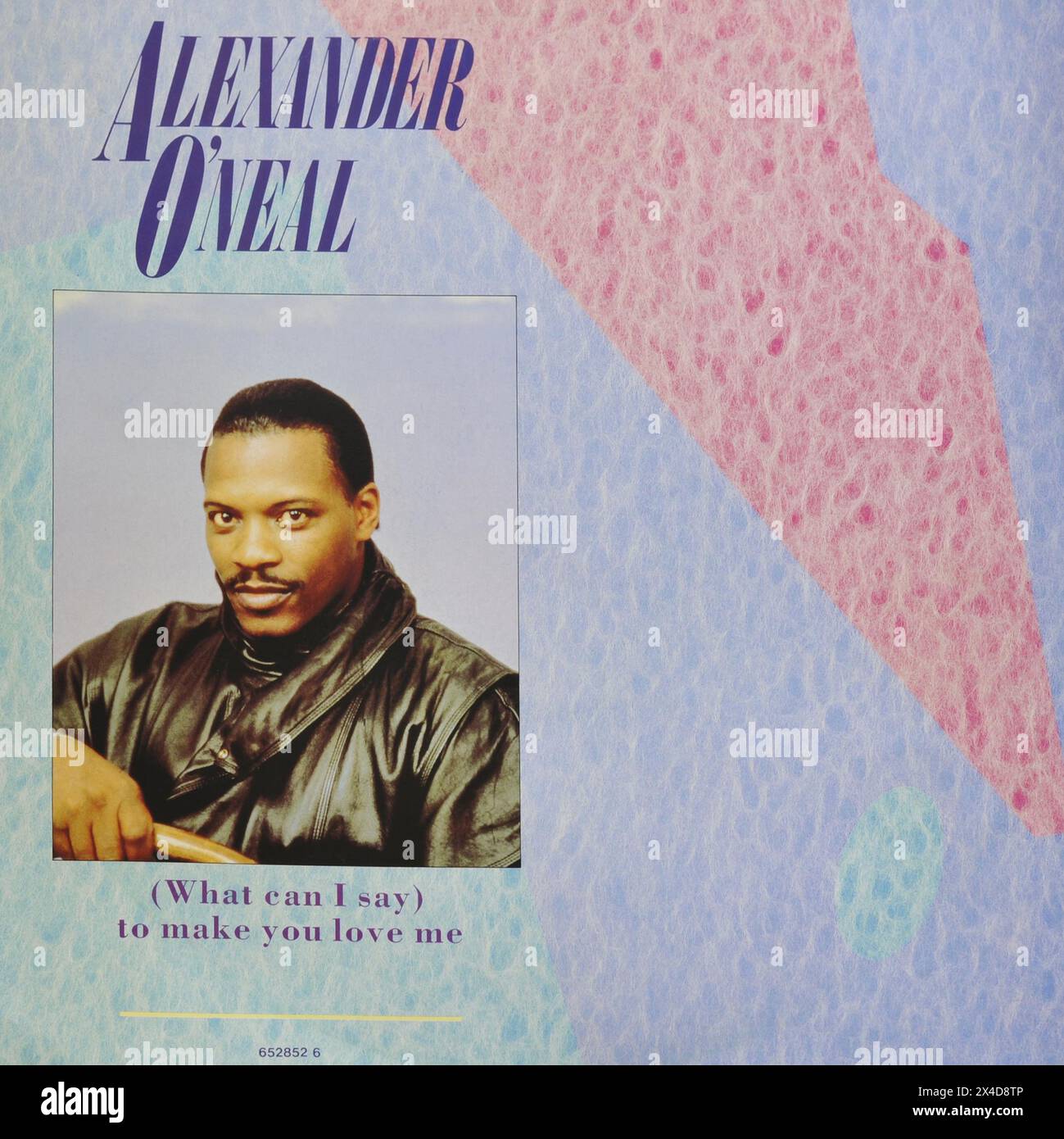
Alexander O'Neal Illness: A Closer Look at His Health, Recovery, and Music Legacy
Alexander O'Neal's public health discussions primarily center around his decades-long battle with substance abuse, vocal strain, and the physical demands of aging. While rumors periodically circulate regarding acute illness, O'Neal has...
Alexander O'Neal's public health discussions primarily center around his decades-long battle with substance abuse, vocal strain, and the physical demands of aging. While rumors periodically circulate regarding acute illness, O'Neal has openly documented his addiction recovery journey, vocal challenges, and decision to scale back live performances to preserve his long-term health.
Contents
Understanding Alexander O'Neal’s Public Health Journey
Born in Natchez, Mississippi, in 1953, Alexander O'Neal became one of the most distinctive voices of 1980s R&B and soul. Emerging from the Minneapolis sound scene—originally associated with Prince and the group Flyte Tyme—O'Neal achieved international stardom through his collaboration with legendary production duo Jimmy Jam and Terry Lewis. Tracks like "If You Were Here Tonight," "Fake," and "Criticize" showcased his rich, powerful baritone and emotional range.
Behind his commercial success lay significant personal and physical challenges. Over a career spanning more than four decades, public interest in O'Neal’s health has focused on three core areas:
- Substance Use Disorder: Long-term struggles with drug addiction, primarily crack cocaine, which affected his career, physical stamina, and personal relationships.
- Vocal Cord Changes: The cumulative strain of intense vocal performances combined with historic substance use and natural aging.
- Age-Related Health Management: Adjustments to physical performance routines in his late 60s and 70s, culminating in his farewell touring decisions.
Rather than hiding these struggles, O'Neal has frequently chosen transparency, discussing his health, rehab stays, and lifestyle adjustments in broadcast interviews, reality television, and his official memoir.
The Intersection of Addiction, Vocal Health, and Physical Well-Being
Substance Abuse as a Chronic Condition
Substance use disorder is medically recognized as a chronic, relapsing condition of the brain. For O'Neal, drug dependence began to surface during the height of his fame in the late 1980s. The grueling demands of international touring, combined with the pressures of the music industry, contributed to a cycle of chemical dependency.
Chronic drug use takes a measurable physical toll on the human body, particularly the cardiovascular system, metabolic health, and respiratory function. In public statements, O'Neal has detailed how addiction affected his daily routine, leading to exhaustion, mental health strain, and periods of professional disruption.
Impact on Vocal Mechanics and Performance
A soul singer’s voice relies on precise coordination between the diaphragm, respiratory muscles, and the delicate mucosal tissue of the vocal folds (vocal cords). Prolonged exposure to inhaled substances, coupled with screaming or singing at maximum volume without adequate rest, can cause several vocal health issues:
- Vocal Fold Edema: Swelling of the tissue lining the vocal cords, leading to a deeper or raspier vocal tone.
- Loss of Upper Range: Reduced elasticity in the vocal fold mucosa, making high notes harder to sustain.
- Laryngeal Fatigue: Rapid onset of tiredness in the intrinsic laryngeal muscles during live shows.
While O'Neal's signature grit was always an intentional stylistic element of his soulful delivery, age and historic lifestyle factors gradually changed his vocal timbre and endurance, forcing adjustments to his key signatures and set lengths during live concerts.
Key Milestones in Alexander O'Neal's Health and Career Timeline
The following table summarizes key phases in Alexander O'Neal’s career, highlighting health events, public disclosures, and operational shifts in his touring activity.
| Timeline Period | Focus / Event | Health Impact & Public Disclosures | Practical Performance Shift |
|---|---|---|---|
| 1980s | Rise to prominence; solo debut and Hearsay album | Initial onset of heavy substance use; intense touring schedules. | High-energy, full-scale world tours; peak vocal range. |
| 1990s–2000s | Continued releases; relocation of main fanbase to UK/Europe | Multiple attempts at rehabilitation; ongoing battles with addiction. | Irregular touring schedules; vocal range shifts toward lower registers. |
| 2015 | Appearance on UK's Celebrity Big Brother | Open discussions on stress, mental health, and past drug struggles. | Voluntarily departed the show citing mental well-being and environmental stress. |
| 2017 | Publication of autobiography A Resilient Life | Comprehensive record of addiction, recovery, and medical struggles. | Shared candid insights to destigmatize addiction in the music industry. |
| 2023–2024 | "Time to Say Goodbye" Farewell Tour announcement | Recognition of age-related physical limitations and vocal rest needs. | Shift from long tours to select final showcase dates and quiet retirement from major travel. |
Fact-Checking Misconceptions Surrounding Illness Rumors
Sensationalized headlines often conflate an aging artist's retirement from touring with grave physical illness. It is important to separate confirmed facts from internet speculation regarding Alexander O'Neal's condition:
Is Alexander O'Neal Terminally Ill?
No verified reports or official statements indicate that Alexander O'Neal suffers from a terminal illness. Rumors suggesting acute health emergencies often stem from exaggerated social media posts, misinterpretation of missed concert dates, or confusion surrounding his decision to end major international tours.
Why Did He Decide to Retire From Major Touring?
O'Neal's decision to launch his "Time to Say Goodbye" tour in 2024 was primarily a practical lifestyle choice. Touring at an advanced age presents significant physical strain, including jet lag, irregular sleep patterns, and physical exertion on stage. Choosing to retire from long, multi-city tours allows O'Neal to protect his physical stamina, preserve his remaining vocal health, and focus on personal well-being.
Transparency in A Resilient Life
In his 2017 autobiography, A Resilient Life, O'Neal addressed his health with frank honesty. He described how addiction disrupted his family life and financial security, while emphasizing that recovery is an ongoing operational commitment rather than a single fixed destination. This candid account clarified many rumors, replacing speculative gossip with direct statements from the artist himself.
The Biophysics of Vocal Aging in Professional Singers
To understand the evolution of O'Neal's live performances, it helps to examine how the human voice changes across a lifespan.
- Normal Vocal Functioning:
- Strong Respiration
- Healthy Vocal Fold Elasticity
- Clear Resonance & Range
- Aging & Fatigue Factors:
- Reduced Breath Support + Vocal Tissue Stiffness
- Range Restriction & Early Fatigue
Presbyphonia and Muscle Atrophy
As individuals reach their 60s and 70s, the body undergoes presbyphonia—the natural age-related structural changes of the larynx. Key changes include:
- Decreased Vocal Fold Volume: The muscle mass within the vocal cords (the thyroarytenoid muscle) thins over time, making it harder to close the cords completely.
- Reduced Respiratory Capacity: Vital capacity in the lungs declines, decreasing the air pressure available to sustain long, powerful soul belts.
- Joint Stiffness: The tiny cricoarytenoid joints that control vocal cord movement can become less flexible.
For an artist like O'Neal, whose catalog demands high-energy vocal delivery, managing presbyphonia requires modifying setlists, taking longer rest periods between shows, and relying on professional sound mixing to support natural vocal changes without overexertion.
Managing Health and Addiction: Key Takeaways for Long-Term Recovery
Alexander O'Neal’s life offers practical lessons for individuals and families dealing with substance use recovery, chronic health challenges, and aging:
- Acknowledge Substance Use as a Health Issue: Recovery requires structured medical and psychological support rather than reliance on willpower alone.
- Prioritize Rest and Boundary Setting: Recognizing physical limits—such as stepping down from demanding work schedules—is essential for long-term health.
- Seek Continuous Recovery Support: Relapse management is a normal aspect of long-term care for chronic substance use disorders. Maintaining access to support networks, counseling, and medical professionals is vital.
- Adapt Professional Expectations: Adjusting career goals to match physical capabilities helps prevent burnout and injury, as demonstrated by O'Neal's transition away from grueling global concert circuits.
Frequently Asked Questions
Has Alexander O'Neal been diagnosed with a terminal disease?
No. There is no official record or evidence suggesting Alexander O'Neal has a terminal illness. His health disclosures focus on his long-term addiction recovery, vocal strain, and age-related physical management.
Why did Alexander O'Neal announce a farewell tour?
O'Neal announced his "Time to Say Goodbye" tour to step back from the heavy physical demands of international travel and continuous live performances, choosing to prioritize his health and spend more time away from the stage in his 70s.
How did substance abuse affect Alexander O'Neal's career?
Substance abuse caused personal, financial, and professional setbacks throughout O'Neal's career, occasionally leading to canceled engagements and vocal strain. However, his open discussion of these struggles has helped raise awareness about addiction recovery in the entertainment industry.
What is the title of Alexander O'Neal's autobiography?
His autobiography is titled A Resilient Life, published in 2017. The book details his upbringing, music career, struggles with drug dependency, and personal path toward stability.
Does Alexander O'Neal still perform live?
While O'Neal has retired from major, extensive world tours, he has continued to make selective special appearances and targeted performances that align with his physical comfort and vocal care needs.
Summary and Next Steps
Alexander O'Neal remains one of the defining voices of modern soul and R&B. While public concern over his health has frequently led to speculative rumors, the reality of his journey is centered on resilience: managing substance use recovery, navigating the natural aging process of the voice, and making proactive choices to protect his well-being.
For fans and readers seeking to support artists facing similar challenges, exploring legitimate recovery resources and celebrating musical contributions while respecting personal health boundaries remains the most constructive way forward.
Disclaimer: This article is for informational and biographical purposes only and does not constitute medical advice or official clinical diagnostics.
Image Gallery