Understanding the Role of LWSS Orthodontics in Dental Care
LWSS Orthodontics provides specialized corrective treatments, including braces and Invisalign, within a multi-specialty dental framework. By integrating orthodontic expertise with general dentistry, LWSS ensures that structural alignme...
LWSS Orthodontics provides specialized corrective treatments, including braces and Invisalign, within a multi-specialty dental framework. By integrating orthodontic expertise with general dentistry, LWSS ensures that structural alignment is harmonized with overall oral health, offering patients streamlined communication, shared records, and a unified approach to long-term dental wellness.
Contents
The Integrated Model of LWSS Orthodontics
In the evolving landscape of 2026 dental health, the separation between general dentistry and orthodontics is increasingly bridged by multi-specialty practices. LWSS (Linhart, Wood, Sancier, and Shadi) Family Dentistry and Orthodontics represents a regional model in Southeastern Virginia that prioritizes the "medical home" concept for oral health. The primary role of LWSS Orthodontics is to manage the structural alignment of the teeth and jaws, not as an isolated cosmetic endeavor, but as a critical component of systemic oral health.
When orthodontics is housed within the same organization as general dentistry, the "silo effect"—where different doctors fail to communicate regarding a single patient’s progress—is mitigated. For example, if an LWSS orthodontist identifies a need for a frenectomy or a specific periodontal intervention before moving a tooth, the referral and clinical handoff happen internally. This integration ensures that the foundation of the teeth (the gums and bone) is healthy enough to support the mechanical stresses of orthodontic movement.
Furthermore, the role of LWSS Orthodontics extends into preventive care. By utilizing the shared diagnostic database of the LWSS network, orthodontists can track a child’s dental development from their first cleaning. This allows for "Phase I" or interceptive orthodontics to begin at the ideal physiological window, often reducing the complexity of treatment in later teenage years.
Core Services and Treatment Modalities
The technical role of LWSS Orthodontics is defined by its range of corrective modalities. As of 2026, these services have become highly digitized, moving away from traditional physical impressions toward high-resolution intraoral scanning.
Traditional Brackets and Wires
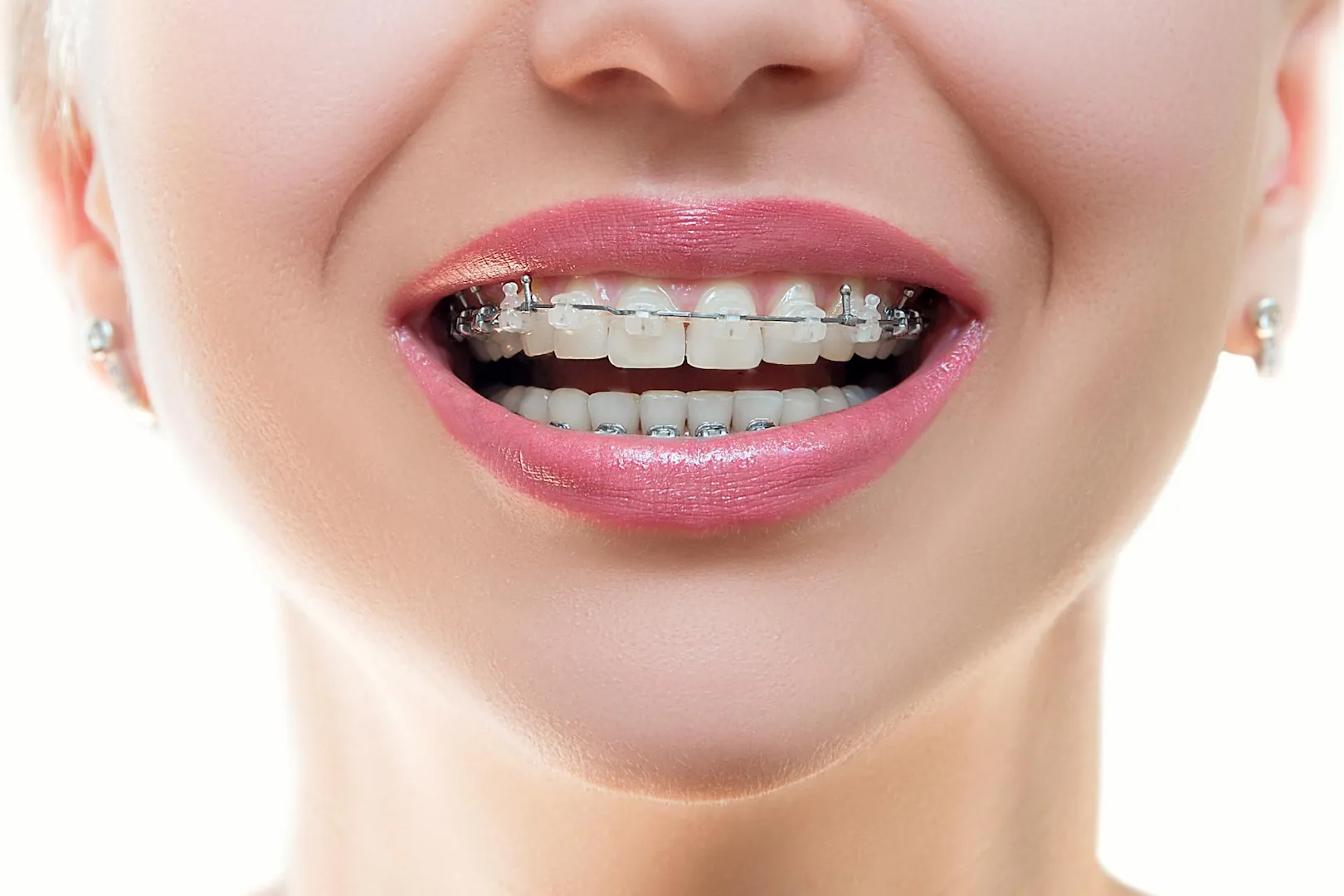
While clear aligners are popular, traditional braces remain the "gold standard" for complex malocclusions, such as severe rotations or significant jaw discrepancies. LWSS utilizes advanced alloy wires that respond to body heat, providing a more constant and gentle force than the stainless steel wires of previous decades. This reduces discomfort and can shorten the overall duration of the "active" phase of treatment.
Clear Aligner Therapy (Invisalign)
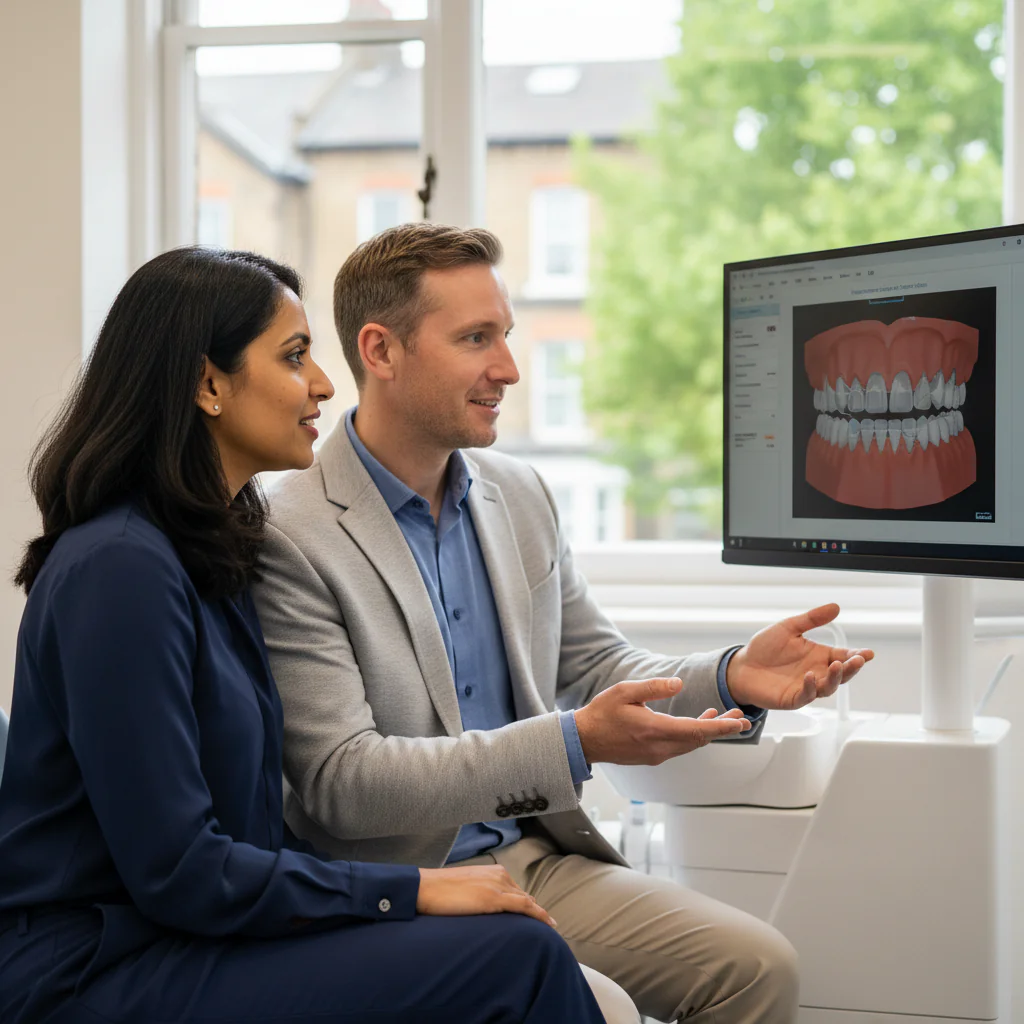
LWSS Orthodontics serves as a primary provider for Invisalign and other clear aligner systems. The role here is heavily focused on digital treatment planning. The orthodontist uses specialized software to plot the movement of each tooth in increments of a fraction of a millimeter. In 2026, AI-integrated software assists LWSS clinicians in predicting bone remodeling patterns, allowing for more predictable outcomes in adult patients whose bone density may differ from that of adolescents.
Interceptive Orthodontics (Phase I)
One of the most vital roles played by the practice is early intervention. According to guidelines from the American Association of Orthodontists, children should have an orthodontic evaluation by age seven. LWSS focuses on managing space for erupting permanent teeth and correcting skeletal growth issues (like crossbites or underbites) while the patient is still growing. This can often prevent the need for more invasive orthognathic surgery in adulthood.
The Technological Advantage in 2026
The role of LWSS Orthodontics is inseparable from the technology used to diagnose and execute treatment. Modern orthodontic care in 2026 relies on a "digital twin" workflow.
- 3D Cone Beam Computed Tomography (CBCT): Unlike traditional 2D X-rays, CBCT scans allow LWSS clinicians to see the exact position of tooth roots, the density of the alveolar bone, and the status of the temporomandibular joint (TMJ). This is crucial for avoiding "root resorption," a complication where teeth move too quickly or in directions the bone cannot support.
- Intraoral Scanning: The use of scanners like the iTero Element 5D Plus has replaced the uncomfortable "goop" impressions. These scans are instantly uploaded to a lab, allowing for the rapid fabrication of custom appliances and aligners.
- Remote Monitoring: In 2026, LWSS utilizes remote monitoring apps. Patients can take high-definition photos of their teeth using a smartphone attachment, which the orthodontic team reviews. This reduces the number of "check-up" visits, making treatment more accessible for busy families in the Hampton Roads area.
Clinical Comparison of Orthodontic Approaches
Choosing the right treatment involves understanding the limitations and strengths of different appliances. The following table outlines the standard considerations for patients at LWSS Orthodontics.
| Feature | Traditional Metal Braces | Ceramic (Clear) Braces | Clear Aligners (Invisalign) |
|---|---|---|---|
| Primary Use | Complex structural corrections | Aesthetic-focused correction | Mild to moderate alignment |
| Visibility | High (Metal) | Moderate (Tooth-colored) | Very Low (Clear plastic) |
| Removability | Fixed (24/7) | Fixed (24/7) | Removable for eating/cleaning |
| Dietary Limits | No sticky/hard foods | No sticky/hard foods | None (remove to eat) |
| Maintenance | Specialized flossing | Specialized flossing | Regular brushing of trays |
| Typical Duration | 18–36 months | 18–30 months | 12–24 months |
Pediatric vs. Adult Orthodontic Needs
The role of the orthodontist changes significantly based on the age of the patient. LWSS manages a diverse patient base, requiring a nuanced approach to biology and lifestyle.
The Pediatric Role
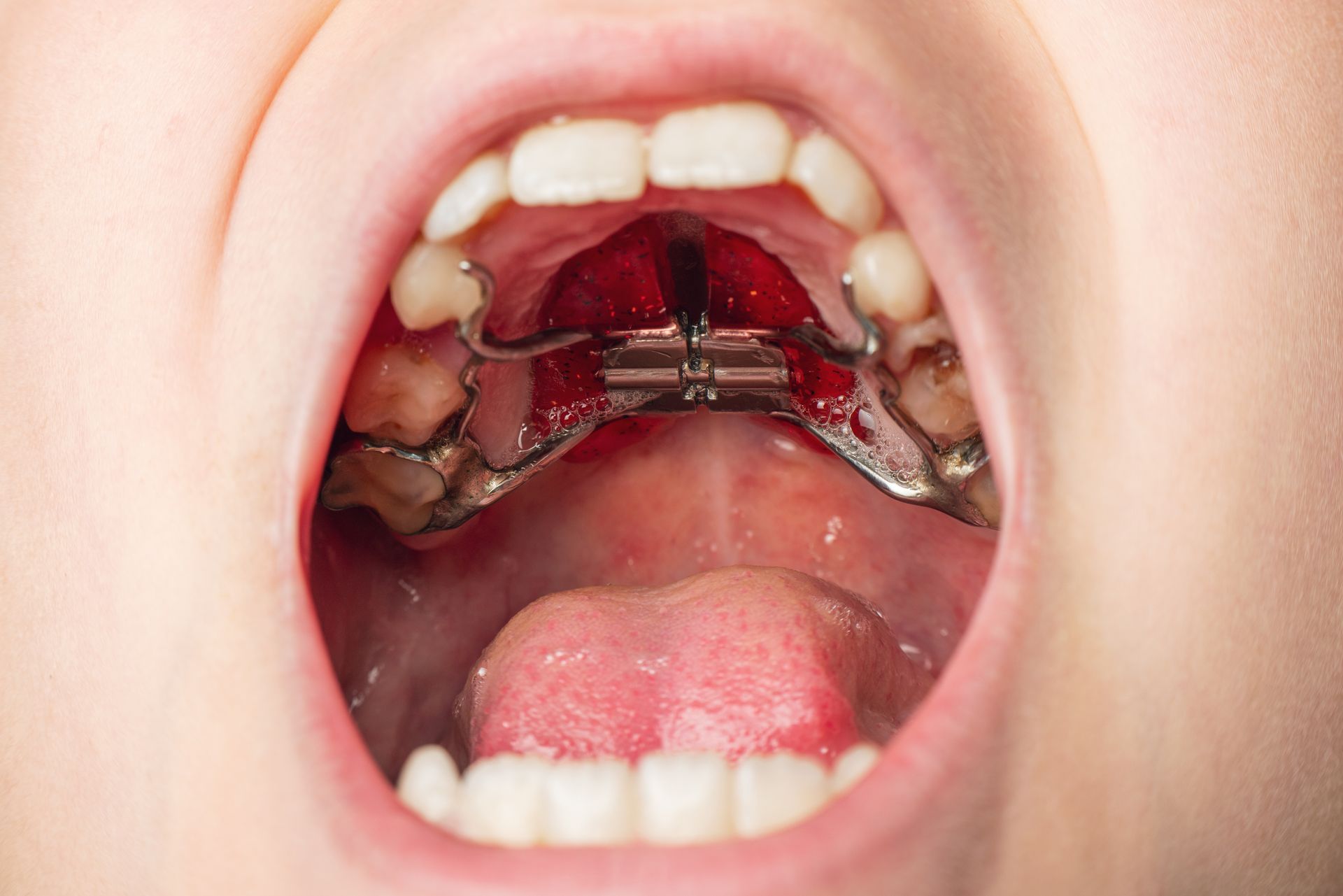
For children and teens, the focus is on growth modulation. The orthodontist works in tandem with the "growth spurt" to guide the jaw into the correct position. Because the sutures in the palate have not yet fused, LWSS can use palatal expanders to create room for crowded teeth without extractions. This period is also critical for establishing "compliance"—teaching young patients the importance of oral hygiene during treatment to prevent "white spot lesions" (decalcification) around brackets.
The Adult Role
In 2026, adult orthodontics represents a significant portion of the LWSS patient load. The role here is often restorative. Adults may seek orthodontics to close gaps caused by tooth loss or to realign teeth that have shifted after childhood treatment. The clinical challenge for adults is the lack of growth; tooth movement must be handled more cautiously because the bone is more "static." LWSS clinicians often coordinate with periodontists to ensure the gingival tissue remains stable throughout the movement.
Financial Considerations and Insurance
A practical aspect of the role of LWSS Orthodontics is making specialized care financially feasible. Orthodontics is an investment in the long-term structural integrity of the mouth, which can prevent more expensive restorative work (like crowns or implants) later in life.
In the 2026 fiscal environment, LWSS typically offers:
- Direct Insurance Billing: Working with major carriers like Delta Dental, UnitedHealthcare, and MetLife to maximize the "lifetime orthodontic benefit" typically found in dental PPO plans.
- Flexible Spending Accounts (FSA) and Health Savings Accounts (HSA): Since orthodontics is a qualified medical expense, these tax-advantaged accounts are frequently used to cover the "out-of-pocket" portion of the fee.
- In-House Financing: Many multi-specialty practices provide 0% interest payment plans to spread the cost over the duration of the treatment, ensuring that the "role" of the orthodontist is not barred by immediate financial constraints.
The cost of treatment at LWSS is generally determined by the complexity of the case (the "Malocclusion Grade") rather than just the type of appliance used. A simple 6-month alignment will naturally cost less than a 30-month comprehensive bite correction.
Common Mistakes in Seeking Orthodontic Care
Understanding the role of a professional orthodontist also means recognizing what not to do. LWSS often sees patients who have attempted "Direct-to-Consumer" (DTC) aligners without professional supervision.
The primary risk of unsupervised orthodontics is the movement of teeth outside of the "biological width"—the safe zone of bone and gum tissue. Without a CBCT scan or a physical exam by an LWSS clinician, DTC aligners can cause permanent bone loss or "posterior open bites," where the front teeth look straight but the back teeth no longer touch. The role of the LWSS orthodontist is to ensure that "straight" also means "functional" and "healthy."
FAQ
At what age should I first bring my child to LWSS Orthodontics? The American Dental Association and the AAO recommend an initial evaluation by age seven. While most children will not need braces at this age, LWSS can monitor jaw growth and the eruption of permanent teeth to determine the optimal time to start treatment.
Is Invisalign as effective as traditional braces? As of 2026, Invisalign is effective for the vast majority of cases, including some complex bite issues. However, for specific vertical movements or severe rotations, an LWSS orthodontist may still recommend traditional brackets to achieve the most stable, long-term result.
How long does the average orthodontic treatment take at LWSS? Most comprehensive treatments last between 12 and 24 months. Simple aesthetic corrections can be completed in as little as six months, while complex surgical cases may extend beyond 30 months. The use of digital planning software at LWSS helps provide a more accurate timeline during the initial consultation.
Does LWSS Orthodontics treat adult patients? Yes, approximately one in four orthodontic patients is an adult. LWSS offers discreet options like ceramic braces and clear aligners specifically designed for adults who want to improve their smile without the "metal" look of traditional braces.
How often will I need to visit the office during treatment? With 2026 technology, including remote monitoring, physical office visits are often scheduled every 8 to 12 weeks. Traditional braces may require more frequent visits for wire adjustments, whereas Invisalign users may have longer intervals between check-ups.
Recommendation for Next Actions
If you are considering orthodontic care within the LWSS network, your first step should be a comprehensive orthodontic consultation. This is distinct from a regular cleaning and includes specialized imaging (CBCT or panoramic X-rays) and a bite analysis.
- Request a "Total Health" Review: Ask how your orthodontic plan integrates with your current general dental needs, such as upcoming fillings or periodontal maintenance.
- Verify Your Benefits: Contact your insurance provider to confirm your "Lifetime Orthodontic Maximum" and see if there are age restrictions on the coverage.
- Evaluate Lifestyle Fit: Be honest with your clinician about your ability to wear aligners for 22 hours a day. If you suspect compliance will be an issue, traditional fixed braces may be the more reliable path to a successful outcome.
Image Gallery