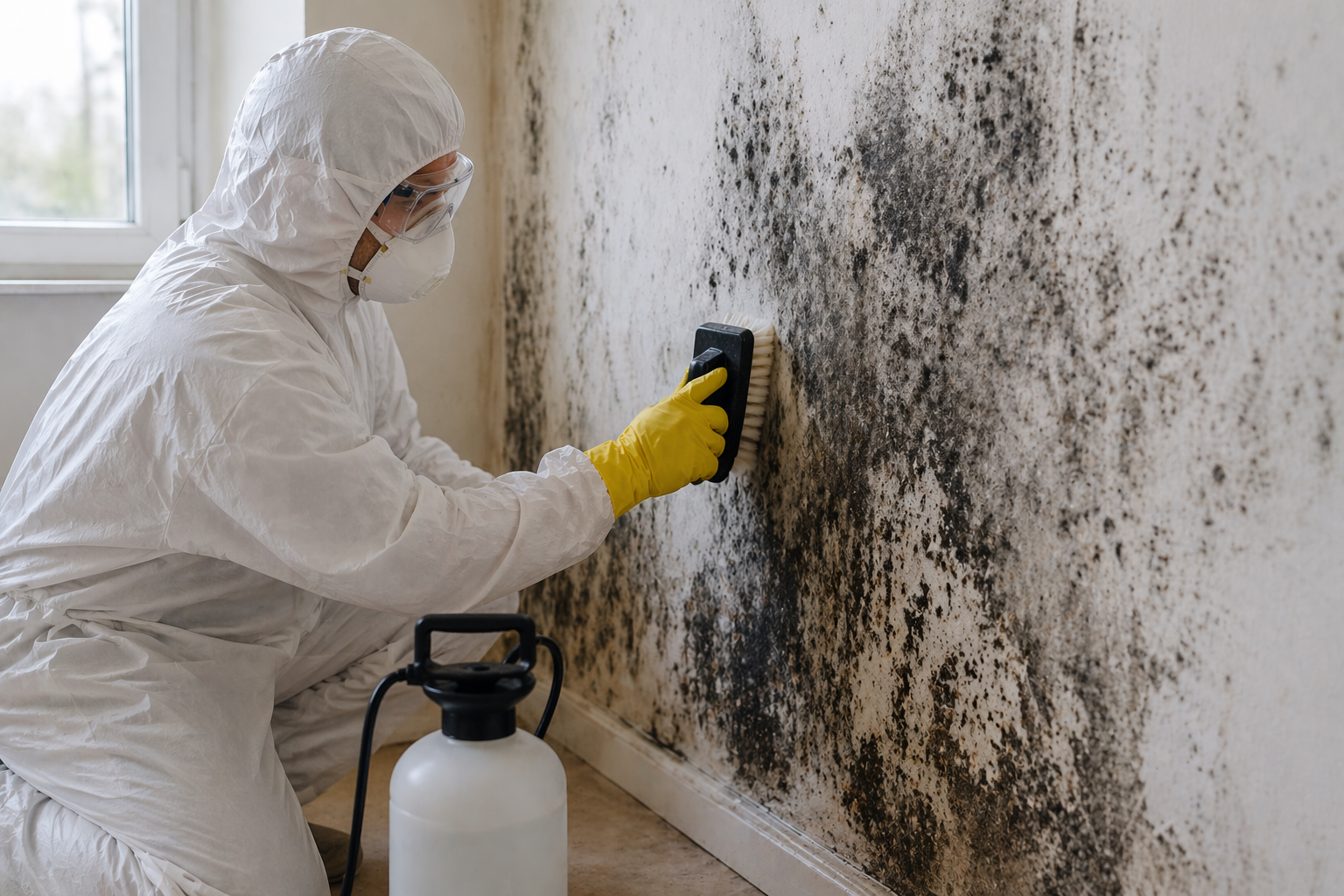
How Mold Remediation in Franklin Springs Works: A Professional Guide
Mold remediation in Franklin Springs follows a rigorous multi-step protocol designed to identify, contain, and eliminate fungal growth while restoring indoor air quality. The process involves professional moisture assessment, negative...
Mold remediation in Franklin Springs follows a rigorous multi-step protocol designed to identify, contain, and eliminate fungal growth while restoring indoor air quality. The process involves professional moisture assessment, negative pressure containment, HEPA air filtration, and the physical removal of contaminated materials according to IICRC S520 standards to ensure long-term property safety.
Contents
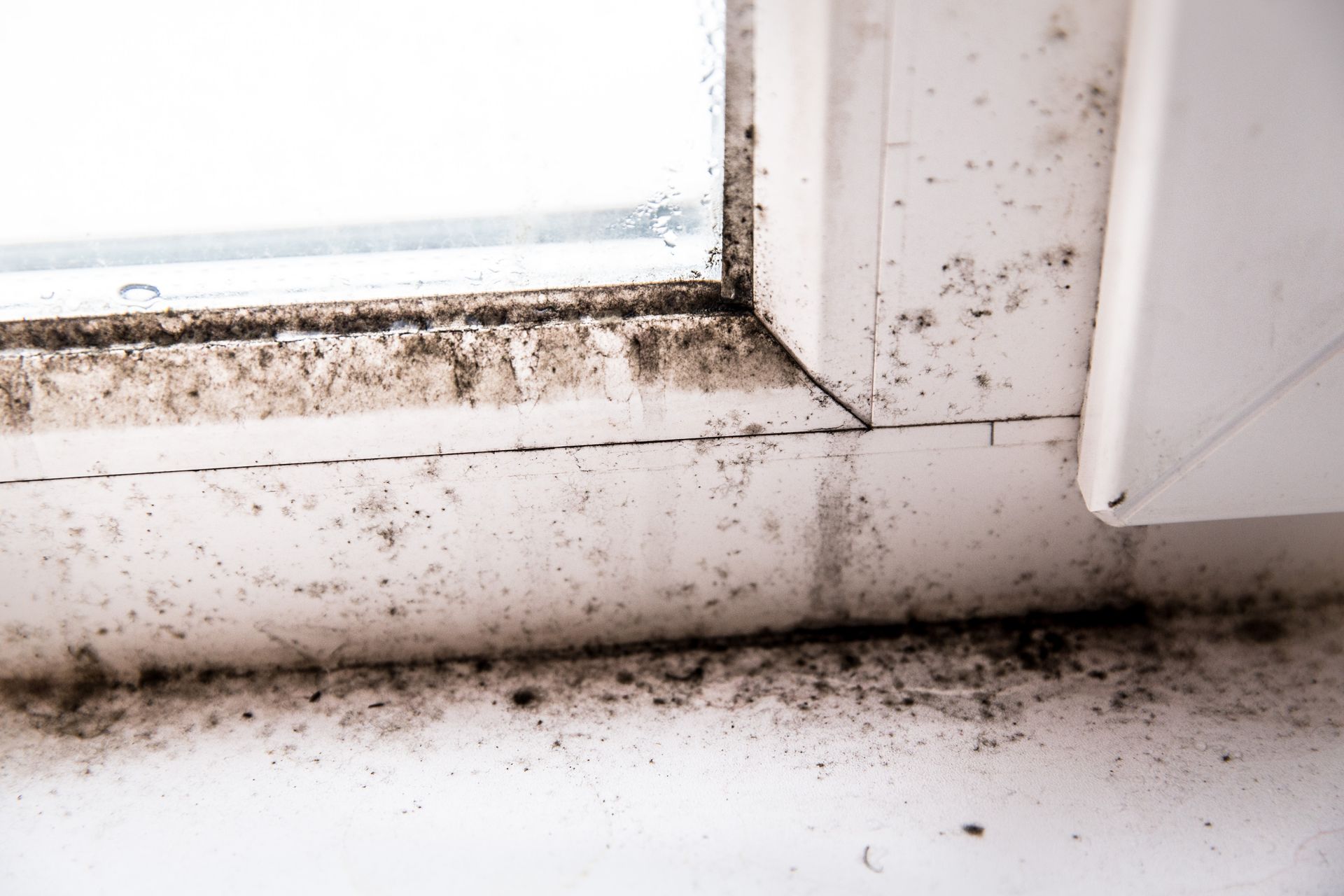
Understanding the mechanics of mold remediation is essential for homeowners and property managers in Franklin Springs, where the humid subtropical climate can often exacerbate indoor moisture issues. Remediation is not merely a cleaning service; it is a specialized environmental discipline that combines microbiology, structural drying, and hazardous material handling. When a property in the Franklin Springs area experiences a water intrusion—whether from a plumbing leak or seasonal humidity—mold can colonize porous surfaces within 24 to 48 hours. Professional intervention is required to stop the spread of spores and address the underlying moisture source that fueled the growth.
The Initial Assessment and Moisture Mapping
The first phase of professional mold remediation is a comprehensive inspection. Technicians do not simply look for visible growth; they utilize diagnostic tools to map the extent of the moisture. Because mold is a symptom of a water problem, remediators must identify where the water is coming from before they can effectively treat the mold.
In Franklin Springs, technicians typically use infrared (thermal imaging) cameras to detect temperature differentials behind drywall or under flooring. These differentials often indicate hidden pockets of moisture that are not visible to the naked eye. Coupled with invasive and non-invasive moisture meters, this data allows the team to create a "remediation plan" that outlines the specific scope of work, the types of barriers needed, and the estimated timeline for completion. This phase also includes air quality testing if the source of an odor is unknown or if there are concerns about hidden colonies in the HVAC system.
Establishing Containment and Negative Air Pressure
Once the scope is defined, the most critical safety step begins: containment. Without proper containment, the act of cleaning mold can actually make a situation worse by aerosolizing millions of spores and distributing them throughout the building.
Remediators in Franklin Springs employ two primary types of containment:
- Source Containment: Used for small, localized areas of mold where the growth is limited to a single patch on a wall or ceiling.
- Full Containment: Necessary for extensive growth. This involves sealing off the affected room or area with 6-mil fire-retardant polyethylene sheeting.
To ensure that spores do not escape when technicians enter or exit the containment zone, "negative air pressure" is established. This is achieved using high-efficiency particulate air (HEPA) air scrubbers that exhaust filtered air outside the building. By creating a vacuum effect, air is pulled into the containment area from the rest of the house, ensuring that no contaminated air flows into clean living spaces.
Air Filtration and Management
During the entire remediation process, air scrubbers remain operational. These machines are the workhorses of environmental restoration. A true HEPA filter is rated to capture 99.97% of particles as small as 0.3 microns. Since mold spores typically range from 2 to 20 microns, these filters are highly effective at stripping the air of contaminants.
In Franklin Springs properties, air management also involves managing the "vapor drive." Because external humidity is often high, remediators must ensure that the air being exhausted is replaced by conditioned air to prevent secondary moisture problems. Continuous air scrubbing reduces the "spore load" in the environment, which is vital for protecting both the technicians and the eventual occupants of the space.
The Physical Removal of Contaminated Materials
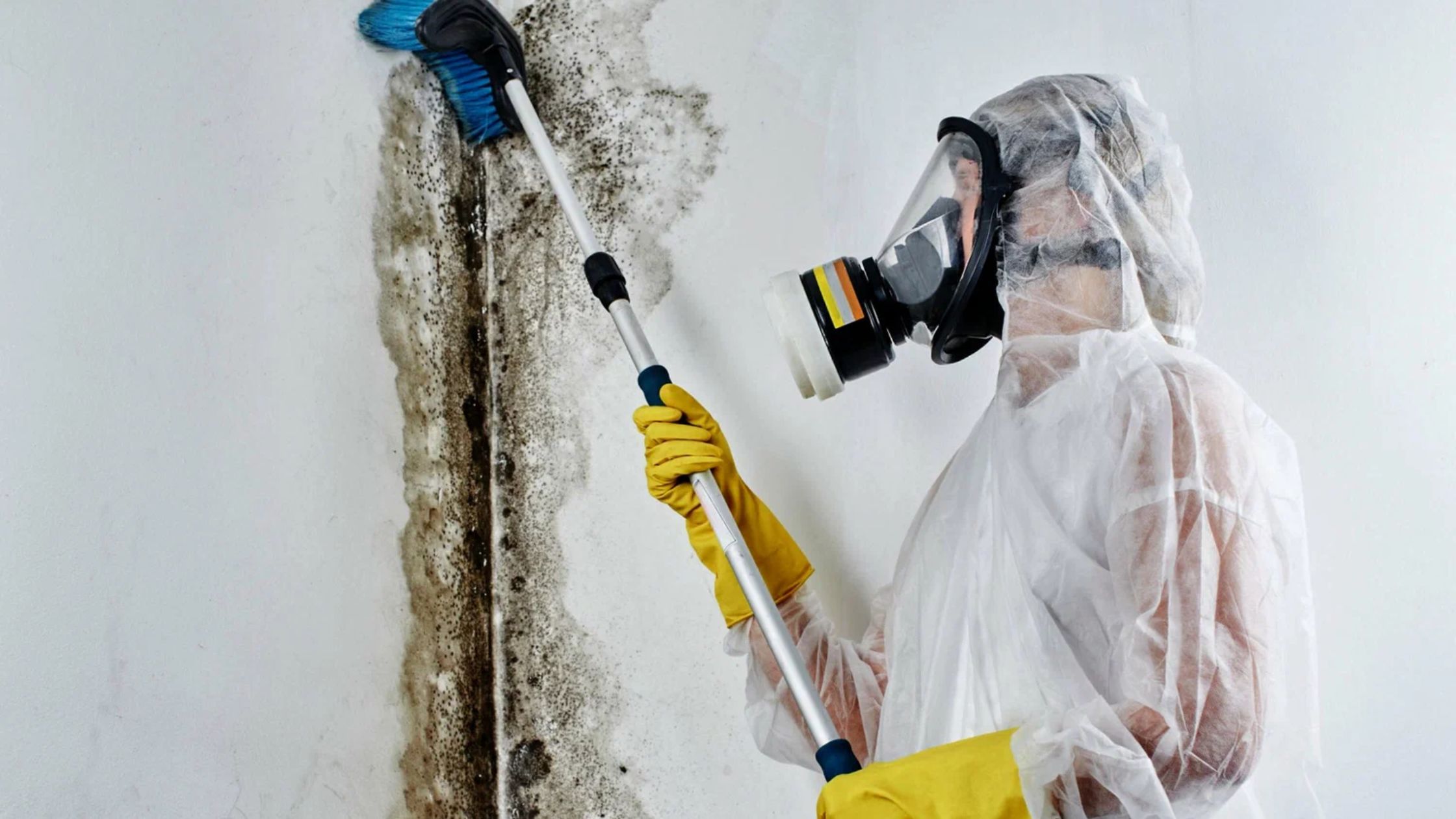
The core of remediation is the physical removal of mold and mold-damaged materials. Industry standards categorized by the Environmental Protection Agency (EPA) and the IICRC emphasize that "killing" mold with bleach is insufficient; the mold must be removed. Even dead mold spores can be allergenic or toxic.
Porous vs. Non-Porous Materials
Remediators categorize materials based on their permeability:
- Porous Materials: Items like drywall, insulation, carpeting, and ceiling tiles cannot be fully cleaned once mold has infiltrated the fibers. These are typically cut out, bagged in 6-mil poly bags within the containment zone, and disposed of as construction waste.
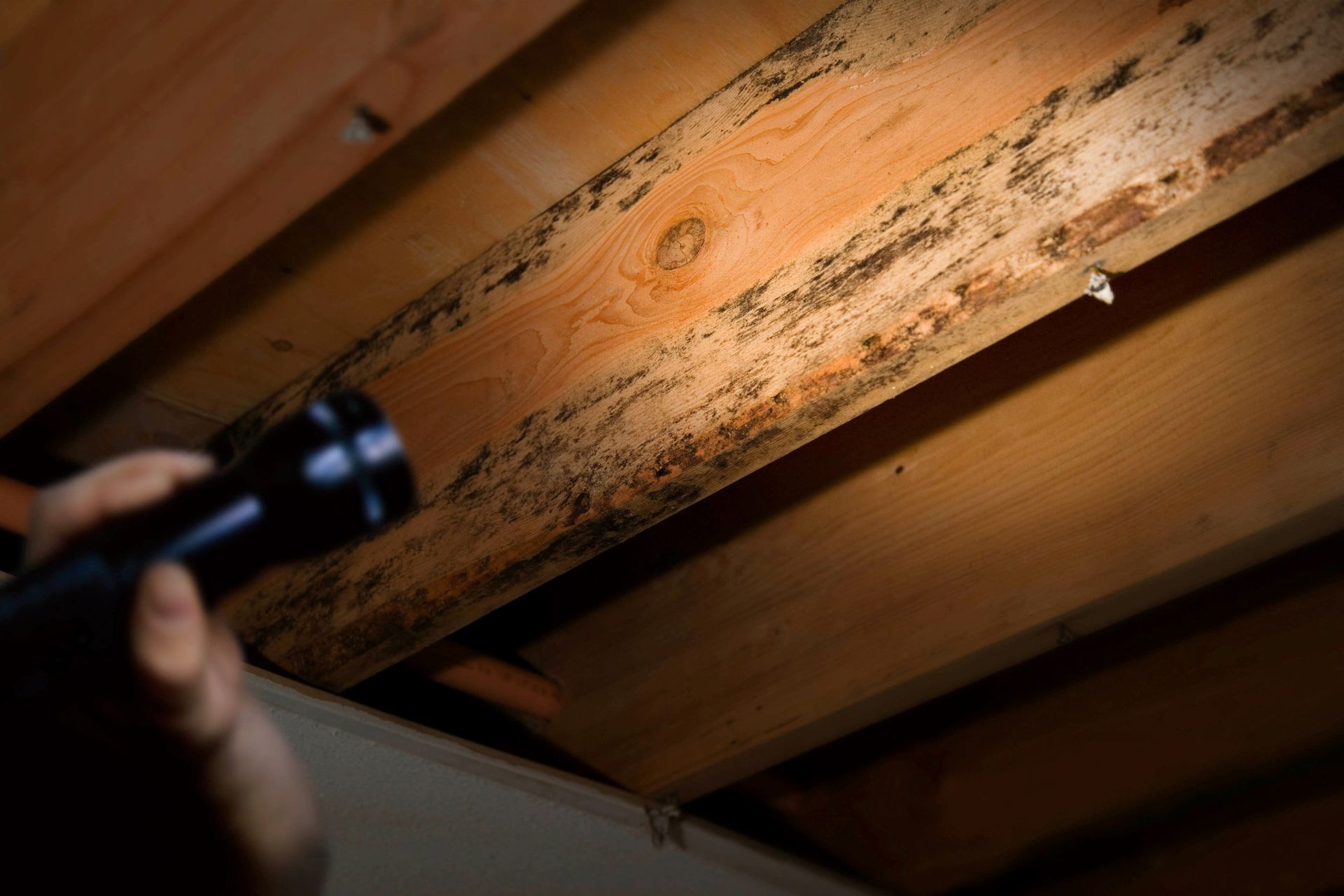
- Semi-Porous Materials: Wood framing and concrete can often be saved. Technicians use abrasive cleaning methods such as wire brushing, sanding, or "media blasting" (using dry ice or baking soda) to remove the hyphae (root structures) of the mold from the surface.
- Non-Porous Materials: Metal, glass, and hard plastics can usually be restored through a combination of HEPA vacuuming and antimicrobial wiping.
Cleaning and Sanitization Protocols
After the bulk of the contaminated material has been removed, the remaining surfaces undergo a detailed cleaning process known as "HEPA sandwiching." This involves a specific sequence: HEPA vacuuming all surfaces, damp-wiping with a professional-grade antimicrobial or biocide solution, and then HEPA vacuuming again.
This redundancy ensures that any spores that settled during the removal phase are captured. In Franklin Springs, professional remediators avoid the over-use of "fogging" as a primary solution. While fogging can help knock down airborne spores, it is never a substitute for the manual removal of the fungal source. Once cleaning is complete, an encapsulant (a specialized antimicrobial paint) may be applied to wooden structural members to prevent future growth and seal any microscopic remnants.
Structural Drying and Dehumidification
If the moisture source was a leak or flood, the structure must be dried to "dry standards" before any reconstruction can occur. In the Franklin Springs climate, simply opening windows is counterproductive due to the high ambient humidity. Professionals use industrial-grade LGR (Low Grain Refrigerant) dehumidifiers and high-velocity air movers.
These machines are monitored daily. Technicians take psychrometric readings, measuring the temperature and relative humidity of the air entering and exiting the dehumidifiers. The goal is to reach a moisture content in the wood (usually below 15%) that will not support fungal life. Only when the "drying goals" are met can the containment be safely removed.
Comparison of Remediation Approaches
The following table outlines the differences between standard professional remediation and common (but often ineffective) DIY attempts.
| Feature | Professional Remediation (IICRC S520) | Typical DIY Approach |
|---|---|---|
| Containment | 6-mil Polyethylene with Negative Air Pressure | None or simple plastic sheets without vacuum |
| Air Filtration | HEPA-certified Air Scrubbers (99.97% efficiency) | Standard HVAC filters or box fans |
| Removal Method | Physical removal of roots and porous substrates | Surface cleaning with bleach or vinegar |
| Moisture Control | Industrial LGR Dehumidification | Household fans or natural ventilation |
| Verification | Post-Remediation Verification (PRV) Testing | Visual "looks clean" assessment |
| Chemicals Used | EPA-registered Antimicrobials and Biocides | Common household bleach (water-based) |
Post-Remediation Verification (PRV)
The final step in a successful Franklin Springs remediation project is verification. This is often performed by a third-party environmental hygienist who was not involved in the actual cleaning. This ensures an unbiased assessment of the work.
The verification process typically includes:
- Visual Inspection: Ensuring no visible dust, debris, or mold remains within the containment area.
- Odors: Confirming the absence of "musty" or "earthy" microbial volatile organic compounds (mVOCs).
- Air Sampling: Comparing the spore count inside the work area to the spore count outside. A successful project should result in indoor counts that are lower than or similar to the natural outdoor environment, with no "target" mold species (like Stachybotrys or Chaetomium) present.
Only after the PRV report confirms the area is "clear" should the containment barriers be taken down and reconstruction begin.
FAQs About Mold Remediation in Franklin Springs
Is mold remediation covered by homeowners insurance in Franklin Springs?
Coverage depends entirely on the "peril" that caused the mold. If the mold resulted from a sudden and accidental water discharge (like a burst pipe), it is frequently covered, though many policies have a $5,000 or $10,000 limit for mold specifically. Mold resulting from long-term seepage, lack of maintenance, or high humidity is generally excluded from standard policies.
Can I stay in my home during the remediation process?
In many cases, yes, provided the area of growth is small and can be completely isolated. However, if the mold is in the HVAC system or if the remediation requires the kitchen or primary bathroom to be sealed off, temporary relocation may be necessary. Sensitive individuals, such as those with asthma or compromised immune systems, should consult a physician before staying in a home undergoing active remediation.
How long does the typical remediation process take?
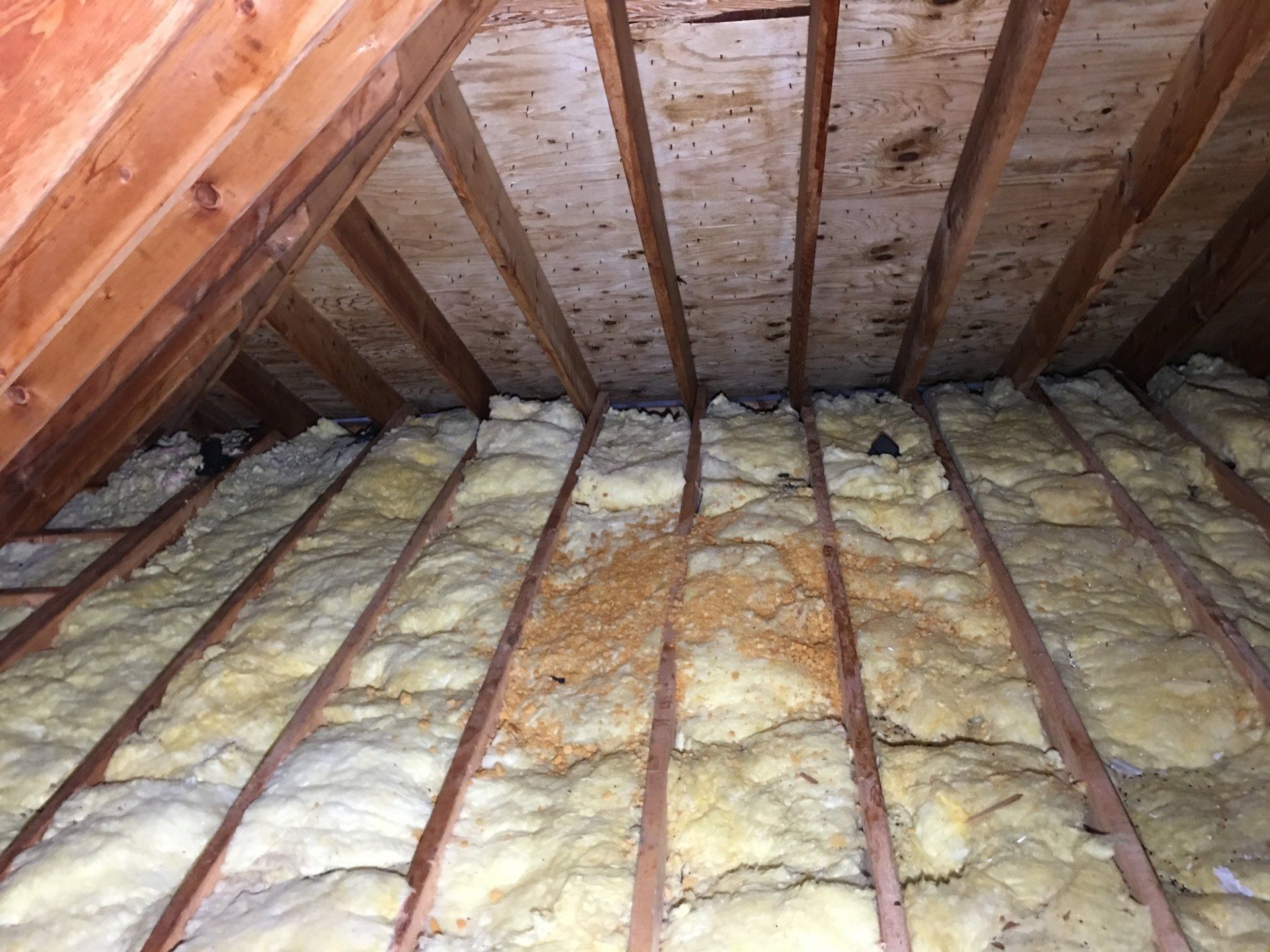
For a standard residential project in Franklin Springs, the process usually takes between 3 to 7 days. This includes 1 day for setup and containment, 1-3 days for removal and cleaning, and 2-3 days for structural drying and clearance testing. Complex cases involving structural rot or extensive attic mold may take longer.
Why shouldn't I use bleach to kill mold on drywall?
Bleach is primarily composed of water. When applied to porous surfaces like drywall, the chlorine stays on the surface while the water soaks into the material. This often provides a moisture boost to the mold roots (hyphae) embedded deep within the wall, leading to a cycle where the mold appears to vanish but returns more aggressively a few weeks later.
What are the signs that I need professional remediation?
You should seek professional help if you notice a persistent musty odor, see visible growth exceeding 10 square feet (the EPA threshold for professional intervention), or if occupants are experiencing unexplained respiratory issues that improve when they leave the building.
Final Recommendation for Property Owners
When facing a mold issue in Franklin Springs, the priority should always be the identification and repair of the moisture source. Without addressing the underlying leak or humidity problem, even the most expensive remediation will fail as mold returns to the damp environment. Property owners should hire contractors who are certified by the IICRC and follow the S520 Standard for Professional Mold Remediation. Always insist on a written scope of work and, where possible, an independent post-remediation clearance test to ensure the air you breathe is safe.
Image Gallery