The Origin and Cultural Legacy of MC Hammer’s Iconic Baggy Pants
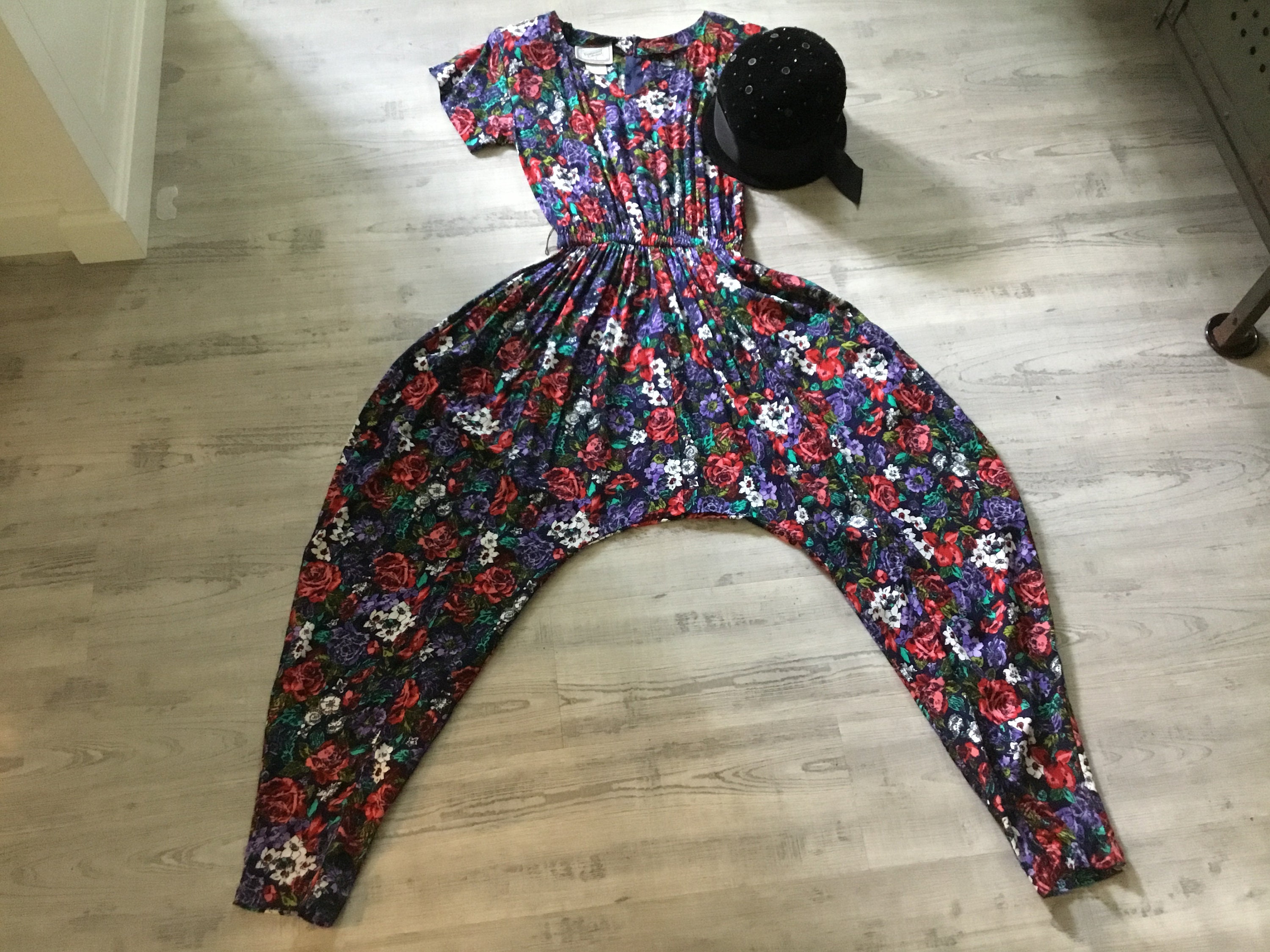
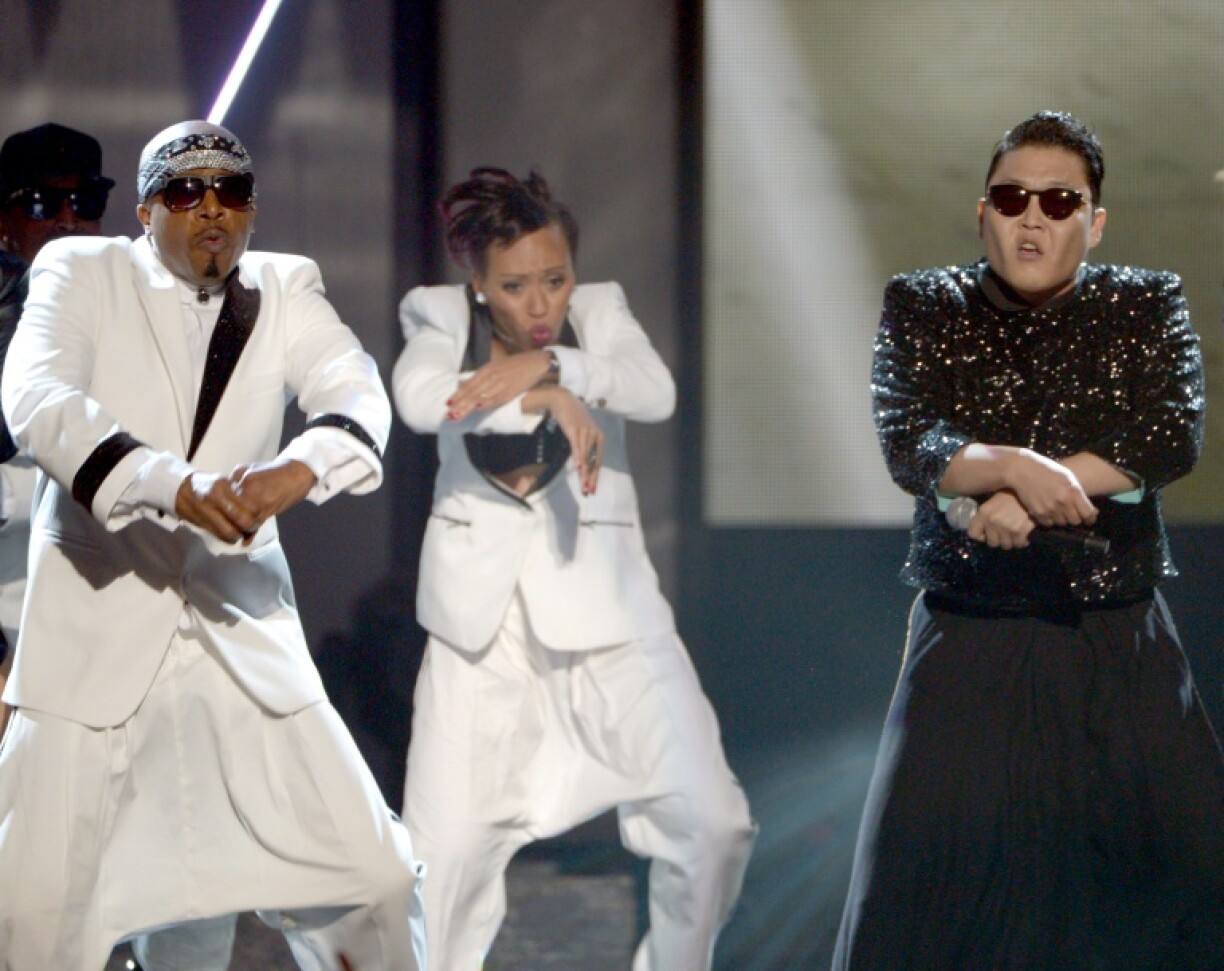
MC Hammer’s baggy pants, universally known as "Hammer pants," were a modified version of harem pants designed to facilitate his high-energy dance routines while creating a dramatic visual spectacle. Originally inspired by Middle Easter...
MC Hammer’s baggy pants, universally known as "Hammer pants," were a modified version of harem pants designed to facilitate his high-energy dance routines while creating a dramatic visual spectacle. Originally inspired by Middle Eastern silhouettes and 1980s parachute pants, they became a global fashion phenomenon in 1990, symbolizing the peak of the "pop-rap" era.
Contents
The Functional Necessity Behind the Design
To understand the story behind MC Hammer’s baggy pants, one must first understand the physical demands of Stanley Burrell’s—better known as MC Hammer—performance style. Before he was a multi-platinum recording artist, Hammer was an exceptionally gifted dancer and a former batboy for the Oakland Athletics. His choreography was characterized by rapid-fire footwork, high-velocity spins, and the "Hammer Dance," which required a full range of motion in the hips and thighs.
Standard denim or tailored trousers of the late 1980s were too restrictive for the explosive movements Hammer performed on stage. The "drop-crotch" design of the baggy pants allowed for total leg freedom. By lowering the gusset of the pants to the knees or lower, the design eliminated the friction and tension found in traditional crotch seams. This technical adjustment meant that when Hammer performed his signature side-to-side slides, the fabric moved with him rather than resisting his movements.
Beyond function, there was a psychological element to the design. The massive volume of fabric—sometimes totaling over 15 yards for a single pair—created a visual "blur" during high-speed spins. This made Hammer appear faster and more fluid than a dancer in tight-fitting clothing. The pants acted as an extension of his body, amplifying every movement for the benefit of fans sitting in the back rows of arenas or watching on the low-resolution television screens of the era.
Tracing the Aesthetic Lineage: From Harem to Hip-Hop
While often credited to Hammer himself, the silhouette of the Hammer pant has deep historical roots. The primary ancestor is the harem pant, or sirwal, which has been worn for centuries across the Middle East, North Africa, and parts of Asia. These traditional garments were designed for modesty and comfort in hot climates, offering breathability through a loose fit and tapered ankles.
In the early 20th century, Western fashion designers like Paul Poiret began experimenting with these silhouettes, but they remained a niche avant-garde or "orientalist" fashion statement. By the 1980s, the "parachute pant" had become a staple of early breakdancing culture. These were often made of synthetic materials like nylon and featured heavy zippers. Hammer took this existing "baggy" trend in hip-hop and pushed it to an architectural extreme.
Hammer worked closely with his creative team and seamstresses to refine the look. He wanted something that felt more "regal" than the gritty streetwear of the time. This led to the use of high-end materials like heavy silks, metallic lamé, and intricate embroidery. The result was a fusion of ancient cultural attire, 1980s clubwear, and "Afrofuturist" showmanship that stood out distinctly from the burgeoning "grunge" and "gangsta rap" aesthetics of the early 1990s.
The "U Can’t Touch This" Era and Global Saturation
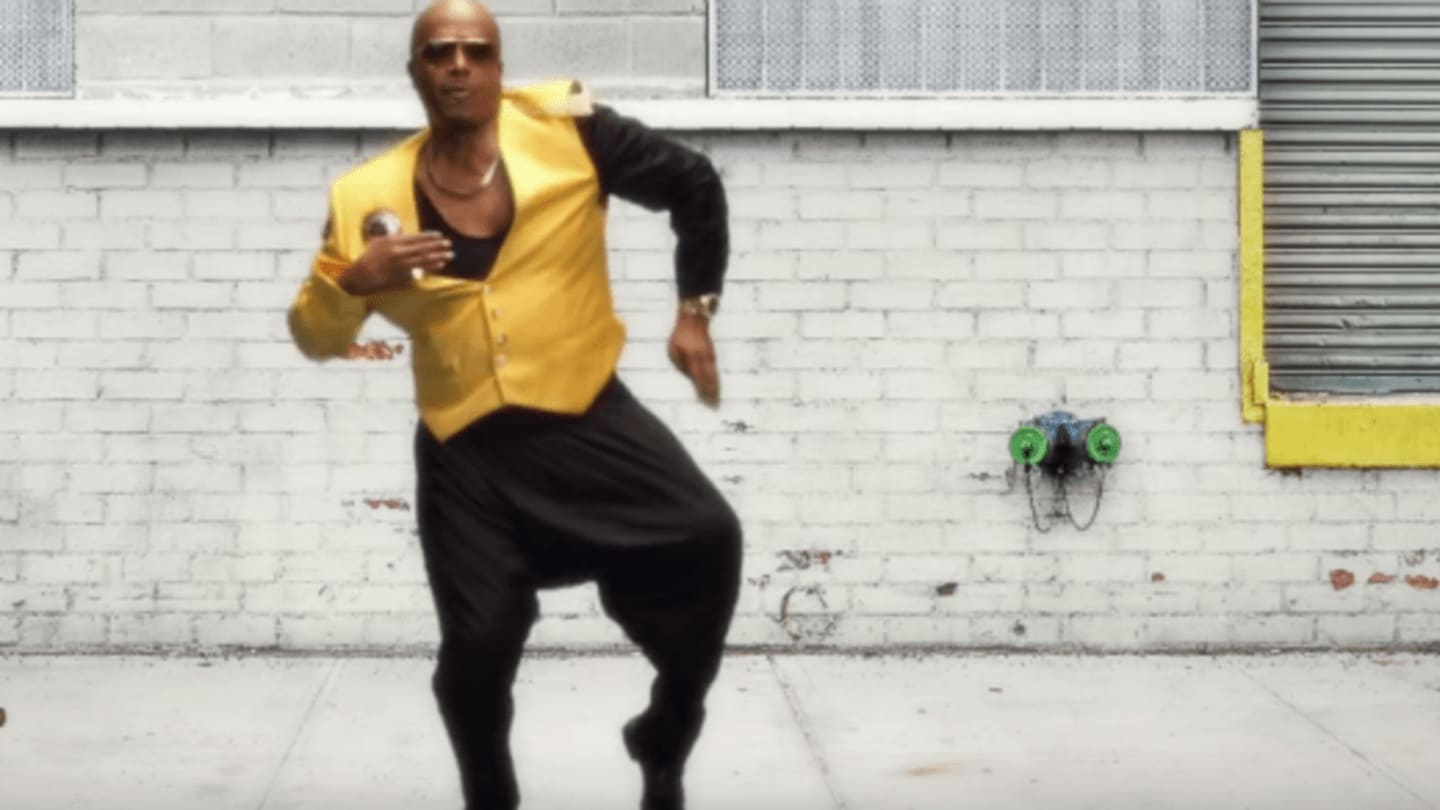
The release of the "U Can’t Touch This" music video in 1990 served as the official launchpad for the pants as a global trend. In the video, Hammer wore several iterations of the garment, most notably a shimmering gold pair that became the definitive version of the look. At this moment, the pants transitioned from a functional stage costume to a mandatory fashion item for a generation of youth.
The commercial impact was instantaneous. By late 1990 and through 1991, retailers were flooded with mass-produced versions of the pants. Because the design was relatively simple to replicate—requiring little more than two large panels of fabric with an elastic waistband and cuffs—knockoffs appeared in every mall across America. This saturation was both a blessing and a curse for Hammer’s brand. While it solidified his status as a cultural icon, it also led to the rapid "de-valuation" of the look as it moved from high-fashion stage wear to cheap polyester novelty items.
As of 2026, fashion historians point to this period as one of the earliest examples of a "viral" fashion trend driven entirely by music video rotation on MTV. The pants were no longer just clothing; they were a uniform for an era of optimism and "pop-rap" dominance that preceded the more cynical tone of mid-90s hip-hop.
Technical Specifications and Construction
The construction of a true "Hammer-style" pant is more complex than it appears. To achieve the proper "drape" without the pants looking like a shapeless sack, specific tailoring techniques were employed. The key was the ratio between the waist, the drop-crotch depth, and the ankle taper.
| Feature | Specification | Purpose |
|---|---|---|
| Fabric Yardage | 10 to 20 yards | To create volume and visual "weight" during movement. |
| Waistband | High-waisted / Elasticized | To keep the pants secure during vigorous dancing. |
| Ankle Closure | Ribbed or Buttoned Taper | To prevent the wearer from tripping on the excess fabric. |
| Material | Silk, Rayon, or Synthetic Blends | Chosen for "drape" and ability to catch stage lighting. |
| Crotch Depth | Mid-thigh to Mid-calf | To maximize leg mobility and create the iconic silhouette. |
The use of "parachute nylon" was common in cheaper versions, but Hammer’s personal wardrobe often featured weighted fabrics. This weight was crucial; it allowed the fabric to swing like a pendulum during the "Hammer Dance," adding a rhythmic element to his physical performance. If the fabric were too light, it would simply billow uncontrollably; if it were too heavy, it would hinder his speed.
The Economic and Cultural Decline
By 1992, the "Hammer pant" began to face a significant cultural backlash. As the hip-hop landscape shifted toward the "G-funk" of the West Coast and the "Hardcore" style of the East Coast, Hammer’s flamboyant aesthetic was increasingly viewed as "corny" or overly commercial. Parodies on shows like In Living Color and the rise of the more understated "baggy jeans" look (popularized by brands like Cross Colours and Karl Kani) signaled the end of the Hammer pant's dominance.
The very thing that made the pants successful—their extreme distinctiveness—made them an easy target for ridicule once the trend peaked. Hammer himself eventually moved away from the look, adopting more conventional suits and streetwear as he transitioned into different phases of his career, including his later work as a tech investor and minister.
However, the legacy of the pants remained. They represented a moment in time when hip-hop was breaking into the mainstream and experimenting with its visual identity. The pants were a rejection of the "status quo" and a celebration of African-American performance art on a grand, theatrical scale.
The Modern Resurgence in 2026 Streetwear
While the exact 1990s silhouette remains a period piece, the core philosophy of the Hammer pant has seen a massive resurgence in the fashion landscape of 2026. Modern streetwear has moved away from the "skinny" silhouettes of the 2010s in favor of extreme "oversized" and "anti-fit" garments.
Contemporary designers frequently utilize the "drop-crotch" and "balloon leg" silhouettes that Hammer pioneered. These modern iterations, often found in high-fashion collections and "techwear" circles, prioritize the same comfort and mobility that Stanley Burrell sought in 1990. The influence of the Hammer pant can be seen in:
- Modern Joggers: The tapered ankle and roomy thigh are direct descendants.
- Techwear: The focus on "range of motion" through innovative tailoring.
- Gender-Neutral Fashion: The non-linear shape of the baggy pant offers a silhouette that moves away from traditional gendered tailoring.
In 2026, the Hammer pant is no longer a joke; it is studied as a masterclass in "branding through silhouette." It remains one of the few examples in history where a single garment became so synonymous with a person that the person and the clothing are inseparable in the collective memory.
Frequently Asked Questions
What were MC Hammer's pants called?
While colloquially known as "Hammer pants," they are technically a variation of harem pants or "drop-crotch" trousers. During the early 90s, they were also frequently referred to as "parachute pants," though this was technically a misnomer as parachute pants usually refer to the zippered, nylon trousers of the 1980s breakdancing era.
How much fabric was in a pair of Hammer pants?
For MC Hammer’s custom stage outfits, seamstresses often used between 15 and 20 yards of fabric. This immense volume was necessary to ensure the pants didn't just look baggy, but had enough weight and surface area to create the "billowing" effect during his complex dance routines.
Who designed the original Hammer pants?
While Hammer is often credited with the concept, the designs were a collaborative effort between him and his personal wardrobe team. They drew inspiration from traditional Middle Eastern silhouettes and the "loose fit" trend already present in Oakland's street culture, elevating it with theatrical materials like silk and lamé.
Why did the trend end so quickly?
The trend suffered from "over-saturation." Because the silhouette was so distinct, it became a caricature of itself once it hit mass-market discount stores. Additionally, the shift in hip-hop toward "Gangsta Rap" in the early 90s favored a more rugged, less theatrical look, making the flashy Hammer style feel outdated.
Are Hammer pants coming back in 2026?
The specific "shimmering" 1990s version remains a vintage or costume item, but the "baggy, tapered" silhouette is currently a dominant force in 2026 streetwear. Modern "balloon pants" and high-fashion harem designs are direct descendants of the aesthetic Hammer popularized over three decades ago.
Practical Recommendation for Fashion Historians and Collectors
If you are looking to source or study authentic Hammer pants, focus on the "Please Hammer, Don't Hurt 'Em" era (1990-1991). Authentic stage-worn pairs are rare and usually held in private collections or museums like the Smithsonian. For those looking to replicate the look for modern performance, prioritize fabrics with a "heavy drape" like high-quality rayon or silk blends rather than cheap polyester, as the weight of the fabric is what gives the pants their historic movement and "swing."
Image Gallery