Choosing the Best Cord for Necklaces with Confidence
To choose the best necklace cord, evaluate your beads' weight and hole size, then match them to a material's specific strength and drape. Use silk for delicate pearls, coated stainless steel wire for heavy gemstones, and waxed polyeste...
To choose the best necklace cord, evaluate your beads' weight and hole size, then match them to a material's specific strength and drape. Use silk for delicate pearls, coated stainless steel wire for heavy gemstones, and waxed polyester for durable daily wear. Ensuring the cord thickness fills roughly 70% of the bead hole prevents wobbling and premature wear.
Contents
The foundation of any successful jewelry project is the stringing material. While beads and pendants often capture the spotlight, the cord is the structural element that determines how a piece hangs, how long it lasts, and how it feels against the skin. In 2026, jewelry makers have access to an unprecedented variety of materials, ranging from traditional organic fibers to high-performance synthetics engineered for industrial strength. Selecting the "best" option is not about finding a single universal cord, but rather identifying the specific material properties that align with your design goals and the physical requirements of your components.
Understanding Core Selection Criteria
Before purchasing a spool of cord, you must analyze the physical characteristics of the beads you intend to use. A mismatch between bead and cord often leads to broken strands, awkward "kinking," or a cheap aesthetic.
Bead Hole Diameter and Cord Thickness The most common mistake is choosing a cord that is too thin for the bead hole. If a cord is significantly thinner than the hole, the beads will sit unevenly, creating a "jagged" appearance rather than a smooth curve. Conversely, a cord that is too thick will not pass through the beads or may cause friction that leads to fraying. As of 2026, standard jewelry measurements are typically provided in millimeters (mm). A reliable rule of thumb is to select a cord that occupies 60% to 80% of the bead’s internal diameter. This provides enough structural support to keep the bead centered while allowing the cord to flex naturally.
Weight and Tensile Strength Tensile strength refers to the maximum load a cord can support before breaking. Heavy materials, such as large semi-precious stones, glass, or metal beads, require high-tensile materials like multi-strand coated wire. Lightweight materials, such as seed beads or small freshwater pearls, are better suited for softer fibers. Using a high-strength wire on light beads can make the necklace appear stiff and "wirey," lacking the fluid motion required for a professional drape.
Drape and Flexibility Drape describes how the necklace conforms to the contours of the wearer's neck. Materials like silk and soft nylon offer a high drape, meaning they are very fluid. Stainless steel cable, even when nylon-coated, has more "memory" and tends to hold a circular shape. Your choice depends on whether you want the necklace to flow like fabric or maintain a rigid geometric silhouette.
Comparison of Popular Necklace Cord Materials
Selecting a material requires balancing aesthetics with mechanical performance. The following table provides a direct comparison of the most widely used cords in 2026 jewelry design.
| Material Type | Primary Composition | Best Use Case | Durability | Drape Quality |
|---|---|---|---|---|
| Silk Cord | 100% Natural Silk | Pearls and lightweight gemstones | Moderate | Excellent (Fluid) |
| Nylon (S-Lon/C-Lon) | Bonded Nylon | Seed beads and multi-strand work | High | Good (Flexible) |
| Coated Wire | Stainless Steel / Nylon | Heavy stones and daily-wear jewelry | Very High | Fair (Stiffer) |
| Leather Cord | Organic Hide | Large pendants and rustic designs | Moderate | Low (Holds shape) |
| Waxed Polyester | Synthetic + Micro-wax | Macramé and waterproof jewelry | Extreme | Low (Rigid) |
| Satin (Rat-tail) | Polyester/Rayon | Kumihimo and chunky fabric looks | Moderate | High (Very soft) |
Deep Dive: Natural Fibers vs. Synthetic Engineering
The Traditional Elegance of Silk
Silk remains the gold standard for high-end pearl knotting. Brands like Griffin have maintained their relevance into 2026 by offering silk cord with integrated needles, which simplifies the stringing process. Silk is prized for its incredible softness and the way it allows beads to move. However, silk is an organic fiber; it can stretch over time and is susceptible to damage from moisture and body oils. It is best reserved for "occasion" jewelry or pieces where traditional knotting between each bead is a design requirement.
The Versatility of Bonded Nylon
Nylon cords, such as S-Lon or C-Lon, have largely superseded silk for general beadwork. These are synthetic, meaning they do not rot and are much more resistant to stretching. Bonded nylon is particularly useful because it is treated to prevent fraying at the ends, making it easier to thread through small needles. For designers working with size 11/0 or 15/0 seed beads, nylon offers the best balance of strength and thinness.
High-Performance Beading Wire
Often referred to by brand names like Beadalon or Soft Flex, this is not a "cord" in the textile sense but a cable made of several tiny stainless steel wires twisted together and coated in nylon. In 2026, the standard for a professional finish is 49-strand wire. This count provides the maximum possible flexibility while remaining nearly impossible to break by hand. It is the only choice for heavy, sharp-edged beads (like certain crystals or metal spacers) that would quickly saw through textile cords.
Specialized Cords for Specific Aesthetics
Beyond the standard stringing materials, several specialized cords serve niche design styles.
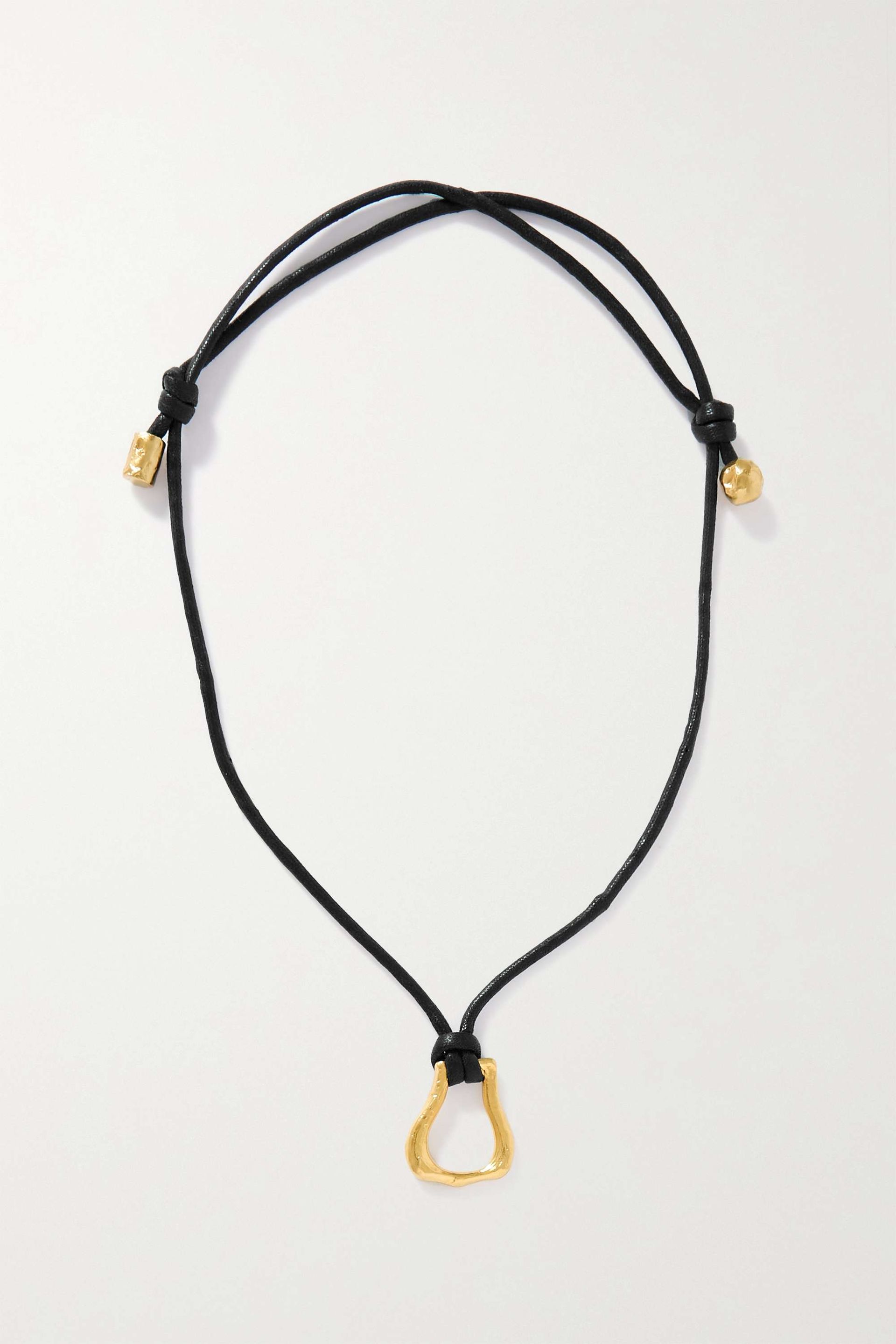
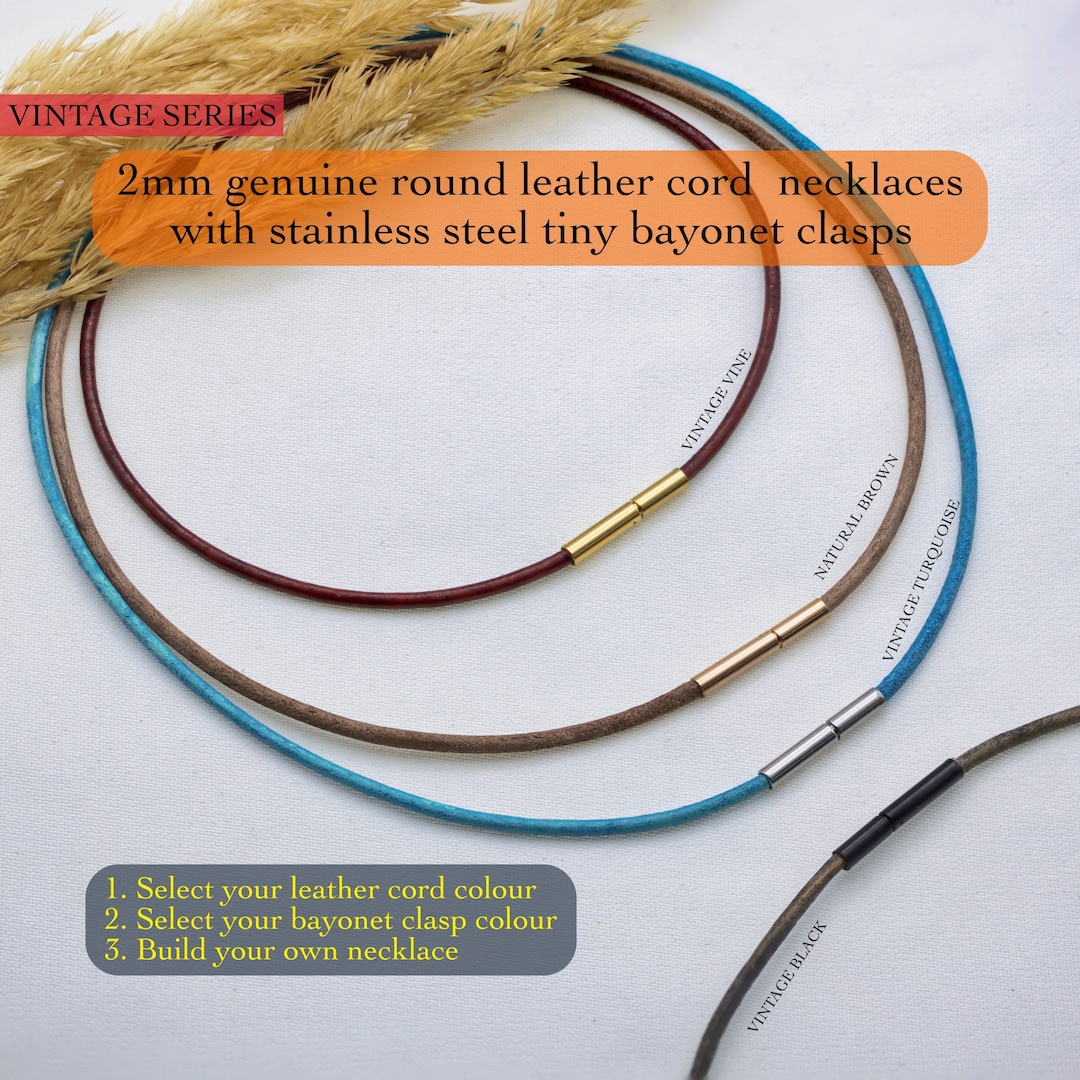
Leather and Suede Leather cord is a staple for bohemian and masculine designs. It is available in various profiles, including round, flat, and braided. When choosing leather, ensure it is "distress-tested." Low-quality leather can be brittle and snap if it dries out. In 2026, many eco-conscious designers have transitioned to high-quality cork cord or recycled microfiber "suede," which offers similar aesthetics with improved resistance to water and sweat.
Waxed Polyester for Durability If you are designing jewelry for an active lifestyle—such as "surfer" jewelry or pieces intended to be worn in the shower—waxed polyester is the superior choice. The wax coating seals the fibers, preventing them from absorbing water and becoming heavy or odorous. It is also the preferred material for micro-macramé, as the wax helps the knots stay secure without the need for glue.
Elastics and Stretch Cords While primarily used for bracelets, high-quality stretch cords like Elonga or Polymer-based fibers are sometimes used for "clasp-less" necklaces. However, caution is advised. The weight of a full-length necklace can cause elastic to "fatigue" faster than a bracelet, eventually leading to a permanent stretch that leaves gaps between the beads.
Technical Specifications: Sizes and Measurements
Understanding the nomenclature of cord sizing is essential for confident purchasing. Depending on the manufacturer, sizes may be listed in millimeters, inches, or specific "gauge" numbers.
- 0.25mm to 0.35mm (Fine): Ideal for very small seed beads and delicate "invisible" look necklaces. Requires a very fine needle.
- 0.50mm (Medium): The most versatile size. Fits most standard glass beads, 4mm-6mm gemstones, and pearls.
- 0.70mm to 1.0mm (Heavy): Best for large-hole beads, wood beads, or heavy statement pieces.
- 1.5mm to 3.0mm (Cord-focused): These are meant to be visible parts of the design, such as leather or satin cords where a single pendant is hung.
When using metal beading wire, the "strand count" is more important than the diameter. A 7-strand wire is budget-friendly but stiff; a 19-strand wire is a mid-range all-purpose option; and a 49-strand wire is the premium choice for the most natural drape.
Hardware and Finishing Requirements
Your choice of cord dictates the type of "finding" or closure you must use. Matching these correctly is the difference between a necklace that looks handmade and one that looks professional.
- For Silk and Nylon: These materials are typically finished with bead tips (clam shells) or by knotting directly onto a clasp using French wire (gimp) to protect the cord from the metal's friction.
- For Beading Wire: You must use crimp beads and crimping pliers. Attempting to knot stainless steel wire will result in a weak point that will eventually snap.
- For Leather and Thick Cord: Use fold-over crimp ends or bell caps with industrial-strength jewelry glue (such as E6000 or specialized cyanoacrylates updated for 2026 standards).
- For Waxed Cord: This is one of the few materials where a sliding knot (fisherman's knot) is acceptable and often preferred, as the wax provides the necessary grip to hold the adjustment.
Common Mistakes to Avoid
Even with the right material, certain procedural errors can undermine your confidence.
- Ignoring Bead Burrs: Natural stones and glass beads often have sharp edges around the drill hole. If you are using a textile cord (silk/nylon) without checking for these "burrs," the bead will act like a knife and cut the cord. Always smooth the holes with a bead reamer or use coated wire for these components.
- Over-tightening: When finishing a necklace on wire, leaving no "slack" will make the necklace stiff and prone to kinking. Always curve the necklace into a circle before securing the final crimp to ensure there is enough room for the beads to move.
- Using the Wrong Glue: Some glues can degrade synthetic cords or "frost" certain types of beads. Always use a glue specifically formulated for jewelry that remains flexible when dry.
Frequently Asked Questions
What is the strongest cord for a heavy gemstone necklace? For heavy gemstones, 49-strand nylon-coated stainless steel wire is the strongest and most reliable option. It combines the tensile strength of steel with a high strand count that allows it to remain flexible enough to drape naturally. Look for a diameter of at least 0.018 or 0.024 inches for maximum security.
Can I use fishing line for making necklaces? While technically possible, it is not recommended for professional-quality jewelry. Standard monofilament fishing line is designed to be translucent in water, but it becomes brittle and yellow when exposed to UV light over time. Furthermore, it does not hold knots well and is prone to "stretching out" under the constant weight of beads.
How do I prevent my silk cord from stretching? Before stringing your beads, pre-stretch the silk. Hang the cord with a small weight attached to the end for 24 hours. This removes the initial "give" in the fibers, ensuring that your knots stay tight and no unsightly gaps appear between your beads after the necklace is worn.
Which cord is best for people with sensitive skin? Natural materials like organic cotton or high-quality silk are generally best for those with metal or synthetic sensitivities. If you require a synthetic option, medical-grade silicone cord or nylon is typically hypoallergenic. Avoid low-quality leather, as the tanning chemicals can sometimes cause irritation.
Does cord thickness affect the color of the beads? Yes, especially with translucent or transparent glass beads. A dark cord can make light-colored beads look dull, while a bright or white cord can make the colors pop. Many designers use "color-matched" cord to enhance the primary hue of their beads.
Final Recommendation
To choose your necklace cord with absolute confidence, start with the bead hole diameter. Select a cord that fills most of the hole to ensure a professional "line." If your design features heavy or sharp-edged beads, prioritize 49-strand coated wire and crimp finishes. For designs emphasizing elegance and fluid motion, such as pearl strands, opt for silk or bonded nylon. By matching the mechanical properties of the cord to the physical demands of the beads, you ensure a piece of jewelry that is both beautiful and built to last well beyond 2026.
Image Gallery