Comprehensive First Trimester Checklist: Essential Steps for a Healthy Pregnancy in 2026
A comprehensive first trimester checklist includes scheduling your initial prenatal appointment, starting a high-quality prenatal vitamin with folic acid, and making immediate lifestyle adjustments like eliminating alcohol and high-mer...
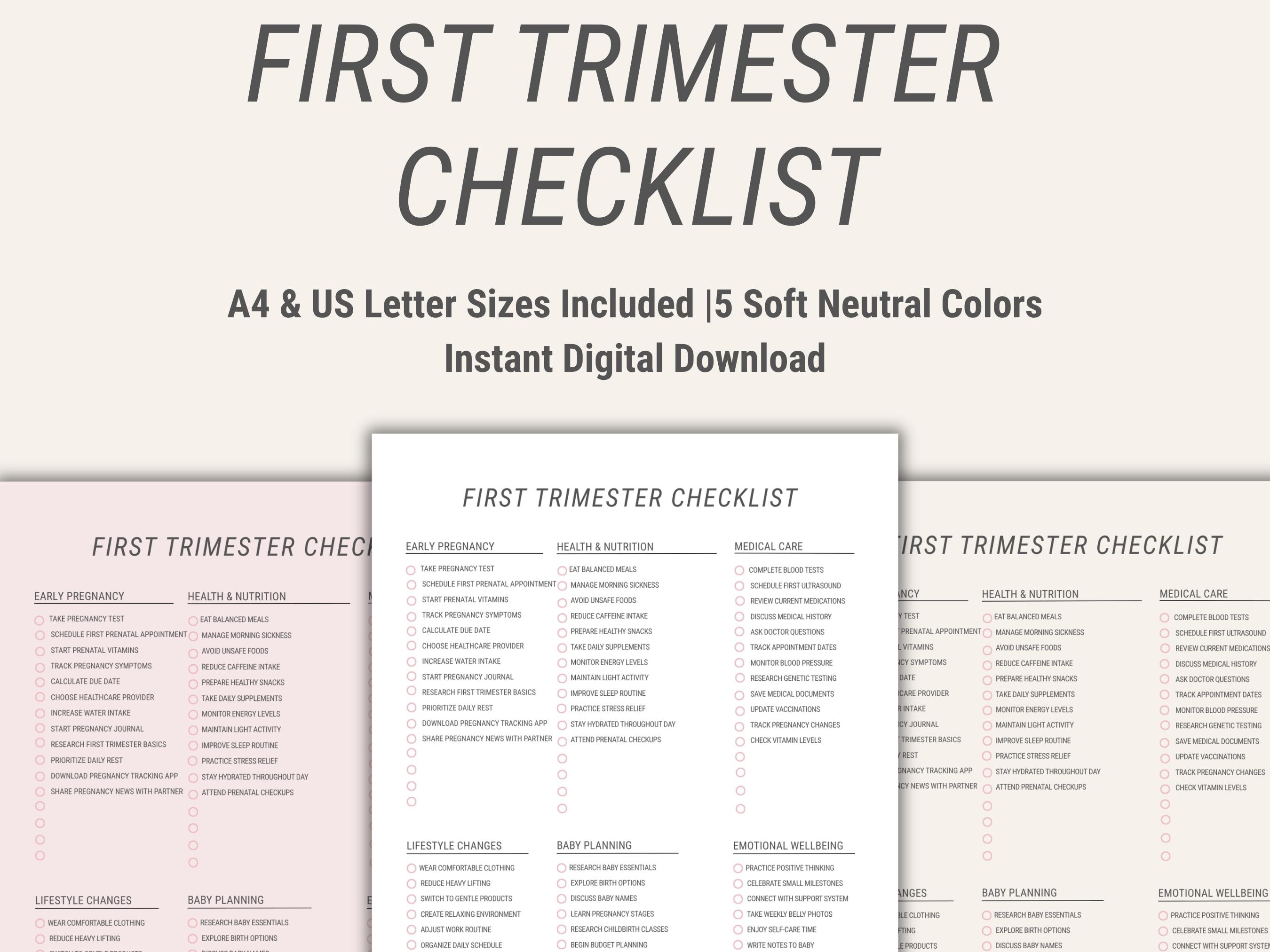
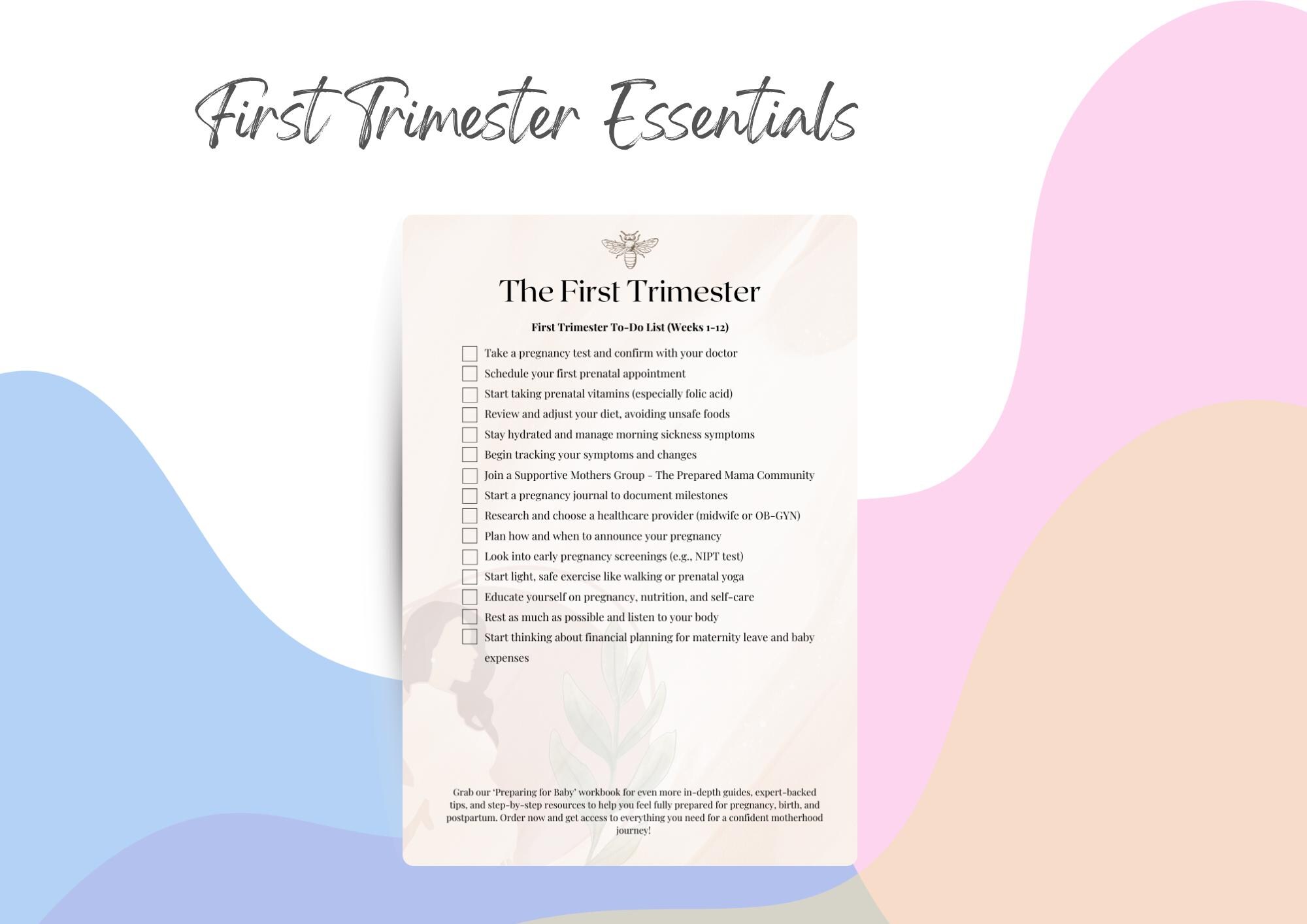
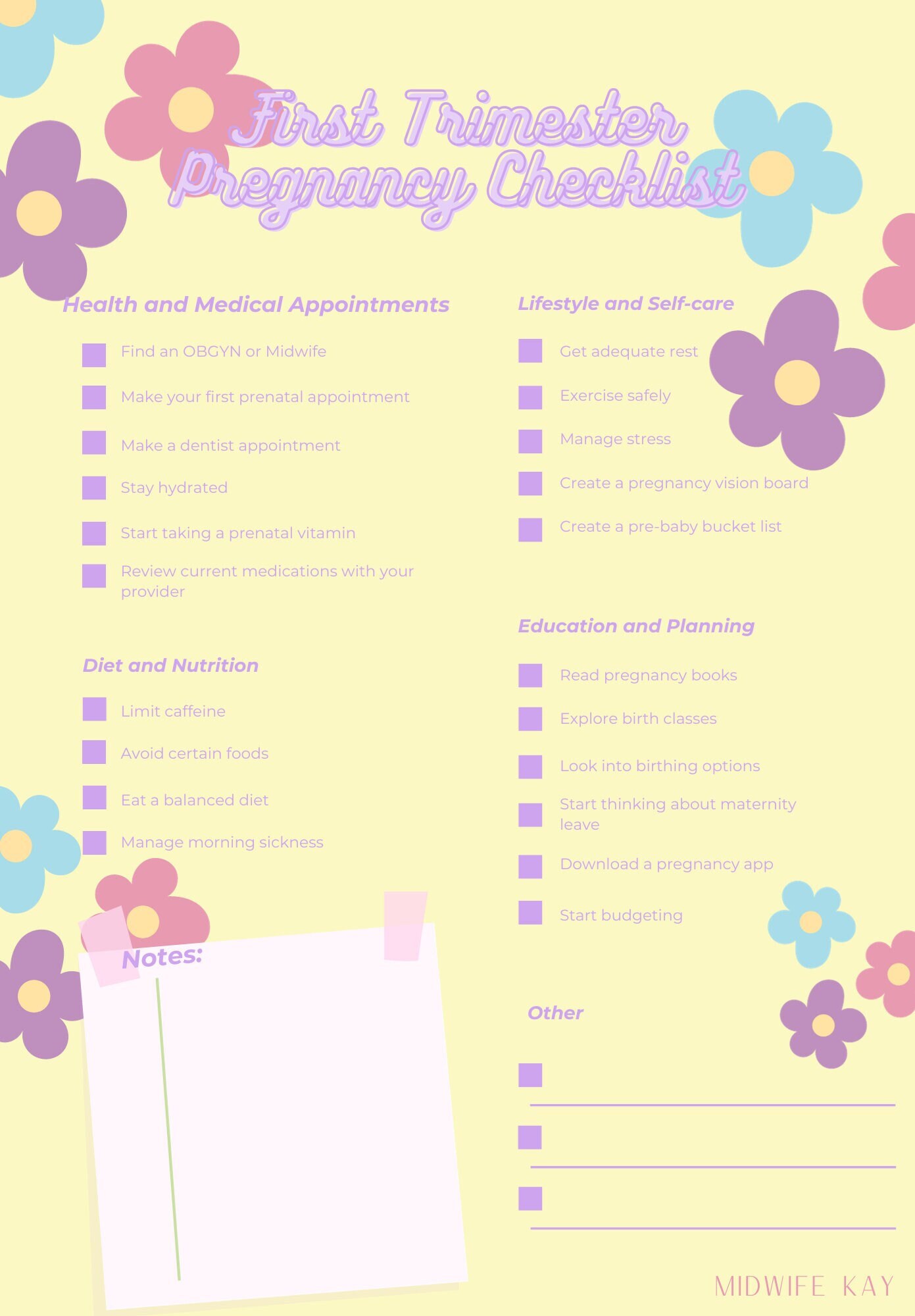
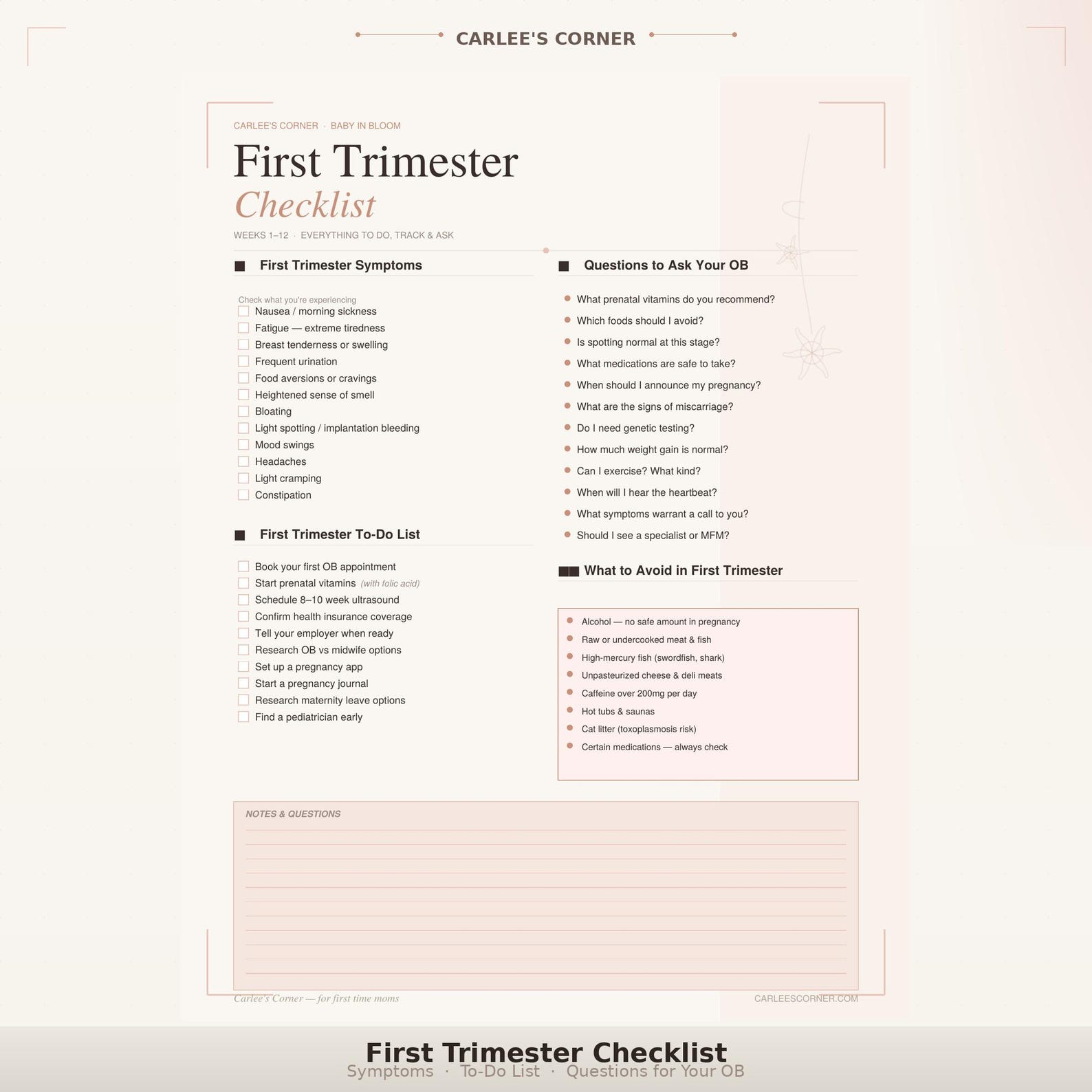
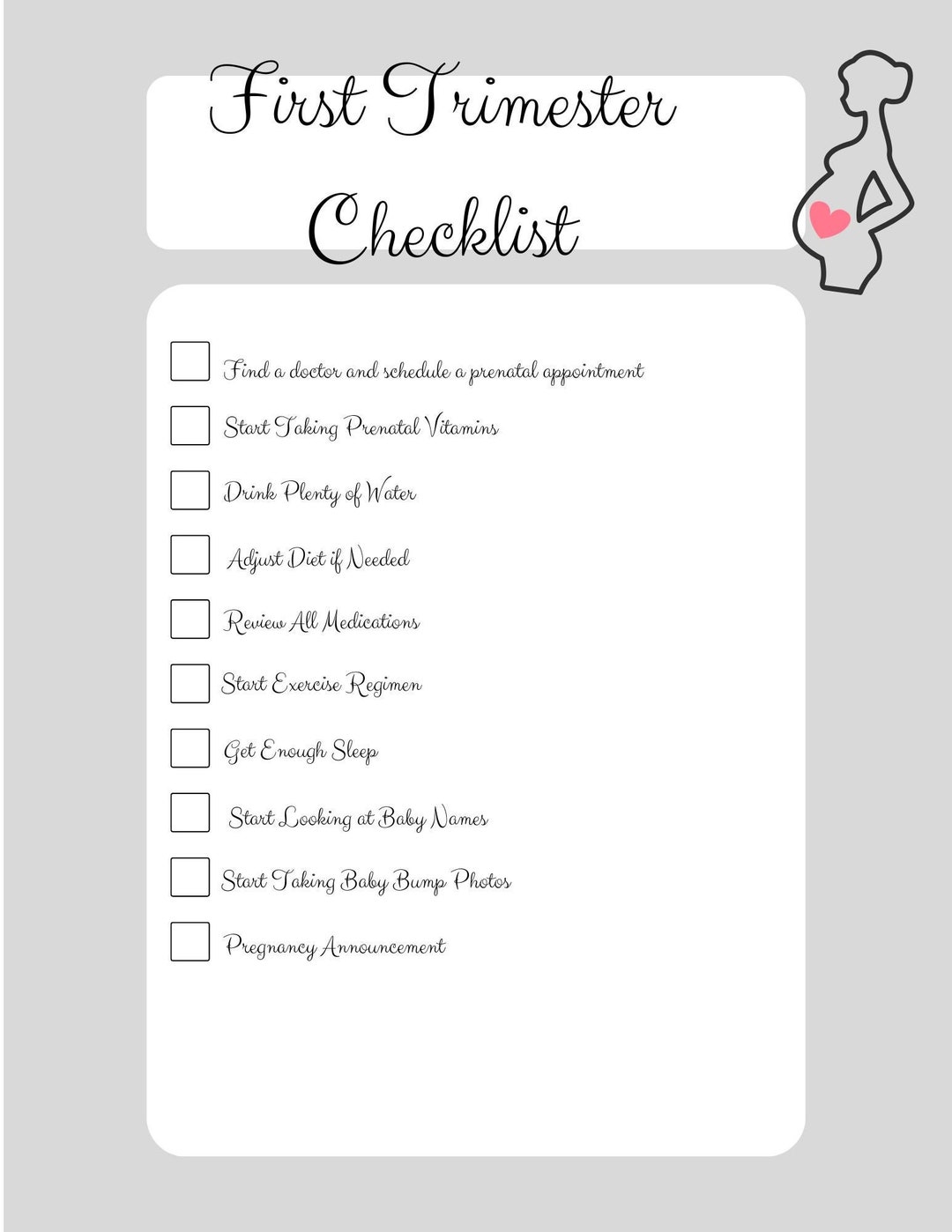
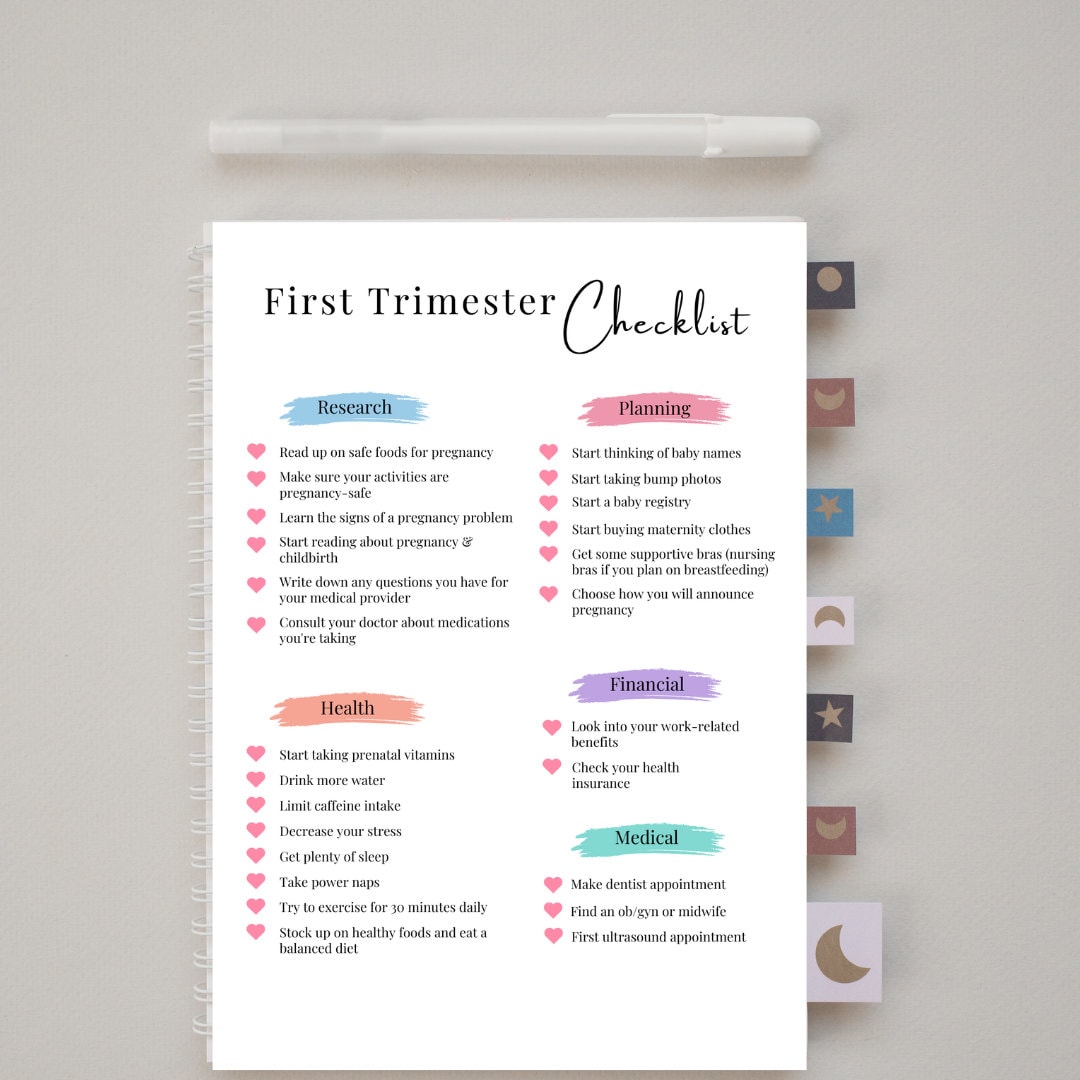
A comprehensive first trimester checklist includes scheduling your initial prenatal appointment, starting a high-quality prenatal vitamin with folic acid, and making immediate lifestyle adjustments like eliminating alcohol and high-mercury fish. You should also verify insurance coverage, evaluate workplace safety, and plan for essential genetic screenings between weeks 8 and 12.
Contents
The first trimester, which spans from week 1 to the end of week 13, is a period of rapid development for the embryo and significant physiological change for the pregnant person. Because the foundational structures of the baby’s organs and limbs are formed during these early weeks, the actions you take immediately after a positive pregnancy test are critical. This guide outlines the medical, nutritional, and logistical steps necessary to navigate this transition effectively.
Note: This information is for educational purposes and does not replace professional medical advice. Always consult with a healthcare provider regarding your specific health needs.
Establishing Medical Care and Screenings
The most vital step in any first trimester checklist is establishing a relationship with a healthcare provider. While many people wait until they are 8 to 10 weeks pregnant for their first formal "intake" appointment, the process of selection should begin the moment pregnancy is confirmed.
Choosing Your Provider
In 2026, expectant parents have various options for prenatal care. You must decide between an Obstetrician-Gynecologist (OB/GYN), who is a medical doctor specializing in pregnancy and surgery, or a Certified Nurse-Midwife (CNM), who provides a more holistic, low-intervention approach for low-risk pregnancies. When choosing, consider the hospital or birthing center where the provider has privileges, as this is where you will eventually deliver.
The First Prenatal Appointment
Your initial visit is typically the longest. During this appointment, your provider will:
- Confirm the pregnancy: Usually through a urine or blood test and potentially a dating ultrasound.
- Review medical history: Including past pregnancies, surgeries, and chronic conditions like diabetes or hypertension.
- Perform a physical exam: This often includes a Pap smear, pelvic exam, and breast exam.
- Order blood work: To check your blood type, Rh factor, iron levels (to rule out anemia), and immunity to diseases like rubella and varicella.
Genetic Screenings and Early Testing
Early testing allows parents to assess the risk of chromosomal abnormalities. By 2026, Non-Invasive Prenatal Testing (NIPT) has become a standard offering as early as week 10. This blood test analyzes cell-free DNA from the placenta in the mother's blood to screen for Down syndrome, Trisomy 18, and Trisomy 13.
| Test Name | Timing | Purpose | Method |
|---|---|---|---|
| Dating Ultrasound | Weeks 7–9 | Confirms heart rate and calculates Due Date (EDD). | Transvaginal or Abdominal Ultrasound |
| NIPT (Cell-free DNA) | Week 10+ | Screens for chromosomal abnormalities and fetal sex. | Maternal Blood Draw |
| Nuchal Translucency (NT) | Weeks 11–13 | Measures fluid at the back of the baby's neck for risk assessment. | Specialized Ultrasound |
| CVS (Chorionic Villus Sampling) | Weeks 10–13 | Diagnostic test for genetic disorders (used if screening is positive). | Placental Tissue Biopsy |
Nutritional and Supplemental Requirements
Nutrition in the first trimester focuses less on "eating for two" (calorie needs don't significantly increase until the second trimester) and more on specific micronutrients required for fetal organogenesis.
The Role of Folic Acid and Prenatal Vitamins
The Centers for Disease Control and Prevention (CDC) recommends that all pregnant individuals consume 400 to 800 micrograms (mcg) of folic acid daily. Folic acid is essential for preventing neural tube defects (NTDs), such as spina bifida, which occur in the very early stages of development.
A high-quality prenatal vitamin should also include:
- Iron (27mg): Supports the increased blood volume required to supply the placenta.
- Calcium (1,000mg): Essential for the baby's bone and tooth development.
- DHA (Omega-3): Critical for fetal brain and eye development. If your vitamin doesn't include it, a separate supplement may be necessary.
- Iodine: Supports thyroid function and brain development.
Dietary Adjustments and Safety
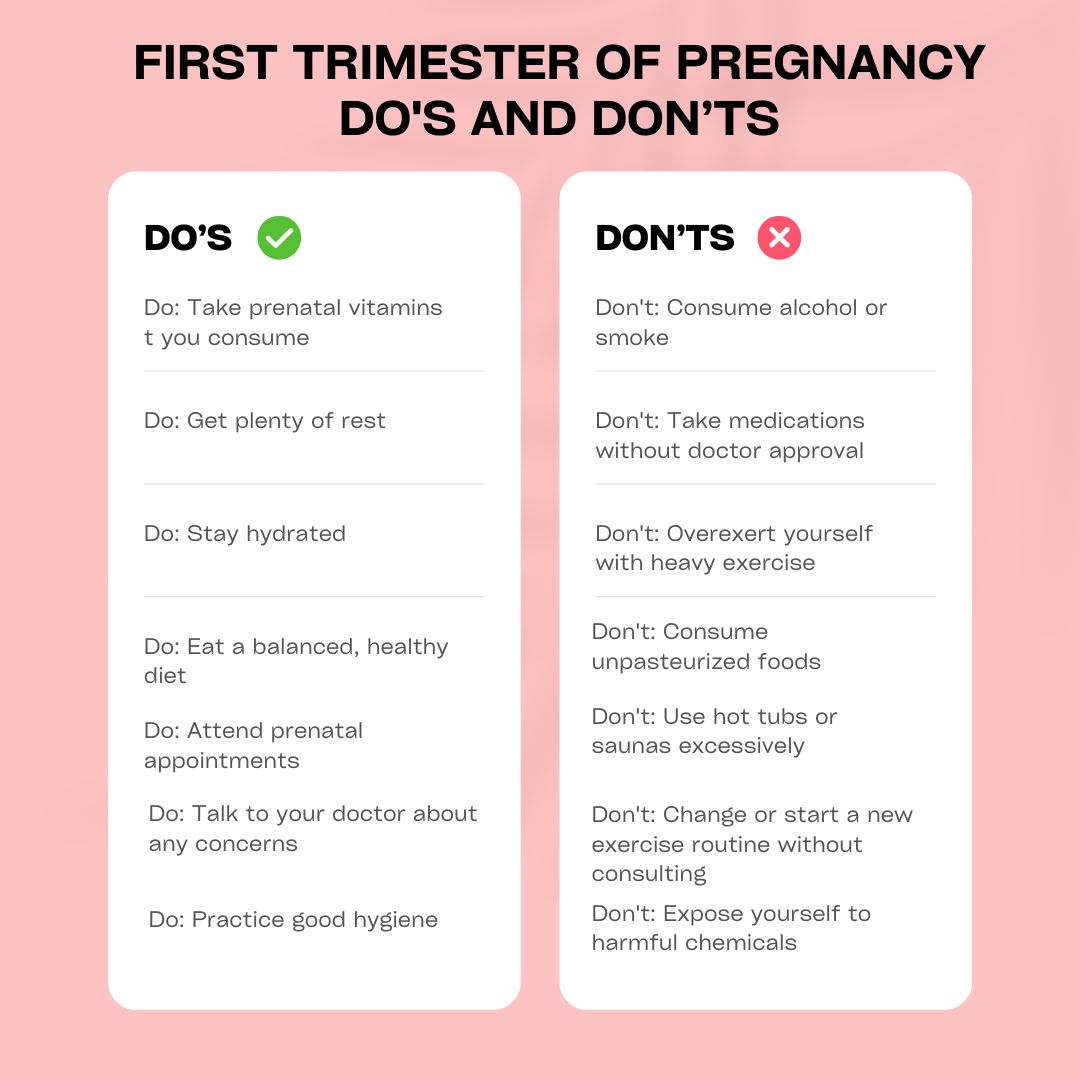
Food safety becomes a primary concern due to the risk of foodborne illnesses like Listeria or Toxoplasmosis, which can cross the placenta. Your checklist should include removing the following from your diet:
- Raw or undercooked meats/seafood: This includes sushi, rare steaks, and raw oysters.
- Unpasteurized dairy: Soft cheeses like brie or feta unless they are explicitly labeled as made with pasteurized milk.
- High-mercury fish: Avoid shark, swordfish, king mackerel, and tilefish. Limit albacore tuna to six ounces per week.
- Excessive Caffeine: The American College of Obstetricians and Gynecologists (ACOG) suggests limiting caffeine intake to under 200mg per day (roughly one 12-ounce cup of coffee).
Managing First Trimester Symptoms
The first trimester is often characterized by significant physical discomfort as the body adjusts to a surge in hormones like human chorionic gonadotropin (hCG) and progesterone.
Nausea and Vomiting (Morning Sickness)
Despite the name, morning sickness can occur at any time. To manage this, keep dry crackers by your bed to eat before getting up, and opt for small, frequent meals throughout the day. Ginger and Vitamin B6 are frequently recommended as first-line natural remedies. If you are unable to keep any liquids down for 24 hours, contact your doctor to rule out Hyperemesis Gravidarum, a severe form of pregnancy depletion.
Fatigue and Sleep
The "first trimester exhaustion" is profound because the body is building the placenta—a brand-new organ. Prioritize sleep and do not feel guilty about napping. Ensure your environment is cool and dark to help combat the slight rise in basal body temperature that occurs during early pregnancy.
Emotional and Mental Health
Mood swings are common due to hormonal shifts and the psychological weight of a major life change. However, if you experience persistent feelings of hopelessness or anxiety, discuss perinatal depression with your provider. Early intervention is key to maintaining maternal health throughout the 40-week journey.
Lifestyle and Environmental Hazards
Your environment can impact fetal development. Review your daily routines for potential risks.
- Workplace Safety: If your job involves heavy lifting, exposure to chemicals (like lead or mercury), or radiation, you must discuss accommodations with your employer early.
- Household Hazards: Avoid changing cat litter to prevent toxoplasmosis, a parasitic infection. Wear gloves when gardening and avoid harsh chemical solvents or pesticides.
- Exercise: Most clinicians recommend continuing your pre-pregnancy exercise routine with slight modifications. Avoid contact sports or activities with a high risk of falling. Aim for moderate intensity where you can still hold a conversation while moving.
- Heat Exposure: Avoid hot tubs, saunas, or "hot yoga." Raising your core body temperature above 102.2°F (39°C) during the first trimester has been linked to an increased risk of birth defects.
Financial and Administrative Planning
While the baby is months away, the administrative "heavy lifting" should begin in the first trimester to avoid stress later.
Insurance Verification
Contact your health insurance provider to understand your "maternity bundle." Ask about your deductible, out-of-pocket maximums, and what specific screenings (like NIPT) are covered. If you are in the United States, verify that your chosen hospital and provider are in-network to avoid surprise billing.
Budgeting for the "Big Items"
Start a dedicated savings account for pregnancy and baby-related expenses. The first trimester is the ideal time to research the costs of childcare in your area, as many high-quality facilities in 2026 have waitlists exceeding 12 months.
Workplace Notification Policy
Check your employee handbook for policies regarding Paid Family Leave (PFL) or the Family and Medical Leave Act (FMLA). You are not legally required to disclose your pregnancy early, but if you require accommodations for morning sickness or frequent doctor visits, an early conversation with HR may be beneficial.
Frequently Asked Questions
When should I tell my employer I am pregnant?
There is no legal requirement to disclose your pregnancy until you are ready, usually around the end of the first trimester (12–14 weeks). However, if your job involves hazardous conditions or if you are suffering from severe morning sickness that impacts your performance, you may choose to disclose earlier to secure legal protections under the Pregnant Workers Fairness Act.
Is it normal to have spotting in the first trimester?
Light spotting, often called "implantation bleeding," can occur in early pregnancy. However, any bleeding that is heavy enough to soak a pad or is accompanied by severe cramping should be reported to your doctor immediately to rule out a miscarriage or an ectopic pregnancy (a pregnancy occurring outside the uterus).
Can I continue to dye my hair or get manicures?
Current medical consensus suggests that hair dye is safe during pregnancy because very little chemical is absorbed through the skin. For manicures, ensure the salon is well-ventilated to avoid inhaling fumes from polishes and removers. Many people choose to wait until the second trimester for these treatments as a precautionary measure during the peak of organ development.
How much weight should I gain in the first trimester?
For a person with a "normal" pre-pregnancy BMI, the recommended weight gain in the first trimester is only 1 to 5 pounds. Some people actually lose weight due to nausea and food aversions. As long as you stay hydrated and your doctor confirms the baby is growing, a lack of weight gain in these early weeks is generally not a cause for alarm.
Are dental X-rays safe while pregnant?
Yes, dental X-rays are considered safe during pregnancy as long as a leaded apron and thyroid collar are used to shield the abdomen and neck. Maintaining oral health is crucial, as pregnancy hormones can increase the risk of gingivitis, which has been linked to preterm birth in some studies.
Recommended Next Steps
As you close out your first trimester checklist, your immediate next action should be to organize your medical records. Create a physical or digital folder to store ultrasound photos, blood work results, and insurance explanations of benefits. By week 12, start a list of questions for your second-trimester appointments, as this is when you will likely discuss more detailed anatomy scans and glucose tolerance testing. Staying organized now will significantly reduce the "mental load" as your pregnancy progresses into the more physically demanding later stages.
Image Gallery