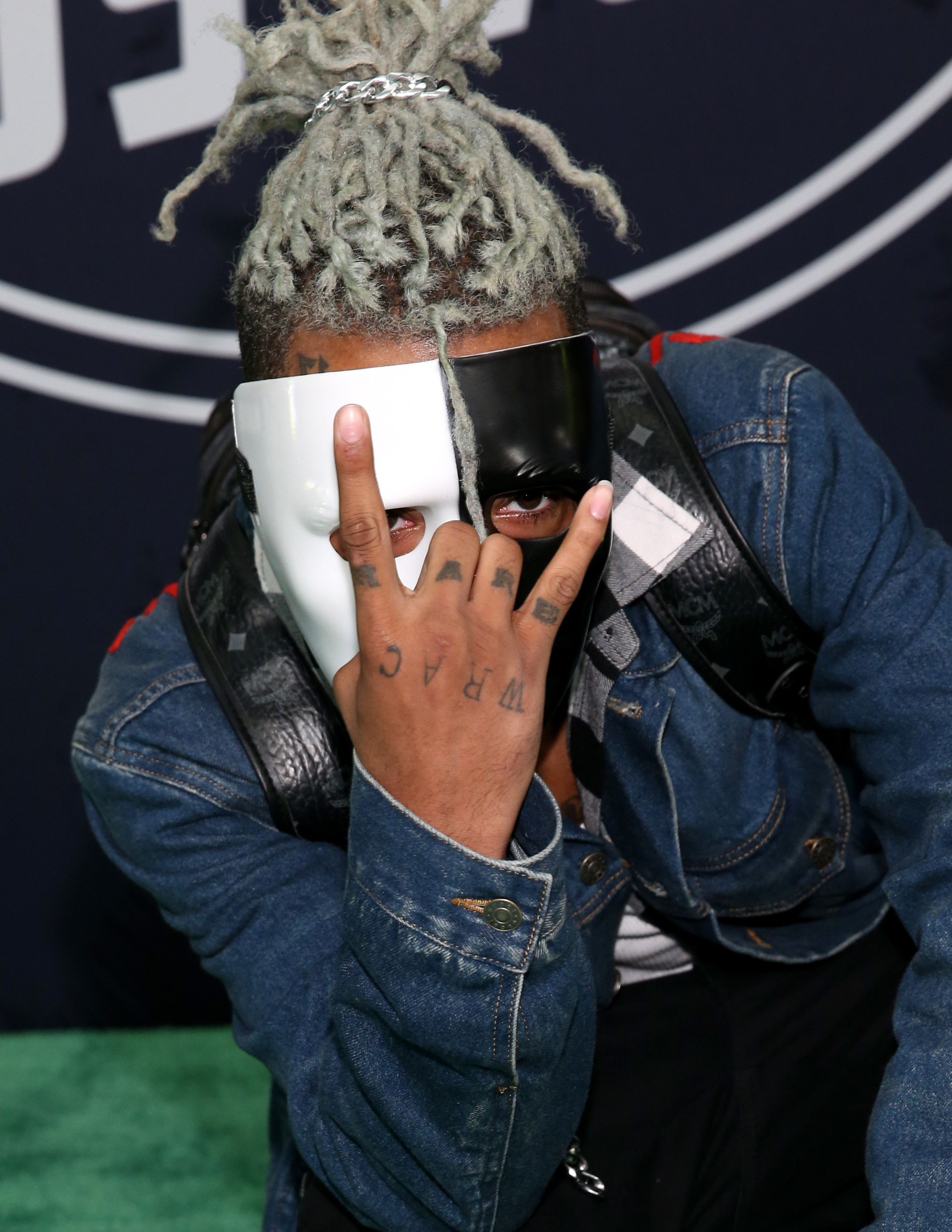
XXXTentacion’s Influence on Contemporary Music
XXXTentacion fundamentally reshaped contemporary music by pioneering the SoundCloud rap movement and blending aggressive distortion with raw, emo-inspired vulnerability. His genre-fluid approach—incorporating indie rock, lo-fi, and hea...
XXXTentacion fundamentally reshaped contemporary music by pioneering the SoundCloud rap movement and blending aggressive distortion with raw, emo-inspired vulnerability. His genre-fluid approach—incorporating indie rock, lo-fi, and heavy metal—unlocked a new path for artists to express mental health struggles, fundamentally altering the sonic landscape of modern hip-hop and alternative pop in the 21st century.
Contents
The Architect of the SoundCloud Rap Explosion
The emergence of XXXTentacion (Jahseh Onfroy) coincided with a pivotal shift in how music was consumed and distributed. By 2016, SoundCloud had become a digital breeding ground for a new generation of artists who operated outside the traditional label system. XXXTentacion was the movement’s most polarizing and influential figure, utilizing the platform to bypass industry gatekeepers and connect directly with a disillusioned youth audience.
His breakout hit, "Look At Me!", served as a technical blueprint for the "SoundCloud sound." The track utilized extreme audio distortion, particularly in the 808 bass lines, which intentionally clipped the audio signal to create a raw, visceral energy. This DIY aesthetic rejected the polished production values of mainstream radio, prioritizing emotion and intensity over technical perfection. By 2026, this "lo-fi" and "distorted" production style has become a standard tool in the arsenal of bedroom producers and professional engineers alike, proving that technical "flaws" can be leveraged as intentional artistic choices.
The democratization of music production and distribution that Onfroy championed paved the way for the "streaming first" era. He demonstrated that a massive, dedicated fanbase could be built through raw authenticity and consistent digital presence, a model that continues to dominate the music industry today.
Genre Fluidity and the Death of Labels
One of XXXTentacion’s most lasting contributions is the normalization of radical genre-blending. Before his rise, hip-hop, rock, and R&B were often siloed into distinct categories with limited crossover. Onfroy’s discography, particularly his studio albums 17 and ?, shattered these boundaries.
- 17 (2017): This project focused heavily on acoustic guitar, piano, and indie-folk influences. It was less a "rap" album and more a collection of personal confessions. Its success proved that hip-hop audiences were hungry for alternative sounds.
- ? (2018): This album displayed a chaotic variety of styles, ranging from the Latin-pop vibes of "i don't even speak spanish lol" to the nu-metal aggression of "Floor 555" and the boom-bap nostalgia of "Infinity (888)."
This versatility signaled to the industry that the modern listener does not consume music by genre, but by mood and aesthetic. This shift is evident in the work of subsequent superstars like Billie Eilish, who has cited Onfroy as a significant influence on her approach to genre-less songwriting. The ability to transition seamlessly between a melodic ballad and a high-energy trap anthem is now a prerequisite for many contemporary artists.
Normalizing Vulnerability and Mental Health Discourse
Perhaps the most profound impact XXXTentacion had on contemporary music was his role in destigmatizing mental health issues within the hip-hop community. Historically, mainstream rap often prioritized themes of bravado, wealth, and physical toughness. Onfroy, conversely, made depression, anxiety, and suicidal ideation the central themes of his work.
Songs like "Jocelyn Flores" and "SAD!" provided a soundtrack for a generation grappling with an unprecedented mental health crisis. By openly discussing his internal struggles, Onfroy created a parasocial bond with his audience that was rooted in shared pain rather than aspirational luxury. This "emo-rap" subgenre—characterized by melancholic melodies and introspective lyrics—found further mainstream success through artists like Juice WRLD and Lil Peep.
In 2026, the legacy of this openness is visible across all genres. The "sad boy" or "sad girl" aesthetic in music has transitioned from a niche subculture to a dominant commercial force. Artists are now expected to be emotionally transparent, a standard that XXXTentacion helped establish through his raw and often uncomfortable honesty.
Technical Innovations in Song Structure
XXXTentacion was also a pioneer of the "short-form" song structure that has become dominant in the streaming era. Many of his most popular tracks are less than two and a half minutes long, often lacking traditional verse-chorus-verse arrangements.
| Song Title | Duration | Primary Genre | Key Technical Element |
|---|---|---|---|
| "Look At Me!" | 2:06 | Trap / Punk | Heavily distorted 808 bass |
| "Jocelyn Flores" | 1:59 | Lo-fi Hip-Hop | Vocal sampling and minimal percussion |
| "SAD!" | 2:46 | Emo Rap / Pop | Melodic hook-driven structure |
| "Revenge" | 2:00 | Indie Rock | Acoustic guitar and vocal layering |
| "Hope" | 1:50 | Melodic Trap | Atmospheric pads and vocal filters |
This brevity was initially a byproduct of the DIY SoundCloud culture, where artists would record and upload ideas quickly. However, it inadvertently optimized his music for the nascent algorithms of streaming platforms and social media. In an era of shrinking attention spans and the rise of short-form video content like TikTok, Onfroy’s condensed songwriting style proved to be prophetic. His ability to deliver a complete emotional arc in under 120 seconds set a precedent for the "viral" hits that define the 2020s.
The Technical Legacy: Lo-Fi and Distorted Production
From a technical standpoint, Onfroy’s collaboration with producers like Ronny J and John Cunningham introduced a specific sonic texture to the mainstream. The "Ronny J sound"—characterized by aggressive, blown-out percussion—influenced a decade of trap production.
Furthermore, the "lo-fi" aesthetic popularized by tracks like "Everybody Dies in Their Nightmares" brought a specific type of nostalgia into modern production. This included:
- Bitcrushing and Downsampling: Reducing the quality of digital audio to mimic old hardware.
- Tape Saturation: Adding warmth and slight pitch instability to mimic analog recordings.
- Found Sound: Incorporating ambient noise, such as rain or distant conversations, to enhance the "bedroom" feel.
These techniques, once reserved for experimental underground music, are now foundational in "study beats," alternative R&B, and mainstream pop. According to Billboard, XXXTentacion’s influence on production trends remains a frequently cited factor in the success of posthumous artists and new entrants in the 2020s.
The "X" Archetype: Impact on Successor Artists
The "X" archetype is a term used by music critics to describe artists who mirror Onfroy’s combination of high-energy aggression and low-energy melancholy. His influence is most directly seen in the careers of:
- Juice WRLD: Who channeled Onfroy’s melodic sensibilities and transparency regarding substance abuse and mental health.
- The Kid LAROI: Who utilized the genre-blending and melodic rap style to achieve global pop stardom.
- Trippie Redd: A contemporary who shared the SoundCloud stage and continued to push the boundaries of "rock-rap" fusion.
By 2026, the "post-X" landscape is one where the distinction between "rapper" and "singer" has almost entirely evaporated. The blueprint he left behind—vulnerable lyrics over genre-fluid production—has become the standard curriculum for aspiring artists entering the music industry.
Frequently Asked Questions
How did XXXTentacion change the sound of modern rap?
He introduced a high-intensity, distorted production style while simultaneously popularizing "emo-rap." This dual-threat approach allowed rap to move between mosh-pit aggression and bedroom-pop introspection, breaking the traditional "tough" image of the genre.
What is his most influential album?
While 17 was groundbreaking for its emotional depth, many critics point to ? as his most influential work due to its extreme genre diversity. It proved that a single artist could successfully navigate hip-hop, rock, Latin, and pop within a single project.
Why is his music still relevant in 2026?
His music remains relevant because it addresses universal themes of isolation and mental health, which continue to resonate with young audiences. Additionally, his short-form, hook-heavy songwriting is perfectly suited for the current streaming and social media landscape.
What technical production techniques did he popularize?
He was a key figure in popularizing the "distorted 808" and "lo-fi" aesthetic. This involves intentionally clipping audio signals for a raw sound and using minimal, atmospheric production that mimics the feel of a home recording rather than a professional studio.
Did he influence artists outside of hip-hop?
Yes, his influence extends to alternative pop, indie rock, and even heavy metal. Artists like Billie Eilish have publicly acknowledged his impact, and the general trend toward genre-fluidity in pop music owes a significant debt to his early experiments.
Summary of Impact and Future Outlook
As we look back from 2026, XXXTentacion’s legacy is not just one of music, but of a fundamental shift in the relationship between artist and audience. He proved that vulnerability is a strength and that technical "perfection" is secondary to emotional resonance. His career, though brief, acted as a catalyst for the total disruption of the music industry’s traditional genre and distribution models.
For aspiring artists and producers, the primary takeaway from Onfroy’s influence is the importance of authenticity and the courage to experiment across genres. To understand the current state of music, one must analyze the raw, distorted, and deeply personal path that XXXTentacion carved out in the late 2010s.
Image Gallery