Evaluating Princess Polly: A Comprehensive Guide to Garment Quality and Construction
Determining whether Princess Polly has good quality requires looking beyond branding and analyzing specific material compositions, garment construction techniques, and long-term durability. While the brand is recognized for its trend-d...
Determining whether Princess Polly has good quality requires looking beyond branding and analyzing specific material compositions, garment construction techniques, and long-term durability. While the brand is recognized for its trend-driven aesthetic, the quality of its apparel typically occupies a mid-range position, balancing accessible price points with synthetic-heavy fabric blends that prioritize style and silhouette over long-term heirloom longevity.
Contents
Understanding the Princess Polly Business Model
To assess quality accurately, it is essential to first identify the company’s market positioning. Princess Polly is an online-first retailer that specializes in "fast-fashion" cycles. This means their supply chain is optimized for speed—moving designs from conceptualization to the digital storefront in a short timeframe to capitalize on shifting trends.
In the 2026 fashion market, this model necessitates the use of mass-production techniques. Unlike high-end luxury labels that prioritize premium natural fibers and intricate tailoring, the primary goal for Princess Polly is to provide affordable, trend-conscious pieces. Consumers often find that the "quality" of a specific item is highly dependent on the chosen fabric blend. Heavier, structured pieces like denim or faux-leather jackets often perform differently than delicate, lightweight rayon or polyester dresses.
Material Analysis: What You Are Buying
The most significant factor in garment quality is the textile composition. Princess Polly heavily utilizes synthetic and semi-synthetic materials, which are standard in the contemporary retail landscape for their cost-effectiveness and ease of maintenance.
- Polyester and Elastane Blends: These are the most common materials found in their catalog. They are used primarily for their ability to hold color and resist wrinkling. While durable in terms of wear, these fabrics can lack breathability compared to organic cotton or linen.
- Viscose and Rayon: Often used for flowy, summer-oriented garments. These materials provide a high-end feel and excellent drape but require more careful handling, such as cold-water washing or air-drying, to prevent shrinkage or fiber degradation.
- Denim and Cotton: Princess Polly’s denim line usually features a mix of cotton and small percentages of elastane. This balance is intended to provide a "sculpting" fit, but users should note that high-elastane denim is more prone to losing its shape after repeated wash cycles compared to 100% heavy-weight cotton denim.
Construction Techniques and Durability
Quality is not just about the fabric; it is about how that fabric is held together. If you are examining a garment for quality, consider the following technical indicators found in Princess Polly’s production:
- Seam Integrity: Most items feature standard overlocked seams. While sufficient for daily wear, they may not offer the reinforcement found in workwear or premium basics. Check the stress points—like underarms and pockets—upon receiving the item to ensure there is no immediate tension or fraying.
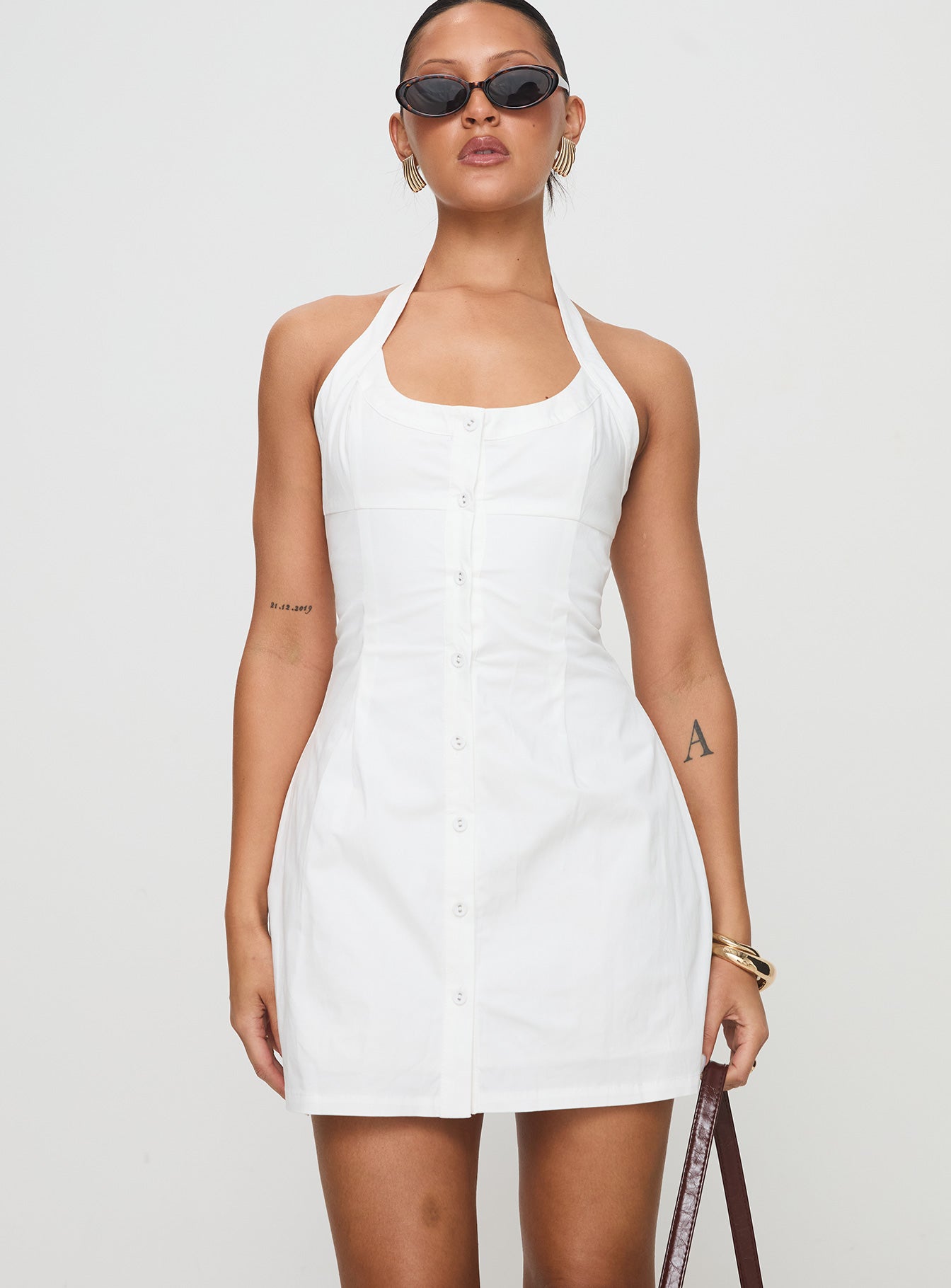
- Hardware: Buttons, zippers, and clasps vary by collection. In trend-focused lines, hardware may be decorative rather than functional or high-durability. If a garment relies on a zipper, it is advisable to test the mechanism gently to ensure it glides without snagging the surrounding fabric.
- Finishing: One common indicator of quality is the presence of stray threads (often called "thrums"). While these do not always indicate a structural defect, a high volume of loose threads upon unboxing is a sign of rapid production line speed rather than artisanal oversight.
Comparison of Garment Categories
Not all products at Princess Polly are manufactured to the same standard. The table below summarizes how different categories generally compare in terms of material composition and expected longevity.
| Category | Typical Material | Durability Expectation | Care Requirement |
|---|---|---|---|
| Denim/Bottoms | Cotton/Elastane | High | Machine wash cold, hang dry |
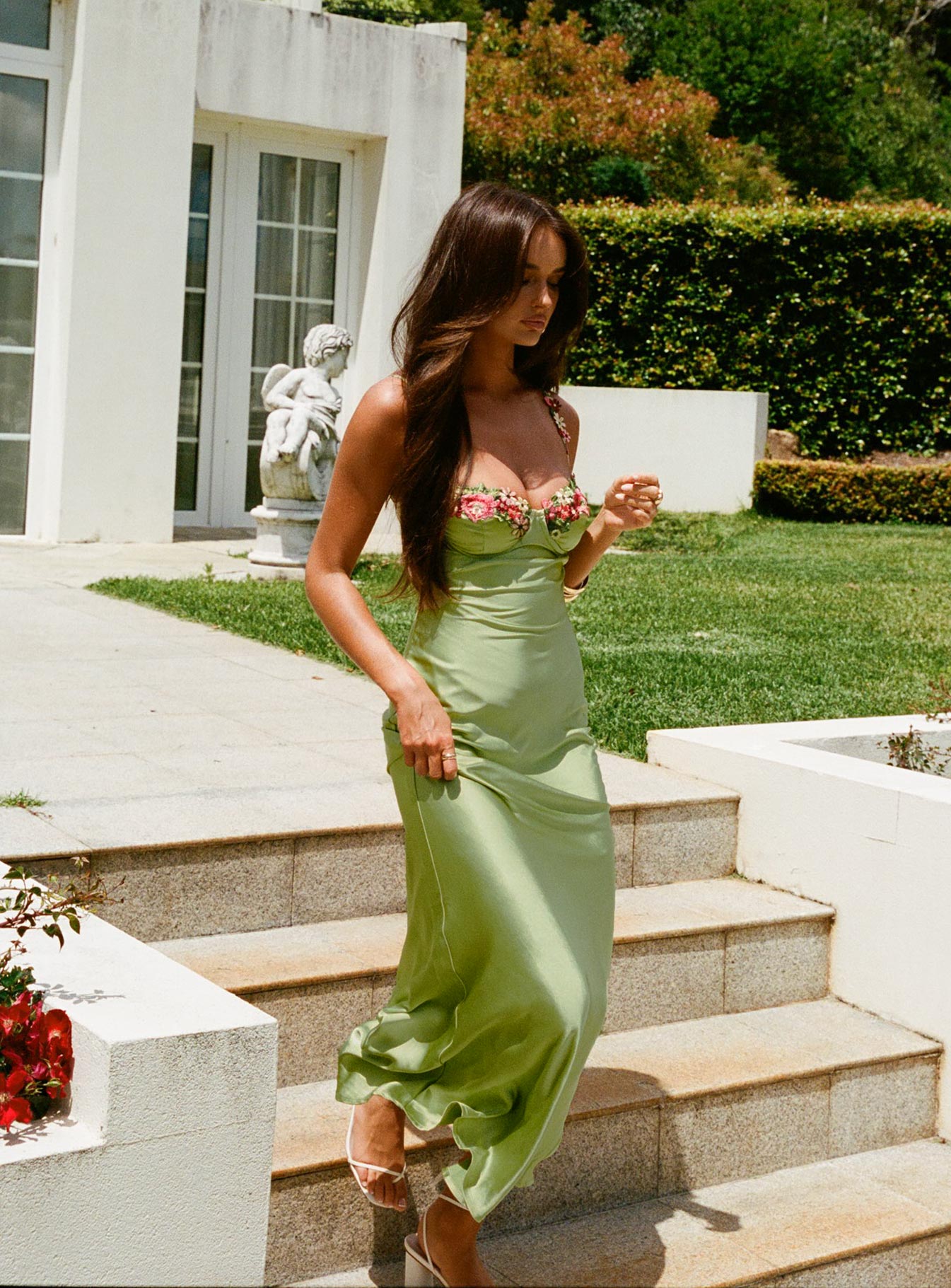
| Evening Wear | Polyester/Satin | Moderate | Hand wash or dry clean |
| Basics/Tees | Cotton/Poly Blend | Moderate | Machine wash |
| Outerwear | Faux Leather/PU | Moderate | Wipe clean, avoid heat |
Navigating Customer Expectations
A common source of frustration regarding quality often stems from a mismatch between expectations and reality. Because Princess Polly focuses on "occasion wear" and "trend pieces," the garments are often designed to be worn for a specific season or event. Consumers expecting items to last for five to ten years may find the quality lacking compared to heritage brands. However, those looking for versatile pieces to cycle through a modern wardrobe usually find that the garments meet the requirements of price-per-wear metrics.
Maintenance and Troubleshooting
To ensure your Princess Polly items maintain their appearance, follow these verified maintenance guidelines:
- Read the Care Label: This is the most crucial step. If a garment is listed as "Dry Clean Only," attempting home washing will almost certainly result in material damage or loss of shape.
- The "Wash Bag" Method: For delicate items, lace, or lightweight dresses, use a mesh laundry bag. This prevents the fabric from snagging on other items in the machine, such as zippers or metal buttons.
- Managing Faux Leather: Faux leather (often polyurethane) is prone to cracking if exposed to high heat or direct sunlight. Store these items in a cool, dry place and avoid using harsh chemical cleaners.
Frequently Asked Questions
1. Does Princess Polly offer high-quality natural fibers? Generally, Princess Polly prioritizes blends. While you may find cotton-based items, high-end natural fibers like silk, cashmere, or heavy-weight linen are not the primary focus of their inventory. Most natural-fiber content is mixed with synthetics for durability and cost management.
2. Why do some items feel different in quality than others? Princess Polly sources from various manufacturers to produce their broad catalog. A pair of jeans, which requires structural integrity, will naturally feel more robust than a light, fashion-forward crop top. Always check the material composition tag on the product page before purchasing.
3. Is it normal for synthetic fabrics to pill? Yes, pilling is common in polyester and rayon blends after friction occurs. To minimize this, turn garments inside out before washing and avoid high-heat drying, which degrades the microfibers.
4. What should I do if a garment arrives with a defect? If a garment shows signs of poor construction—such as a broken seam or faulty zipper—upon arrival, document the issue with clear photos. Reach out to their customer support team promptly, as retailers typically have specific windows for reporting manufacturing defects.
5. Are the items worth the price? Value is subjective. If you are seeking trendy pieces at an accessible price point, the quality is generally aligned with the market standard for that segment. If you require long-term durability and investment-grade construction, you may want to look toward labels that specialize in premium textiles and slow-fashion production.
Final Recommendation for Shoppers
To make the most of your purchase, adopt a "material-first" approach. Before ordering, scroll to the "Details" or "Composition" section of the product page. If you are looking for long-lasting pieces, prioritize items with a higher percentage of natural fibers or structured blends. If you are purchasing for a specific event, focus on the fit and style, but plan to follow the specific care instructions provided to keep the item in good condition for the duration of its intended use.
Image Gallery