The Best Time to Visit Kauai: A Complete Seasonal and Regional Guide
Determining when to visit Kauai depends on your priorities, such as calm snorkeling waters, whale watching, minimal rainfall, or lower travel costs. For most travelers, the best overall time to visit Kauai is during the shoulder season...
Determining when to visit Kauai depends on your priorities, such as calm snorkeling waters, whale watching, minimal rainfall, or lower travel costs. For most travelers, the best overall time to visit Kauai is during the shoulder seasons of April to May and September to November, when the island experiences pleasant weather, moderate crowds, and reasonable accommodation rates.
Contents
Understanding Kauai’s Unique Microclimates
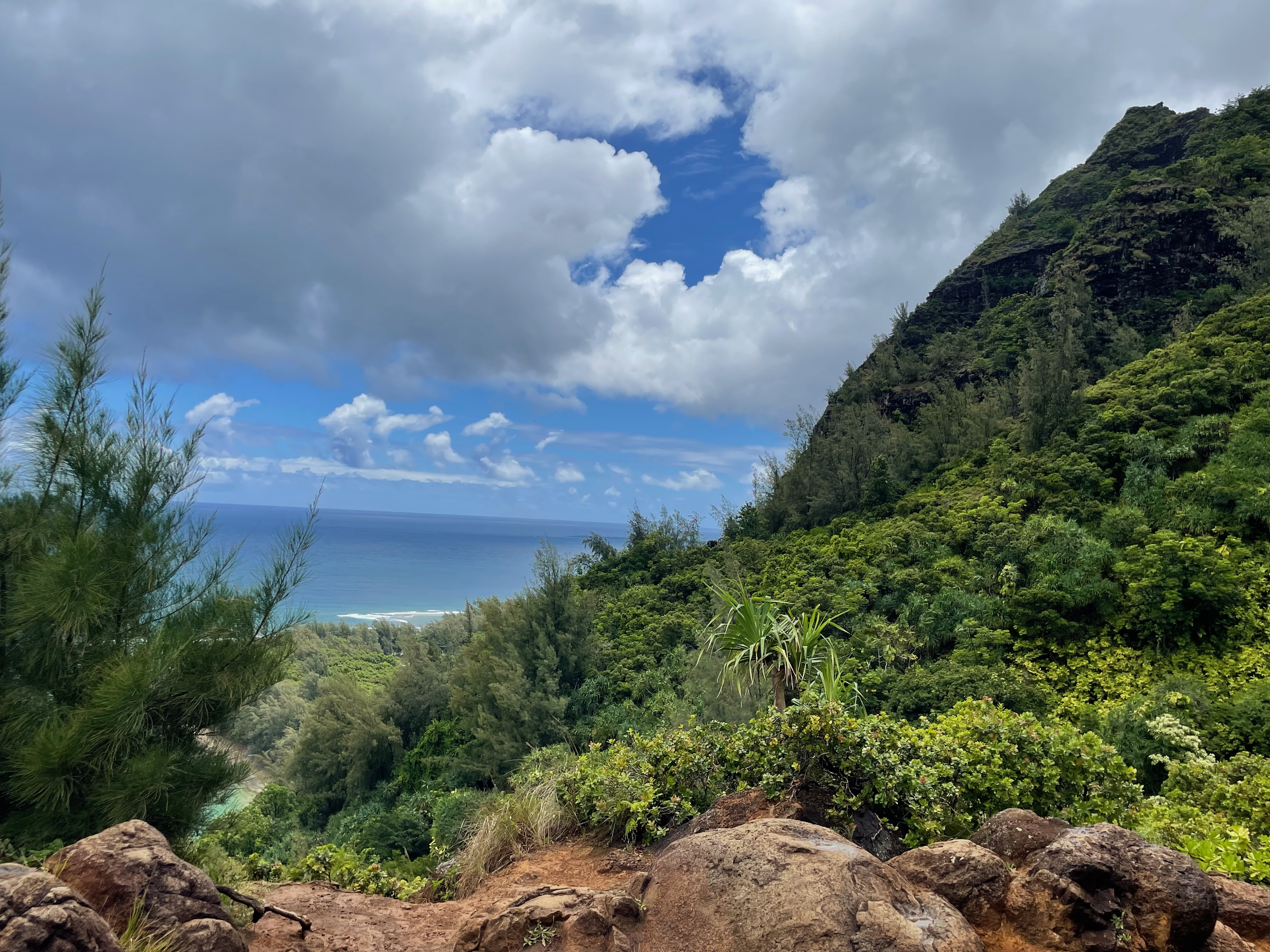
Kauai’s topography creates distinct regional microclimates across its 553 square miles. The island’s central high peak, Mount Waialeale, acts as a rain catcher for the prevailing northeast trade winds, making it one of the wettest spots on Earth with over 400 inches of annual precipitation. This windward-leeward dynamic directly dictates weather conditions across different shores:
- North Shore (Princeville, Hanalei, Haena): Lush, dramatic, and green. The North Shore receives significantly more rainfall, particularly from November through March. During winter, ocean swells bring massive wave activity, making ocean swimming dangerous. In summer, the water flattens out into calm, clear lagoons ideal for swimming and snorkeling.
- South Shore (Poipu, Koloa): Generally dry, sunny, and sheltered. The South Shore averages far less rain than the north. Summer brings moderate ocean swells to the south, while winter offers calm water conditions ideal for resort vacations.
- West Side (Waimea, Kekaha): Arid and sunny year-round. This region sits in the rain shadow of Kauai's central mountains and receives very little precipitation. It serves as the gateway to Waimea Canyon and Kokee State Park, though higher elevations in Kokee experience much cooler, cloudier conditions.
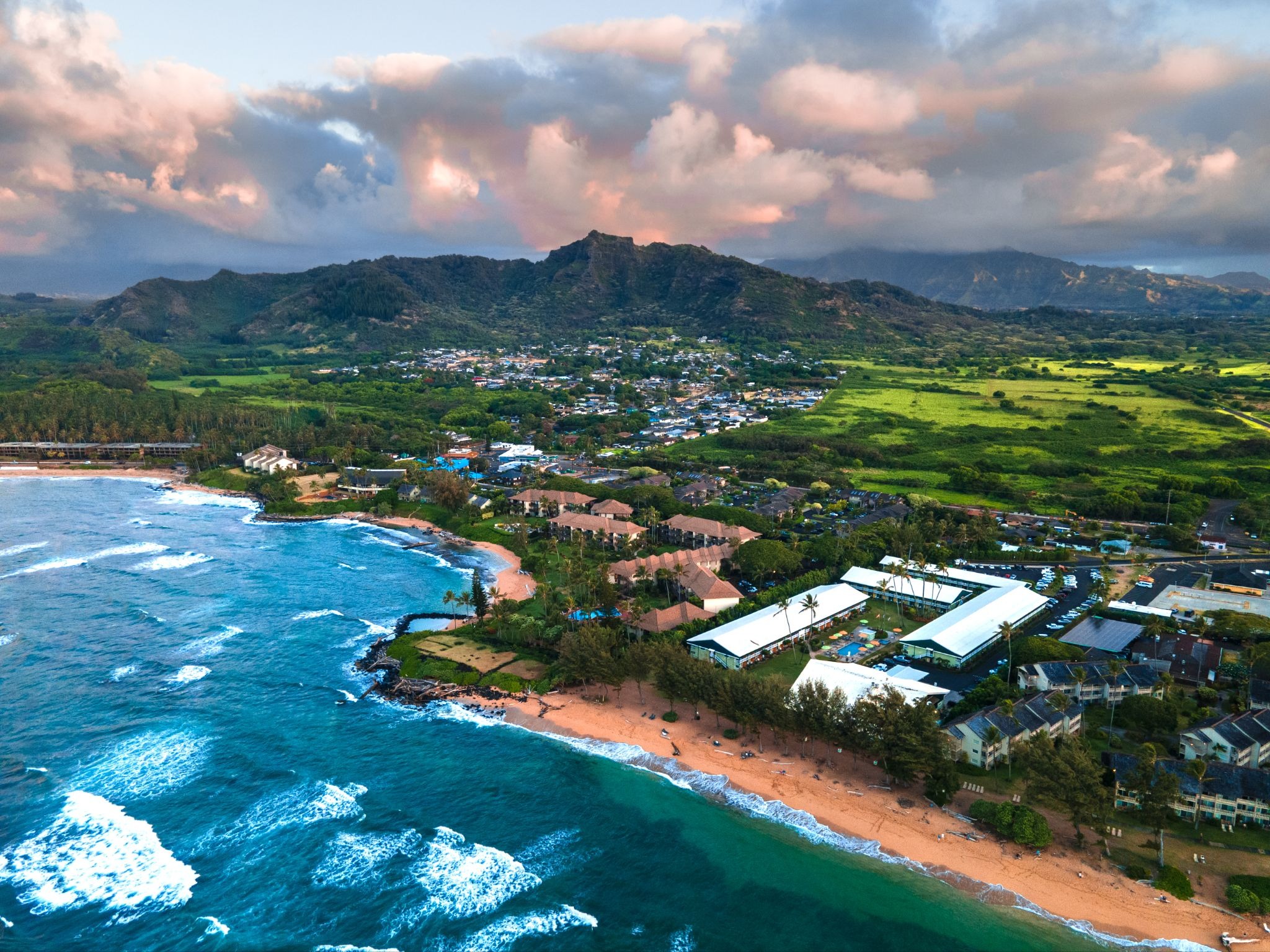
- East Side (Royal Coconut Coast: Kapaa, Lihue): Experiences moderate rainfall and consistent trade winds. It acts as a middle ground between the dry south and wet north, offering consistent weather patterns throughout the year.
Season-by-Season Breakdown for Traveling to Kauai
| Season | Feature 1 | Feature 2 | Feature 3 |
|---|---|---|---|
| Spring (Apr–May) | Mild Temps | Falling Prices | Balanced Weather |
| Summer (Jun–Aug) | Peak Sun | Calm North Sea | High Prices |
| Fall (Sep–Nov) | Warm Water | Lower Crowds | Trade Wind Shift |
| Winter (Dec–Mar) | Big Surf | Whale Watching | Peak Rain & Rates |
Spring (April to May): The Ideal Shoulder Season
Spring represents one of the most balanced times to explore Kauai. As the winter trade winds soften and rainy weather patterns fade, temperatures settle into a comfortable range between 70°F and 82°F.
Rainfall tapers off across the North Shore by late April, making trails like the Hanakapiai Falls route more accessible without extreme mud. Ocean swells begin to calm down, allowing access to northern beaches that were unswimmable just weeks prior. Travel demand dips between Easter/Spring Break and the early summer vacation rush, resulting in reasonable flight prices and easier hotel availability.
Summer (June to August): Peak Sun and Calm Ocean Waters
Summer brings the warmest weather, highest sunshine hours, and calmest ocean conditions across the entire island. Daytime temperatures frequently hover around 85°F, with light ocean trade winds providing natural cooling.
Summer is the premier season for ocean adventures on the North Shore. Hanalei Bay, Tunnels Beach, and Ke’e Beach transform into mirror-like basins, providing exceptional conditions for snorkeling, stand-up paddleboarding, and open-water swimming. Boat excursions along the Na Pali Coast run smoothly with minimal ocean swell. However, summer coincides with peak family vacation travel, leading to crowded beaches, busy hiking trails, high rental car prices, and peak lodging rates.
Fall (September to November): Warm Seas and Off-Peak Value
Fall offers a brief window of low crowds and warm ocean waters, which reach their annual peak temperature of approximately 80°F in September. Daytime air temperatures remain warm (80°F–84°F) while visitor numbers decline significantly after Labor Day.
September and October offer excellent value for travelers looking for lower accommodation rates and quieter state parks. By late October and November, rain patterns begin to shift back toward winter levels, and early winter swells start arriving on north-facing shores. Thanksgiving week experiences a brief surge in travel pricing and bookings before settling prior to the December holiday rush.
Winter (December to March): Humpback Whales, Big Surf, and Holiday Crowds
Winter on Kauai brings dramatic seasonal contrasts. Ocean swells originating in the North Pacific hit the island's northern beaches, generating waves ranging from 10 to 30 feet or higher. While these conditions draw professional surfers and spectator crowds to spots like Hanalei Pier and Haena, swimming on the North Shore is generally unsafe during this period.
Conversely, winter is the premier window for viewing thousands of migrating humpback whales (kohola) that travel to Hawaii’s warm waters to mate and give birth. Winter is also the wettest season on Kauai, particularly in northern and eastern regions. The period from mid-December through early January represents the absolute peak season for tourism, featuring maximum nightly hotel rates, fully booked rental car fleets, and crowded dining options.
When to Visit Kauai Based on Specific Travel Goals
| PRIORITY | RECOMMENDED WINDOW |
|---|---|
| Budget & Low Crowds | April–May, September–November |
| Snorkeling & Calm Seas | June–August |
| Whale Watching | January–March |
| Hiking & Dry Trails | May–September |
| Surfing (Spectator) | November–February |
Best Time for Budget Travelers
Travelers seeking to stretch their budget should target late September through mid-November (excluding Thanksgiving week) or mid-April through May (excluding Easter week). During these shoulder windows, resort rates can drop by 20% to 35% compared to peak winter or summer rates. Car rental availability expands, leading to competitive daily pricing, and airfares from major West Coast hubs often reach seasonal lows.
Best Time for Snorkeling, Diving, and Na Pali Boat Tours
If your primary goal involves ocean activities—particularly along the Na Pali Coast or northern reef systems like Tunnels Beach—plan your trip between June and August.
- North Shore Snorkeling: Only recommended in summer when north swells completely drop.
- Na Pali Boat Tours: Catamarans and zodiac tours run smoothly in summer with minimal sea sickness risks. In winter, tours operating out of northern harbors are relocated south to Eleele or Kekaha, or canceled entirely due to high surf.
- South Shore Snorkeling: Poipu Beach and Lawai Beach offer year-round snorkeling, though winter brings calmer water to south-facing bays than summer.
Best Time for Hiking and Outdoor Adventure
Hiking in Kauai—whether navigating the Kalalau Trail, Waimea Canyon, or the Sleeping Giant—requires planning around rainfall to avoid dangerous, muddy conditions.
The months of May through September offer the driest trails and stable footings. Rain-slicked clay along the Alakai Swamp Trail or the steep descents into Waimea Canyon can make hiking hazardous in the wet winter months. Hikers planning to explore high-elevation areas like Kokee State Park should pack layered clothing, as temperatures drop into the 50s°F during spring and fall mornings.
Best Time for Whale Watching
Thousands of North Pacific humpback whales migrate to the shallow waters surrounding Kauai each winter. While the season officially spans November through April, peak sighting opportunities occur between January and March. During these months, whales can frequently be spotted from shore at locations like Kilauea Point National Wildlife Refuge, Poipu Beach, and the Makahuena Point overlook, as well as on dedicated boat tours operating out of southern and western harbors.
Kauai Monthly Weather and Travel Comparison
The table below outlines average weather conditions, ocean dynamics, and relative costs across the calendar year on Kauai.
| Month | Avg High (°F) | Avg Low (°F) | Avg Rain (Inches) | North Shore Surf | South Shore Surf | Crowd Level | Best For |
|---|---|---|---|---|---|---|---|
| January | 78°F | 65°F | 4.5 in | Very High | Calm / Low | High | Whale Watching, Spectator Surfing |
| February | 78°F | 65°F | 3.8 in | High | Calm / Low | High | Whale Watching, Cool Hiking |
| March | 78°F | 66°F | 4.6 in | Moderate / High | Calm / Low | High | Whale Watching, Spring Break |
| April | 79°F | 67°F | 3.5 in | Moderate | Low | Moderate | Shoulder Savings, Hiking |
| May | 81°F | 69°F | 3.0 in | Low | Low / Moderate | Moderate | Waterfall Hiking, Clear Skies |
| June | 83°F | 72°F | 2.1 in | Very Calm | Moderate | High | Snorkeling, Na Pali Excursions |
| July | 84°F | 73°F | 2.4 in | Very Calm | Moderate / High | Very High | Beach Days, Family Travel |
| August | 85°F | 74°F | 2.0 in | Very Calm | Moderate | High | Warm Water Swimming, Boating |
| September | 85°F | 73°F | 2.3 in | Calm / Low | Low / Moderate | Low | Warmest Ocean Temps, Low Crowds |
| October | 83°F | 72°F | 3.7 in | Moderate | Low | Low | Fall Travel Value, Quiet Resorts |
| November | 80°F | 70°F | 4.8 in | High | Calm | Moderate | Early Whale Arrivals, Green Scenery |
| December | 78°F | 67°F | 5.2 in | Very High | Calm | Very High | Holiday Vacations, Whale Sighting |
Critical Logistics and Booking Timelines
Visiting Kauai requires managing permits and reservations well before your arrival date. Key state park access systems and logistical requirements include:
Haena State Park and Ke’e Beach Reservations
To access the far North Shore—including Ke’e Beach, the start of the Kalalau Trail, and Haena State Park—non-Hawaii residents must secure advance reservations.
- Reservation Window: Reservations open precisely 30 days in advance at 00:00 (midnight) Hawaii Standard Time via the official Division of State Parks portal.
- Pass Types: Visitors can purchase shuttle passes (which include park entry), entry-only passes, or parking-plus-entry vouchers. Parking passes regularly sell out within minutes of release.
Kalalau Trail Overnight Camping Permits
If your plan includes hiking beyond Hanakapiai Valley into the Kalalau Trail (an 11-mile overnight route to Kalalau Beach), you must hold a valid overnight camping permit issued by the Hawaii Department of Land and Natural Resources (DLNR). These permits open up to 90 days in advance and are mandatory regardless of whether you plan to sleep in a tent or complete the trek in a single continuous push.
Waimea Canyon and Kokee State Parks
While reservations are not required to enter Waimea Canyon State Park, non-resident visitors must pay for vehicle parking and individual walk-in entry at electronic pay stations located at major overlooks, including the Main Canyon Overlook and Pu’u O Kila Overlook.
Frequently Asked Questions
What is the rainiest month in Kauai?
December and March are historically the rainiest months on Kauai, each averaging between 4.5 and 5.2 inches of rainfall in low-elevation areas, with much higher totals falling in central mountainous regions. Rain showers during these months are often brief trade-wind showers, but prolonged cold fronts (Kona storms) can occasionally bring heavy rain lasting several consecutive days.
Is the North Shore or South Shore better in winter?
The South Shore (Poipu) is generally better for swimming, sunbathing, and dry weather in winter. The North Shore experiences large ocean swells that make swimming dangerous at most beaches, along with significantly higher rainfall. However, the North Shore in winter offers vibrant green landscapes, active waterfalls, and dramatic ocean views.
How far in advance should you book a trip to Kauai?
For peak travel periods (December 15 through January 15 and June through August), accommodations, car rentals, and major activities should be booked 6 to 9 months in advance. For shoulder seasons (April–May and September–November), booking 2 to 4 months in advance is generally sufficient to secure favorable rates and availability.
Can you swim on Kauai beaches year-round?
Yes, but the ideal location shifts by season. During the winter, south-facing beaches like Poipu Beach offer calm, swimmable water, while north-facing beaches like Hanalei Bay can be unsafe due to severe surf. In the summer, north-facing beaches become flat and tranquil, while south-facing beaches can occasionally experience moderate summer swells.
Is it worth visiting Kauai during the rainy season?
Yes. Kauai's rainy season (November through March) brings lush vegetation, active waterfalls, and excellent whale watching opportunities. Rain often falls in short, localized showers rather than island-wide washouts. Staying on the drier South Shore or West Side ensures easy access to sunshine even when northern regions experience cloud cover and precipitation.
Practical Next Steps for Planning Your Trip
- Select Your Base Location by Season: Book accommodation on the South Shore (Poipu/Koloa) if traveling between November and March to maximize sunny days and swimmable beaches. Reserve North Shore stays (Princeville/Hanalei) between May and September for easy access to calm ocean waters.
- Set Calendar Reminders for Permits: Mark the exact 30-day window prior to your target dates to secure Haena State Park shuttle/parking passes if planning to visit Ke’e Beach or the Kalalau Trailhead.
- Reserve a Rental Car Early: Kauai's public transportation is limited, and exploring major sights like Waimea Canyon, the Spouting Horn, and various trailheads requires a private vehicle.
- Monitor Ocean Safety Conditions: Before entering the water at any beach, check the daily reports from the Hawaii Beach Safety system and pay close attention to posted lifeguard warnings regarding ocean currents and shorebreaks.
Image Gallery