How Much Does My Truck Weigh in Practice? Real-World Weights Explained
In practice, a pickup truck typically weighs between 4,500 and 8,500 pounds when empty, but its operational weight on the road often ranges from 5,000 to over 11,000 pounds when fully loaded with fuel, passengers, cargo, and aftermarke...
In practice, a pickup truck typically weighs between 4,500 and 8,500 pounds when empty, but its operational weight on the road often ranges from 5,000 to over 11,000 pounds when fully loaded with fuel, passengers, cargo, and aftermarket accessories. Actual practical weight routinely exceeds the manufacturer’s base curb weight printed in sales brochures.
Contents
Understanding your truck's true practical weight is essential whether you are towing a camper, hauling construction supplies, or striving to remain compliant with state highway regulations.
Manufacturer Curb Weight vs. Practical Scale Weight
When auto manufacturers list a vehicle's weight in technical specifications, they publish the Curb Weight. By standard industry definitions set by organizations like the National Highway Traffic Safety Administration (NHTSA), curb weight represents the vehicle with all standard equipment, full engine fluids, and a full tank of fuel, but with zero passengers and zero cargo.
However, a truck rarely operates under laboratory curb weight conditions. In practice, the real-world scale weight (often referred to as the Gross Vehicle Weight or GVW at any given moment) differs significantly due to several variable factors:
- Option Packages: Base curb weights are usually calculated for entry-level trims. Higher trim levels featuring leather interiors, power sunroofs, four-wheel-drive (4WD) transfer cases, skid plates, and larger engine blocks can add 300 to 800 pounds over base model ratings.
- Aftermarket Additions: Bedliners, step bars, steel bumpers, winches, toolboxes, and tonneau covers systematically eat into your available margin before you ever load cargo.
- Occupants and Cargo: Driver, passengers, pet gear, tools, and luggage immediately increase practical scale weight.
- Tongue Weight: When towing, the downward force exerted by a trailer coupler onto your hitch ball transfers directly onto your truck’s rear axle, effectively becoming vehicle weight.
Because factory literature reflects an idealized baseline, relying solely on paper specs often leads truck owners to underestimate their actual operating weight.
Real-World Weight Ranges Across Truck Segments
Trucks vary significantly across size classifications. The table below outlines standard factory curb weights alongside realistic, fully loaded operational weights observed at commercial scales.
| Truck Classification | Example Models | Standard Base Curb Weight (Lbs) | Practical Operating Weight Range (Lbs) | Typical Gross Vehicle Weight Rating (GVWR) |
|---|---|---|---|---|
| Midsize Pickup | Toyota Tacoma, Ford Ranger, Chevy Colorado | 4,000 – 4,800 | 4,600 – 5,800 | 5,600 – 6,200 |
| Half-Ton (Light Duty) | Ford F-150, Chevy Silverado 1500, Ram 1500 | 4,700 – 5,700 | 5,500 – 7,200 | 6,800 – 7,350 |
| Three-Quarter-Ton (Heavy Duty) | Ford F-250, Ram 2500, GMC Sierra 2500 HD | 6,400 – 7,800 | 7,500 – 9,800 | 9,900 – 10,000 |
| One-Ton Single Rear Wheel (SRW) | Ford F-350 SRW, Ram 3500 SRW | 6,800 – 8,000 | 8,000 – 11,000 | 11,000 – 12,400 |
| One-Ton Dual Rear Wheel (DRW) | Ford F-350 Dually, Silverado 3500 HD DRW | 7,600 – 8,900 | 9,000 – 13,500 | 14,000 |
Midsize Pickups
Midsize trucks engineered for daily commuting and light utility typically weigh around 4,200 to 4,500 pounds empty. Adding a crew cab layout, four-wheel drive, off-road packages, and two adults quickly pushes operational scale weight to nearly 5,200 pounds, leaving a tighter margin for heavy bed loads.
Half-Ton Pickups
The popular half-ton segment represents a broad spectrum. A regular cab, short-bed 2WD model may weigh under 4,800 pounds, while a fully optioned luxury crew cab 4WD diesel or hybrid model can top 5,600 pounds before loading cargo. In daily work configurations, half-ton trucks frequently weigh between 5,800 and 6,800 pounds.
Heavy-Duty Pickups (3/4-Ton and 1-Ton)
Heavy-duty trucks utilize thicker steel frames, heavy-axle assemblies, larger brakes, and massive engines (such as 6.6L or 6.7L turbo-diesels). A 3/4-ton or 1-ton crew cab diesel frequently tips the scales between 7,500 and 8,200 pounds completely empty. Once hitched to a fifth-wheel trailer or loaded with tools, operational weight routinely approaches or hits their legal Gross Vehicle Weight Rating (GVWR).
Deciphering Vehicle Weight Ratings
To manage vehicle loading safely, federal safety standards require manufacturers to affix a Safety Compliance Certification Label to the driver-side door jamb. Understanding these terms helps determine how much payload capacity remains in practice.
- SAFETY COMPLIANCE CERTIFICATION LABEL
- GVWR: 10,000 LBS / 4,536 KG
- GAWR FRONT: 5,200 LBS GAWR REAR: 6,340 LBS
- [ CURB WEIGHT + PASSENGERS + CARGO + TONGUE WEIGHT = ACTUAL GVW ]
- ACTUAL GVW MUST NEVER EXCEED THE STATED GVWR
Gross Vehicle Weight Rating (GVWR)
GVWR is the maximum maximum operating weight of the vehicle as specified by the manufacturer. This limit includes the vehicle structure, engine, fuel, driver, passengers, cargo, and hitch tongue weight. Exceeding this number compromises structural integrity, suspension, and braking performance.
Gross Axle Weight Rating (GAWR)
GAWR defines the maximum allowable weight distributed onto an individual axle (front or rear). It is entirely possible for a truck's total weight to remain below its total GVWR while simultaneously exceeding the Rear GAWR due to uneven cargo placement or excessive trailer tongue weight.
Payload Capacity
Payload is defined mathematically as:
$$\text{Payload Capacity} = \text{GVWR} - \text{Actual Curb Weight}$$
Because aftermarket equipment increases the base curb weight, your practical payload capacity is almost always lower than the maximum payload payload advertised in marketing materials.
Gross Combined Weight Rating (GCWR)
GCWR specifies the maximum allowable combined weight of the loaded truck and the loaded trailer attached to it. The Federal Motor Carrier Safety Administration (FMCSA) enforces combined ratings strictly for commercial operators, but exceeding GCWR on personal rigs also creates severe mechanical and civil liability risks.
Hidden Factors That Add Practical Weight
Calculating operational vehicle mass requires accounting for items often overlooked during casual estimations.
- Base Factory Curb Weight
- Fluids (Gas/Diesel/DEF) ~ 150 - 300 lbs
- Aftermarket Accessories ~ 200 - 500 lbs
- Driver & Passengers ~ 300 - 600 lbs
- Cargo & Hitch Tongue Wt ~ 500 - 2,000+ lbs
- = REAL-WORLD SCALE WEIGHT
1. Fluid Capacities
While factory curb weight accounts for full fluids, changes in fuel levels alter operational weight considerably:
- Gasoline: Weighs approximately 6.0 to 6.3 pounds per gallon. A 36-gallon tank adds roughly 220 pounds.
- Diesel Fuel: Weighs approximately 6.9 to 7.1 pounds per gallon. A 48-gallon long-bed diesel tank adds over 335 pounds.
- Diesel Exhaust Fluid (DEF): Weighs roughly 9.0 pounds per gallon, adding another 40 to 50 pounds when full.
2. Aftermarket Armor and Accessories
Modifications made for utility or off-roading accumulate weight rapidly:
- Steel Replacement Bumpers & Winches: 150 to 300 pounds across the front end.
- Fiberglass or Steel Bed Caps / Canopies: 150 to 250 pounds.
- Spray-in Bedliners: 40 to 70 pounds.
- Heavy-Duty Drawbars and Weight-Distribution Hitches: 50 to 110 pounds.
- All-Terrain / Mud-Terrain Tires: Larger E-rated tires can add 15 to 30 pounds per wheel over factory highway tires, increasing unsprung weight.
3. Cabin Gear and Occupants
Four adult passengers averaging 180 pounds each add 720 pounds directly to the cab. Adding emergency gear, recovery straps, jumper cables, toolboxes, and floor mats can easily add another 100 to 150 pounds of static cabin load.
Step-by-Step: How to Weigh Your Truck at a Public Scale
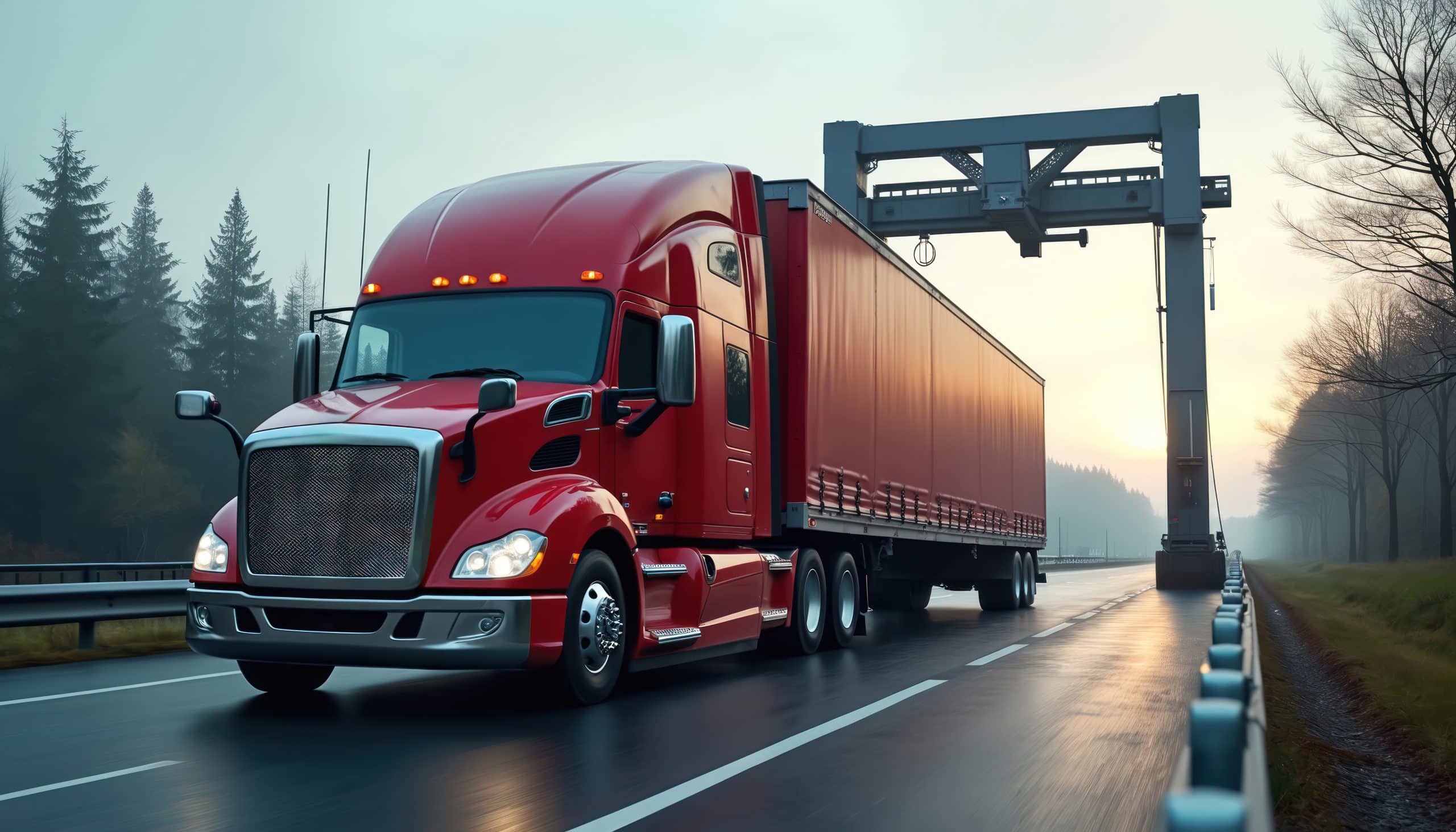
The only definitive method to determine how much your truck weighs in practice is to drive it onto a certified scale. Automated truck scales, such as those operated nationwide by CAT Scale, provide axle-by-axle measurements accurate within standard industry tolerances.
| Platform 1: Steer Axle | Platform 2: Drive Axle | Platform 3: Trailer Axle |
|---|---|---|
| Front Wheels Only | Rear Wheels Only | Towed Equipment Only |
Step 1: Prepare the Truck for Normal Operation
Fill your fuel tank to capacity, load all standard gear, tools, and accessories, and ensure all regular occupants are present (or factor their exact weights in later).
Step 2: Position the Truck on the Scale Platforms
Drive onto a multi-platform scale. Position the vehicle so that:
- Platform 1 (Steer Axle): Holds only your front wheels.
- Platform 2 (Drive Axle): Holds only your rear wheels.
- Platform 3 (Trailer Axle): Holds your trailer's wheels (if weighing a combination rig).
Step 3: Trigger the Weigh Sequence
Reach for the intercom button or initiate the weighing sequence using the scale's official mobile application. Remain stationary inside the vehicle while the scale master captures the weight.
Step 4: Analyze Your Weight Ticket
Your printed or digital weight ticket will break down the measurements into three distinct figures:
- Steer Axle Weight: Compare this figure to the Front GAWR on your door sticker.
- Drive Axle Weight: Compare this figure to the Rear GAWR on your door sticker.
- Gross Weight: Sum of Steer and Drive axles. Compare this total to your vehicle's GVWR.
If your total Gross Weight on the scale exceeds your sticker’s GVWR, your vehicle is operating illegally and unsafely under real-world conditions.
Practical Risks of Operating Overweight
Operating a truck beyond its real-world legal ratings carries significant consequences across mechanical, legal, and financial categories.
Mechanical Strain and Component Failure
Excessive weight subjects critical vehicle systems to stress beyond design limits:
- Thermal Overload: Transmissions and differentials generate excessive heat under heavy loads, degrading fluids rapidly and leading to premature failure.
- Braking Distances: Overloaded vehicles experience thermal fade on steep downgrades, dramatically lengthening stopping distances.
- Suspension and Tires: Springs sag, bump stops flatten, and tire sidewalls experience excessive flex, significantly raising the risk of high-speed blowouts.
Legal Penalties and DOT Enforcement
State transportation agencies and local law enforcement monitor commercial vehicle weights using weigh stations and portable roadside scales. While non-commercial personal pickups are rarely pulled onto state weigh station scales unless towing commercial loads, involved law enforcement officers in serious accident investigations evaluate vehicle weight compliance.
If an inspection reveals that a pickup truck exceeds its registered weight limits or axle ratings, officers can issue citations, assess fines per pound over limit, or issue a mandatory "out-of-service" order, prohibiting the vehicle from moving until cargo is offloaded.
Insurance and Civil Liability Concerns
In the event of a severe highway accident, insurance adjusters and forensic investigators review vehicle weight data. If evidence demonstrates that an operator knowingly overloaded a truck beyond its published GVWR or GCWR, insurance providers may attempt to deny coverage claims, exposing the driver to substantial personal civil liability.
Frequently Asked Questions
Can I increase my truck's GVWR by installing air bags or heavy-duty springs?
No. Suspension modifications, such as air helper springs, heavy-duty leaf packs, or sway bars, can help level your ride height and improve stability under load, but they do not legally increase your vehicle's factory GVWR. The manufacturer sets GVWR based on the weakest link in the entire vehicle system, including frame strength, axle bearings, wheel studs, braking capacity, and thermal cooling limits.
How much does fuel add to my truck's overall weight?
Fuel adds roughly 6.0 pounds per gallon for gasoline and 7.0 pounds per gallon for diesel fuel. A full 36-gallon tank of gasoline adds about 216 pounds, while a full 48-gallon diesel tank adds about 336 pounds. Always account for fuel levels when measuring available payload.
Where can I weigh my truck if there are no CAT scales nearby?
Alternative weighing locations include municipal waste transfer stations (landfills), agricultural grain elevators, landscape supply yards, scrap metal recycling facilities, and certified public scales at truck stops. Many of these locations will weigh your vehicle for a nominal fee.
What is the difference between Tare Weight and Curb Weight?
Tare weight is a commercial logistics term referring to the unladen weight of a vehicle or container before loading goods for transport. Curb weight is a standardized automotive manufacturing specification that includes standard equipment and full vehicle fluids. In practice, empty tare weight on a commercial scale is usually higher than published factory curb weight due to installed accessories and vehicle gear.
Summary Action Plan
To ensure your truck operates safely within its design capabilities:
- Locate your door sticker: Document your vehicle’s exact GVWR, Front GAWR, and Rear GAWR.
- Visit a certified scale: Weigh your truck fully fueled and configured with your daily driving gear to establish an accurate operational baseline.
- Calculate true remaining payload: Subtract your scale baseline from your sticker GVWR. Use this real-world figure—not the marketing brochure number—when planning cargo and trailer tongue loads.
EDITORIAL CATEGORY METADATA (exception to the article-only final-output rule):
Image Gallery