Why the Life Insurance Company of North America Policy Stands Apart
A Life Insurance Company of North America policy stands apart due to its institutional group benefit design, high guaranteed-issue coverage limits, integrated waiver-of-premium provisions, and flexible portability and conversion struct...
A Life Insurance Company of North America policy stands apart due to its institutional group benefit design, high guaranteed-issue coverage limits, integrated waiver-of-premium provisions, and flexible portability and conversion structures. Issued primarily through employer-sponsored benefit packages under New York Life Group Benefit Solutions, these policies deliver institutional-grade financial security paired with seamless disability-to-life protection integration.
Contents
Understanding the Legal and Enterprise Framework of LINA Policies
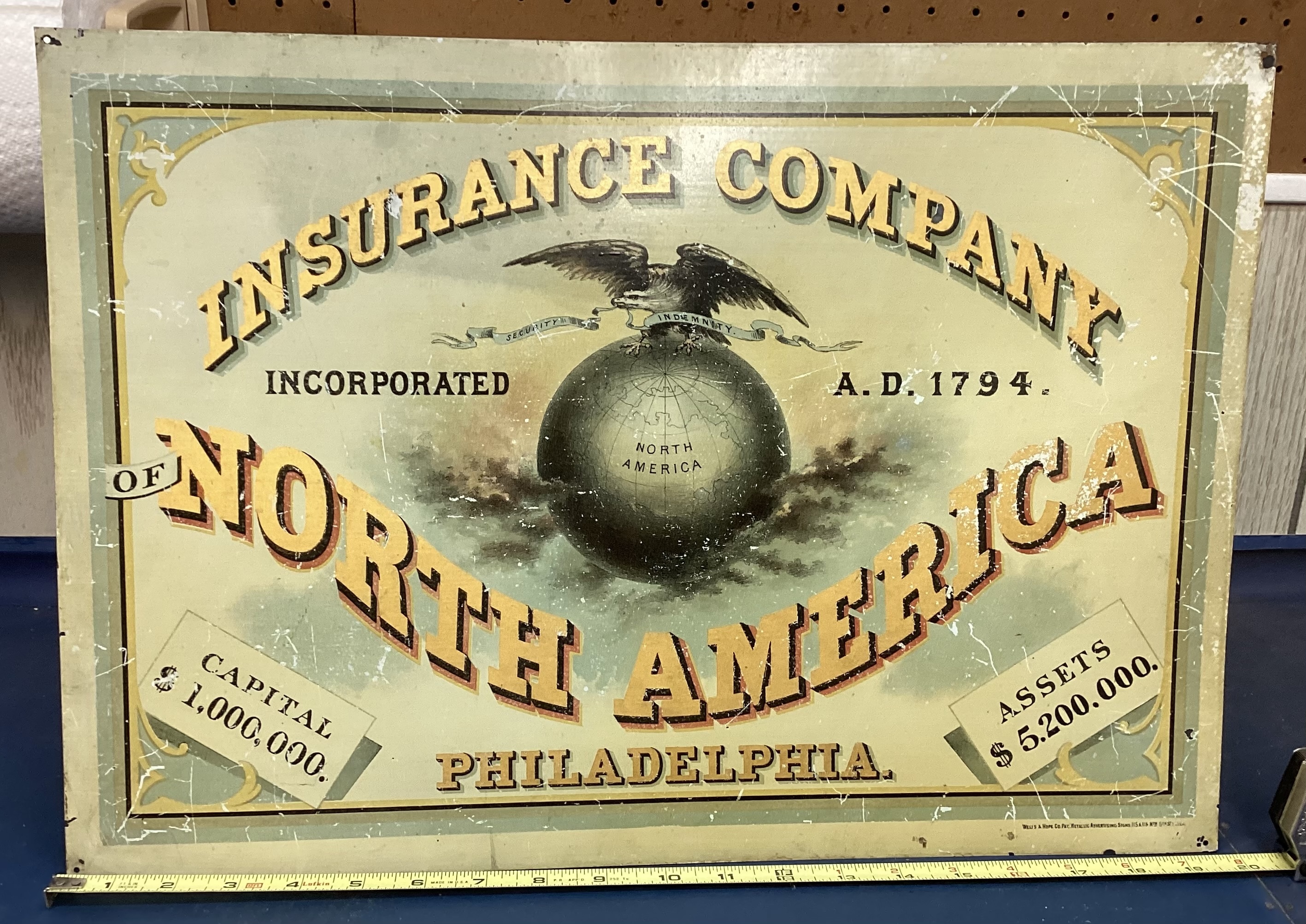
To understand why a policy issued by the Life Insurance Company of North America (LINA) carries distinct advantages, policyholders must first recognize the institutional framework behind the name. LINA is one of the oldest insurance underwriting entities in the United States, tracing its operational lineage back through the original Insurance Company of North America established in the late 18th century. For decades, LINA operated as the key group insurance underwriting subsidiary for Cigna Corporation.
In December 2020, New York Life Insurance Company completed its acquisition of Cigna’s group life, accident, and disability business. Following this transaction, LINA became a core underwriting company under New York Life Group Benefit Solutions (NYL GBS). Consequently, modern LINA policies combine historical underwriting scale with the financial stability and high credit ratings of New York Life—persistently rated A++ by A.M. Best and AAA by Fitch Ratings.
Unlike retail life insurance policies purchased individually through brokers, LINA policies are primarily institutional group contracts. These contracts are negotiated at scale by corporate employers, labor unions, and trade associations. This institutional architecture grants individual certificate holders access to lower administrative fee ratios, broader underwriting concessions, and specialized policy riders that are rarely accessible or affordable in the individual retail market.
Core Features That Distinguish LINA Life Insurance Policies
LINA policies differentiate themselves through several specific structural features, policy provisions, and administrative integrations built directly into their group term and group universal life contracts.
LINA Institutional Plan Design:
- High Guaranteed Issue Limits (No Exams)
- Integrated Life & Disability Protections
- Portability & Conversion Provisions
High Guaranteed Issue (GI) Thresholds
One of the most noticeable differences in a LINA policy is the availability of substantial Guaranteed Issue (GI) coverage amounts. In the individual market, securing $300,000 to $500,000 or more in life insurance protection typically requires extensive medical underwriting, including blood draws, paramedical exams, and full medical record reviews.
Under LINA group benefit structures, active employees can frequently secure coverage up to specified enterprise limits during initial open enrollment windows without submitting Evidence of Insurability (EOI). This non-medical underwriting framework allows individuals with pre-existing medical conditions to obtain robust life insurance coverage at group rates that would otherwise be cost-prohibitive or uninsurable in the retail market.
Integrated Disability Waiver of Premium
LINA's historic specialization in both group disability and group life insurance creates a distinct operational advantage: tight integration between disability management and life coverage preservation. Under a standard LINA group contract, if an employee becomes total disabled prior to a specified age (typically age 60 or 65), the policy’s Waiver of Premium clause activates automatically alongside long-term disability claims processing.
This clause ensures that:
- Life insurance death benefits remain fully active without requiring premium payments during qualifying disability periods.
- Dependent and supplemental coverages tied to the employee's main certificate are protected from lapse.
- The administrative burden on disabled insureds is minimized because short-term disability, long-term disability, and life insurance waiver claims share centralized claims intake systems within New York Life Group Benefit Solutions.
Group Universal Life (GUL) Accumulation Options
In addition to traditional group term life, LINA offers Group Universal Life (GUL) and Group Variable Universal Life policies through select employer plans. Unlike standard term contracts that build no equity, LINA GUL policies allow participants to contribute funds above the net cost of insurance into an interest-bearing cash accumulation account.
Key characteristics of LINA GUL accounts include:
- Tax-Deferred Cash Growth: Interest earned inside the cash accumulation fund accumulates on a tax-deferred basis under Internal Revenue Code Section 7702.
- Flexible Contribution Limits: Policyholders can adjust premium payments or deposit lump sums up to federal tax rules (avoiding Modified Endowment Contract status).
- Penalty-Free Withdrawals: Insureds can access accumulated cash value through policy loans or partial withdrawals for emergency expenses, college funding, or supplemental income during retirement.
Technical Comparison: LINA Group Policies vs. Standard Individual Policies
Understanding where a LINA policy excels—and where it has operational constraints—requires a direct comparison against standard retail individual policies.
| Policy Feature | LINA Group Policy (via Employer Plan) | Standard Individual Retail Policy |
|---|---|---|
| Underwriting Requirement | Simplified EOI or Guaranteed Issue during initial eligibility windows. | Full medical underwriting, lab work, and historical health records. |
| Premium Cost Structure | Blended group rates, often subsidized by employer basic life contributions. | Age-banded or level term pricing based strictly on individual health risk. |
| Portability Mechanism | Portable via GUL cash funds or portable term rates upon job termination. | Permanently owned; unaffected by employment or job changes. |
| Conversion Rights | Right to convert to individual permanent life insurance without evidence of insurability. | Varies by carrier; conversion usually limited to carrier’s existing retail line. |
| Disability Integration | Automated claims cross-referencing between LTD and Waiver of Premium. | Requires separate waiver of premium rider purchase and separate claim filing. |
| Cash Value Growth | Optional in GUL plans with competitive guaranteed minimum interest floors. | Standard in permanent policies (Whole Life, IUL), but with higher upfront fees. |
Navigation of Portability, Conversion, and Claim Continuation
A critical area where LINA policies protect workers is during career transitions, retirement, or unexpected health events that force an exit from active employment. LINA policies contain explicit provisions governing how coverage can be preserved when employer group participation ends.
Career Status Change (Separation/Retirement):
- Portability Election (Keeps Group Term/GUL Rates)
- Healthy/insurable departing employees.
- Retains lower group rate scale.
- Applies up to maximum policy age limits.
- Conversion Election (Translates to Individual Policy)
- Uninsurable or severe medical history.
- No medical questions required.
- Permanent individual rate based on attained age.
Portability Provisions
Portability allows departing employees to continue their group life insurance coverage under a separate portable group trust arrangement without submitting medical evidence, provided the election is made within the statutory window (typically 31 days from separation).
- Best For: Employees in good or moderate health who want to retain competitive group rates.
- Duration: Ported coverage can often be maintained until age 65, 70, or 75, depending on the specific master contract design.
- Term vs. GUL: If the departing worker holds a LINA Group Universal Life policy, the cash accumulation balance remains intact, and premiums can be billed directly to the individual's bank account via electronic funds transfer.
Policy Conversion Rights
If an employee separates from service while suffering from an uninsurable medical condition, or if group portability is unavailable, LINA contracts mandate a Conversion Privilege. Under federal and state group insurance regulations, the certificate holder has the absolute legal right to convert all or a portion of their group death benefit into an individual permanent life insurance policy issued by LINA or its affiliate legal entities without answering any health questions.
Although converted policies reflect individual rates based on the insured's attained age at conversion, this right is a major protection for individuals diagnosed with terminal or severe chronic illnesses who would otherwise be denied life coverage anywhere else in the commercial market.
Filing LINA Life and AD&D Claims
When a benefit claim arises, LINA’s standardized claims protocol streamlines benefit delivery to designated beneficiaries. Claims filed through New York Life Group Benefit Solutions require specific documentation to ensure timely execution:
- Proof of Loss: Submission of an official, certified death certificate indicating the cause and manner of death.
- Employer Certification: A completed employer section verifying the employee's active status, salary tier (for multiple-of-salary benefits), and effective date of coverage.
- Claimant Statement: Designated beneficiaries must complete a formal claim form detailing personal identification, tax status, and payout elections (lump-sum check, retained asset account, or electronic deposit).
- Accidental Death & Dismemberment (AD&D) Proof: If claiming additional AD&D benefits, third-party corroborating records such as police reports, toxicology screens, or autopsy reports are required to verify that the loss resulted directly from an eligible accident, independent of internal medical conditions.
Regulatory Framework and Jurisdictional Protections
Because LINA policies are primarily issued as employee benefit plans, their administrative and legal administration falls largely under the federal jurisdiction of the Employee Retirement Income Security Act of 1974 (ERISA) (29 U.S.C. § 1001 et seq.).
ERISA Provisions Impacting Policyholders
Under ERISA regulations, LINA policyholders and beneficiaries benefit from specific statutory protections, including:
- Mandated Claims Deadlines: Strict federal timelines requiring insurers to make initial claim determinations within 90 days of receipt, with limited 90-day extensions for special circumstances.
- Formal Administrative Appeals: If a claim is denied in whole or in part, LINA must provide a written explanation detailing the specific policy provisions, medical evaluations, or documentation gaps relied upon. The claimant is granted a mandatory 60-day or 180-day window to file a formal administrative appeal before initiating court action.
- Fiduciary Duties: Plan administrators and issuing carriers must act solely in the interest of plan participants and beneficiaries, adhering strictly to written plan terms.
Note on Exemptions: Group life insurance plans sponsored by governmental entities (such as public school districts, municipal governments, or state agencies) and church groups are exempt from ERISA. These non-ERISA LINA policies are governed by state contract law and regulations enforced by state insurance commissioners (such as the California Department of Insurance or the New York State Department of Financial Services).
Essential Considerations and Operational Limitations
While LINA policies provide comprehensive protection, policyholders must remain aware of specific contractual limitations to avoid unexpected coverage gaps.
Suicide Exclusions and Incontestability
In accordance with standard industry regulations, LINA life policies contain a Suicide Exclusion Clause (typically 2 years from the effective date of coverage or voluntary coverage increases). If an insured dies by suicide within this initial period, the carrier's liability is limited to a refund of paid premiums. Additionally, under standard Incontestability Clauses, once a policy has been in force for two years during the lifetime of the insured, the carrier cannot void coverage based on misstatements in the initial application, except in cases of deliberate fraud.
Salary-Based Coverage Reductions
Many LINA group contracts define coverage limits as a multiple of an employee’s Annual Earnings (e.g., 2x or 3x base salary). It is vital for insureds to verify whether their plan definition of earnings includes sales commissions, annual bonuses, or overtime. Failing to report updated compensation structures during open enrollment can lead to discrepancies between anticipated coverage and final beneficiary payouts.
Age-Reduction Schedules
Group term policies issued by LINA often incorporate Age Reduction Schedules. Starting at age 65 or 70, the original face amount of the life insurance coverage automatically reduces to a percentage of the initial benefit (e.g., reducing to 65% at age 65 and 50% at age 70). Active employees approaching these age thresholds should review their plan certificates to determine whether supplemental coverage options or conversion steps are required to maintain their desired net protection level.
Practical Recommendations for LINA Policyholders
To maximize the benefits of a LINA life insurance policy, participants should follow a structured management approach throughout their employment tenure:
- Conduct an Annual Beneficiary Review: Ensure primary and contingent beneficiary designations are accurate and updated following major life events (marriage, divorce, births). Beneficiary designations on file with the plan administrator control benefit distribution, overriding instructions left in a general last will and testament.
- Document Guaranteed Issue Limits Early: Take full advantage of non-medical Guaranteed Issue limits when first joining an employer. Waiving coverage initially may require full medical EOI underwriting during subsequent enrollment periods.
- Retain Plan Certificates: Download and archive the official Certificate of Insurance provided by New York Life Group Benefit Solutions. This document outlines the exact group policy number, conversion windows, age reduction schedules, and disability waiver definitions specific to your employer's master contract.
- Act Promptly Upon Job Separation: If leaving an employer, track the 31-day window strictly. Submitting portability or conversion applications within this post-termination window preserves life insurance coverage without requiring new medical exams.
Frequently Asked Questions
What is the relationship between LINA and Cigna or New York Life?
LINA (Life Insurance Company of North America) was historically the primary group insurance issuing company under Cigna. In December 2020, New York Life acquired Cigna's group disability and life business. Today, LINA operates as an issuing company under New York Life Group Benefit Solutions.
How do I check if my LINA life insurance policy has cash value?
Standard group term life policies issued by LINA do not build cash value. However, if your employer offers a Group Universal Life (GUL) or Group Variable Universal Life (GVUL) plan through LINA, premium payments above the cost of insurance are directed into an interest-bearing cash accumulation account that accumulates tax-deferred value.
Can I keep my LINA life insurance policy if I change jobs?
Yes. Most LINA group policies include portability and conversion provisions. Within 31 days of leaving your employer, you can apply to port your coverage as portable group insurance or convert it to an individual permanent policy without passing a medical examination.
What happens to my LINA life policy if I become permanently disabled?
If your plan includes a Waiver of Premium provision, your life insurance coverage will continue without required premium payments if you meet the policy's definition of total disability prior to the age limit (usually age 60 or 65). Because LINA manages integrated life and disability plans, this waiver process is coordinated with long-term disability claims.
How long does it take for New York Life Group Benefit Solutions to pay a LINA life insurance claim?
Once complete claim documentation—including the certified death certificate, beneficiary statement, and employer verification—is received and validated, standard claims are typically processed within 10 to 30 business days. Claims subject to contestability reviews or complex accidental death investigations may require additional processing time under ERISA guidelines.
Image Gallery