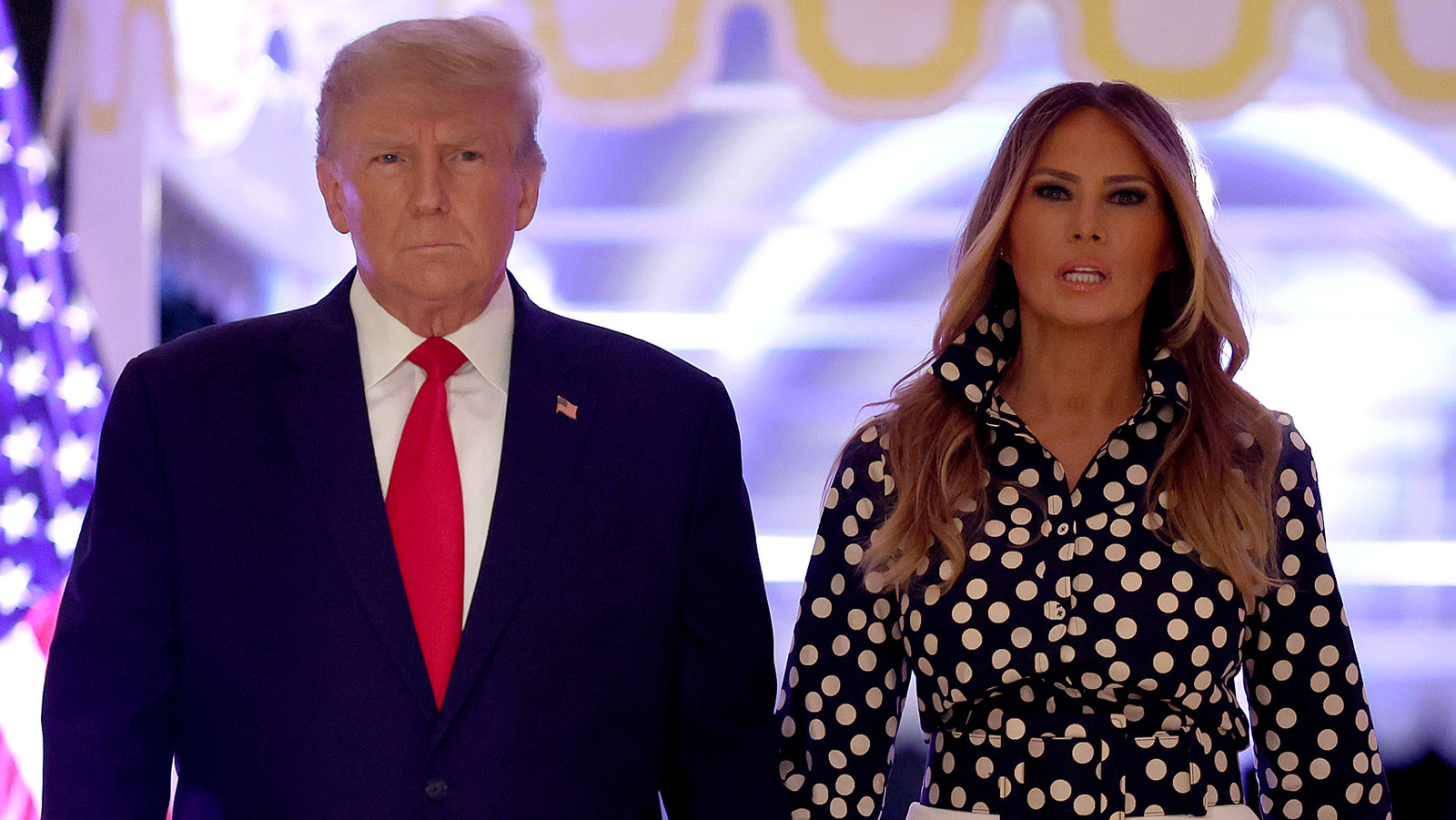
Melania and Trump Have a Prenup: Understanding the Legal and Financial Agreements Behind the Marriage
Donald and Melania Trump entered into a prenuptial agreement prior to their 2005 wedding, a legal contract designed to protect and structure their respective assets, stipulate financial arrangements, and provide terms for provisions in...
Donald and Melania Trump entered into a prenuptial agreement prior to their 2005 wedding, a legal contract designed to protect and structure their respective assets, stipulate financial arrangements, and provide terms for provisions in the event of a dissolution of the marriage.
Contents
The intersection of high-profile marriages, massive real estate portfolios, and family law frequently draws public curiosity, particularly when public figures enter unions with significant pre-existing assets. When Donald Trump and Melania Knauss married in January 2005 at Bethesda-by-the-Sea Episcopal Church in Palm Beach, Florida, the financial and legal parameters of their union were bound by a prenuptial agreement. While private details of such elite legal contracts are rarely disclosed in full, public reports, biographical accounts, and statements from the individuals involved offer a clear picture of how prenuptial agreements function in high-net-worth marriages, the legal requirements governing these contracts, and the specific dynamics surrounding the Trump marriage.
The Role of Prenuptial Agreements in High-Net-Worth Marriages
A prenuptial agreement, commonly referred to as a prenup, is a legally binding contract executed by a couple before they marry. The primary purpose of this document is to establish the financial and property rights of each party upon entering the marriage, as well as to outline how assets, debts, and potential spousal support will be handled if the marriage ends through divorce or death.
For individuals with substantial business holdings, real estate empires, intellectual property, and generational wealth, prenuptial agreements serve as an essential risk-management tool. Without a prenup, state laws regarding equitable distribution or community property dictate how assets accumulated during the marriage—and in some jurisdictions, assets owned prior to the marriage—are divided. In high-net-worth scenarios, untangling complex corporate structures, publicly traded stocks, private equity, and international properties through standard court proceedings can result in prolonged litigation and public exposure.
A properly drafted prenuptial agreement typically addresses several core components:
- Separate Property: Clearly defines what assets, debts, inheritances, and business interests remain exclusively owned by each spouse throughout the marriage.
- Marital Property: Outlines how assets acquired jointly during the course of the marriage will be categorized and divided.
- Spousal Support (Alimony): Specifies whether spousal support will be paid in the event of a divorce, setting caps, duration, or complete waivers.
- Estate Planning Provisions: Clarifies inheritance rights, ensuring that children from prior relationships or other designated beneficiaries are protected.
The Historical Context of Donald and Melania Trump’s Agreement
By the time Donald Trump and Melania Knauss married in 2005, Trump was already a globally recognized real estate developer and media figure with a multi-billion-dollar enterprise centered around The Trump Organization. Having experienced high-profile public divorces from his previous marriages to Ivana Trump and Marla Maples, Trump was well-versed in the financial complexities of marital dissolution.
Reports from biographers and media outlets note that entering into a prenuptial agreement was a standard and expected procedure for Trump. According to reporting and biographical details, Melania Trump understood the necessity of protecting her husband's pre-existing business empire while also negotiating terms that ensured her own financial security and provisions for their future family.
Unlike standard civil litigation documents, prenuptial agreements are kept strictly confidential unless the parties choose to disclose them or they become part of a contested court filing. Consequently, the exact monetary figures, property allocations, and specific conditions outlined in the Trump prenup remain private. However, public commentary from Melania Trump over the years has indicated that the agreement was approached pragmatically, focusing on clarity and mutual understanding rather than conflict.
Legal Requirements and Enforceability of Prenuptial Agreements
Prenuptial agreements are governed by state law in the United States, and their enforceability depends heavily on adherence to strict legal standards. While Donald and Melania Trump married in Florida, prenuptial agreements can be drafted under the laws of various jurisdictions depending on where the parties reside or where assets are held. Generally, courts evaluate prenuptial agreements based on a framework designed to prevent fraud, duress, and unconscionability.
| Legal Requirement | Description | Purpose |
|---|---|---|
| Full Disclosure | Both parties must provide a comprehensive, honest disclosure of all assets, debts, and income before signing. | Prevents fraud and ensures informed consent. |
| Voluntariness | The agreement must be signed willingly, without coercion, duress, or undue pressure. | Ensures the contract represents the genuine intent of both spouses. |
| Independent Counsel | Each party should be represented by their own separate, qualified attorney during drafting and review. | Protects individual legal rights and prevents claims of inadequate representation. |
| Unconscionability Test | The terms must not be overwhelmingly unfair or one-sided at the time of execution or enforcement. | Maintains basic standards of equity and prevents public policy violations. |
If a prenuptial agreement fails to meet these criteria—such as hiding major assets or forcing a spouse to sign moments before the wedding without legal counsel—a family court judge may invalidate the document entirely, reverting the division of assets to standard state laws.
Renegotiation and Evolution of Marital Agreements
A common misconception is that prenuptial agreements are rigid, static documents that can never be altered once a marriage begins. In practice, high-net-worth couples frequently revisit or modify their financial agreements as their lives, business ventures, and family structures evolve.
Following the birth of their son, Barron Trump, in 2006, reports surfaced indicating that Melania Trump sought to review and adjust the terms of their financial arrangements. In marital law, the arrival of children introduces new responsibilities regarding custody, education, and long-term financial support. While a prenuptial agreement cannot legally bind issues of child support or child custody—as courts retain jurisdiction to act in the best interests of the child—couples often update post-marital or prenuptial provisions to account for family expansion.
Adjusting financial agreements can occur through postnuptial agreements, which are legally similar to prenups but are executed after the wedding ceremony. These documents allow spouses to reallocate assets, establish trusts for offspring, or adjust spousal support terms based on the changing contributions of each partner to the family and business enterprises.
Comparative Overview of High-Net-Worth Marital Planning
Protecting assets through legal contracts is a common practice among billionaires, executives, and public figures. The table below outlines how prenuptial agreements compare to other legal instruments used in wealth and asset management.
| Legal Instrument | Timing of Execution | Primary Function | Jurisdiction |
|---|---|---|---|
| Prenuptial Agreement | Before the marriage | Defines asset division, debts, and spousal support in case of divorce or death. | Family Law / State Courts |
| Postnuptial Agreement | After the marriage | Modifies or establishes financial terms and asset division during an ongoing marriage. | Family Law / State Courts |
| Revocable Living Trust | During life (anytime) | Manages and distributes estate assets while avoiding probate. | Estate Planning / Trust Law |
| Irrevocable Trust | During life | Permanently removes assets from an estate to reduce tax liability and protect from creditors. | Estate Planning / Tax Law |
Frequently Asked Questions
Did Melania Trump sign a prenuptial agreement?
Yes, Donald and Melania Trump entered into a prenuptial agreement prior to their wedding in January 2005. The contract was established to outline the separation of pre-existing assets, business holdings, and financial provisions in the event of a divorce.
What happens to a prenuptial agreement if a couple has children?
A prenuptial agreement can address spousal property and support, but it cannot legally pre-determine child support or child custody. Courts retain the authority to decide matters concerning children based on their best interests at the time of a separation. Couples often handle changing family dynamics by executing postnuptial agreements or updating estate plans.
Can a prenuptial agreement be contested in court?
Yes, a prenuptial agreement can be challenged and potentially invalidated by a judge if the party contesting it can prove that the agreement was signed under duress, that there was a failure to fully disclose assets, or that the terms were unconscionable at the time of signing.
Why do public figures use prenuptial agreements?
Public figures with substantial wealth, business empires, and real estate portfolios use prenuptial agreements to protect corporate structures, preserve generational wealth, maintain privacy, and streamline potential legal proceedings, thereby avoiding prolonged public litigation.
Are prenuptial agreement details public record?
Generally, no. Prenuptial agreements are private contracts between two individuals and their legal counsel. They do not become part of the public record unless a divorce is filed and the agreement is formally submitted to the court as part of the legal proceedings.
Practical Next Steps and Legal Considerations
For individuals considering a prenuptial agreement—whether managing a multi-million-dollar estate or establishing clear financial boundaries for a first marriage—consulting with qualified family law attorneys is essential. Ensuring that both parties retain independent legal counsel, provide transparent financial disclosures, and draft terms compliant with local state statutes prevents future litigation and protects the financial stability of both spouses.
Image Gallery