The Mexican Military Branches Explained
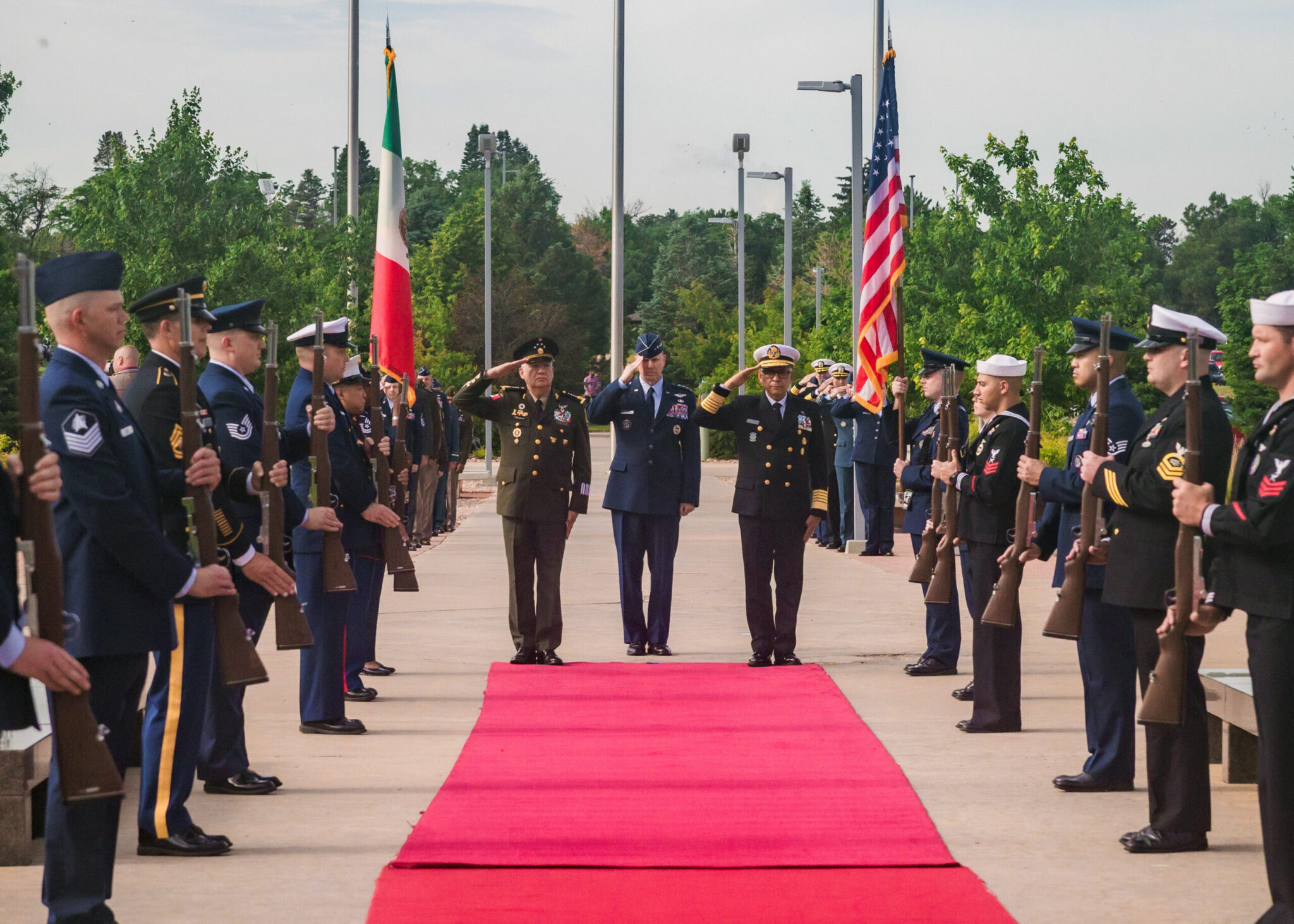
The Mexican Armed Forces consist of two primary, distinct branches: the Secretariat of National Defense, which commands the Mexican Army and Air Force, and the Secretariat of the Navy, which oversees the naval forces and the naval infa...
The Mexican Armed Forces consist of two primary, distinct branches: the Secretariat of National Defense, which commands the Mexican Army and Air Force, and the Secretariat of the Navy, which oversees the naval forces and the naval infantry. Together, these organizations maintain national security, execute domestic disaster relief, and protect Mexico's extensive land and maritime borders.
Contents
Understanding the organizational structure of Mexico's military forces requires looking beyond a single unified command. Unlike nations where all armed services report to a single defense ministry, Mexico separates ground and air forces from naval forces into two distinct cabinet-level executive departments. This structure shapes how national defense, internal security, and civil assistance operations are planned and executed across the country.
Overview of the Mexican Armed Forces
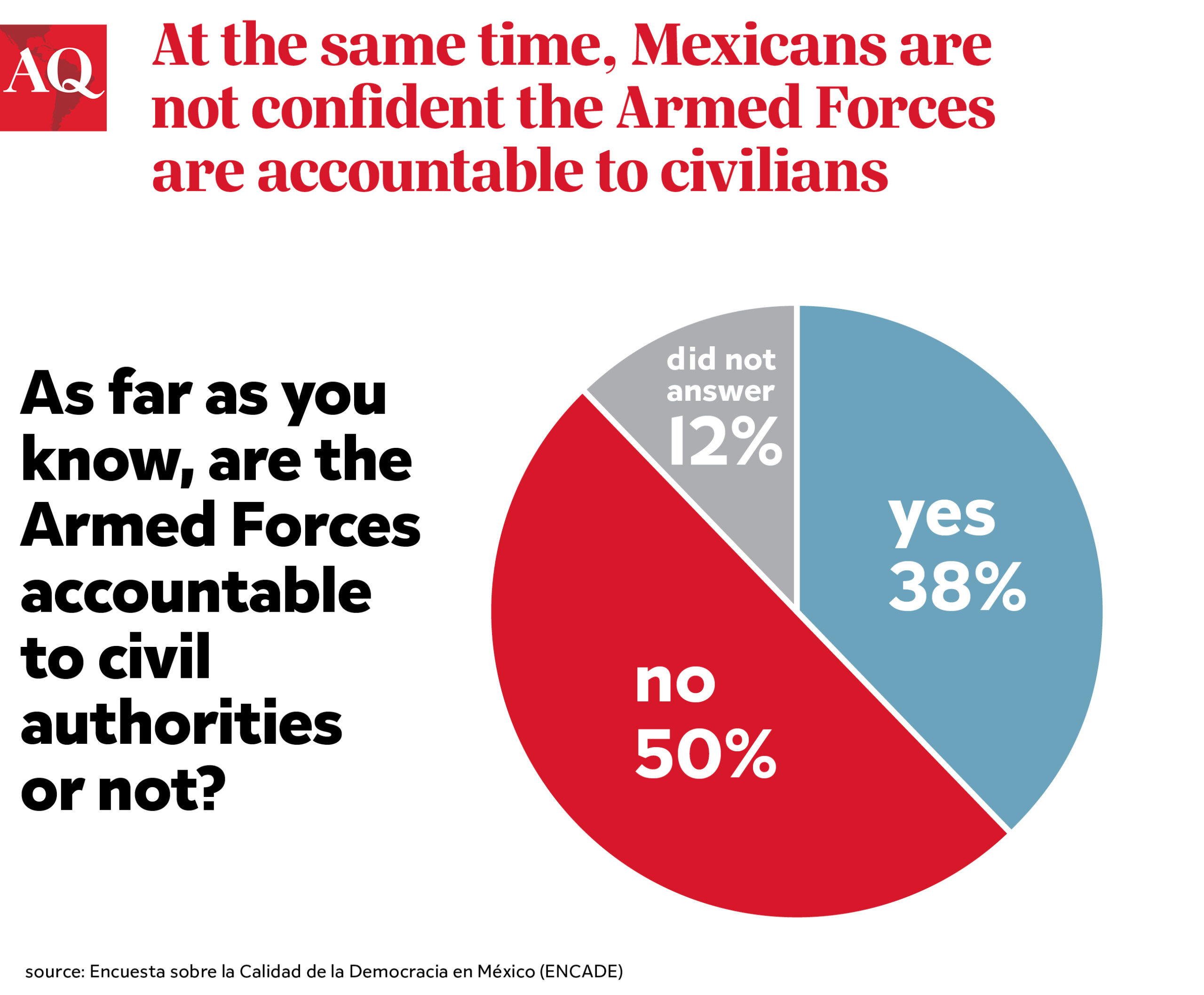
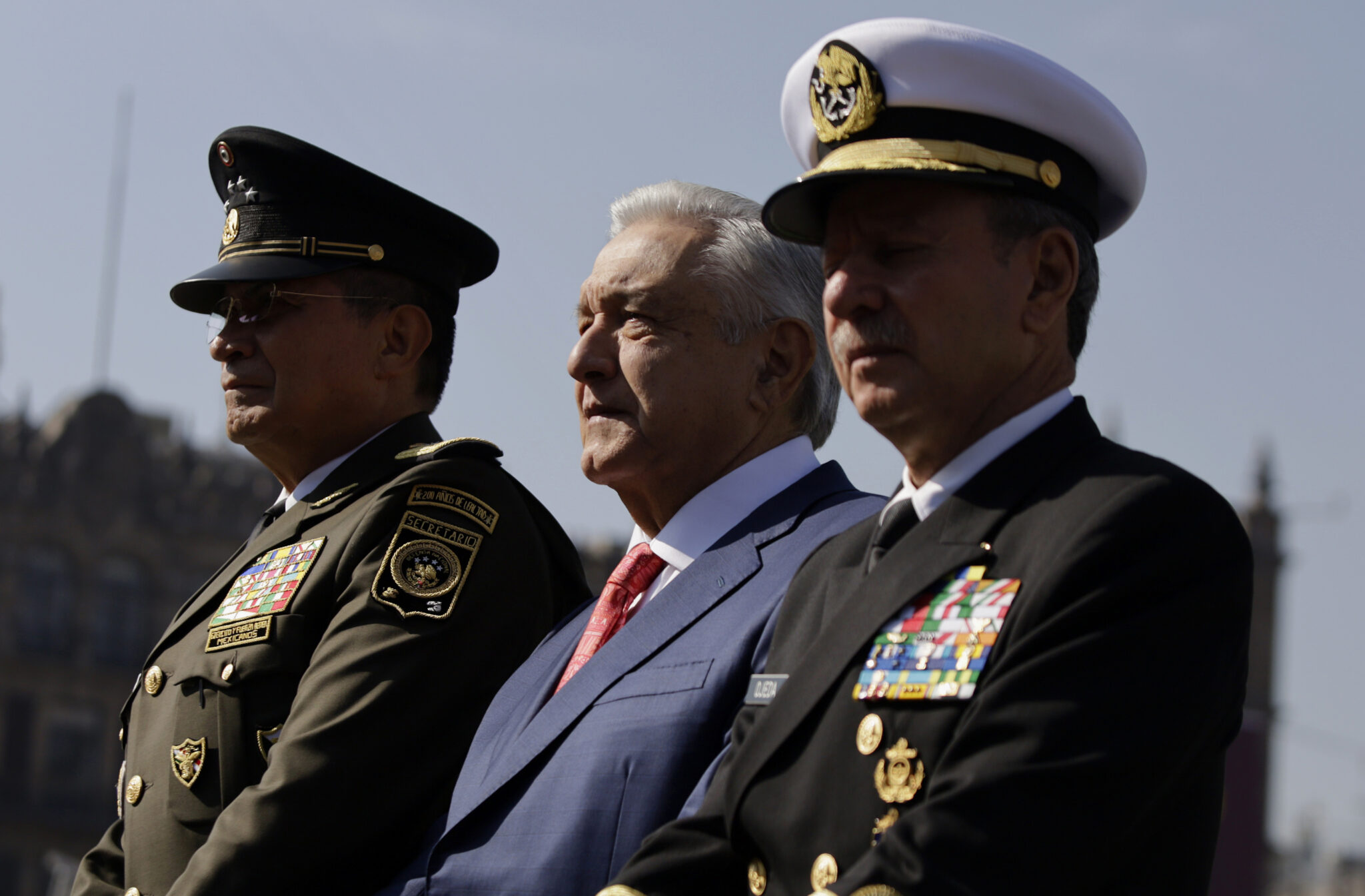
The Mexican Armed Forces (Fuerzas Armadas de México) operate under the supreme command of the President of Mexico, who holds the constitutional title of Commander-in-Chief. However, daily administrative, logistical, and operational control is divided between two distinct cabinet secretariats: the Secretariat of National Defense (Secretaría de la Defensa Nacional, or SEDENA) and the Secretariat of the Navy (Secretaría de Marina, or SEMAR).
This bifurcation ensures a division of responsibilities between land-based and water-based defense, although both branches frequently coordinate during domestic emergencies, counter-narcotics operations, and civil protection missions. The historical development of these branches reflects Mexico's unique geopolitical position, constitutional framework, and emphasis on national sovereignty and non-intervention.
The Mexican Army and Air Force (SEDENA)
The largest component of the Mexican military falls under the Secretariat of National Defense (SEDENA). This cabinet-level department commands both the Mexican Army (Ejército Mexicano) and the Mexican Air Force (Fuerza Aérea Mexicana).
The Mexican Army
The Mexican Army is the ground combat branch responsible for internal security, territorial defense, and disaster relief. Structurally, it is divided into regular forces, rural defense forces, and the National Guard integration components.
The army relies heavily on a regional command structure, dividing the national territory into military regions and zones. This decentralized layout allows for rapid deployment during natural disasters under the well-known DN-III-E plan, which mobilizes troops for search and rescue, medical assistance, and infrastructure repair following hurricanes, earthquakes, and floods.
The Mexican Air Force
Operating as an arm of SEDENA, the Mexican Air Force is tasked with safeguarding national airspace, supporting ground operations, and providing logistical transport. Its fleet includes transport aircraft, reconnaissance planes, and rotary-wing assets utilized extensively for troop transport, firefighting, and humanitarian relief missions. Unlike air forces in many other nations focused primarily on high-intensity aerial combat, the Mexican Air Force places significant emphasis on transport, border surveillance, and interdiction support.
The Mexican Navy (SEMAR)
The Secretariat of the Navy (Secretaría de Marina, or SEMAR) is a separate cabinet department that commands the Mexican Navy (Armada de México). SEMAR is responsible for defending Mexico's territorial waters, exclusive economic zones, and coastlines along both the Pacific Ocean and the Gulf of Mexico/Caribbean Sea.
Naval Aviation and Surface Fleet
The Mexican Navy operates a fleet of frigates, patrol vessels, amphibious ships, and auxiliary craft. Its naval aviation branch provides maritime patrol, anti-submarine warfare support, and search-and-rescue capabilities across coastal and open-water zones.
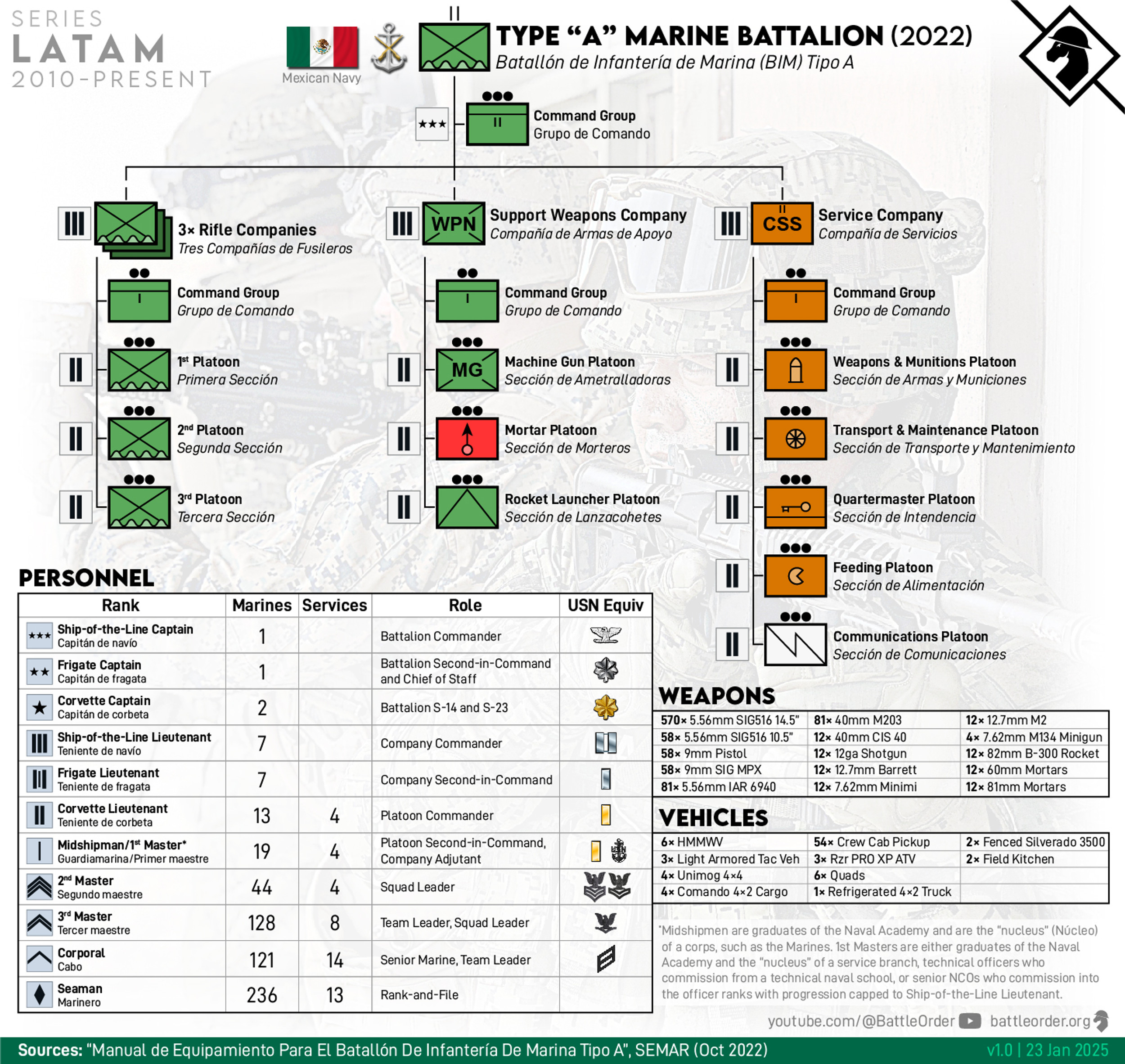
The Mexican Naval Infantry
Within SEMAR, the Naval Infantry (Infantería de Marina), commonly known as the Mexican Marines, serves as the amphibious assault and elite rapid-reaction force. The Naval Infantry has played a prominent role in high-profile security operations, port security, and coastal defense, utilizing specialized training and equipment tailored for amphibious and urban environments.
Comparison of Mexican Military Branches
| Branch | Parent Secretariat | Core Responsibilities | Key Specialized Components |
|---|---|---|---|
| Mexican Army | SEDENA | Territorial defense, internal security, domestic disaster relief (Plan DN-III-E) | Special Forces, Paratroopers, Rural Defense |
| Mexican Air Force | SEDENA | Airspace sovereignty, troop transport, reconnaissance, logistical support | Transport squadrons, rotary-wing units |
| Mexican Navy | SEMAR | Maritime defense, territorial waters patrol, port security, customs support | Surface fleet, Naval Aviation |
| Naval Infantry | SEMAR | Amphibious operations, coastal defense, elite tactical rapid-reaction | Marine battalions, special operations units |
Auxiliary and Specialized Forces
In addition to the core branches, Mexico utilizes specialized units and auxiliary organizations to support national security and public safety objectives.
Special forces units exist within both the Army (Grupo Aeromóvil de Fuerzas Especiales, or GAFE) and the Navy (Unidad de Operaciones Especiales, or UNINOPESP). These elite formations receive rigorous training for high-risk tactical missions, counter-terrorism, and targeted interdiction operations.
Furthermore, the National Guard (Guardia Nacional), established as a civilian-led public security force with military origins, works closely in operational coordination with SEDENA and SEMAR to address nationwide public safety challenges.
Frequently Asked Questions
Who is the Commander-in-Chief of the Mexican military?
The President of Mexico serves as the constitutional Commander-in-Chief of the Armed Forces. However, operational and administrative control is delegated directly to the heads of SEDENA and SEMAR.
What is Plan DN-III-E?
Plan DN-III-E is a military operational plan executed by the Mexican Army and Air Force to provide disaster relief during natural emergencies, such as hurricanes, earthquakes, and floods, focusing on search, rescue, and humanitarian assistance.
Are the Mexican Army and Navy part of the same department?
No. The Mexican Army and Air Force fall under the Secretariat of National Defense (SEDENA), while the Mexican Navy and Naval Infantry operate under a completely separate cabinet department, the Secretariat of the Navy (SEMAR).
What role do the Mexican Marines play?
The Mexican Naval Infantry functions as the amphibious warfare and rapid-reaction branch of the Navy, responsible for coastal defense, port security, and specialized tactical operations.
Does Mexico have a mandatory military service?
Yes. Conscription exists through the National Military Service (Servicio Militar Nacional), requiring eligible young male citizens to register and participate in basic training or civic activities, though active service obligations differ from professional career enlistment.
Next Actions and Further Research
For individuals researching the Mexican military for academic, legal, or professional purposes, reviewing official publications from SEDENA and SEMAR provides the most accurate and up-to-date organizational details. Official government portals publish institutional reports, budgetary allocations, and updates on civil-military cooperation programs.
Image Gallery