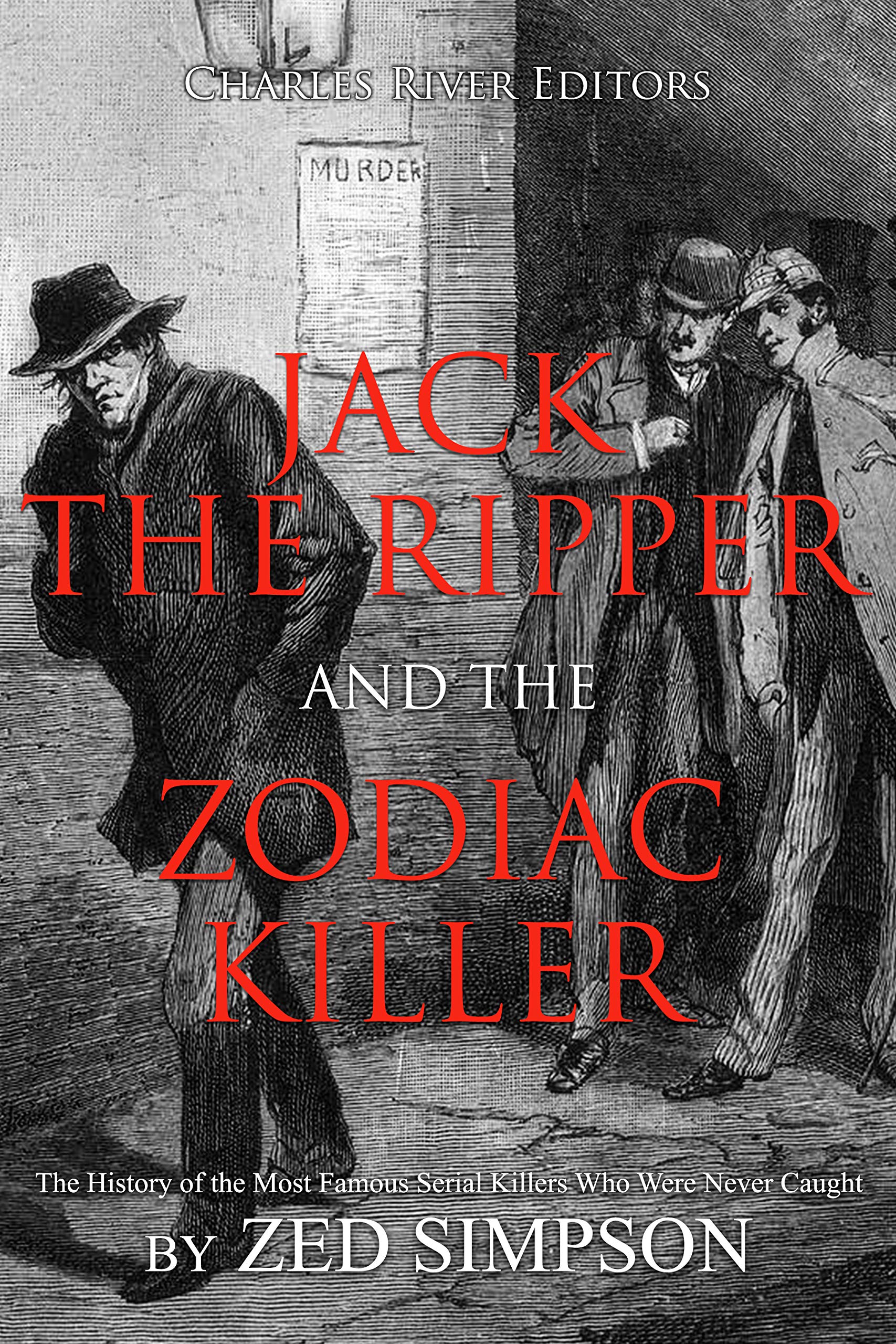
The Investigation of the Zodiac Killer: Did They Ever Get Caught?
Despite decades of intensive law enforcement investigations, public sleuthing, and technological advancements in forensic DNA, the primary suspect behind the Zodiac Killer murders was never officially caught, charged, or convicted for...
Despite decades of intensive law enforcement investigations, public sleuthing, and technological advancements in forensic DNA, the primary suspect behind the Zodiac Killer murders was never officially caught, charged, or convicted for the crimes. The notorious serial killer who terrorized Northern California in the late 1960s remains officially unidentified, making the case one of the most famous and enduring unsolved mysteries in American criminal history.
Contents
Historical Overview of the Zodiac Killer Crimes
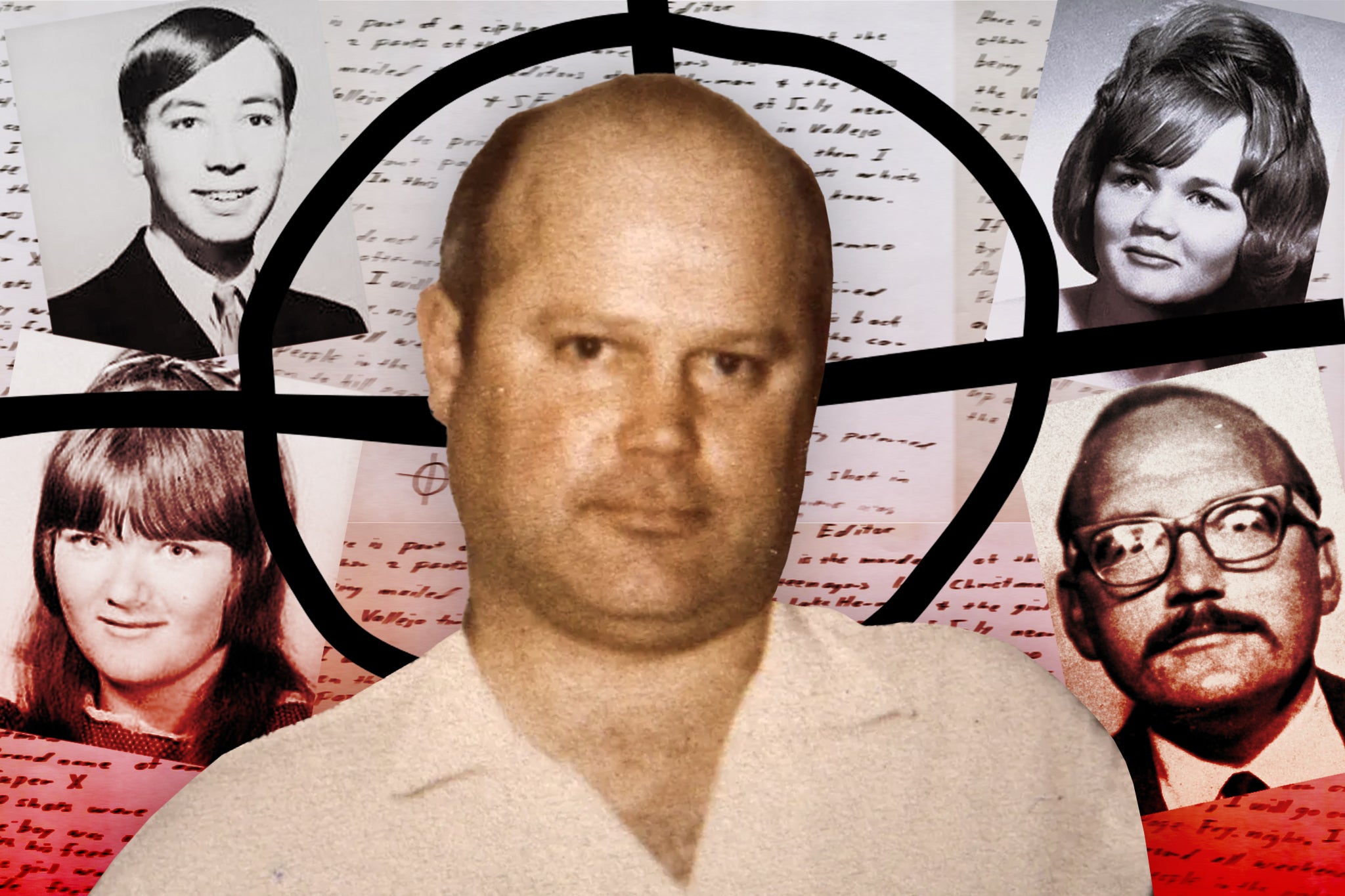
The Zodiac Killer case began in the San Francisco Bay Area in December 1968, when high school students David Faraday and Betty Lou Jensen were shot and killed in Vallejo, California. This initial double homicide was followed by another shooting in July 1969 that claimed the life of Darlene Ferrin and severely wounded Michael Mageau at the Blue Rock Springs resort area.
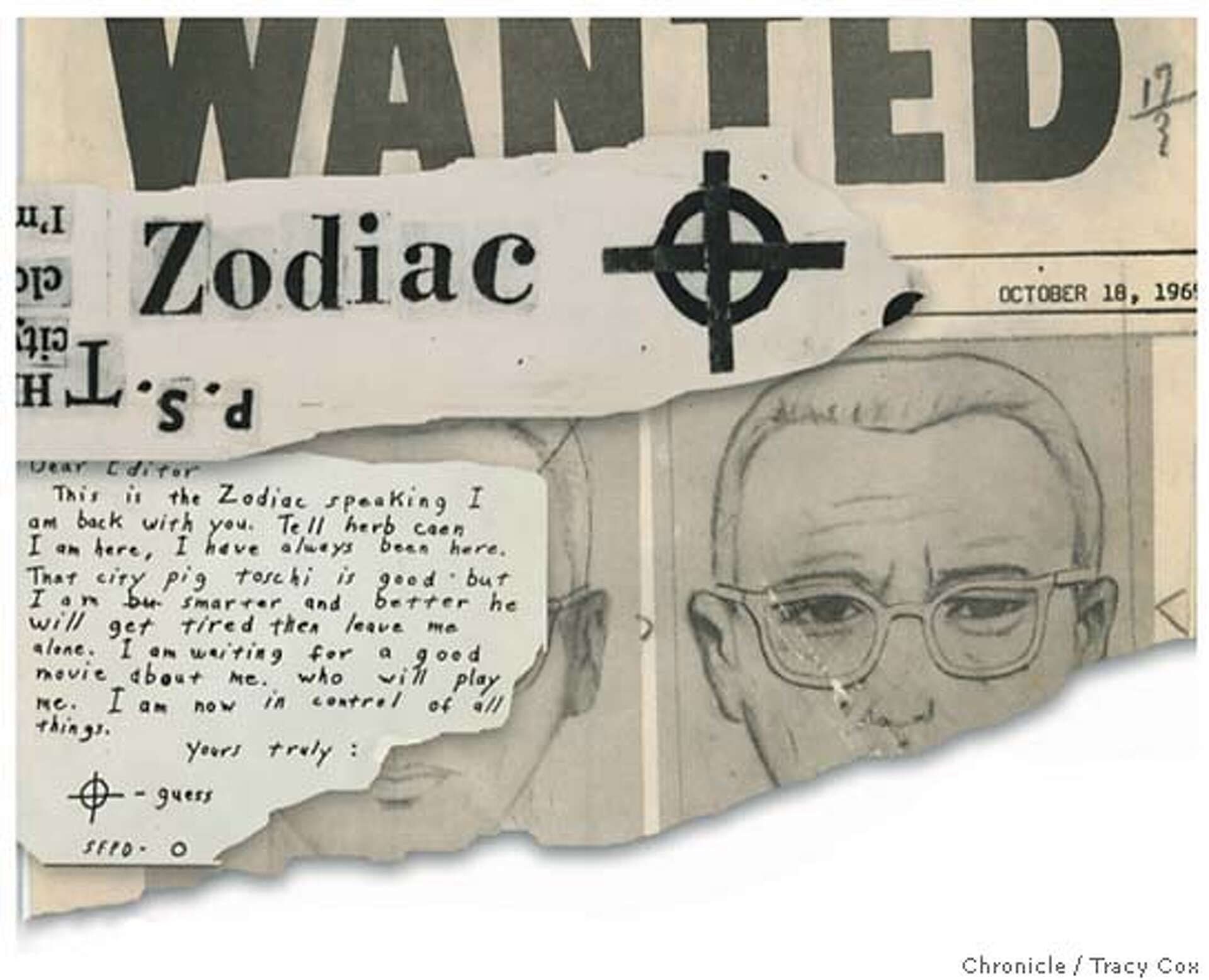
The killer's moniker emerged in August 1969, following a series of taunting letters sent to local newspapers including the Vallejo Times-Herald, The San Francisco Chronicle, and the San Francisco Examiner. In these missives, the author demanded front-page publication of cryptograms and threatened further violence if his demands were ignored. The letters were signed with a symbol resembling a crosshair or a target reticle.
Additional attacks followed, solidifying public terror across the region. In September 1969, college students Bryan Hartnell and Cecelia Shepard were tied up and stabbed at Lake Berryessa in Napa County; Shepard succumbed to her injuries days later. In October 1969, San Francisco taxi driver Paul Stine was shot and killed in the city's Presidio Heights neighborhood.
While the killer claimed responsibility for 37 murders in his correspondence, law enforcement agencies officially linked the moniker to seven specific victims, resulting in five deaths across multiple jurisdictions. Despite extensive physical evidence left at various crime scenes—including fingerprints, palm prints, partial DNA profiles, and handwritten letters—authorities were unable to definitively match the clues to a living perpetrator who could be successfully prosecuted in a court of law.
Primary Suspects and Law Enforcement Investigation Challenges
Throughout the active phases of the investigation, various police departments, sheriff's offices, and the Federal Bureau of Investigation examined numerous individuals. However, investigators faced significant hurdles that prevented an arrest or conviction.
Arthur Leigh Allen
The most thoroughly investigated and prominent suspect in the Zodiac case was Arthur Leigh Allen, a former elementary school teacher from Vallejo, California. Allen became the primary focus of the Vallejo Police Department and investigator Robert Graysmith (whose 1986 book popularized Allen's name to the public).
- Circumstantial Evidence: Allen owned boots matching the size and tread of military-style prints left at the Lake Berryessa crime scene. He wore a watch bearing the Zodiac-like crosshair symbol brand name (Zodiac watches), lived near several victims, and made suspicious statements to acquaintances.
- Exculpatory Evidence: Handwriting analysis from the 1970s did not match Allen's handwriting to the letters sent by the killer. Fingerprints and palm prints retrieved from the letters and crime scenes did not match Allen's fingerprints. Additionally, search warrants executed on his home yielded no definitive proof linking him to the cipher messages or the murders. Allen died of a heart attack in 1992 before charges could be filed.
Other Persons of Interest
Investigators also scrutinized several other individuals over the decades, though none were ever formally charged:
- Richard Gaikowski: A former newspaper worker and editor of the underground publication Good Times, suggested by some amateur researchers as a suspect due to his erratic behavior and proximity to the crimes.
- Lawrence Kane: A South Lake Tahoe resident and former car salesman who encountered one of the surviving victims and matched certain physical descriptions, though conclusive physical links were lacking.
- The "Bad Man" / Theodore Kaczynski: Speculation occasionally tied high-profile criminals to the moniker, but law enforcement dismissed these theories due to lack of verifiable overlap in modus operandi and physical evidence.
Key Obstacles in Solving the Case
Several institutional, technological, and tactical barriers prevented law enforcement from successfully identifying and capturing the Zodiac Killer during or after the active crime spree.
| Investigation Challenge | Impact on the Case |
|---|---|
| Jurisdictional Silos | Multiple independent agencies (Vallejo PD, Napa County Sheriff, San Francisco PD, FBI) shared information slowly during the initial 1969-1970 investigations. |
| Lack of Standardized DNA Profiling | Forensic DNA testing did not exist in the 1960s; biological evidence was degraded or handled in ways that limited modern extraction. |
| High Volume of False Tips | Police departments received thousands of false confessions and misleading leads, diverting critical resources away from viable suspects. |
| Unreliable Eyewitness Accounts | Surviving victims and witnesses provided conflicting descriptions due to darkness, trauma, and disguises worn by the attacker. |
Modern Forensic Investigations and Current Status
In the decades following the murders, law enforcement agencies maintained active files on the Zodiac case. The Vallejo Police Department and the FBI continued to evaluate tips and re-examine physical evidence using modern scientific methodologies.
In the late 2000s and 2010s, investigators extracted touch DNA from the adhesive flaps and stamps of the letters mailed by the killer. However, public announcements by the FBI clarified that DNA profiles obtained from envelope glue were often incomplete, heavily degraded, or contaminated by multiple handlers over decades of handling, rendering them insufficient for a definitive identification.
In 2020, an independent group of retired law enforcement officers and investigators known as "The Case Breakers" publicly claimed that an individual named Gary Francis Poste (who died in 2018) was the Zodiac Killer. However, the FBI and local police departments quickly clarified that the case remained officially open and unsolved, noting that the evidence presented by the independent group did not meet the rigorous legal standard required to close an active homicide investigation.
Frequently Asked Questions
Did the police ever arrest anyone for the Zodiac murders?
No. No suspect was ever arrested, charged, or convicted for the crimes committed by the Zodiac Killer. While Arthur Leigh Allen was the subject of a multi-year search warrant execution, prosecutors ultimately declined to file charges due to insufficient physical evidence.
Is the Zodiac Killer still alive?
It is statistically unlikely that the Zodiac Killer is still alive. If the perpetrator was in his twenties during the 1969 crime spree, he would be well over ninety years old today. Neither law enforcement nor independent historians have verified a living suspect.
What evidence did the killer leave behind?
The killer left behind multiple physical items, including handwritten letters containing complex cryptograms, partial fingerprints, palm prints, shoe impressions, and saliva on postage stamps and envelope flaps. Several of these items remain preserved in law enforcement archives for future scientific analysis.
Have any of the ciphers been solved?
Yes. Out of the four cryptograms mailed to newspapers, two have been solved. The famous "340 Cipher" was decoded in December 2020 by an international team of amateur codebreakers, revealing taunting messages mocking the police and television broadcasts, but it contained no identifying personal information about the killer.
Is the case still officially open?
Yes. The San Francisco Police Department, Vallejo Police Department, Napa County Sheriff's Office, and the Federal Bureau of Investigation still classify the case as an open and active homicide investigation, allowing for the review of new tips or forensic advancements.
Next Actions and Information Access
For those interested in reviewing primary source documentation, public records, police reports, and copies of the original cipher letters, historical archives are maintained by agencies such as the Federal Bureau of Investigation's Vault information portal and the California Department of Justice. Anyone with credible, verifiable new evidence regarding the unsolved homicides is advised to contact their local FBI field office or the San Francisco Police Department homicide detail.
Image Gallery