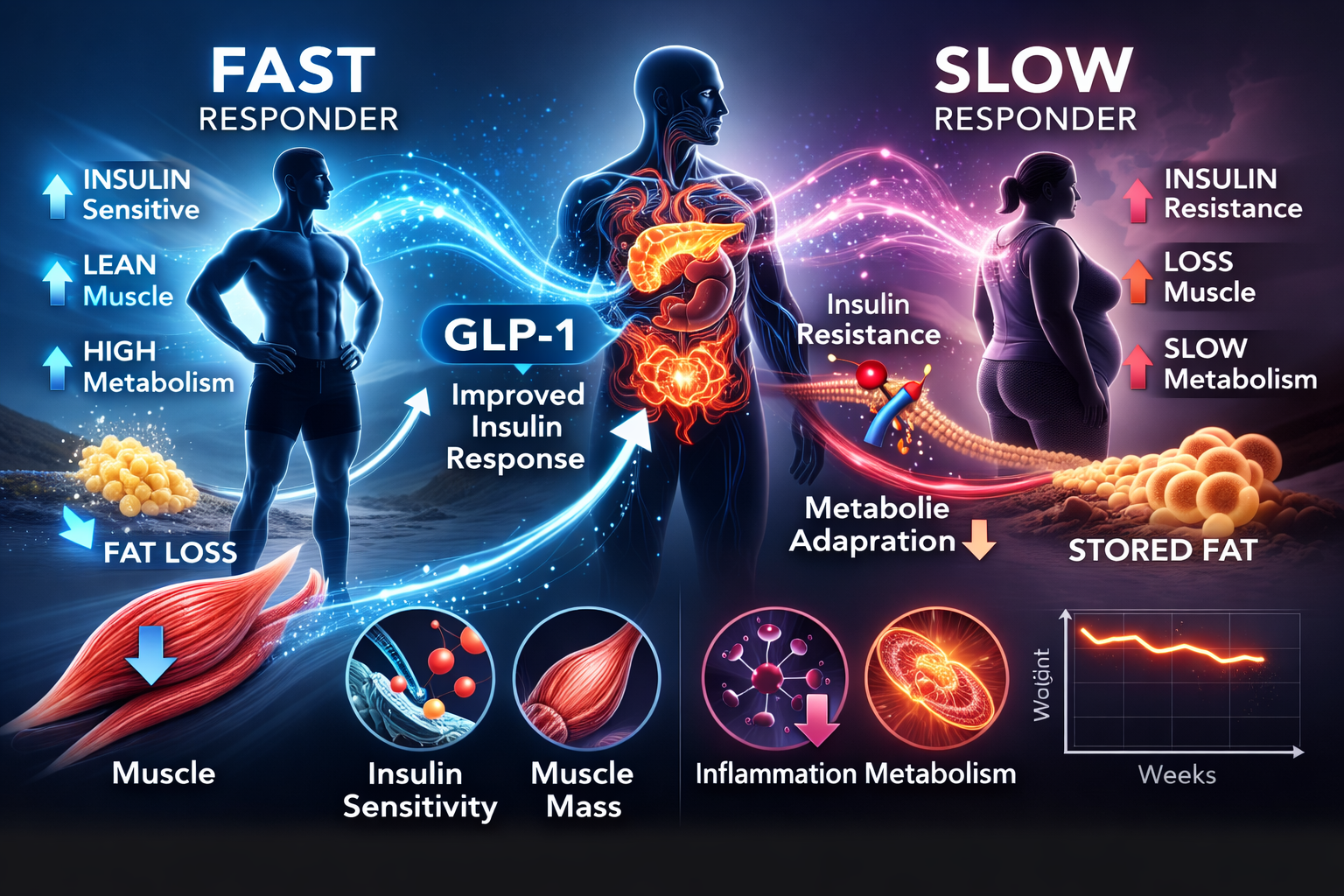
Why Men Lose Weight Faster the Science Explained
Men often lose weight faster than women during the initial phases of a diet and exercise program due to biological differences in body composition, hormonal profiles, and metabolic rates. These physiological distinctions mean that male...
Men often lose weight faster than women during the initial phases of a diet and exercise program due to biological differences in body composition, hormonal profiles, and metabolic rates. These physiological distinctions mean that male bodies naturally burn more calories at rest and retain less essential fat, creating a more rapid initial drop on the scale.
Contents
Understanding the Metabolic Baseline
The human body requires a baseline amount of energy to sustain vital functions such as breathing, circulation, and cell production. This baseline is known as the basal metabolic rate (BMR).
On average, men possess a higher BMR than women of the same age and height. This discrepancy does not occur by chance; it is rooted in fundamental structural differences. Biological males typically have a higher percentage of lean muscle mass and a lower percentage of body fat.
Muscle tissue is metabolically active, meaning it requires significantly more energy to maintain than adipose (fat) tissue. Even when a man is resting or sleeping, his body expends more calories simply keeping his muscle cells alive and functioning. When a caloric deficit is introduced through diet or exercise, this higher baseline energy expenditure gives men an immediate mathematical advantage in total fat loss over time.
The Role of Body Composition and Fat Distribution
Body composition—the ratio of fat to muscle, bone, and water—plays a critical role in how quickly an individual sheds pounds. Men naturally carry more skeletal muscle mass due to higher circulating levels of androgens.
Furthermore, fat distribution patterns differ markedly between sexes. Men tend to store fat predominantly in the abdominal region, known as visceral and subcutaneous android fat. Women, conversely, are biologically predisposed to store fat in the hips, thighs, and buttocks, known as gynoid fat.
Abdominal fat is metabolically more active than fat stored in the lower extremities. Visceral fat responds more readily to catecholamines—hormones released during exercise and caloric restriction that trigger the release of stored fat into the bloodstream to be burned as fuel. Because male fat stores are heavily concentrated in this responsive visceral region, weight loss programs often yield visible results and rapid scale reductions much earlier in the process.
Hormonal Influences on Weight Loss
Hormones act as the chemical messengers that regulate appetite, fat storage, and energy expenditure. The hormonal environment in the male body creates distinct conditions for weight management compared to the female body.
Testosterone and Muscle Preservation
Testosterone is the primary male sex hormone responsible for building and maintaining muscle mass. During a caloric restriction phase—when the body is consuming fewer calories than it burns—lowered energy intake often threatens muscle tissue.
However, higher baseline testosterone levels help men preserve lean muscle mass even when they are in a calorie deficit. Because muscle is preserved, the body continues to burn calories at an elevated rate. When muscle is lost during dieting, the BMR drops, slowing down weight loss—a pitfall that men are biologically better equipped to avoid in the early stages.
Insulin and Leptin Dynamics
Insulin regulates blood sugar and fat storage, while leptin signals satiety to the brain. Research published in physiological journals indicates that sex hormones interact with these metabolic regulators differently in men and women.
Estrogen, the primary female sex hormone, can modulate insulin sensitivity and fat storage mechanisms in ways that protect energy reserves for potential pregnancy and lactation. This evolutionary adaptation makes the female body more resistant to rapid fat mobilization. Without this specific metabolic conservation pressure, the male hormonal profile facilitates a more direct response to reduced caloric intake.
| Biological Factor | Male Typical Characteristics | Female Typical Characteristics | Metabolic Impact on Weight Loss |
|---|---|---|---|
| Lean Muscle Mass | Higher percentage of skeletal muscle | Lower percentage of skeletal muscle | Higher muscle mass increases resting metabolic rate in men. |
| Fat Distribution | Predominantly abdominal (android) | Predominantly hips and thighs (gynoid) | Abdominal fat is more metabolically active and responsive to mobilization. |
| Primary Hormones | Higher testosterone, lower estrogen | Higher estrogen, lower testosterone | Testosterone aids muscle preservation during calorie deficits; estrogen protects fat stores for reproductive needs. |
| Caloric Baseline | Higher average daily energy expenditure | Lower average daily energy expenditure | Higher baseline allows for a larger absolute deficit without extreme restriction. |
Water Weight and Initial Fluctuations
When individuals begin a new diet or exercise regimen, the initial weight loss is often dramatic. Both men and women experience this water weight drop, but the underlying fluid dynamics can favor a quicker initial scale drop for men.
Glycogen, the stored form of carbohydrates found in the liver and muscles, holds onto water molecules at a ratio of approximately three grams of water for every one gram of glycogen. When men cut carbohydrates or reduce total calories, their large muscle mass stores substantial amounts of glycogen. Burning through these glycogen stores releases significant amounts of retained water, resulting in rapid initial weight loss that can outpace female counterparts in the first one to two weeks.
Physiological Advantages and Practical Realities
While the science clearly outlines why men lose weight faster initially, it is important to examine how these physiological advantages translate into practical, real-world outcomes.
Absolute vs. Relative Weight Loss
Men generally start a weight loss journey with a larger overall body size and higher absolute weight than women. A person weighing 250 pounds who loses 10 pounds is shedding 4% of their total body weight, whereas someone weighing 150 pounds losing 10 pounds is shedding 6.6% of theirs.
However, because men consume more total calories daily to maintain their larger frames, reducing intake by 500 to 1,000 calories per day creates a larger absolute energy deficit. This larger numeric deficit accelerates the speed at which pounds drop off the scale.
The Catch-Up Phase and Long-Term Plateaus
While men enjoy an initial velocity in weight loss, the physiological gap often narrows over time. As both men and women lose weight, the body undergoes adaptive thermogenesis—a process where the metabolism slows down to conserve remaining energy.
Furthermore, as a person becomes lighter, fewer calories are required to move their body. A man who has lost 30 pounds now has a lower BMR than he did at his starting weight. Consequently, the rate of weight loss slows down for both sexes, and adherence to nutritional guidelines and resistance training becomes the dominant factor in breaking through plateaus.
Common Misconceptions Regarding Weight Loss Rates
Numerous myths surround the differences in weight loss between men and women. Understanding what the science actually says helps separate physiological fact from common fitness folklore.
- Myth: Men have a secret biological switch that burns fat faster. Fact: The difference is entirely structural and hormonal, driven by muscle mass, testosterone, and fat distribution, not a hidden metabolic switch.
- Myth: Women cannot achieve the same final results as men. Fact: While the initial rate may be slower, women can achieve identical relative body composition transformations with tailored nutrition and progressive resistance training.
- Myth: Exercise affects male and female fat burning identically. Fact: Studies show that substrate utilization during exercise can vary, with certain hormonal phases in women affecting fat oxidation rates differently than the steady hormonal baseline in men.
Practical Guidance and Next Steps
Recognizing that men often lose weight faster due to distinct biological variables helps set realistic expectations for anyone embarking on a health journey. Whether an individual is male or female, sustainable weight loss relies on consistent caloric management, adequate protein intake to preserve lean tissue, and progressive resistance training.
For those looking to optimize their personal health strategy, calculating an accurate baseline caloric need using validated equations such as the Mifflin-St Jeor formula provides a reliable starting point. Consulting a registered dietitian or a certified medical professional can also ensure that dietary adjustments meet individual nutritional needs without compromising long-term health.
Frequently Asked Questions
Why do men lose weight faster than women in the first week of a diet?
Men lose weight faster initially primarily due to higher amounts of stored glycogen and water weight associated with greater muscle mass. When a calorie deficit begins, glycogen stores deplete rapidly, releasing bound water and causing a sharp drop on the scale within the first seven to ten days.
Does higher testosterone make it easier for men to burn fat?
Testosterone does not directly burn fat on its own, but it plays a crucial role in building and preserving skeletal muscle mass. Because muscle tissue burns more calories at rest than fat tissue, maintaining muscle during a diet prevents the basal metabolic rate from dropping precipitously.
Do women ever catch up to men in weight loss over the long term?
Yes. While men typically see faster results in the first few weeks, weight loss rates tend to equalize over several months as both bodies adapt to lower body weight. Long-term success ultimately depends on consistent adherence to a sustainable caloric deficit and lifestyle habits rather than initial biological velocity.
Is visceral fat harder or easier to lose than subcutaneous fat?
Visceral fat—the kind stored around abdominal organs, which is more common in men—is actually metabolically more active and more responsive to catecholamines than subcutaneous fat. This means the body can mobilize and burn visceral fat more readily when a caloric deficit is established.
Should women follow a completely different diet than men to lose weight?
The fundamental laws of thermodynamics apply equally to both sexes: a caloric deficit is required for weight loss. However, women may need to account for hormonal fluctuations across their menstrual cycle, different micronutrient requirements, and variations in baseline caloric needs when structuring their nutritional plans.
Image Gallery