Understanding the Watson 349 Oblong White Pill: Identification, Uses, and Safety
The Watson 349 oblong white pill is an immediate-release prescription medication containing 7.5 milligrams of hydrocodone bitartrate and 325 milligrams of acetaminophen, primarily prescribed for managing moderate to moderately severe p...
The Watson 349 oblong white pill is an immediate-release prescription medication containing 7.5 milligrams of hydrocodone bitartrate and 325 milligrams of acetaminophen, primarily prescribed for managing moderate to moderately severe pain.
Contents
Disclaimer: The following information is for educational purposes only and should not replace professional medical advice, diagnosis, or treatment. Always consult a qualified healthcare provider regarding any questions about prescription medications or medical conditions.
Introduction to Pill Identification and the Watson 349 Imprint
Navigating prescription medications requires precision, careful verification, and a clear understanding of pharmaceutical labeling. When patients or caregivers encounter an unfamiliar pill in a household or medical setting, identifying its physical characteristics is the first step toward ensuring safety. The imprint code "Watson 349" stamped onto a solid medication provides an unambiguous path back to its manufacturer, active chemical formulation, and designated medical purpose.
Pill identification systems rely on unique combinations of letters, numbers, colors, and shapes to prevent medication errors, accidental poisoning, and misuse. In the case of the oblong white pill bearing the imprint "Watson 349," these visual markers point directly to a widely prescribed opioid-analgesic combination product. Understanding what this pill is, how it works, and the stringent safety protocols surrounding its use is essential for patients, caregivers, and healthcare professionals alike.
Physical Characteristics and Manufacturer Background
To accurately verify a medication, examining its physical attributes—often called pill morphology—is critical. The Watson 349 pill possesses distinct visual characteristics that differentiate it from thousands of other solid oral dosage forms available in modern pharmacies.
Visual Profile of Watson 349
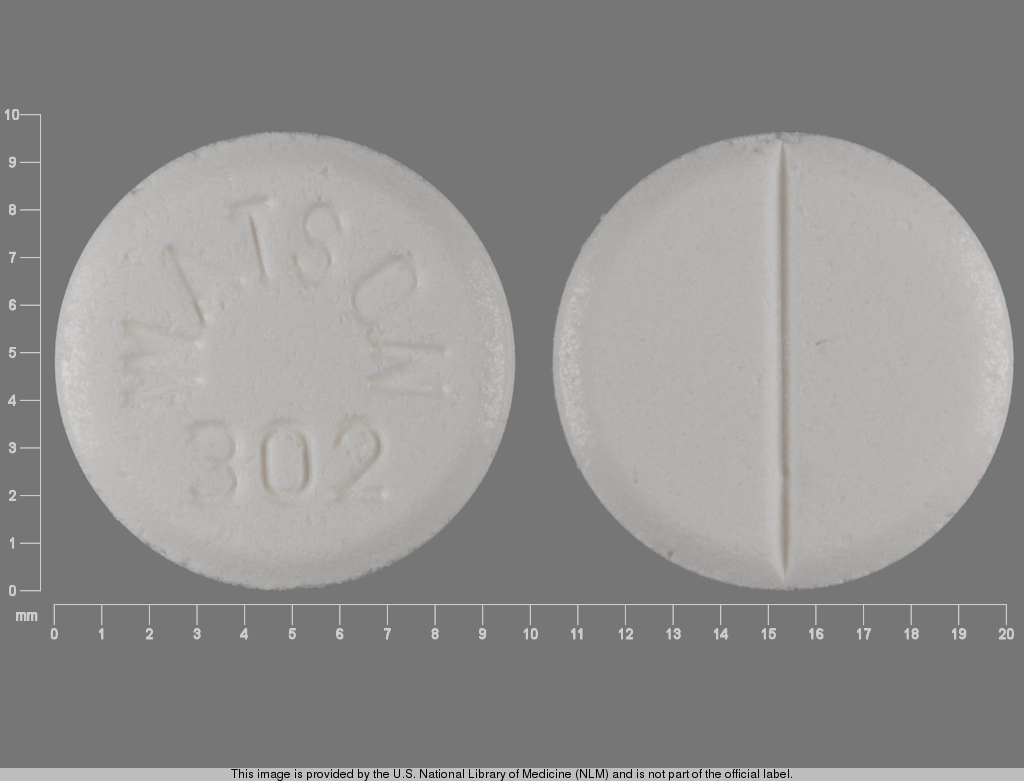
- Shape: Oblong, featuring a smooth, elongated rectangular or capsule-like geometry with rounded edges.
- Color: Solid white, lacking any secondary color layers, speckling, or glossy film coatings.
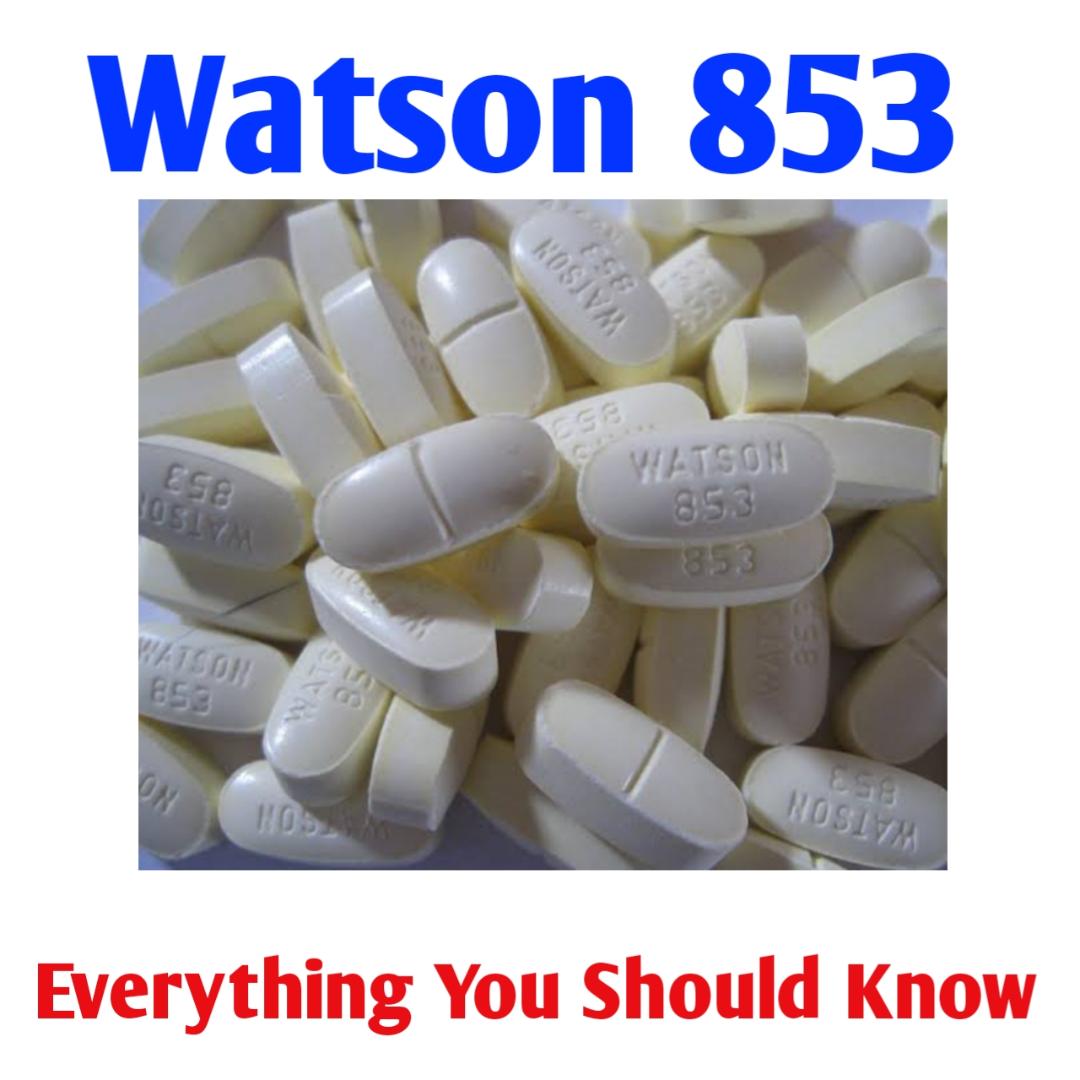
- Imprint: The text "Watson" or "WATSON" is typically stamped across one side, with the number "349" stamped on the reverse side, often separated by a score line.
- Scoring: Many versions feature a functional score line, allowing the tablet to be broken in half if prescribed by a physician, though breaking opioid combination pills requires careful dose management.
Manufacturer and Corporate History
The "Watson" prefix historically referred to Watson Pharmaceuticals, a major American specialty pharmaceutical and generic drug manufacturer. Over the course of several corporate mergers and acquisitions, Watson evolved through Actavis, eventually becoming part of Teva Pharmaceutical Industries. Despite corporate transitions, medications originally manufactured under the Watson label frequently retain their historic imprint codes in clinical settings and patient memory. Consequently, pharmacies may dispense generic equivalents produced by different manufacturers that share the exact same active ingredients and strength, even if the visual imprint differs.
Active Ingredients and Pharmacological Mechanism
The therapeutic efficacy of the Watson 349 oblong white pill stems from a synergistic combination of two distinct active pharmaceutical ingredients: hydrocodone bitartrate and acetaminophen. Each component targets pain pathways through separate physiological mechanisms.
Hydrocodone Bitartrate (7.5 mg)
Hydrocodone is a semi-synthetic opioid agonist derived from natural opiate alkaloids such as codeine. It binds primarily to mu-opioid receptors located within the central nervous system and the gastrointestinal tract. By activating these receptors, hydrocodone alters the perception of and emotional response to pain, effectively elevating the pain threshold. Because it acts centrally, it is classified as a Schedule II controlled substance under the United States Controlled Substances Act due to its high potential for physical dependence, psychological addiction, and misuse.
Acetaminophen (325 mg)
Acetaminophen (widely known internationally as paracetamol) is a centrally acting non-opioid analgesic and antipyretic agent. It inhibits prostaglandin synthesis in the central nervous system, reducing fever and dampening pain signals at the spinal cord level. The inclusion of 325 milligrams of acetaminophen per tablet aligns with modern regulatory guidelines established by the U.S. Food and Drug Administration (FDA) to limit the maximum dose of acetaminophen in prescription combination products, thereby reducing the risk of severe acute and chronic liver injury.
Medical Uses and Clinical Indications
Healthcare providers prescribe the hydrocodone-acetaminophen 7.5 mg / 325 mg combination primarily for the short-term management of acute pain that is severe enough to require opioid treatment and for which alternative non-opioid pain treatments are inadequate.
Common Clinical Scenarios
- Post-Surgical Recovery: Managing moderate to severe pain following dental procedures, orthopedic surgeries, or soft-tissue operations.
- Acute Traumatic Injury: Providing relief following fractures, severe sprains, or accidental physical trauma.
- Musculoskeletal Pain: Alleviating intense, short-term flare-ups of back injury or joint damage when conservative therapies prove insufficient.
Because of the inherent risks associated with opioid medications, clinicians typically prescribe these tablets for short durations—ranging from a few days to a couple of weeks—while continuously re-evaluating the patient's underlying condition and pain scores.
Dosage, Administration, and Safety Guidelines
Proper administration of the Watson 349 pill ensures maximum therapeutic benefit while minimizing the risk of adverse drug events, overdose, and dependency.
General Dosing Principles
Dosage regimens are highly individualized based on the severity of the pain, the patient's prior exposure to opioid analgesics, age, weight, and concurrent medical conditions.
- Adult Dosage Range: Typically, one tablet every 4 to 6 hours as needed for pain.
- Maximum Daily Limits: Total daily consumption must be strictly monitored. The maximum recommended daily dose of acetaminophen for adults is generally capped at 4,000 milligrams from all sources, though patients taking combination opioids are often advised by their physicians to stay well below this threshold to protect liver health. The maximum daily dose of hydrocodone is similarly restricted to prevent profound central nervous system depression.
Administration Best Practices
- Swallow the tablet whole with a full glass of water.
- Can be taken with or without food; however, taking it with food or milk may help mitigate opioid-induced nausea.
- Never crush, chew, or dissolve immediate-release tablets if modified-release handling guidelines are mistakenly applied, though immediate-release formulations should be swallowed intact to ensure predictable systemic absorption.
Comparative Profile of Common Hydrocodone Strengths
Hydrocodone and acetaminophen combination tablets are manufactured in several different strengths, typically varying by the amount of hydrocodone while keeping the acetaminophen component standardized at 325 milligrams per tablet.
| Imprint / Product Code | Hydrocodone Strength | Acetaminophen Strength | Primary Clinical Context |
|---|---|---|---|
| Watson 349 | 7.5 mg | 325 mg | Moderate to moderately severe acute pain. |
| Watson 387 | 10 mg | 325 mg | More intense moderate-to-severe pain management. |
| Watson 340 | 5 mg | 325 mg | Mild-to-moderate acute pain or opioid-naive patients. |
| Vicodin ES (Historic) | 7.5 mg | 750 mg | Older formulation; largely phased out due to high acetaminophen limits. |
Potential Side Effects and Adverse Reactions
Like all potent medications, the Watson 349 pill carries a spectrum of potential side effects ranging from mild discomfort to serious medical emergencies. Patients must be educated on what to expect and when to seek immediate medical intervention.
Common, Mild Side Effects
- Gastrointestinal: Nausea, vomiting, constipation, and abdominal discomfort. (Constipation is particularly common with ongoing opioid use and often requires dietary adjustments or stool softeners).
- Central Nervous System: Drowsiness, dizziness, lightheadedness, sedation, and a generalized feeling of mental clouding.
- Dermatologic: Mild itching or flushing due to histamine release triggered by opioid binding.
Serious Adverse Reactions and Risks
- Respiratory Depression: The most dangerous risk associated with hydrocodone is the slowing or suppression of breathing, which can be fatal in overdose situations or when combined with other central nervous system depressants.
- Hepatotoxicity: Liver damage resulting from excessive acetaminophen intake, either through acute overdose or cumulative daily overuse exceeding recommended thresholds.
- Hypotension: Significant drops in blood pressure, potentially causing fainting or dizziness when standing up quickly.
- Severe Allergic Reactions: Anaphylaxis, swelling of the face, lips, or tongue, and severe skin rashes.
Contraindications, Warnings, and Drug Interactions
Certain individuals should never take the Watson 349 pill, and others require rigorous medical supervision due to underlying health profiles or concurrent drug regimens.
Major Contraindications
- Respiratory Compromise: Patients experiencing significant respiratory depression, acute asthma attacks, or chronic obstructive pulmonary disease (COPD) in unmonitored settings.
- Gastrointestinal Obstruction: Individuals with known or suspected paralytic ileus or bowel obstructions.
- Hypersensitivity: Known allergic reactions to hydrocodone, acetaminophen, or any inactive excipients within the tablet matrix.
Dangerous Drug Interactions
- Alcohol: Consuming alcohol while taking hydrocodone-acetaminophen significantly increases the risk of dangerous central nervous system depression, profound respiratory failure, and severe liver toxicity.
- Benzodiazepines and CNS Depressants: Combining opioids with medications such as diazepam, alprazolam, lorazepam, muscle relaxants, or sleep aids can lead to profound sedation, respiratory depression, coma, and death.
- CYP3A4 Inhibitors and Inducers: Because hydrocodone is metabolized by hepatic enzymes, concurrent use with strong CYP3A4 inhibitors (like certain antifungal or antibiotic medications) can elevate opioid blood levels, increasing toxicity risks.
Storage, Disposal, and Controlled Substance Regulations
Due to the presence of a controlled substance and a potent analgesic, proper storage and disposal practices are paramount for household safety and public health.
Safe Storage Protocols
- Store tablets in a secure location, such as a locked medicine cabinet, out of the reach of children, teenagers, and pets to prevent accidental ingestion, misuse, or theft.
- Keep medication in its original, labeled pharmaceutical container at room temperature, away from excessive moisture, heat, and direct sunlight.
Environmentally Responsible Disposal
- Do not flush leftover or expired opioid medications down the toilet unless specific official take-back guidance recommends it, as this can contaminate municipal water systems.
- Utilize local community drug take-back programs, authorized pharmacy collection kiosks, or FDA-approved mail-back envelopes to dispose of unused pills safely.
Frequently Asked Questions
What should I do if I miss a dose of Watson 349?
Because this medication is typically taken on an as-needed basis for pain, a missed dose rarely poses a schedule problem. If you are taking it on a regular prescribed schedule and miss a dose, take it as soon as you remember. However, if it is almost time for your next scheduled dose, skip the missed dose and resume your normal dosing routine. Never double up on doses to make up for a missed one.
Can I drive or operate machinery while taking this medication?
No. The Watson 349 pill frequently causes drowsiness, dizziness, and cognitive impairment. Operating motor vehicles, heavy machinery, or engaging in hazardous activities while under the influence of this prescription compromises safety and reaction times.
Is the Watson 349 pill addictive?
Yes. Hydrocodone is an opioid and carries a recognized risk of physical and psychological dependence, tolerance, and addiction. It should be taken strictly as prescribed by a licensed healthcare professional, and use should be tapered under medical supervision when discontinuing long-term therapy.
What are the signs of an opioid overdose?
Signs of an overdose include extremely slow, shallow breathing, extreme drowsiness, limp muscle tone, cold and clammy skin, constricted (pinpoint) pupils, and unresponsiveness or inability to wake up. An overdose is a life-threatening medical emergency requiring immediate emergency services (calling 911) and the potential administration of naloxone if available.
Why does the pill contain acetaminophen instead of pure hydrocodone?
Combining hydrocodone with acetaminophen provides synergistic pain relief, allowing clinicians to achieve effective analgesia with a lower dose of the opioid component. Additionally, the inclusion of acetaminophen deters recreational abuse, as exceeding safe opioid doses would simultaneously result in dangerous acetaminophen toxicity.
Conclusion and Next Actions
The Watson 349 oblong white pill is a potent prescription analgesic combining 7.5 mg of hydrocodone and 325 mg of acetaminophen. While highly effective for managing acute, moderate-to-severe pain when used correctly, it demands rigorous adherence to prescribing instructions, careful safety precautions regarding alcohol and other sedatives, and secure household storage. If you have been prescribed this medication or have questions regarding its safety, side effects, or appropriate duration of use, consult your prescribing physician or a licensed pharmacist immediately.
Image Gallery