What Interpretation Means: Understanding Definition, Context, and Application
Interpretation means the process of explaining, translating, or deriving meaning from information, words, actions, or data. It bridges the gap between raw expression and human comprehension, operating across fields as diverse as spoken...
Interpretation means the process of explaining, translating, or deriving meaning from information, words, actions, or data. It bridges the gap between raw expression and human comprehension, operating across fields as diverse as spoken language, legal texts, art, and computer science.
Contents
The Core Definition of Interpretation
At its core, interpretation is an active cognitive and communicative process. While data or text provides raw input, interpretation supplies the context, perspective, and logic required to make that input understandable. It goes beyond simple observation by asking not just what is present, but why it matters and how it should be understood.
Etymologically, the word stems from the Latin interpretari, meaning to explain, translate, or understand. Throughout history, this definition has expanded. Today, the concept covers several distinct disciplines, each with its own methodology, rules, and objectives. Understanding what interpretation means requires examining how it functions across these different domains, as the rules governing a legal text differ vastly from those governing spoken language or artistic expression.
Key Types of Interpretation and Their Applications
Because interpretation is a multidisciplinary concept, its practical application varies significantly depending on the field. Below is a breakdown of the primary contexts in which interpretation occurs.
1. Spoken and Signed Language (Linguistic Interpretation)
In linguistics and communication, interpretation refers to the oral or signed translation of live discourse from one language into another. Unlike written translation—which allows editors hours or days to refine phrasing—linguistic interpretation happens in real-time or near-real-time.
- Simultaneous Interpretation: The interpreter listens to the speaker through a headset and translates the message into a microphone almost concurrently, usually with a lag of only a few seconds. This is common in international summits, such as United Nations sessions.
- Consecutive Interpretation: The speaker pauses every few sentences to allow the interpreter to deliver the translated message to the audience. This method is frequently used in diplomatic meetings, medical consultations, and legal depositions.
- Chuchotage (Whispered Interpretation): The interpreter sits beside a client and whispers the translation in real-time. This is typically used in one-on-one settings or small meetings where full booth infrastructure is unavailable.
2. Legal and Statutory Interpretation
In law, interpretation is the method judges, attorneys, and regulators use to determine the meaning and application of legal texts, such as statutes, contracts, and constitutions. Because language can be ambiguous, legal interpretation relies on established doctrines to prevent arbitrary rulings.
- Textualism: Focuses on the plain, ordinary meaning of the text at the time it was written, prioritizing the exact words used over the perceived intent of the drafters.
- Intentionalism: Seeks to uncover what the legislators or contracting parties intended to achieve when they created the document.
- Purposivism: Interprets a law by examining the overarching problem the statute was designed to solve, ensuring rulings align with the broader public policy or legislative goal.
3. Art, Literature, and Hermeneutics
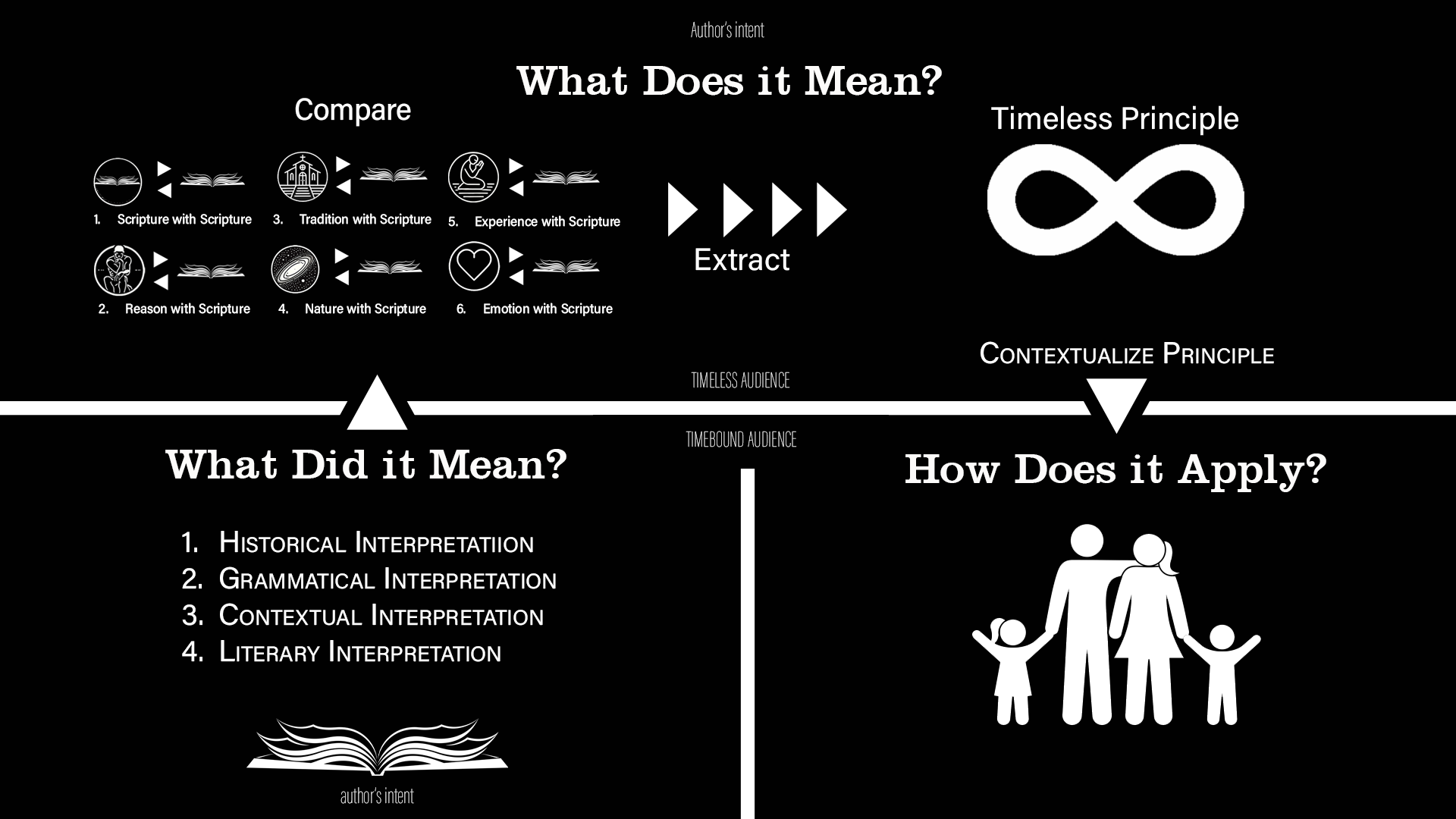
In the humanities, interpretation involves decoding the underlying themes, symbols, and cultural contexts of creative works, historical documents, and philosophical texts. Hermeneutics—the theory and methodology of interpretation—provides the framework for understanding how human expression communicates deeper truths.
Artistic interpretation acknowledges that a painting, musical composition, or literary novel can evoke multiple valid emotional and intellectual responses from different audiences based on their individual backgrounds and historical eras.
4. Technical and Computer Science Interpretation
In technology, interpretation shifts from human language to machine logic. An interpreter is a computer program that directly executes instructions written in a programming language—such as Python or JavaScript—without requiring a preliminary compilation step into machine code. The interpreter reads source code line by line, translates it into executable actions, and runs them immediately.
| Field | Primary Object | Core Objective | Standard Methodology |
|---|---|---|---|
| Linguistics | Spoken or signed discourse | Real-time cross-language communication | Simultaneous or consecutive translation |
| Law | Statutes, contracts, constitutions | Determining enforceable legal obligations | Textualism, intentionalism, and purposivism |
| Humanities | Literature, art, historical texts | Uncovering thematic and cultural meaning | Hermeneutical analysis and contextual critique |
| Computer Science | Source code | Direct execution of software instructions | Line-by-line runtime conversion |
The Mechanics of the Interpretive Process
Regardless of the field, effective interpretation follows a structured cognitive or mechanical workflow. Moving from raw input to a finalized interpretation requires distinct steps.
Step 1: Reception and Comprehension
The interpreter must accurately receive the input—whether hearing a spoken sentence, reading a statutory clause, viewing a painting, or parsing a line of code. Missing or mishearing a single detail at this stage can distort the final output.
Step 2: Contextualization
Data never exists in a vacuum. The interpreter applies contextual knowledge, which includes cultural nuances, historical background, professional jargon, and situational constraints. For instance, a legal interpreter must understand jurisdictional precedent, while a linguistic interpreter must grasp regional idioms.
Step 3: Transformation and Synthesis
The interpreter converts the input from its original form into the target framework. This requires balancing literal accuracy with functional equivalence, ensuring the core message remains intact without sounding unnatural or misleading.
Step 4: Delivery or Execution
The final output is presented to the end user, listener, reader, or system. In human communication, this step requires clarity, appropriate tone, and professional delivery. In computing, it results in the successful execution of software logic.
Common Challenges and Pitfalls in Interpretation
Even seasoned professionals encounter significant obstacles when interpreting complex information. Recognizing these challenges helps prevent miscommunication and errors.
- Ambiguity: Words, phrases, and symbols often have multiple valid meanings. Selecting the wrong meaning alters the entire outcome of the interpretation.
- Cultural Nuance: Direct translations or literal readings often fail when cross-cultural references are involved. Translating humor, idioms, or cultural taboos requires deep familiarity with the source culture.
- Cognitive Fatigue: In live linguistic interpretation, mental exhaustion sets in rapidly. Interpreters typically work in pairs, switching every 20 to 30 minutes to maintain high accuracy.
- Bias and Subjectivity: In legal and literary contexts, an interpreter's personal beliefs or professional background can unconsciously influence how they read a text. Establishing objective frameworks helps mitigate this risk.
Frequently Asked Questions
What is the difference between translation and interpretation?
Translation deals exclusively with written text, allowing time for research, drafting, and revision. Interpretation deals with spoken or signed language in real-time, requiring rapid cognitive processing and immediate verbal or signed delivery.
Why is legal interpretation necessary?
Laws are drafted using general language to cover broad categories of behavior. When novel situations arise that legislators did not explicitly foresee, legal interpretation provides a systematic way to apply existing rules to new circumstances.
Can an interpretation be entirely objective?
While technical and linguistic interpretations strive for strict neutrality, human interpretation in law, art, and literature always incorporates a degree of perspective. However, professional standards and established methodologies minimize arbitrary bias.
How do computer interpreters work?
A software interpreter reads human-readable source code line by line, translates each statement into machine-readable operations, and executes them immediately. This contrasts with compilers, which translate the entire program into machine code before running it.
What qualifications are required to be a professional interpreter?
Professional linguistic interpreters typically require fluency in two or more working languages, formal training in simultaneous or consecutive techniques, subject-matter expertise (such as medical or legal terminology), and industry certifications from recognized bodies.
Conclusion and Next Actions
Interpretation is far more than a mechanical conversion tool; it is the fundamental mechanism through which humans make sense of language, law, art, and technology. Whether you are hiring a professional linguist for an international conference, studying legal compliance, or exploring literary hermeneutics, recognizing the nuances of the interpretive process ensures better accuracy and deeper comprehension.
To deepen your understanding, evaluate the specific context in which you need interpretation services or analysis. Identify the appropriate methodology—such as legal textualism or simultaneous linguistic translation—and engage qualified professionals or frameworks equipped to handle the complexities of your specific domain.
Image Gallery